SUSE made Linux Enterprise Server 16.1 generally available on November 10, 2026, combining conventional package-managed administration, an immutable deployment option, real-time scheduling and kernel live patching under one enterprise operating-system release. The company also introduced new tools for AI-assisted system diagnostics, but the on-box Model Context Protocol (MCP) framework remains a technology preview, not a production-supported feature.
The distinction matters for administrators evaluating automated infrastructure operations. SUSE’s commercial Linux platform is separate from the community-oriented openSUSE Leap 16.1 release, although both share elements of the broader ecosystem. SUSE positions its update for data centers, cloud workloads, SAP environments and edge devices.
SUSE’s official November 2025 demonstration introduces Liz, the Rancher AI assistant. It predates SLES 16.1 and demonstrates a different product, not the new on-box MCP framework. Credit: SUSE/YouTube.
Two operating modes, one supported platform
During installation, SLES 16.1 offers a standard writable operating-system mode or an immutable mode with a write-protected root filesystem. In immutable mode, operating-system changes are applied transactionally to a new snapshot, which activates after reboot. Snapshot-based recovery can reduce configuration drift, but rollback does not automatically protect application data, databases or external storage.
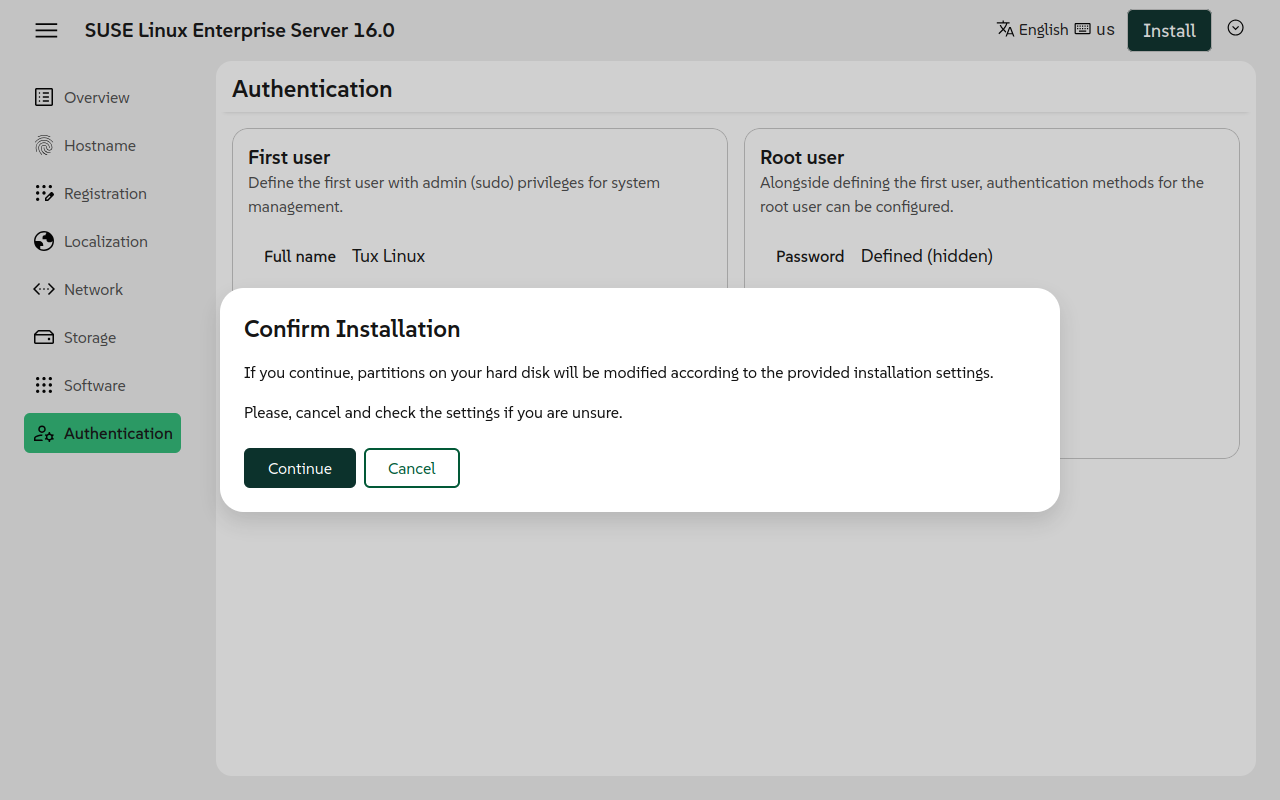
The Agama installer handles deployment, while Cockpit provides web administration and Ansible supports configuration automation. SUSE has integrated high-performance computing and the PREEMPT_RT soft real-time capability into the standard SLES subscription. Real-time scheduling can reduce latency variation for time-sensitive workloads, but administrators must still benchmark specific hardware and application paths. The approach contrasts with desktop-focused developments covered in Fedora Linux 45.
AI can query system services, but controls remain essential
SUSE’s SLES 16.1 technical documentation lists preview MCP servers for systemd, Snapper, SUSEConnect and Trento. An accompanying command-line tool, kit, can route natural-language questions through configured local services. The company says tool access is governed through Polkit authorization, SELinux confinement and system audit records. Those safeguards matter because a model-generated command can still be mistaken or overly broad.
A sensible trial begins with narrowly authorized, read-only diagnostics on isolated test hosts. Production changes require review of permissions, logs, prompt-injection exposure and the actual tools reachable through MCP. Similar risks emerged in BitcoinVersus.Tech’s report on a pinned MCP server running changing dependencies. The new preview must not be represented as a certified autonomous system administrator.
Official SUSE demonstration of Rancher Prime AI agents identifying and remediating a vulnerable Redis deployment, March 2026. It illustrates related agent workflows, not functionality tested in the new SLES 16.1 preview. Credit: SUSE/YouTube.
Live patching and migration have boundaries
SUSE says its live-patching program now covers supported SLES kernels through a 13-month maintenance window, including Arm support in version 16.1. Live patches can limit some reboot requirements, but they cannot eliminate every restart needed for firmware, kernel transitions or system configuration. Operators should test maintenance windows and rollback separately from live-patch marketing claims.
The release notes support online upgrades from SLES 16.0 and offline migration from selected SLES 15 service packs. SLES 16.1 retains Python 3.13 as its primary interpreter and adds a short-term Python 3.14 runtime, creating separate dependency-support considerations. Configuration testing remains necessary, much as described in BitcoinVersus.Tech’s Chef Infra automation introduction.
SUSE’s published lifecycle lists November 30, 2028, as the end of general support for 16.1 and November 30, 2031, as its long-term support endpoint. The available operating system and experimental AI-assisted management tools therefore follow different maturity paths. No independently measured administration-time savings or production reliability figures for the on-box MCP preview accompanied the announcement.
Sources and verification
Primary documentation: SUSE’s November 10 announcement; SLES 16.1 release overview; technical deep dive; release notes; and product support lifecycle. Feature availability and support windows are vendor documentation, not independent performance tests.
Editor’s Note: Release availability, standard and immutable modes, preview MCP tooling, Python versions and support dates were checked against original SUSE documentation. The 1200 × 630 featured image is a photorealistic conceptual editorial illustration rather than a photograph of a SUSE deployment. The Agama screenshot originates from the SLES 16.0 manual and is labeled as archival material. Two official SUSE YouTube demonstrations concern related Rancher AI technology, not the new 16.1 on-box preview. Independent production validation and actual viewer-side playback remain unverified.
Support BitcoinVersus.Tech
Optional 5,000-satoshi contributions support independent technical reporting. Open the article on a second screen and scan the original QR code using a compatible Bitcoin wallet. On a phone, save the QR image and import it through a wallet supporting scans from saved images. Verify the destination and amount before authorizing payment.

BitcoinVersus.Tech is volunteer-run and aims to provide verifiably accurate reporting. Donations are entirely voluntary, and Bitcoin payments are generally irreversible. Verify recipient 3C9o19EH5HSiwEPyCTmEKzxhNCbo2X6TTb and 5,000 satoshis before sending. Articles are informational, not production security certifications, engineering guarantees or investment advice.


Leave a Reply