Oregon geothermal developer Mazama Energy says its Carbon Chill drilling system kept sensitive equipment at 195°F (91°C) while cutting through rock measured at 645°F (341°C). The company reported a 20% faster drilling rate, reaching 92 feet per hour, during an August 2026 field demonstration at its Athena well near Newberry Volcano. Mazama disclosed the results on November 16, 2026. The achievement concerns drilling performance, not electricity generation from a completed commercial power plant. Source: Mazama’s November 16 announcement.
Why CO₂ matters more than another drilling record
A high-temperature geothermal well has two different challenges: penetrating hard rock and keeping its electronics alive long enough to steer accurately. Conventional drilling fluids heat up during the trip underground. Mazama’s patented Carbon Chill process instead uses supercritical carbon dioxide as a drilling fluid, providing cooling near the drill bit while carrying rock cuttings away. Directional steering tools remain functional despite a much hotter surrounding formation. The claimed 450°F temperature separation comes from subtracting the reported equipment temperature from the rock temperature; it is not a measurement of power output. Mazama’s technology description explains the intended engineering role.
Carbon dioxide becomes supercritical above a particular combination of pressure and temperature; the state is distinct from the supercritical water that geothermal developers ultimately hope to circulate through rock hotter than roughly 705°F (374°C). Carbon Chill is a drilling method, not confirmation that CO₂ will be the electricity plant’s long-term heat-transfer fluid. The reported 645°F formation also remained below the commonly cited superhot-water threshold.
What the 20% improvement actually means
The company’s reported 92 ft/hour equals about 28 meters/hour. If the comparison uses a 20% increase against conventional drilling, the implied reference speed is approximately 76.7 ft/hour (92 ÷ 1.20). Mazama has not supplied enough public comparative test detail to treat the improvement as a standardized industry benchmark. Its November announcement also omits a complete well-level cost breakdown, long-duration equipment reliability data and sustained thermal output. A faster drilling interval need not translate into a 20% reduction in total plant cost.
From a demonstration to megawatts
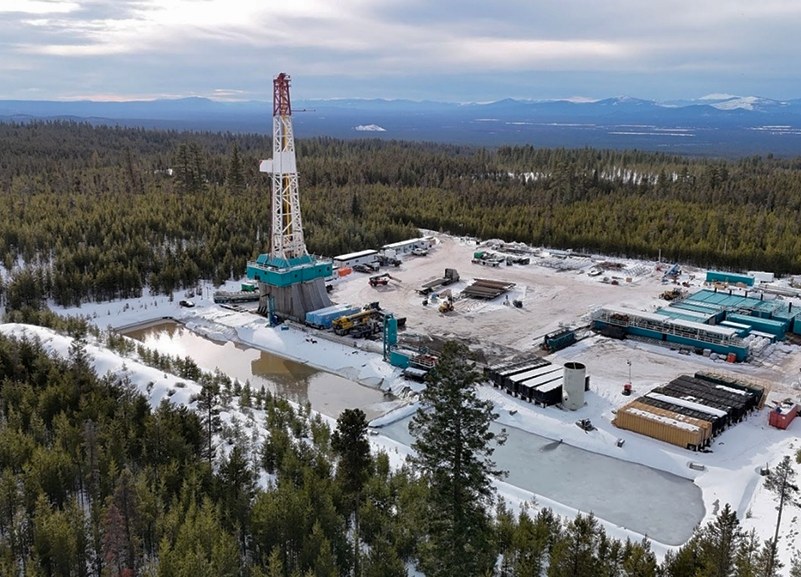
Mazama’s earlier 2025 Newberry pilot reached 629°F (331°C) and demonstrated an engineered reservoir with fluid circulation. The company said Athena drilled to 10,350 feet in 15 drilling days in September 2026, approximately 80% less time than a prior well to the same depth. Those outcomes are separate from Carbon Chill’s 20% rate comparison and should not be combined into one efficiency figure. Mazama’s September project update sets out the timeline.
Its proposed next phase, Project Ceres, targets horizontal wells and an initial 15-megawatt generating demonstration in 2027. Fifteen megawatts is a development target, not installed capacity. The distinction matters as other advanced geothermal projects advance: Fervo’s first 33 MW Cape Station unit has entered commercial operation, while Sage and Ormat are planning additional Nevada geothermal wells. Neither outcome independently validates Mazama’s superhot economics.
Economics, risks and the next test
Superhot wells could raise heat extraction per well, lowering the number of sites and boreholes required for dependable electricity. But high-temperature casing, corrosion, fracture management, induced seismicity, CO₂ containment, water management, scaling and maintenance could offset drilling savings. Large resource-potential estimates and modeled dollars per megawatt-hour should remain forecasts until a plant demonstrates repeatable output, availability and costs.
The wider financing and grid context is moving rapidly. ARPA-E recently selected eight superhot-geothermal research projects, while EIA forecasts growing U.S. electricity demand. Neither funding selection nor projected demand establishes commercial viability for a specific well.
The crucial next evidence will be repeatable hot horizontal drilling, public well-test data, verified reservoir performance, grid connection and actual electric output. For now, Carbon Chill is an encouraging company-reported field demonstration, not proof of a completed superhot geothermal power station.
Primary reporting: November 16 Carbon Chill field announcement; official process overview; project status; September technical and financing update.
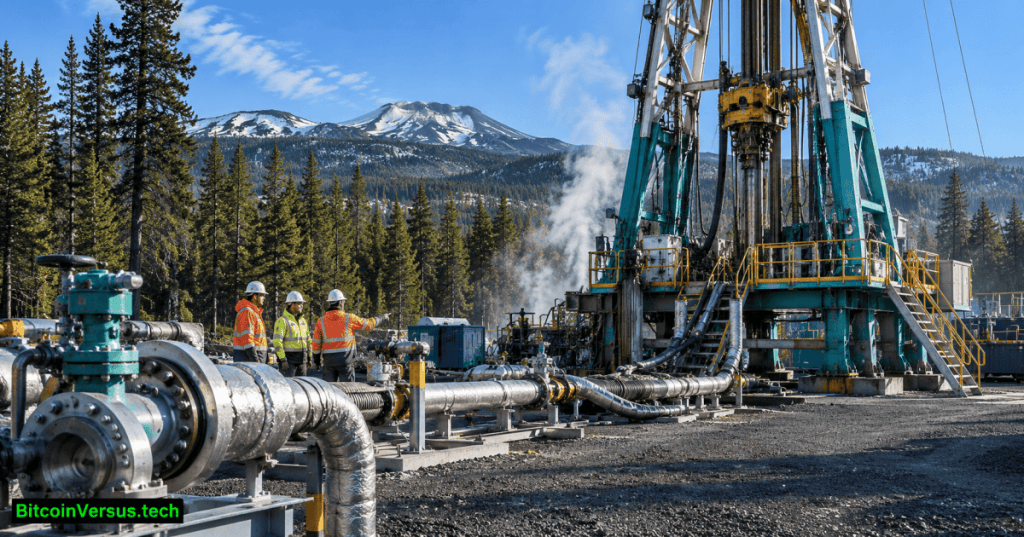
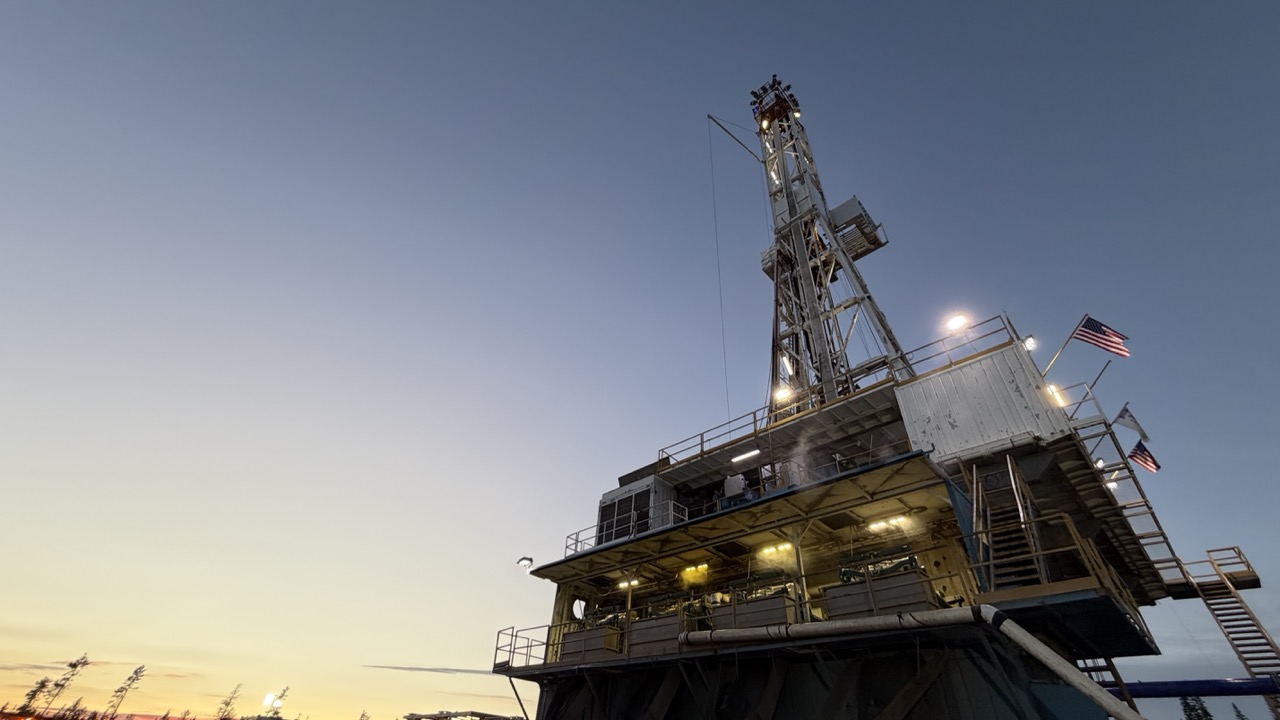
Editorial media note: The featured photorealistic cover is original conceptual artwork, not a photograph from Mazama’s Carbon Chill test. The two in-story site photographs are authentic, separately credited archival company media.


Leave a Reply