
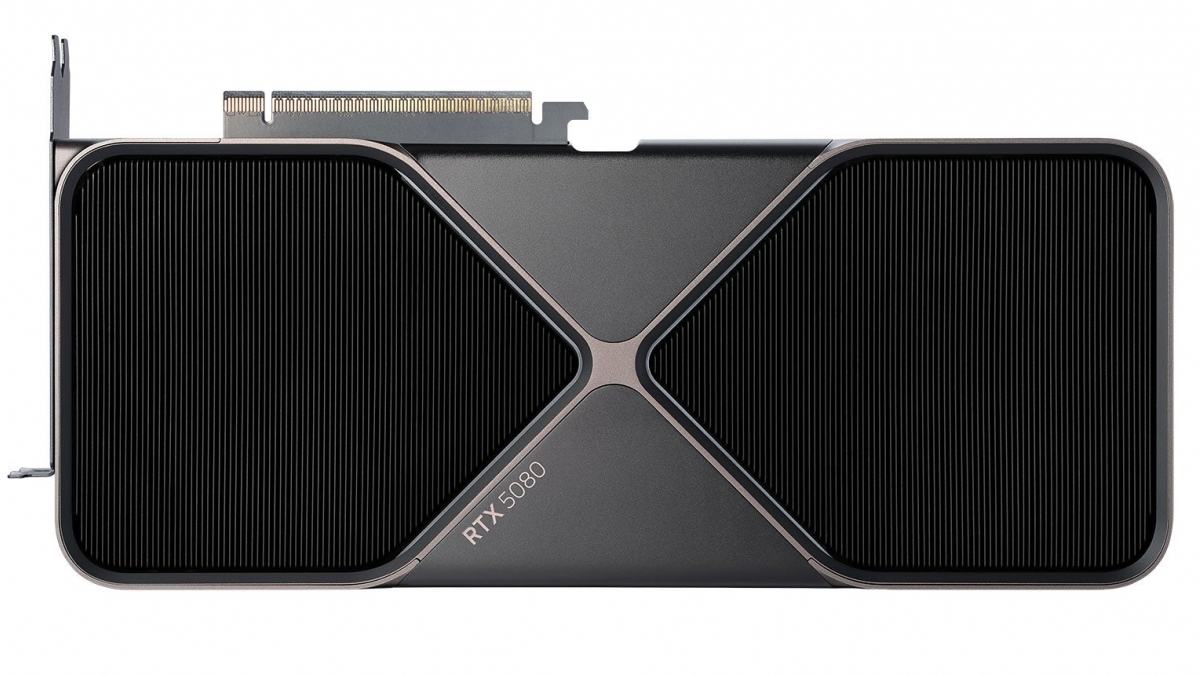
An ordinary gaming GPU may soon serve artificial-intelligence requests on a cryptocurrency network. Arthur Hayes, co-founder of BitMEX and leader of Flop Labs, highlighted a GeForce RTX 5080 running FLOP development-network mining on November 8, 2026. The proposed system rewards GPUs for processing AI inference, rather than guessing Bitcoin block hashes. Yet no tradable FLOP token exists today, and the planned public testnet is not yet live. Flop Labs currently targets November 24, subject to readiness, according to its November 18 official timeline.
Unchained’s August 2026 interview with Arthur Hayes on the FLOP model, miners and validators. Archival interview, not the November RTX 5080 test.
What makes FLOP mining different?
Bitcoin’s SHA-256 miners run specialized ASICs searching for block hashes beneath a difficulty target. FLOP calls GPU operators miners because their machines serve AI models and provide evidence that inference was performed. Validators are responsible for verifying work and securing settlement, while AI agents request and pay for responses. The FLOP whitepaper proposes allocating 75% of block rewards to GPU miners, weighted by verified computational work. Those percentages describe the intended protocol, not cash income currently available.
A miner operates a model server and separate worker software. The GPU performs inference; the worker receives jobs, collects proof data and handles sessions. The project’s operator guide documents an NVIDIA A40 setup and notes that other NVIDIA cards must be qualified individually. Consumer GPUs with at least 16 GB of memory are the published design target. An RTX 5080 meets the memory floor, but usable model size and throughput depend on the model, driver, host and runtime.
The RTX 5080 test does not prove profits
Coverage of Hayes’s November 8 demonstration described roughly 13 GB of the RTX 5080’s 16 GB VRAM in use. A separate community operator reported twelve settled development sessions on a Windows PC. Those are preliminary demonstrations, not independent evidence of profit, broad Windows compatibility or stable production throughput. BeInCrypto’s November 9 account provides the background.
The official timeline explicitly says development-network activity earns no rewards and no airdrop credit. The proposed public testnet targets November 24, potentially running for about 90 days, but its start and eventual mainnet transition require confirmation. Testnet credits are not themselves a tradable asset, and Flop Labs warns that supposed FLOP token sales and claim sites are scams.
VirtualBacon’s September 2026 interview with Hayes includes the FLOP mining model and renting GPU capacity. Earlier discussion, not proof of November testnet operation.
Can gaming PCs compete with data centers?
A home PC has the advantage of existing equipment, but a larger operator may have faster cards, cheaper electricity, better connectivity and stronger uptime. Verified work determines a miner’s share, so a small GPU receives no guaranteed payment. The actual financial question is whether inference demand, payments and block rewards eventually exceed electricity, depreciation, cooling, connectivity and operating costs.
BitcoinVersus.tech has previously explained the difference between FLOPS and hashrate, Bitcoin mining versus cloud computing, and GPU rental infrastructure. Another recent article examined mining-era GPUs repurposed for AI. None of those workloads is interchangeable with FLOP’s verified inference protocol.
What to verify before running a miner
Operators should use the project’s official documentation and inspect software provenance, GPU access, model requirements, key handling and network costs. The published setup uses Docker and a GPU-backed model server; leaving a rented virtual machine running may continue billing even without useful jobs. Owners should avoid exposing wallet keys, accepting unsolicited installation links or assuming advertised token allocations have market value.
FLOP presents an interesting alternative for GPUs after Ethereum’s move away from proof-of-work mining. The meaningful next milestones are a confirmed public testnet launch, independently reproducible inference receipts, published GPU benchmarks and demonstrated demand for paid model calls. Until then, the RTX 5080 example is a development milestone, not a guaranteed earnings opportunity.
Sources: FLOP official timeline, updated November 18, 2026; official GPU provider instructions; FLOP whitepaper; BeInCrypto, November 9.
Editor’s Note: We volunteer daily to ensure the credibility of the information on this platform is Verifiably True. If you would like to support our work and help further secure the integrity of our research initiatives, please scan the QR code below to donate 5,000 sats.

Disclaimer: BitcoinVersus.tech publishes independent educational journalism, not financial, investment, purchasing, security or mining-operation advice. Development-network activity and experimental rewards do not establish token value or profitability. Always verify official sources and local regulations.


Leave a Reply