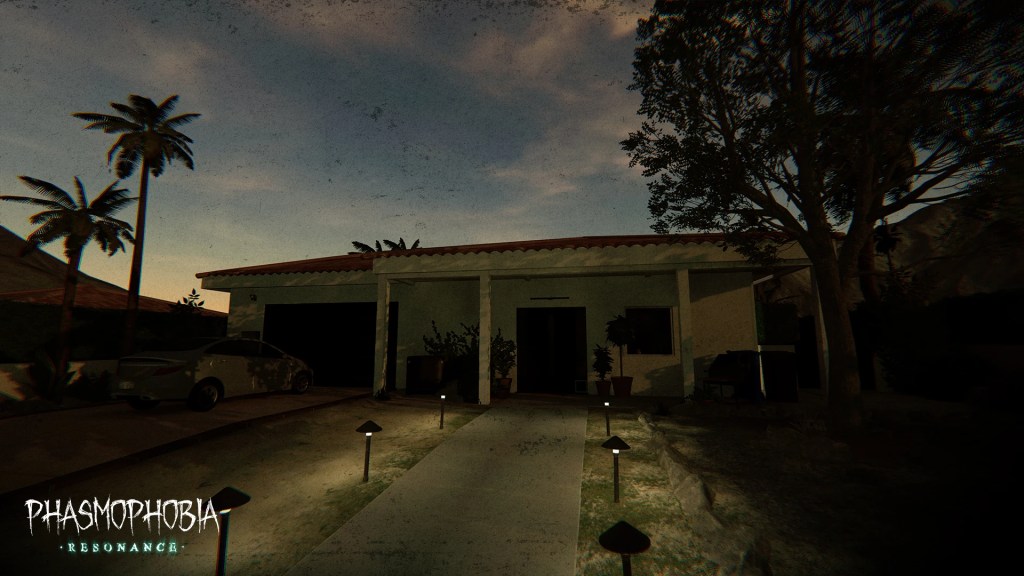
Changing the engine underneath an established multiplayer game can be more complicated than adding a new level. On November 24, 2026, Kinetic Games released Resonance, a free update for its cooperative horror title Phasmophobia. Version 0.20.0.0 migrates the game to Unity 6 while introducing revised investigation tools, lighting, accessibility controls and platform support. The developer’s release notes confirm availability across supported systems.
The engineering challenge is substantial: the same fictional haunted building must behave consistently for players using different graphics processors, controllers and displays, including virtual reality headsets. Kinetic Games reports more than 30 million copies sold during Early Access in its November 24 press announcement.
Why moving an entire game engine matters
An engine coordinates rendering, audio, asset loading, physics and input, among other tasks. A migration can change the behavior of existing systems even when gameplay rules remain identical. Developers must retest custom shaders, lighting, multiplayer behavior and device-specific settings. Improvements in one subsystem may expose bottlenecks elsewhere.
Unity 6 offers mechanisms for reducing rendering overhead, including GPU-driven submission and visibility testing. Unity’s rendering documentation describes how supported scenes can move certain tasks away from the CPU. Kinetic Games has not disclosed which specific rendering optimizations account for the reported improvements, so attributing a measured speed increase to an individual Unity feature would be premature.
Better darkness, not simply brighter graphics
Resonance revises how illumination behaves around windows, doors and movable objects. In a horror game, shadows convey both atmosphere and information. Consistent shading helps a door or piece of furniture appear integrated into its environment rather than visually detached. Kinetic Games also introduced additional graphics presets, an Extreme shadow option for supported hardware and a lower-cost exposure adaptation mode for VR and less powerful devices.
The studio’s October development preview documents the intended reductions in CPU, GPU and memory pressure. No controlled cross-platform benchmark accompanies the release material reviewed for the article. Frame time is a useful metric for evaluating such changes: maintaining 60 frames per second permits about 16.7 milliseconds per frame, whereas 90 frames per second allows only 11.1 milliseconds. Those values are illustrative rendering budgets, not measured results.
Accessibility and equipment changes
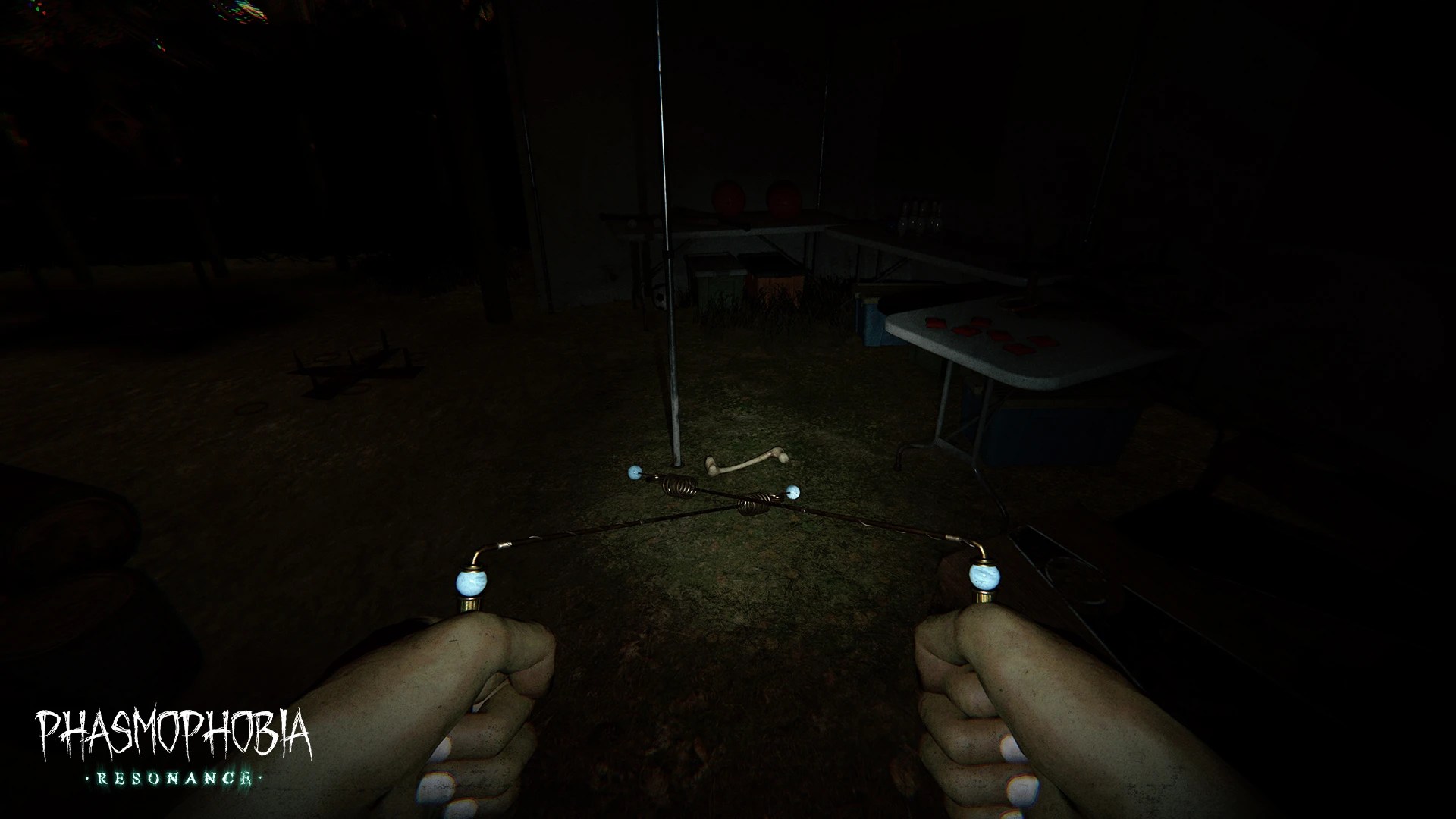
The update introduces a three-tier tool for locating in-game bones, expands recognized voice commands and improves the representation of sounds on the investigation map. Text alternatives allow players to interact without relying entirely on speech recognition. Eight color-vision accessibility settings and Xbox Play Anywhere support also arrive; the latter carries progress across compatible Xbox and Windows devices. Steam purchases should not be assumed to include a separate Xbox entitlement.
A foundation for version 1.0
Engine maintenance rarely generates the excitement of an entirely new game, but it can determine how reliably a project grows. Comparable engineering considerations appear in our coverage of Godot’s 4.8 beta, Unity’s development tooling, Black Mesa’s lighting overhaul and SteamOS graphics compatibility. With full release planned for 2027, Phasmophobia’s next test is how the migrated engine behaves across real player hardware, particularly during longer multiplayer sessions.
Featured image: official Resonance lighting screenshot, © Kinetic Games.
We volunteer daily to ensure the credibility of the information on this platform is Verifiably True. If you would like to support to help further secure the integrity of our research initiative, please scan the QR code below.



Leave a Reply