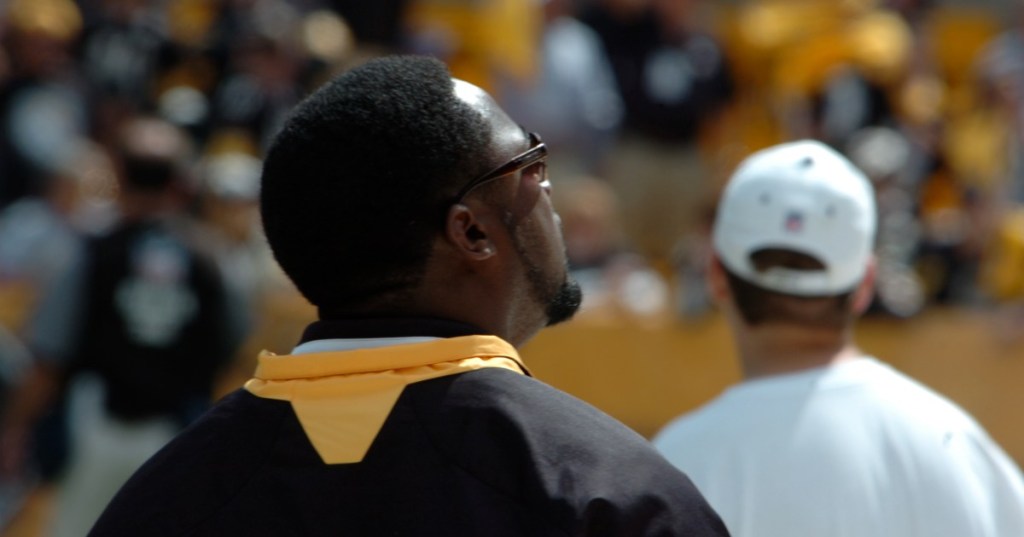
Sports editorial: Great football coaches are remembered for what they build. Mike Tomlin deserves recognition for something equally important: his willingness to step away from what he built when he believed the players might benefit more from a new leader. His explanation of his departure from Pittsburgh offers a powerful example of servant leadership, in which the responsibility to others matters more than possession of a prestigious position.
On January 13, 2026, Tomlin announced his decision to step down after 19 seasons as head coach of the Pittsburgh Steelers. Months later, in a November 12 conversation on Not Just Football with Cam Heyward, he explained why leaving the organization could represent another way of serving it.
Reader-supplied video clip for further context. The full interview is also included below.
The game is bigger than the coach
As reported by TWSN, Tomlin cited Barry Sanders and Calvin Johnson, better known as Megatron, as players whose decisions to leave the sport commanded his respect. Both departed while they still possessed extraordinary ability. What impressed Tomlin was their awareness that a career does not have to end only when the game forces someone out.
Football rewards competitiveness, confidence and the determination to persevere. Those qualities can become liabilities, however, when an individual begins treating a position as something owed to him. Tomlin’s account suggests that he regarded the head coaching role as a responsibility temporarily entrusted to him, not an entitlement to retain indefinitely.
Nineteen years of responsibility
According to the NFL’s account of his departure, Tomlin finished with a 193-114-2 regular-season record, an 8-12 postseason record and a Super Bowl championship. Pittsburgh never finished below .500 during his tenure. Yet the club’s later playoff disappointments were legitimate concerns. Tomlin acknowledged that the history accumulated under his leadership could become a burden for players who deserved a fresh opportunity.
Full November 12 interview: Not Just Football with Cam Heyward. The discussion about stepping down begins around 6:37, with Tampa Bay discussed around 11:17 and his hopes for Pittsburgh around 13:43.
Wanting the championship for someone else
Tomlin’s perspective was informed by his experience coaching defensive backs in Tampa Bay. Tony Dungy helped build a championship-caliber defense, and Jon Gruden subsequently led the Buccaneers to their first title in the 2002 season. The achievement depended on the contributions of both regimes. A coaching transition does not guarantee a championship, but it can create new possibilities.

Tomlin specifically expressed his desire for Cameron Heyward and T.J. Watt to experience a championship, even if he were no longer their coach. He had already experienced the celebration himself. The distinction is profound: he wanted the reward for his players more than he needed to be present when they received it.
Our earlier coverage of Tomlin’s life beyond coaching, Calvin Johnson’s football legacy, great defensive players and defensive football strategy examines other dimensions of excellence in the sport.
No coach is beyond criticism, and Tomlin’s record should be evaluated fairly. Nevertheless, leadership is not measured exclusively by winning while in command. Sometimes its most revealing test is whether a leader can relinquish command and sincerely hope the people he leaves behind accomplish more without him. That is why Mike Tomlin deserves to be remembered as a servant of football.
Featured photograph: SteelCityHobbies, Wikimedia Commons, CC BY 2.0, cropped from the 2007 home opener.
We volunteer daily to ensure the credibility of the information on this platform is Verifiably True. If you would like to support to help further secure the integrity of our research initiative, please scan the QR code below.



Leave a Reply