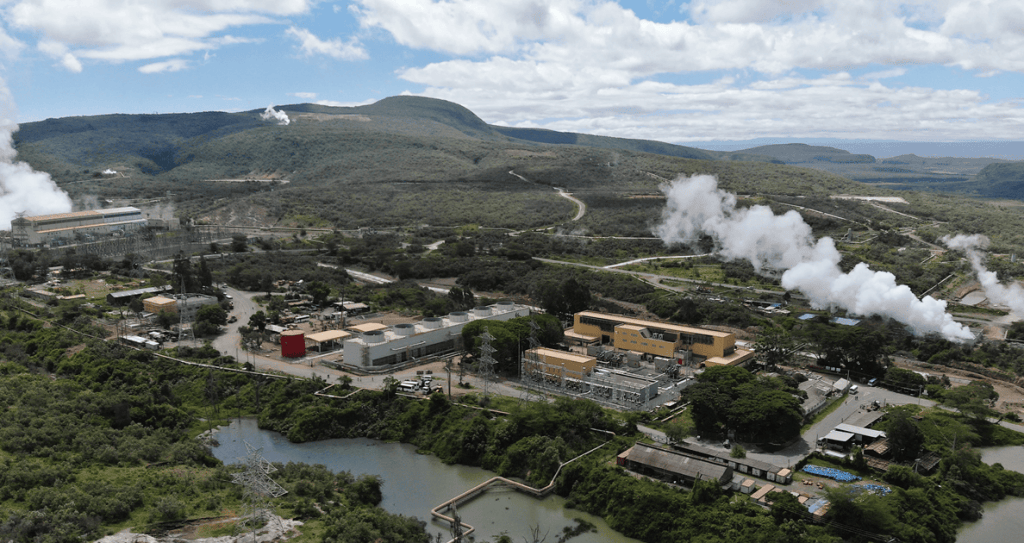
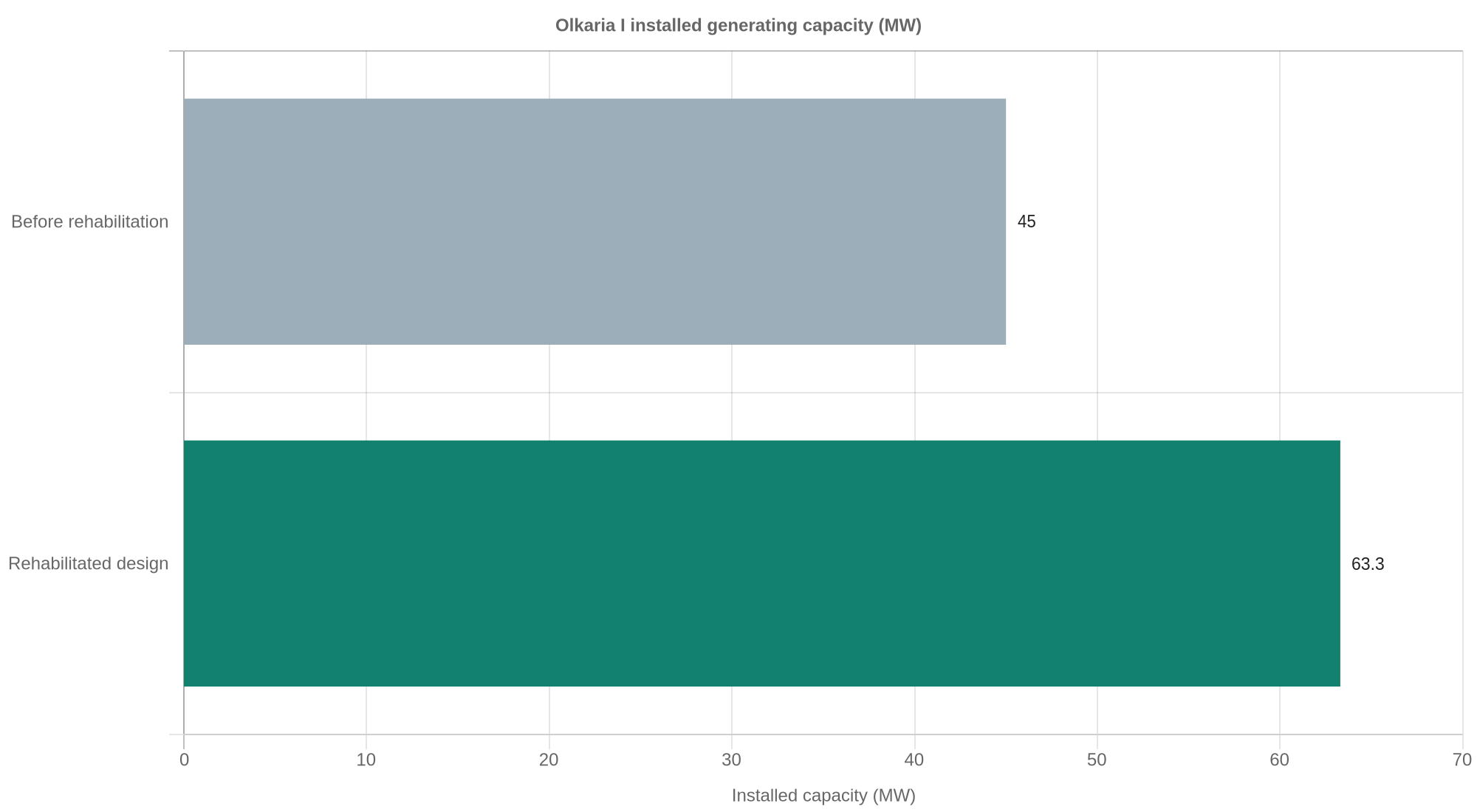
Kenya Electricity Generating Company (KenGen) has completed rehabilitation of the original three generating units at Olkaria I, the country’s oldest geothermal power station. On November 25, 2026, Kenya News Agency reported that the plant was undergoing trials ahead of a formal commissioning scheduled for December 7. The upgrade raises installed capacity from 45 MW to 63.3 MW according to the operator’s project specification. Unlike the new installation planned for Alaska’s Pilgrim Hot Springs, Olkaria restores and improves existing generating infrastructure.
An 18.3 MW increase in installed capacity
The difference between the old and rehabilitated plant ratings is 18.3 MW, equivalent to a 40.7% increase. The entire 63.3 MW is the restored plant’s specified capacity, not an incremental increase over its original 45 MW rating. The distinction matters because a plant returning from an outage can contribute its full restored generation to the grid while its long-term capacity increase is considerably smaller. Published November reports describe trial operation rather than providing a complete dispatch record.
If the additional 18.3 MW were sustained throughout a 365-day year, it would yield approximately 160.3 GWh of additional electrical energy. Actual generation will depend on available steam, maintenance and dispatch. The calculation represents an upper-bound scenario, not a forecast. Geothermal projects such as Fervo’s Cape Station development similarly require careful separation of equipment ratings from electricity delivered to the grid.
Replacing turbines without rebuilding the entire steam field
KenGen selected SEPCOIII as its engineering, procurement and construction contractor in 2024. Toshiba’s March 19, 2024 release specifies replacement steam turbines and generators for three units, each originally rated at 15 MW and subsequently designed for approximately 21 MW. Updated turbine designs seek greater electrical output with less steam. A precise plant-level efficiency improvement requires measured steam conditions and electrical output, neither of which is established by capacity ratings alone.
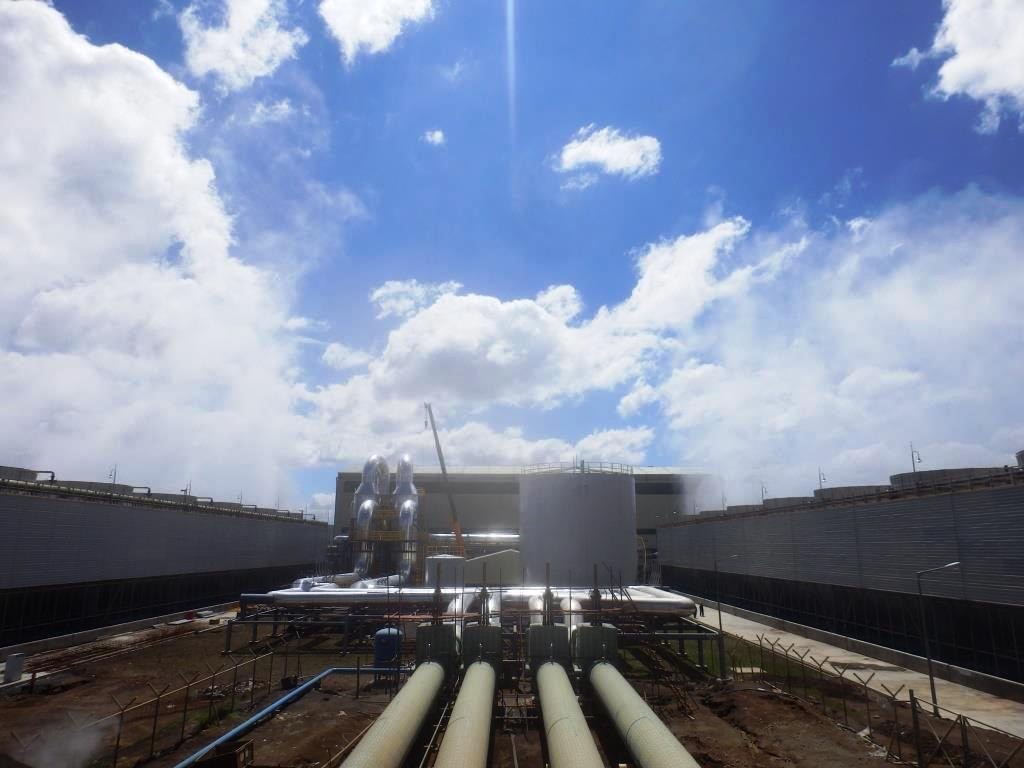
Geothermal steam carries thermal energy from underground reservoirs to surface equipment. Turbines convert steam expansion into shaft rotation, driving electrical generators. The rehabilitation also covers steam gathering and electrical distribution, including a gas-insulated substation. Surface infrastructure upgrades differ from the drilling challenges documented at Mazama’s superhot rock exploration.
Extending the life of an industrial power asset
KenGen intends the rehabilitation to extend the station’s operating life by more than 25 years. The operator is also developing an industrial energy park near Olkaria, where geothermal electricity and steam could support manufacturing. No dedicated Bitcoin mining or AI customer was announced for the rehabilitated units. Reliable geothermal procurement remains relevant to computing, as shown by Google’s proposed Oregon geothermal supply. Olkaria demonstrates how modernizing established thermal infrastructure can recover generating capacity without treating every existing facility as obsolete.
Featured photograph: SEPCO3, via ThinkGeoEnergy’s October 30, 2026 report.
We volunteer daily to ensure the credibility of the information on this platform is Verifiably True. If you would like to support to help further secure the integrity of our research initiative, please scan the QR code below.

For mobile scanning, open the article on another display and scan the QR code with a Bitcoin wallet. The voluntary donation amount is 5,000 sats. Verify the receiving address 3C9o19EH5HSiwEPyCTmEKzxhNCbo2X6TTb before sending.
BitcoinVersus.tech is not a financial advisor. This media platform reports on financial subjects purely for informational purposes.


Leave a Reply