
Ukraine’s parliament approved bill No. 10225-d on November 25, 2026, establishing a framework for virtual-asset markets and taxation. The Verkhovna Rada’s official announcement identifies customer asset protection and division of supervisory responsibilities as central components. Hromadske reported 271 affirmative votes and an anticipated July 2027 implementation date. The official legislative register still listed the measure as being prepared for signature when consulted November 29. Parliamentary passage is not the same as commencement. Like Zambia’s custody framework, Ukraine’s measure addresses the responsibilities of intermediaries, not Bitcoin’s consensus rules.

Two supervisory authorities, separate technical responsibilities
The parliamentary announcement identifies the National Securities and Stock Market Commission and National Bank of Ukraine as the relevant regulators. An exchange operator combines several systems: an order-matching engine, customer account records, payment interfaces and blockchain transaction infrastructure. Each system has separate failure modes. An order can execute in an exchange database without creating a Bitcoin transaction, whereas a withdrawal ordinarily requires an authorized transaction broadcast to the network. The market framework therefore concerns commercial conduct and financial controls beyond blockchain validation. Our Vietnam exchange reporting coverage describes related requirements in a different jurisdiction.
Customer assets and signing authority
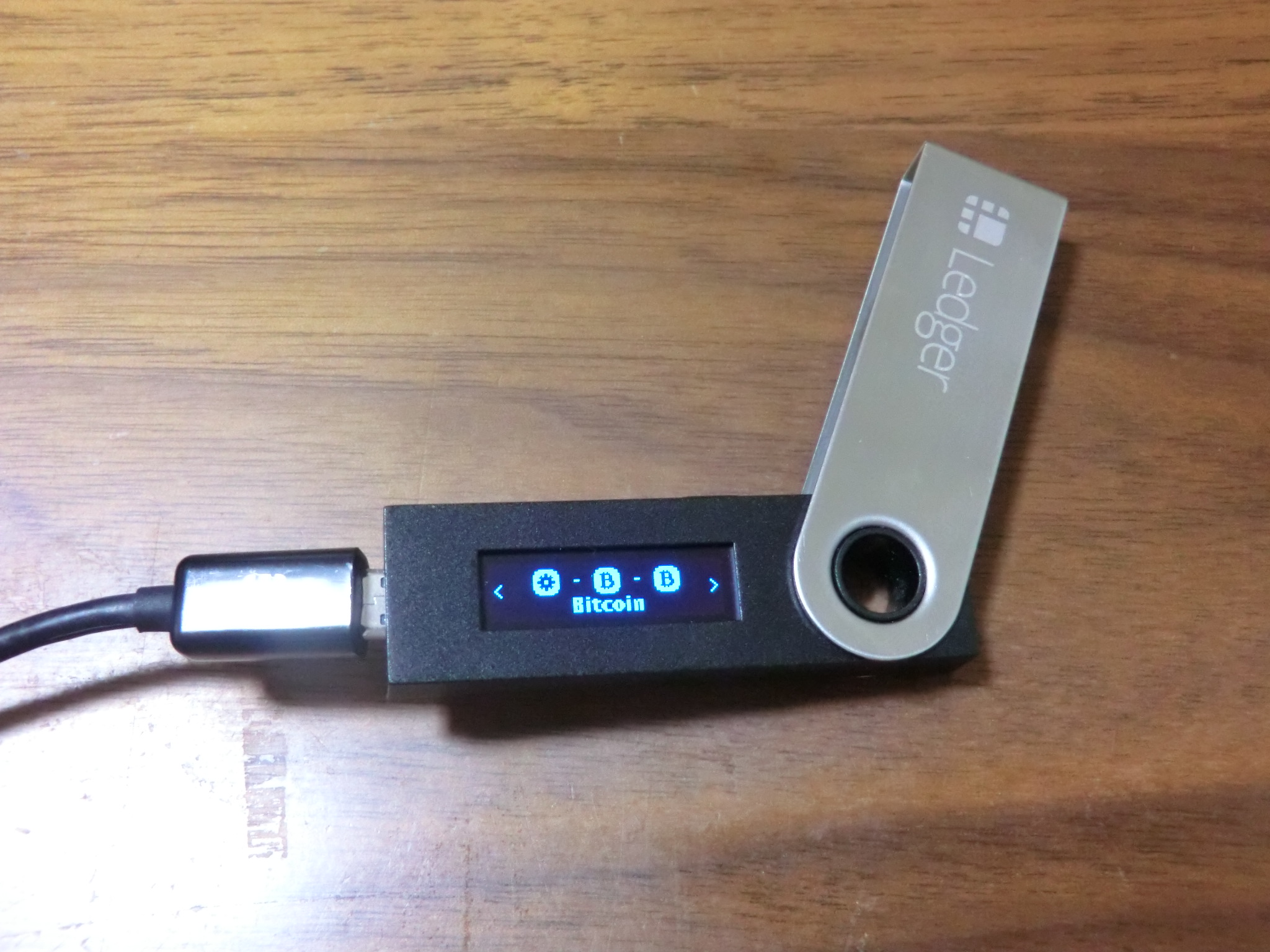
Asset segregation requires identifying which balances belong to customers rather than the service provider. A Bitcoin custodian can reconcile its internal liabilities against controlled unspent transaction outputs, but an on-chain balance alone does not establish beneficial ownership. The operator also needs reliable customer records, access controls and procedures for recovery. A hardware wallet offers an example of separating transaction signing from ordinary application functions. It does not by itself establish an institutional custody policy.
Tax calculations require transaction records
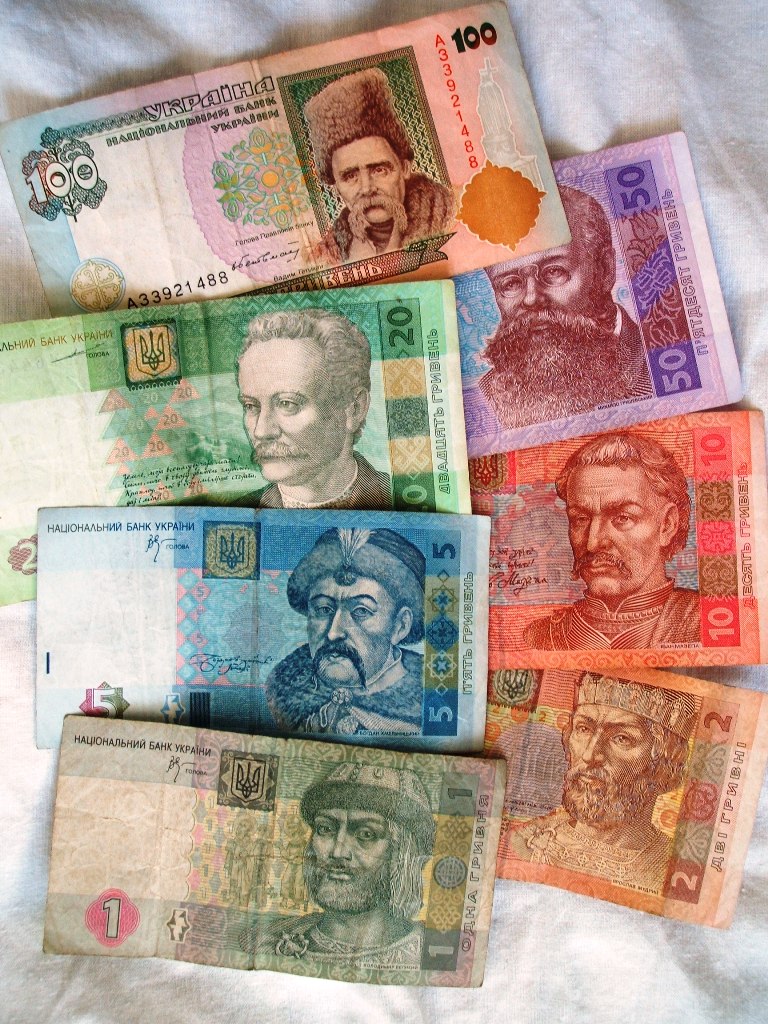
Hromadske attributes the planned standard 18% personal income tax and 5% military levy to a member of parliament’s tax committee. A transitional preferential income-tax rate of 5%, alongside the levy, was also reported. Eligibility and calculation details depend on the final legal text and implementation rules. For illustration, if a taxable gain of 10,000 hryvnias were subject to the combined standard 23% rate, the arithmetic liability would be 2,300 hryvnias. The example assumes an established taxable gain, not gross sale proceeds, and is not individual tax advice. A transaction record may need acquisition costs, timestamps, exchange rates, disposal proceeds and fees. Accurate bookkeeping is distinct from Bitcoin’s immutable transaction history.
Bitcoin and stablecoins must not be counted together
A November 17 Chainalysis research report estimated $12 billion in cross-border wallet-to-wallet stablecoin remittance flows into Ukraine during its study period. The estimate concerns stablecoins, not Bitcoin transfers or nationwide Bitcoin ownership. Distinguishing assets and transaction types is necessary when evaluating usage and compliance. Providers may also need a separate secure information exchange layer for compliance records, as explored in our Vanuatu transfer reporting analysis.
The legislative record remains the appropriate reference for signature and commencement. Readers can also consult Parliament’s second-reading comparison document on the official portal. Ukraine’s framework governs commercial digital-asset activity; it does not establish a sovereign Bitcoin reserve like the proposal examined in our United States reserve bill coverage. No new licensed exchange count, deployed custody architecture or realized tax revenue is established by the vote alone.
Featured photograph: Verkhovna Rada building, December 2012, Волтарс / Wikimedia Commons, CC BY-SA 4.0, cropped to 1200 by 630 pixels. Credited photographs and primary document links are provided instead of untested interactive embeds.
We volunteer daily to ensure the credibility of the information on our platform is Verifiably True. If you would like to support our independent research, please scan the QR code below.



Leave a Reply