Bitcoin custodians operating in Zambia face a formal licensing and asset-protection framework under the Bank of Zambia’s September 18, 2026 virtual-asset directives. A November 19 legal analysis by Mulenga Mundashi Legal Practitioners explains how Gazette Notice 1439 replaces preliminary registration with licensing and continuing oversight. The development follows a separate regulatory transition in neighboring Zimbabwe. Zambia’s rules offer a particularly important distinction between a customer’s Bitcoin and the assets owned by a company holding Bitcoin on the customer’s behalf.
What asset segregation means for Bitcoin
Directive 22 of the published regulatory text requires custodians to retain enough of each asset type to satisfy customer obligations, implement access controls involving multiple users and keep customer assets separate from their own holdings. Customer holdings are protected from claims by the provider’s creditors under the provision. Custody of assets classified as securities or investment instruments falls under a separate regulatory authority.
Consider an illustrative exchange with customers collectively entitled to 20 BTC and a corporate treasury containing another 5 BTC. Its customer custody system should account for the 20 BTC independently of the 5 BTC corporate balance. If customers request a combined withdrawal of 3 BTC, the customer’s remaining aggregate entitlement becomes 17 BTC after settlement, assuming no additional deposits, fees or other adjustments. The example does not represent a measured Zambian company’s balance sheet.
Wallet architecture matters because a public Bitcoin address reveals transactions, not the legal identity of the asset owner. A custodian must reconcile its customer liability ledger against the unspent transaction outputs it controls. A multisignature wallet, role-based permissions and independent transaction approvals could support multi-user controls, although the directive does not prescribe a particular Bitcoin signature threshold. Our report on Bitcoin Core wallet privacy research examines how network activity can reveal information beyond an address balance.
Lightning developers in Lusaka and Livingstone
The regulatory development arrives alongside earlier community-led software education. Bitcoin for Fairness documents a May 16 workshop at ZCAS University in Lusaka, where participants explored open-source development and Lightning tools, including locally developed projects Bit2Kwacha and ZamPOS. A May 19 meetup also introduced peer-to-peer trading concepts. The account comes from an organization supporting the events, rather than an independent nationwide adoption survey.
Lightning enables payments through channels anchored in Bitcoin transactions. A merchant can use software that manages its own keys or a service provider that manages balances on its behalf. Those models produce different security and regulatory considerations. The distinction is relevant to our coverage of BTCPay Server’s restricted Lightning connections. Zambia’s local Bitcoin Zambia Academy provides further educational material. Two independent creator videos explore grassroots use: 24 hours using Bitcoin in Livingstone and Bitcoin payments and village education. Both date to April 2026 and do not document the September directives. Original video links replace untested in-page players.

From registration to operational oversight
The Bank of Zambia had previously requested registration by March 27, as documented by Zambia Monitor. The September directives move beyond registration. They require business planning, systems documentation, risk controls and annual audited financial statements within three months of the financial year ending. As demonstrated by Czechia’s central bank custody experiment, institutional access involves more than purchasing Bitcoin. Zambia’s licensing framework likewise addresses the organizations surrounding the network, without changing Bitcoin’s consensus protocol. The sources do not establish a national Bitcoin reserve, legal-tender status or a verified total of newly licensed operators.
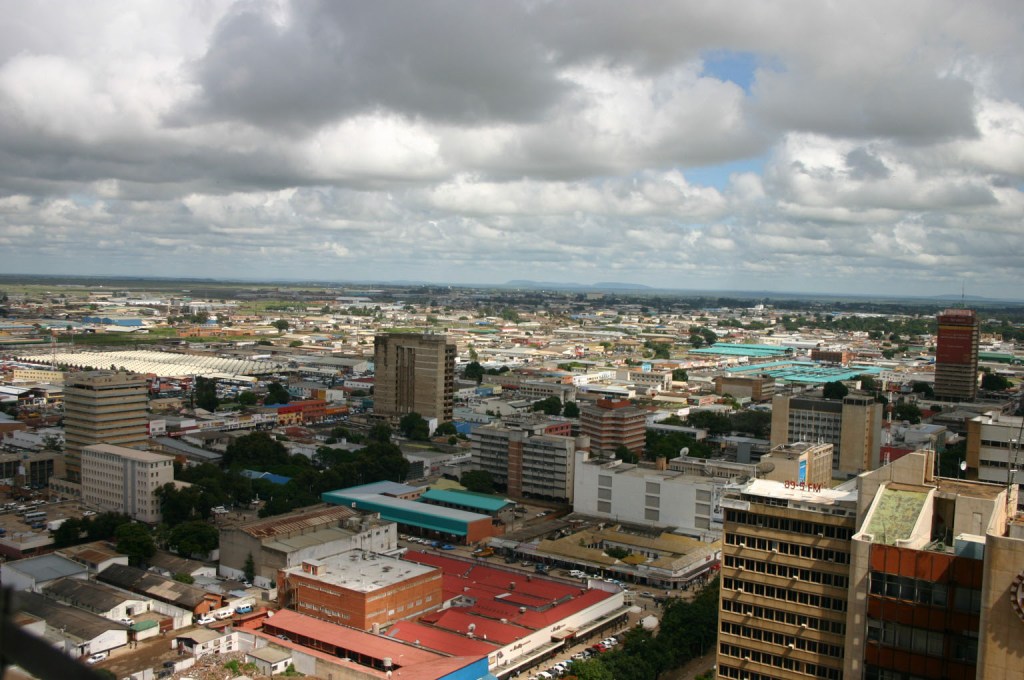
Featured photograph: Lusaka skyline, February 2008, Alex Mukuka / Wikimedia Commons, CC BY-SA 4.0. Historical context.
We volunteer daily to ensure the credibility of the information on our platform is Verifiably True. If you would like to support our independent research, please scan the QR code below.



Leave a Reply