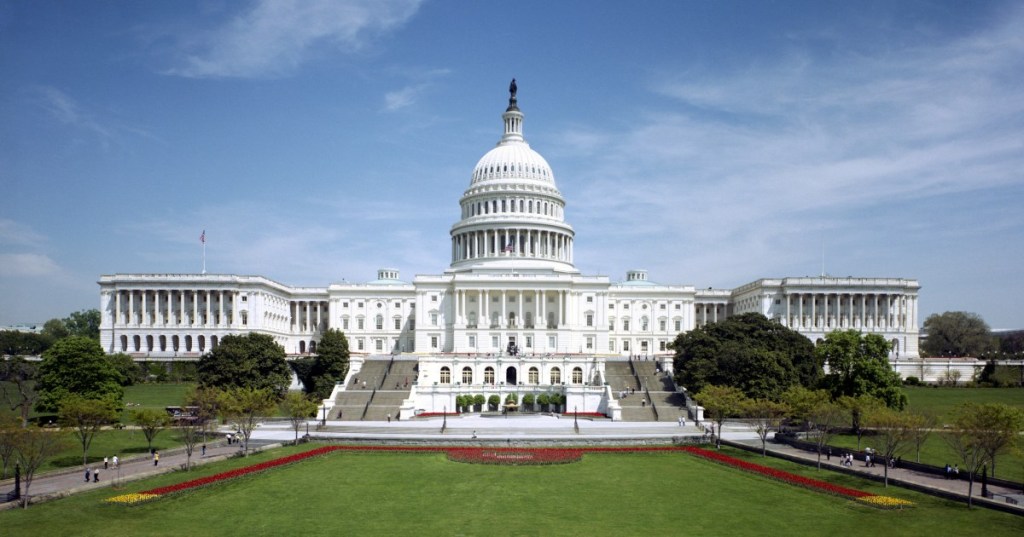
A proposal to place the United States Strategic Bitcoin Reserve on a statutory foundation advanced on November 24, 2026, when the House Financial Services Committee reported an amended version of H.R. 8957, the American Reserve Modernization Act. The measure entered the House Union Calendar as No. 789. Its provisions address the management of qualifying federal Bitcoin, custody security, reserve auditing and long-term asset retention. The legislation remains a proposal, not an enacted law. It provides a different approach to sovereign digital-asset custody from Czechia’s central bank experiment.
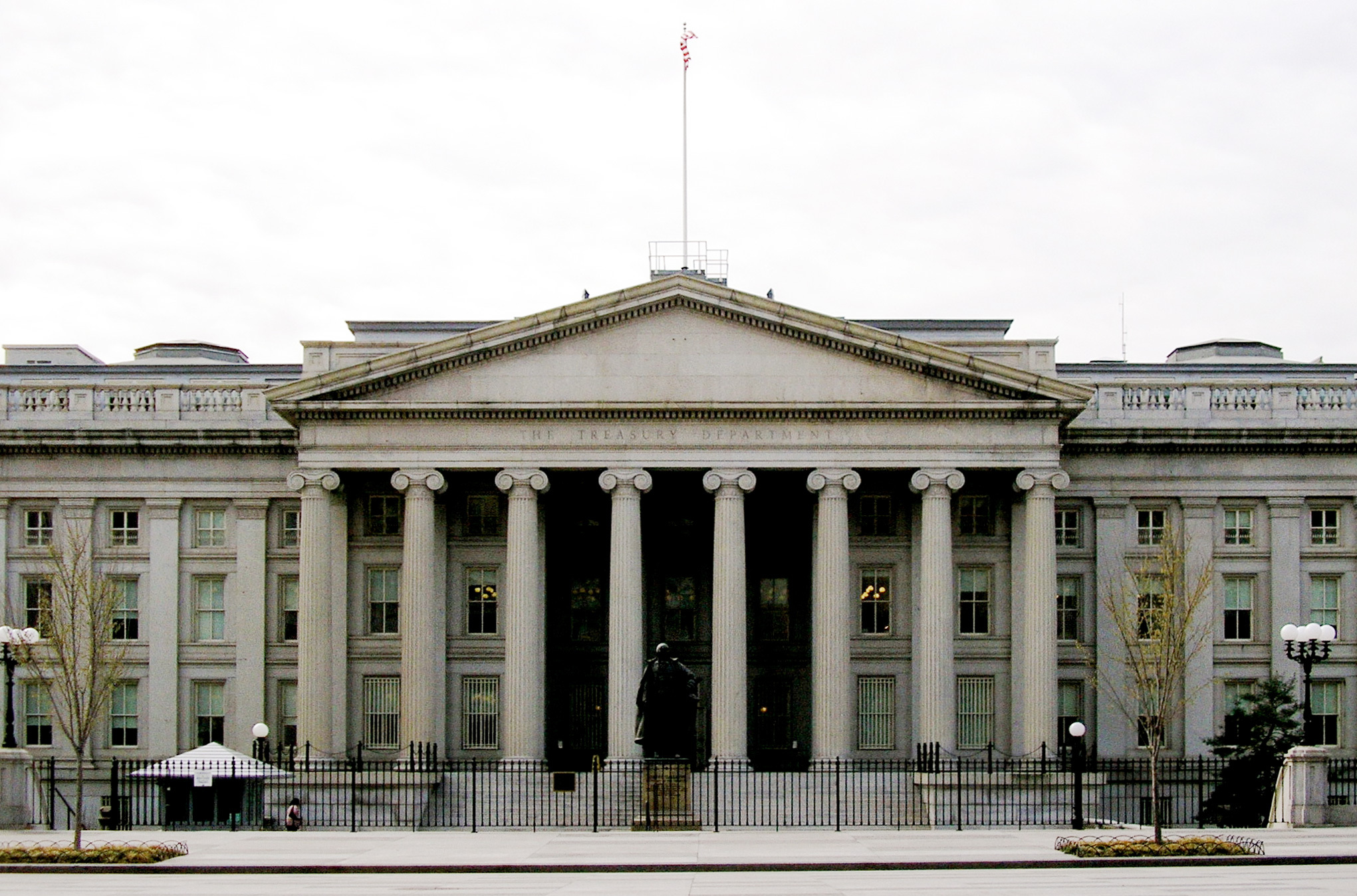
From executive order to proposed statute
President Donald Trump’s March 6, 2025 executive order directed Treasury to administer a reserve containing eligible government Bitcoin, primarily assets obtained through final forfeiture or civil penalties. H.R. 8957 would establish a reserve and a separate stockpile for other digital assets within 180 days of enactment. Federal agencies would provide an inventory within 60 days and annually thereafter. Existing statutory and court-ordered obligations, including restitution, remain relevant to the eligibility of assets.
The cryptographic proof-of-reserve requirement
Section 6 of the reported bill specifies public cryptographic attestation, yearly disclosures describing holdings and key control, independent verification by a specialist auditor, and Comptroller General oversight. A possible technical implementation would identify eligible unspent transaction outputs at a specified block height and verify evidence that authorized custodians control the corresponding spending conditions. An auditor would also reconcile those outputs with legal ownership records. A blockchain balance alone cannot establish that an institution owns every coin attributed to it. Our Zambia custody analysis explores a comparable accounting distinction.
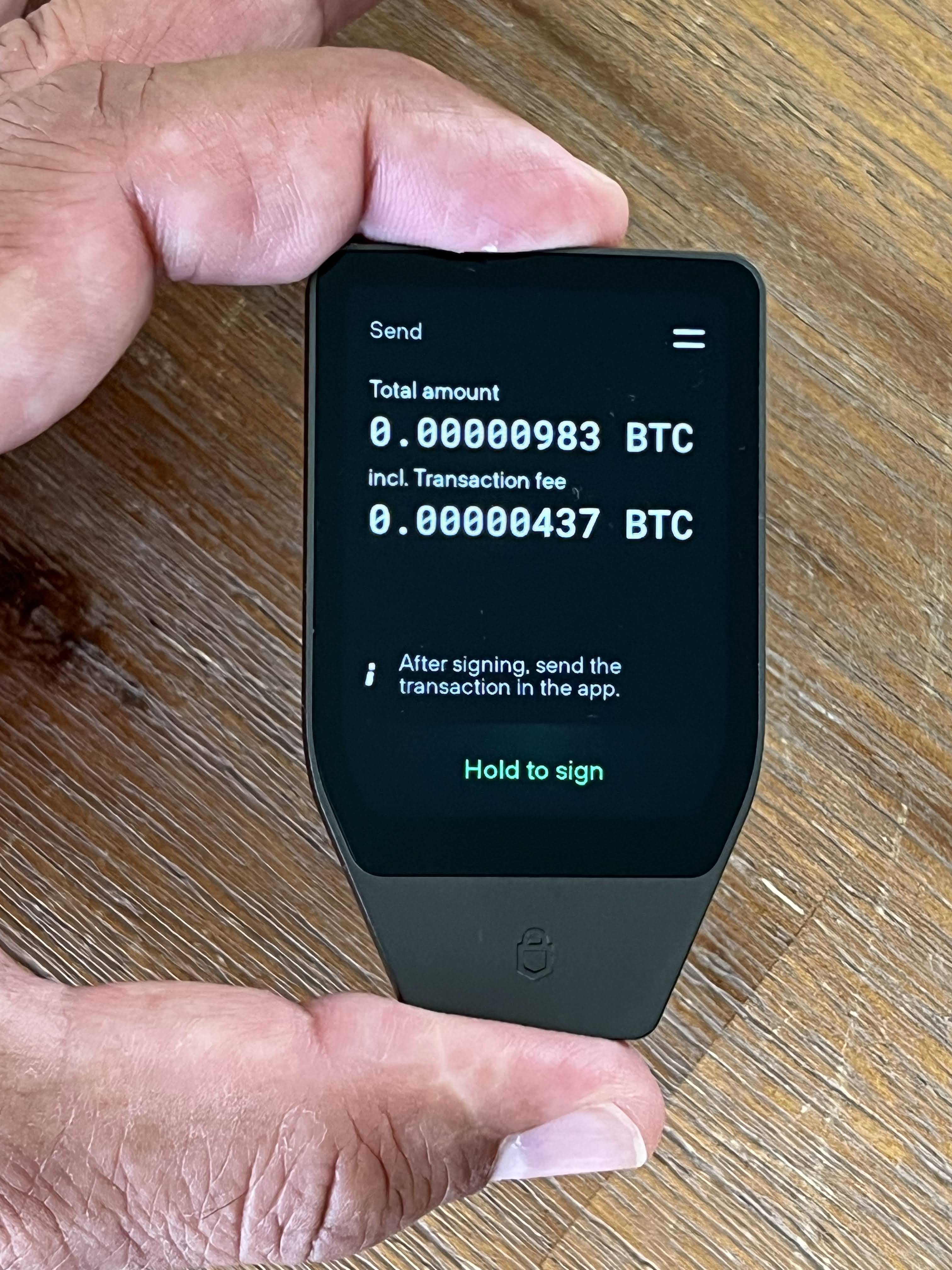
A signed challenge can demonstrate key control without disclosing a private key. However, institutional custody must also address recovery, succession of authorized personnel, hardware failure, access logs and protection against unauthorized transactions. Multisignature policies can require several independent approvals, while geographically separated backups may reduce a single location’s failure risk. These are illustrative engineering options, not government implementation details. Privacy also matters: our Bitcoin wallet privacy research coverage explains how network observations can reveal additional information.
Twenty years of custody and operational continuity
Section 5 proposes retaining reserve Bitcoin for at least 20 years from enactment, prohibiting disposal or encumbrance during that period. Treasury would study potential early-sale exceptions and submit later recommendations concerning the reserve. Maintaining secure access for decades requires documented succession and tested recovery processes, rather than simply preserving a particular storage device. The proposal does not prescribe a wallet manufacturer or announce a measured reserve balance. It also differs from the investment and custody disclosures discussed in our Vatican monetary-system report.
Supporters of statutory retention argue that it creates continuity across administrations; critics raise questions about price volatility, opportunity cost and government exposure to digital assets. Readers can examine the competing arguments in the September 16 House committee hearing recording and transcript. The November 24 action does not constitute final House passage, Senate approval or presidential signature. No acquisition, new reserve balance or implemented cryptographic audit should be inferred from the committee report alone.
Featured photograph: Architect of the Capitol, 1997, public domain, cropped to 1200 by 630 pixels. The official bill and hearing are linked directly; embedded playback has not been independently tested.
We volunteer daily to ensure the credibility of the information on our platform is Verifiably True. If you would like to support our independent research, please scan the QR code below.



Leave a Reply