
Yemen’s financial system is pursuing electronic payment modernization while its central bank restricts the use of Bitcoin by regulated institutions. An October 2026 economic review by the Sana’a Center for Strategic Studies describes the launch of the Yemen Payments and Clearing Company in August. On September 15, the Central Bank of Yemen in Aden separately issued Circular No. 1 of 2026, reference CBY/L/258/2026, prohibiting supervised banks and payment businesses from engaging in cryptocurrency-related activities. The parallel developments illustrate a distinction between digitizing national money and adopting decentralized assets, contrasting with Zambia’s approach to virtual-asset custody.

The central bank’s seven prohibitions
The five-page circular explicitly includes Bitcoin and stablecoins in its definition of virtual assets while excluding digital representations of conventional fiat currency and securities. Section three lists seven categories of prohibited institutional activity, including trading, custody, payment settlement, services to virtual-asset businesses and commercial partnerships facilitating prohibited services. The circular also directs institutions to strengthen internal risk controls and report suspicious activity. Its final section makes the instructions effective from issuance. The scope is supervised financial institutions, their branches, agents and associated services; the document alone does not establish a universal criminal prohibition on private possession of Bitcoin.
Unlike Zimbabwe’s virtual-asset licensing framework, Yemen’s circular restricts regulated entities from offering the covered services. The regulatory distinction concerns financial intermediaries and their activities rather than changes to Bitcoin’s software.
Two different settlement architectures
The World Bank’s June 2025 financing announcement describes plans for fast payments, real-time gross settlement and modernization of central banking infrastructure. A real-time gross settlement system settles individual financial obligations using balances maintained by an authorized settlement institution. Bitcoin instead validates transactions against a distributed record maintained by independent nodes. Settlement confidence generally increases as blocks accumulate. A Lightning payment uses a separate channel-based mechanism ultimately anchored in Bitcoin; our BTCPay Server coverage describes the software infrastructure involved. Neither the World Bank program nor the central bank’s modernization project is evidence of a Bitcoin implementation.
The UNDP project lists 10,761 electronic-payment beneficiaries in 2025 and targets one million by 2030. That represents approximately 93 times the reported baseline, not an achieved increase. The project also targets 500 merchants accepting electronic payments and roughly 488,000 active electronic wallets by 2030. An electronic wallet in a regulated fiat payment system can represent a claim on an issuer; a Bitcoin wallet manages signing credentials. Identical terminology does not imply identical assets or settlement arrangements.

Testing financial technology without customer funds
UNDP’s CBY Fintech Sandbox uses synthetic data to evaluate potential services such as merchant payments and digital onboarding before production deployment. The program reports initial demonstrations and prototype development, with further testing underway. Testing against artificial accounts limits exposure to real customer data and money. Centralized financial experiments have different objectives from Czechia’s central bank digital-asset custody experiment. Yemen’s two policy tracks show how governments can encourage digital financial services while restricting regulated institutions’ participation in cryptocurrency markets. Reliable nationwide Bitcoin ownership and transaction figures were not established by the consulted sources.
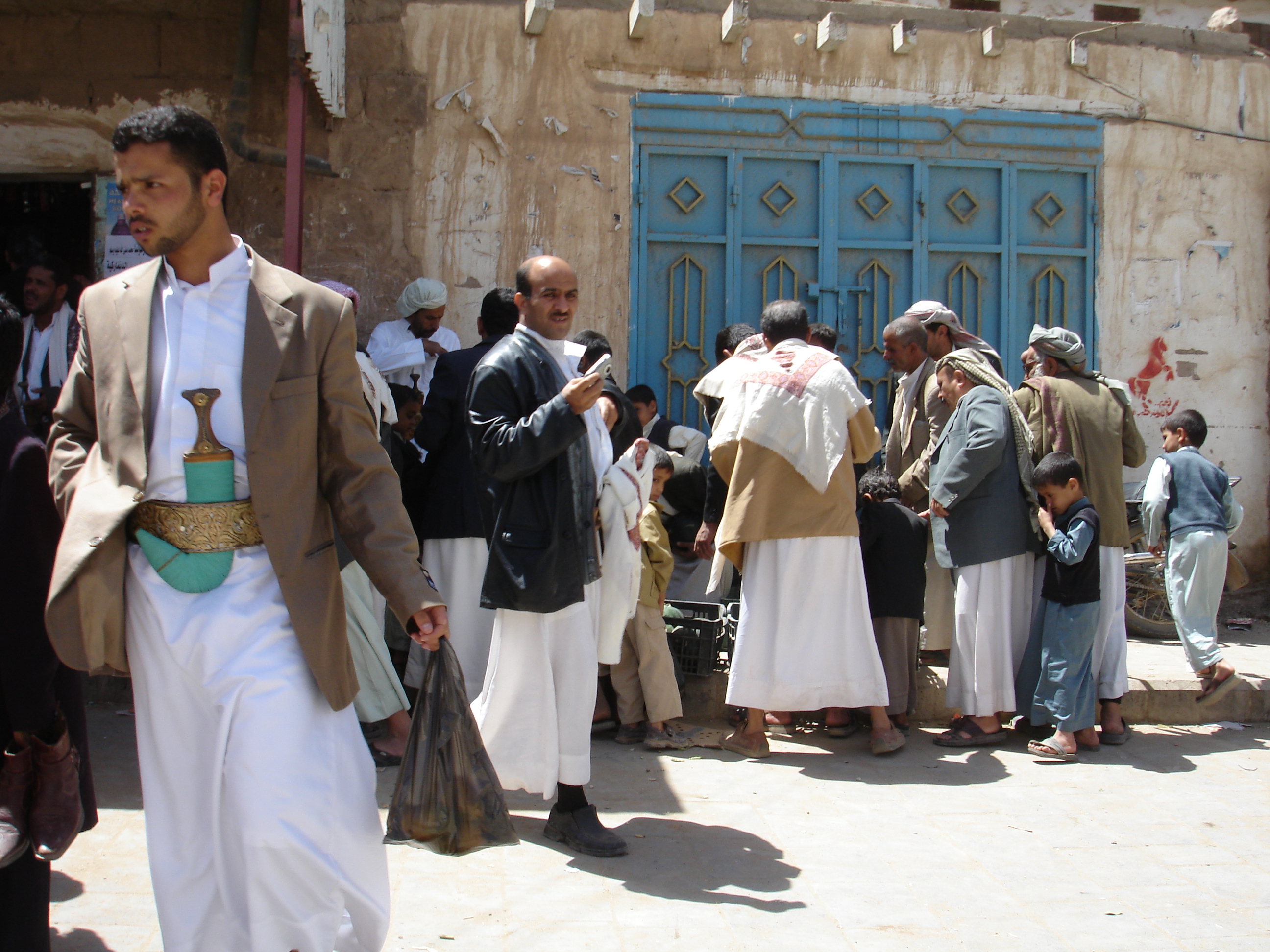
Featured photograph: Aden waterfront, October 2010, T3n60 / Wikimedia Commons, CC BY-SA 3.0. The photographs are contextual; the official circular is supplied as a document link rather than an untested embedded viewer.
We volunteer daily to ensure the credibility of the information on our platform is Verifiably True. If you would like to support our independent research, please scan the QR code below.



Leave a Reply