bitcoin mining
-
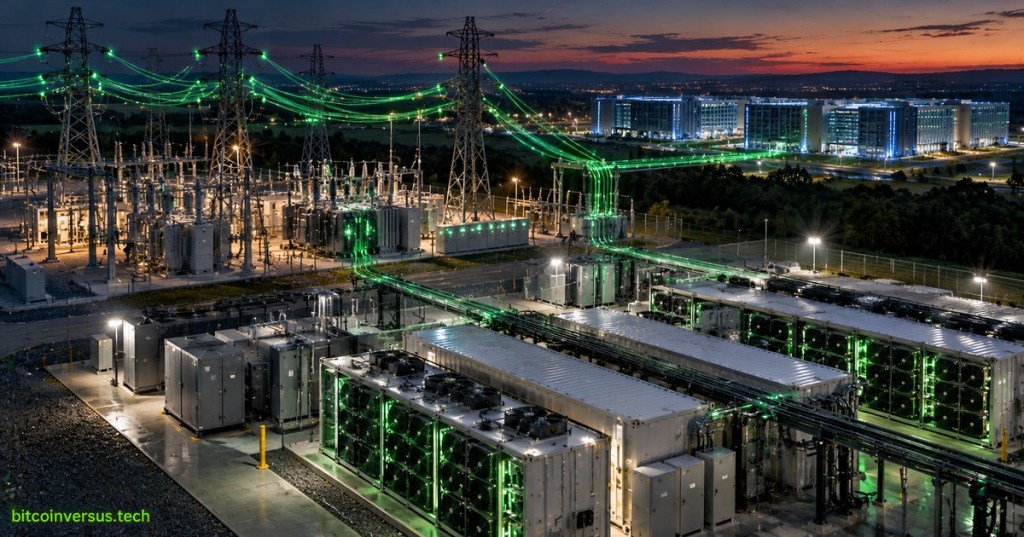
The Digital Power Network is expanding into AI and data-center energy policy while keeping Bitcoin miners at the core, treating mining experience as a blueprint for large-scale compute infrastructure.
-
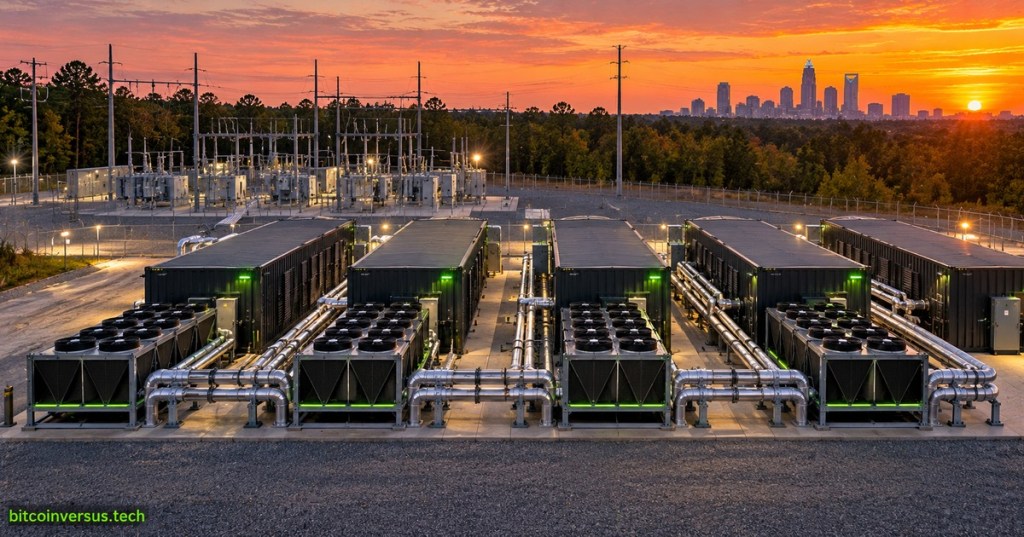
Apexto details an operational 10 MW Charlotte hydro Bitcoin mine built from eight 40-foot containers with 832 serviceable 3U mining slots.
-
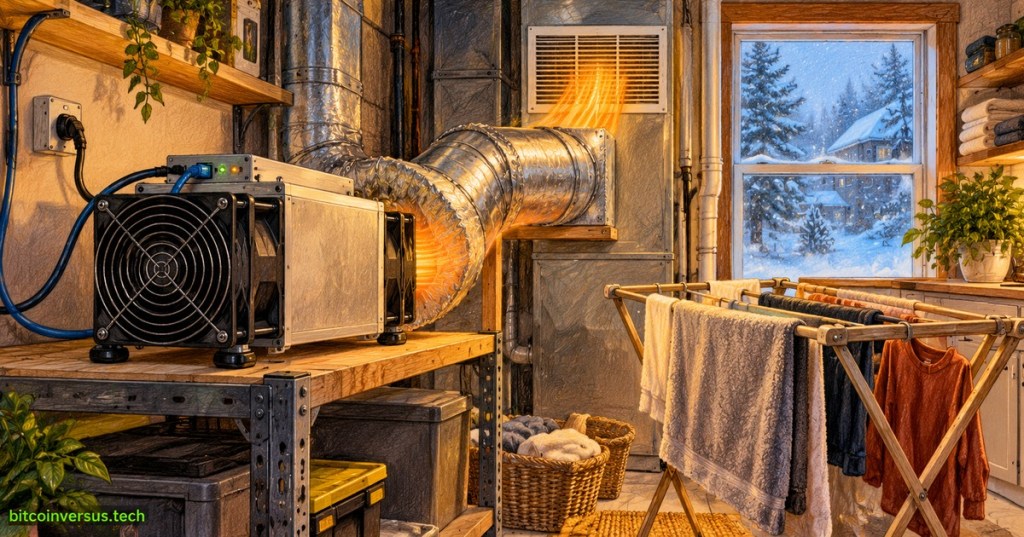
Robert Warren once used a Bitmain S9 to dry laundry and later ducted its mining heat into his home HVAC return—a small-scale example of Bitcoin hash-to-heat.
-
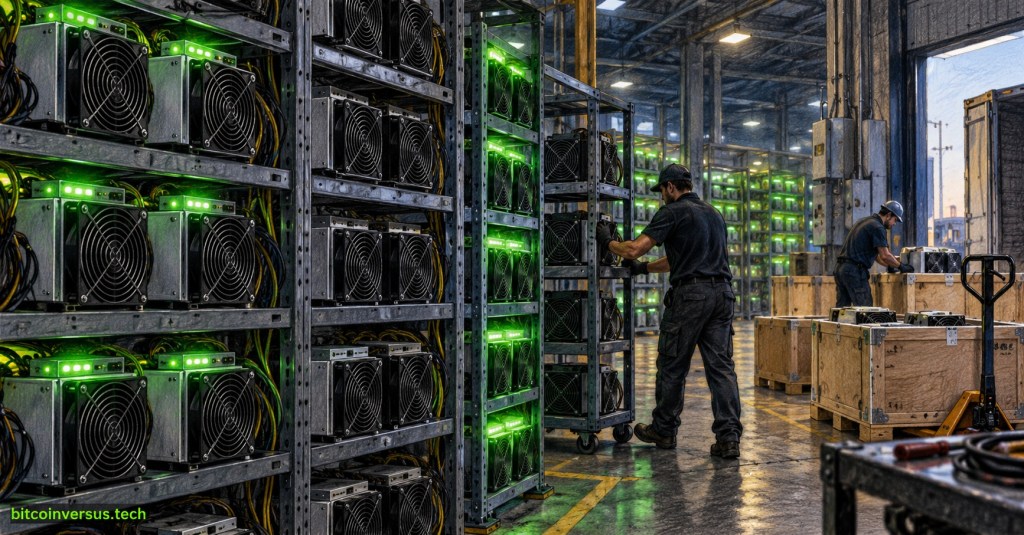
Crypto Blockchain Industries says 150 Antminer S21+ miners were offline in Missouri during September 2026, produced no Bitcoin, and may need relocation.
-
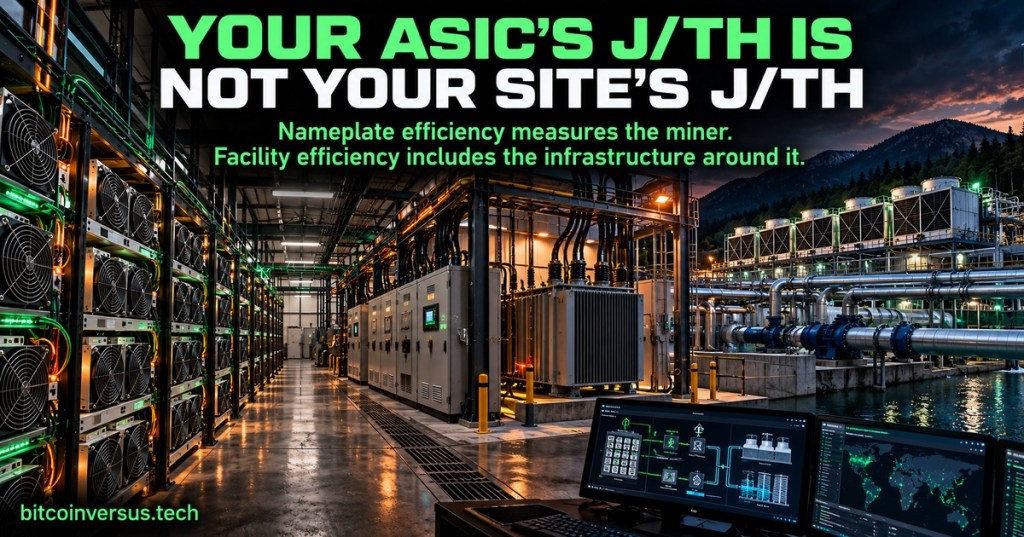
ASIC nameplate J/TH measures the miner, not the entire Bitcoin mining site. Cooling pumps, transformers, switchgear, networking, and other infrastructure can raise whole-site energy per terahash.
-
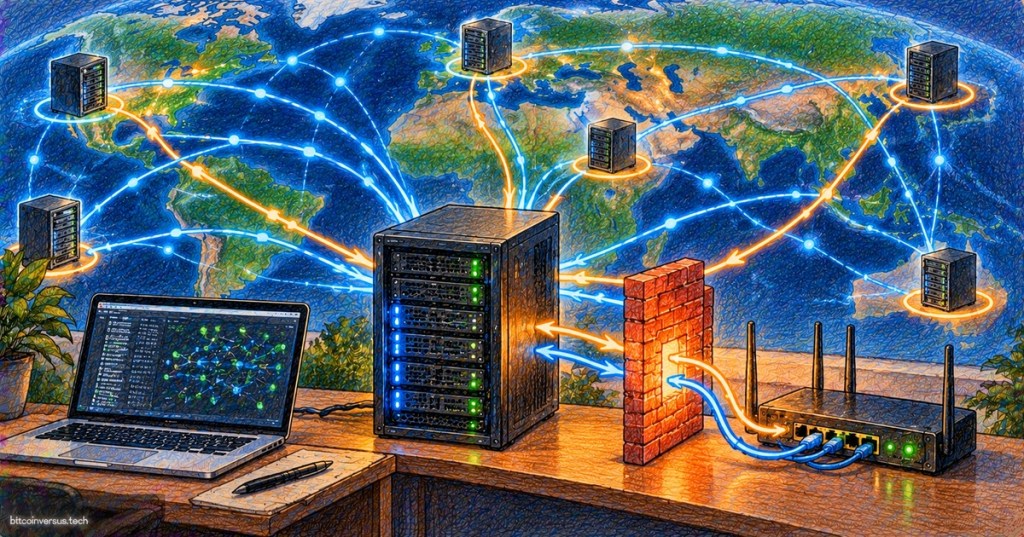
Bitcoin nodes use TCP port 8333 by default to find peers, relay transactions, and spread blocks. Learn how DNS seeds, NAT, port forwarding, firewalls, Tor, IPv6, and Bitcoin Core peer diagnostics fit together.
-
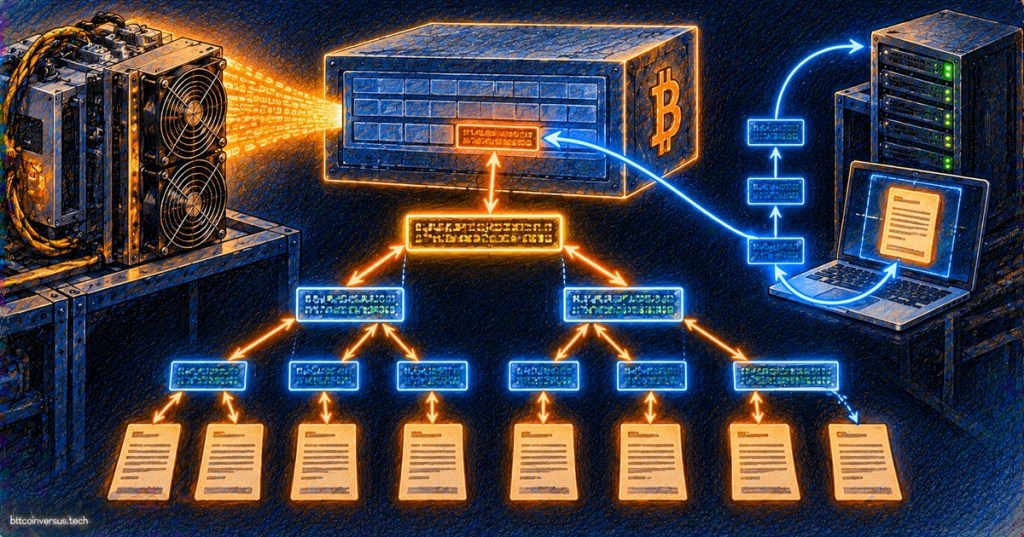
A Bitcoin Merkle root compresses an ordered set of transaction IDs into one 32-byte commitment stored in the block header. Learn how the tree is built, how Merkle proofs work, and why changing one transaction changes mining work.
-
Bitcoin nodes use TCP port 8333 to find peers, relay transactions and blocks, and synchronize the blockchain. Learn how DNS seeds, version/verack, inbound vs. outbound peers, NAT, port forwarding, Bitcoin Core RPC, and P2P v2 transport fit together.
-

Bitcoin’s block subsidy is the newly issued BTC miners can claim in each valid block. Learn why it halves every 210,000 blocks, how it differs from transaction fees, and why each halving reshapes mining economics.
-
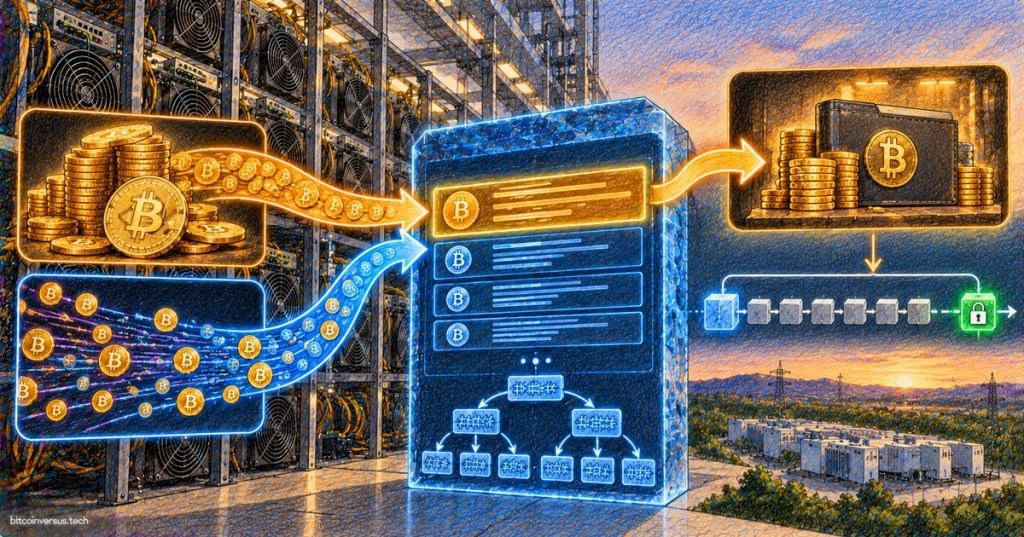
A Bitcoin coinbase transaction is the first transaction in every block and lets the miner claim the block subsidy plus transaction fees. Learn how it works, why it is special, and why its outputs must mature before spending.
-

PowerCompute mined 8.1 BTC in September, up 37% year over year, while using 267.4 BTC to repay a $22.45 million Bitcoin-backed loan and release all pledged Bitcoin collateral.
-
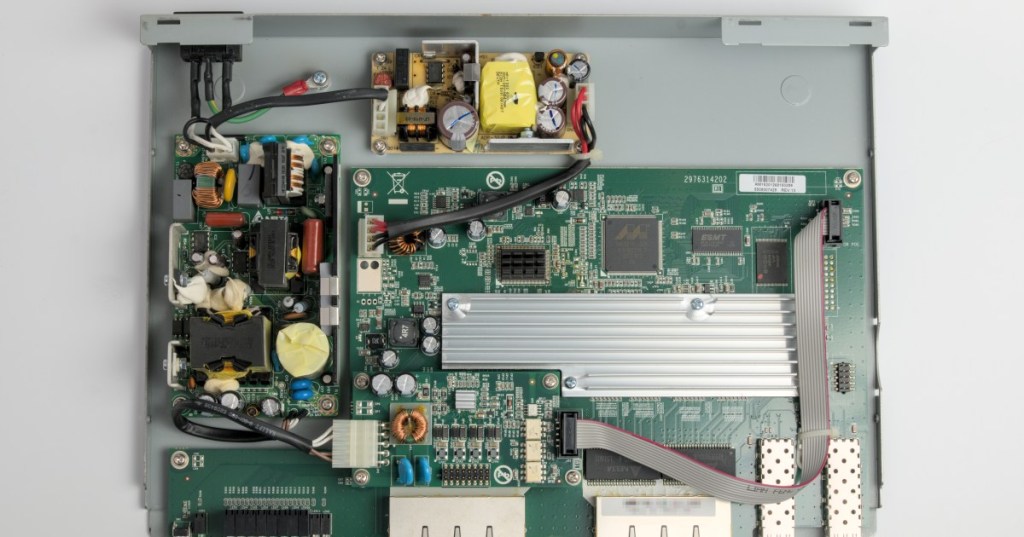
What is Power over Ethernet? Learn why Bitcoin mining sites use PoE for cameras, Wi-Fi and sensors, how PoE standards work, and why ASIC miners need separate kilowatt-class power.

