bitcoin mining
-
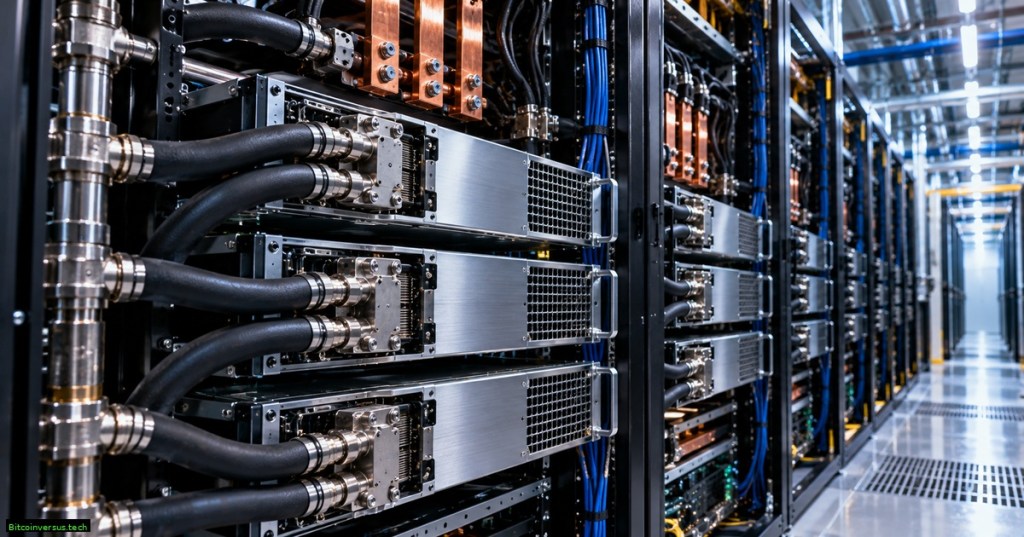
Bitmain’s rack-native S23e U2H packs 865 TH/s into a 2U hydro chassis at 10 J/TH. The November futures batch is sold out after a 50% promotional price cut.
-
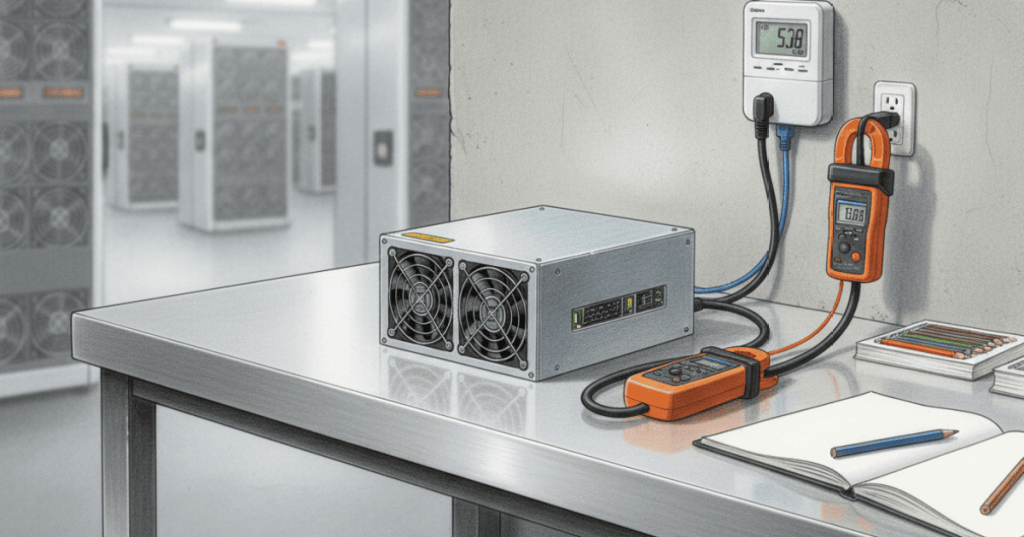
Bitcoin ASIC efficiency can change depending on where power is measured. Here is how nameplate, wall and facility J/TH differ—and why miners should care.
-
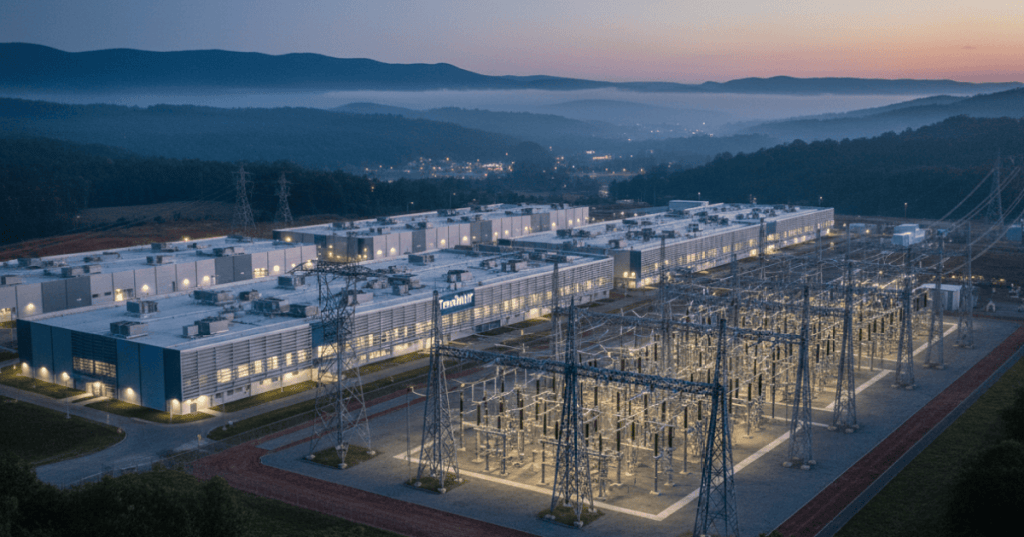
TeraWulf has expanded contracted power at its Kentucky Muskie Data Campus from 500 MW to 1 GW, with the second 500 MW phase moved forward to 2029.
-
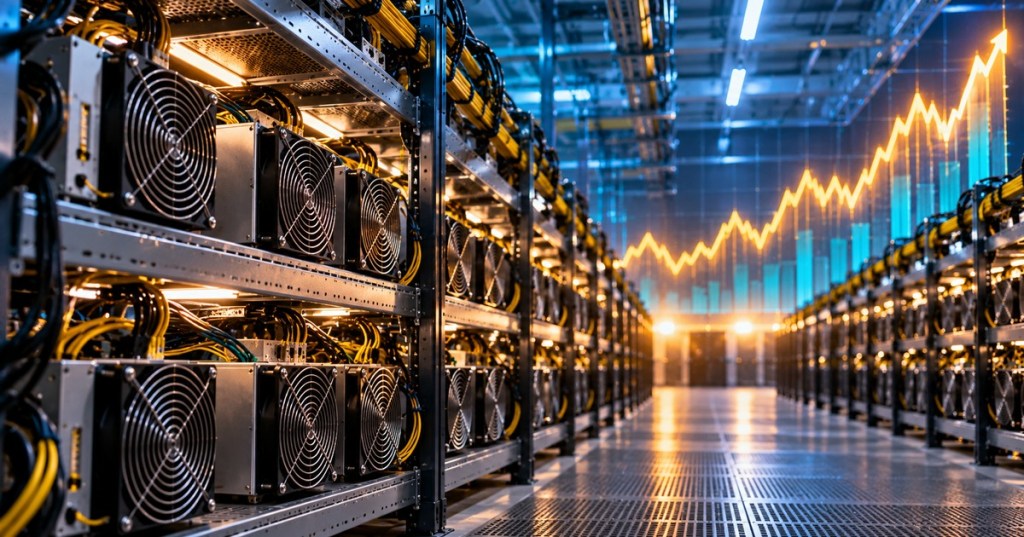
What is Bitcoin mining hashprice? Learn how revenue per PH/s/day connects Bitcoin price, difficulty, fees, ASIC efficiency, electricity cost, and miner profitability.
-
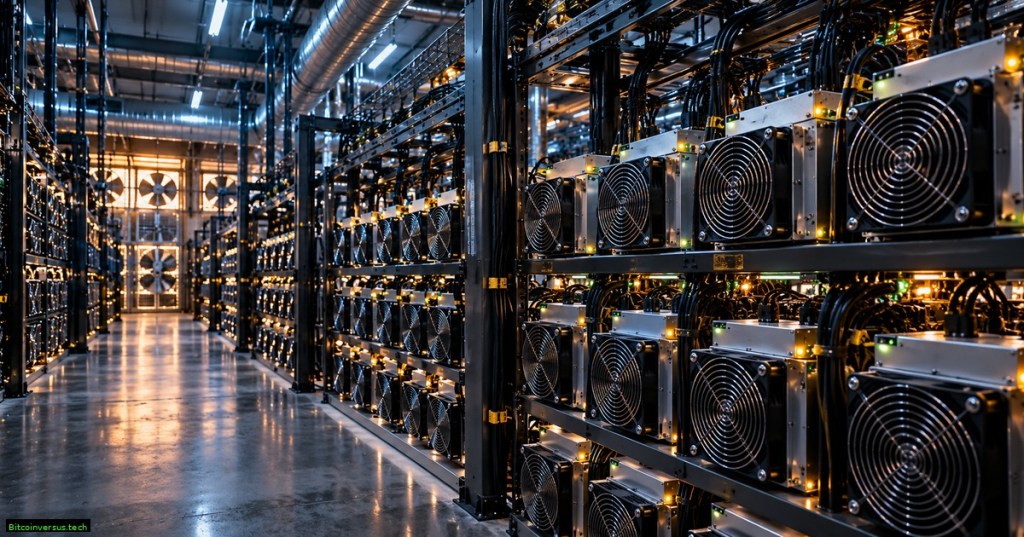
Fortitude secured priority access to Bitmain’s unreleased next-generation Zcash ASICs under a non-binding commitment of up to ₿1,170.16 ($100 million). Here is what is known—and what Bitmain still has not disclosed.
-
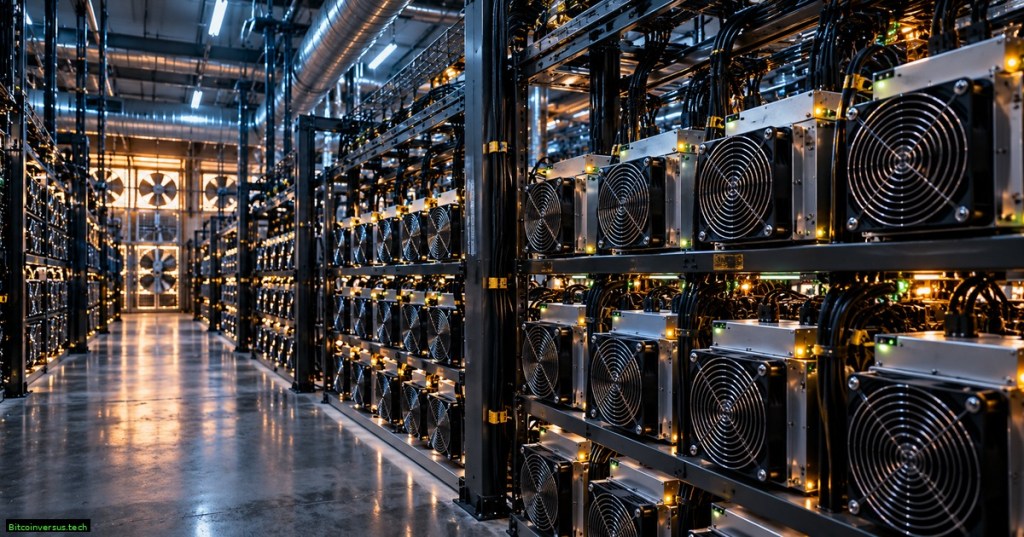
Fortitude secured priority access to Bitmain’s unreleased next-generation Zcash ASICs through a non-binding commitment worth up to ₿1,170.16 ($100M). Here is what is confirmed, what remains unknown, and why early hardware allocation matters.
-
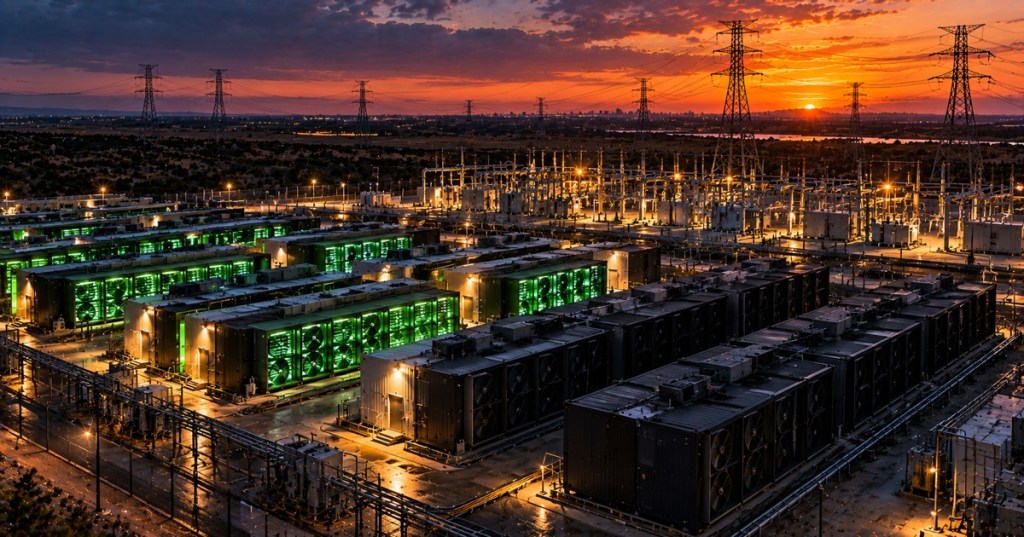
Yes—Bitcoin mining can help stabilize a power grid. But only under specific operating conditions. Mining does not create electricity, and a poorly placed or inflexible mining load can absolutely add stress to a constrained system. The grid value comes from flexibility. Bitcoin miners can shut down large amounts of electrical load quickly when prices spike…
-
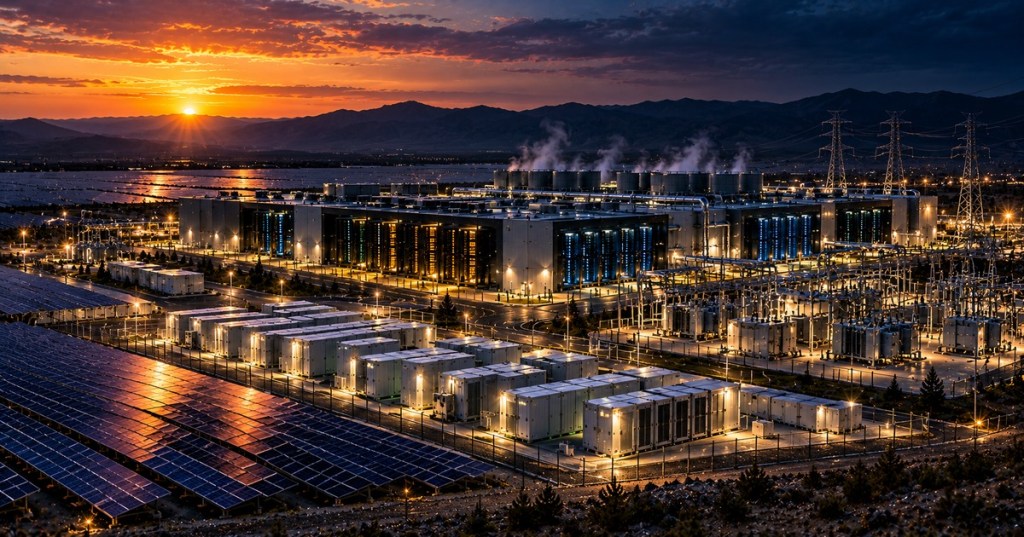
Yes—solar can power a data center. But running one continuously is harder because servers need electricity at night, during storms, and during periods when solar production is weak. The answer is therefore: solar can supply a large share of the energy, but 24/7 operation requires storage, overbuilt generation, demand flexibility, another firm source, a grid…
-
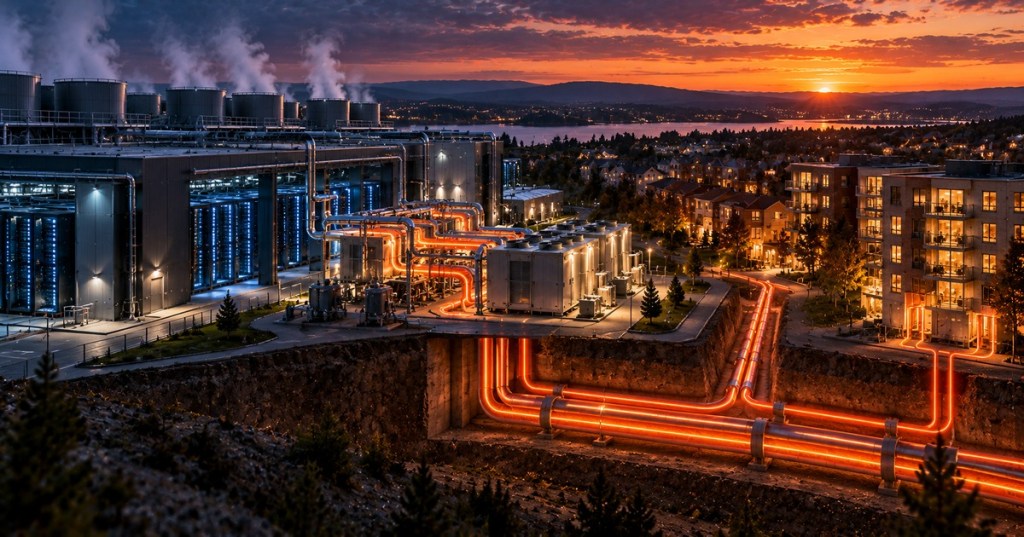
Yes—data-center waste heat can warm homes. In the right location, it is not even speculative. Cities in Northern Europe are already connecting data centers to district-heating systems so the heat produced by servers can be moved into homes, offices, and public buildings instead of simply being dumped outdoors. The catch is that heat reuse only…
-
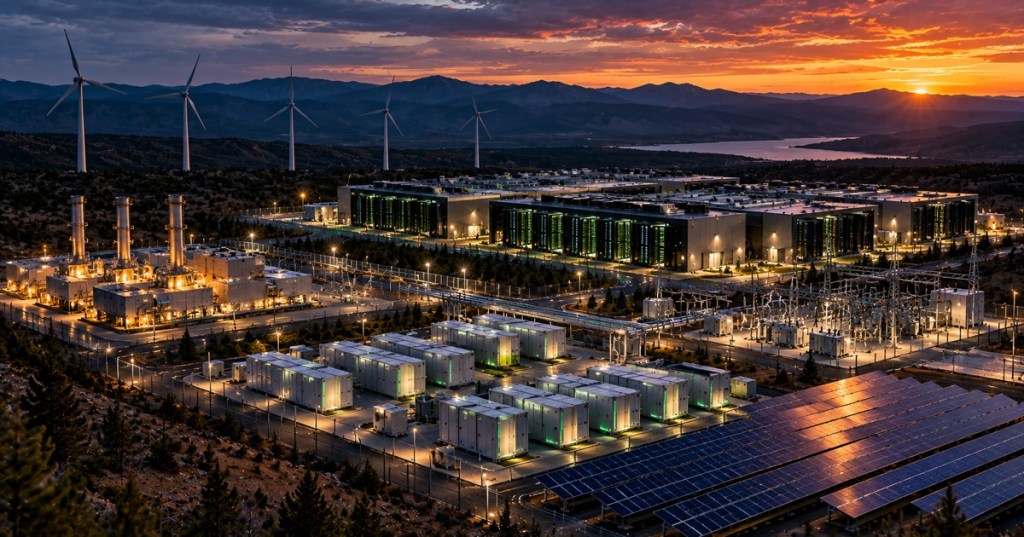
Yes—a data center can run entirely off-grid. But once the facility gets large, the engineering problem changes from “can we make enough electricity?” to “can we make enough electricity every second of every day, through bad weather, equipment failures, maintenance, fuel interruptions, and sudden computing spikes?” That is why the short answer is not simply…
-
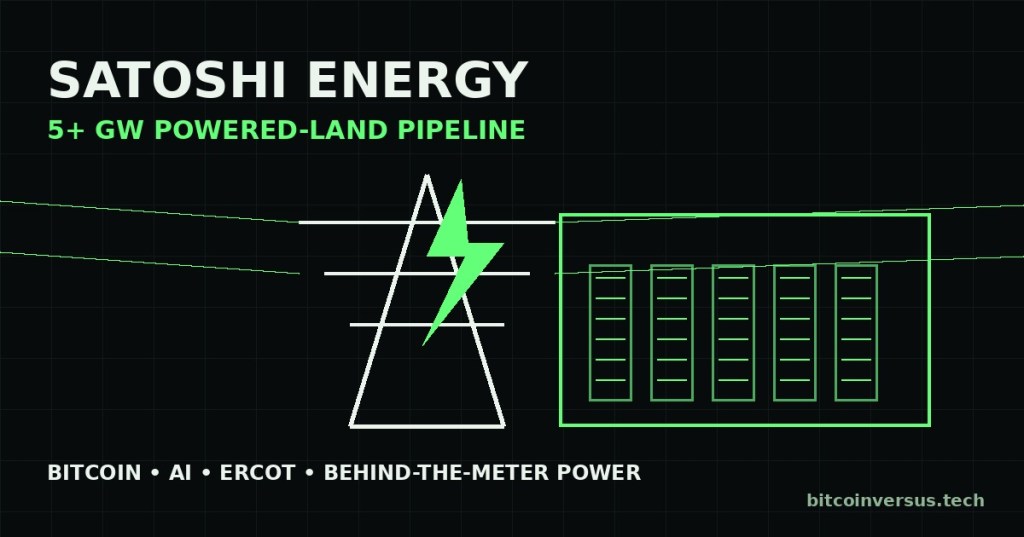
Satoshi Energy has quietly grown from a Bitcoin-energy specialist into a power-first data-center developer with a multigigawatt pipeline. The important part is separating what is already operating from what is still planned. The company now advertises a 5+ GW powered-land pipeline and says it has developed or originated roughly 1.2 GW of powered land. Its…
-
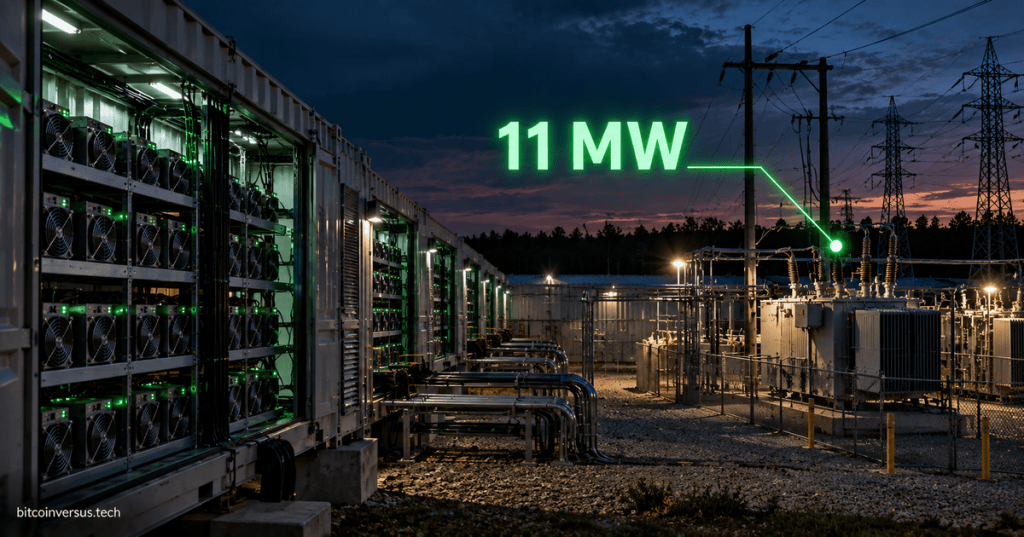
PowerCompute increased contracted power at its Columbus, Mississippi Bitcoin mining site from 8.5 MW to 11 MW before TVA’s new data-center capacity charge took effect.

