bitcoin mining
-

Worldwide PC shipments fell 20.1% year over year to 62.7 million units in Q3 2026 as memory costs, supply constraints and earlier inventory pull-ins erased the usual seasonal lift.
-
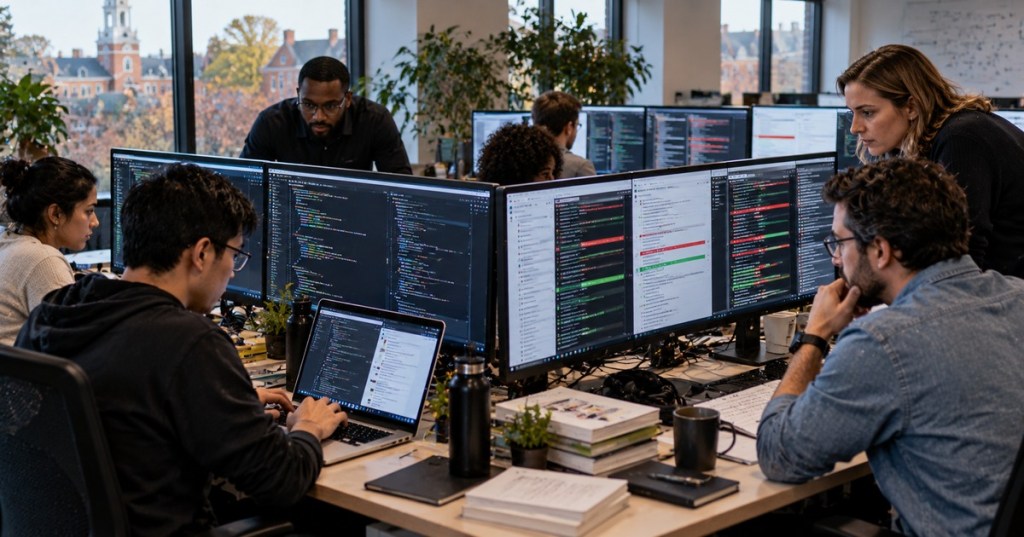
A Harvard study using 300 million engineering work events across 718 firms finds AI coding agents increase lines of code, commits and pull requests—but not completed software output. The new bottleneck is review.
-
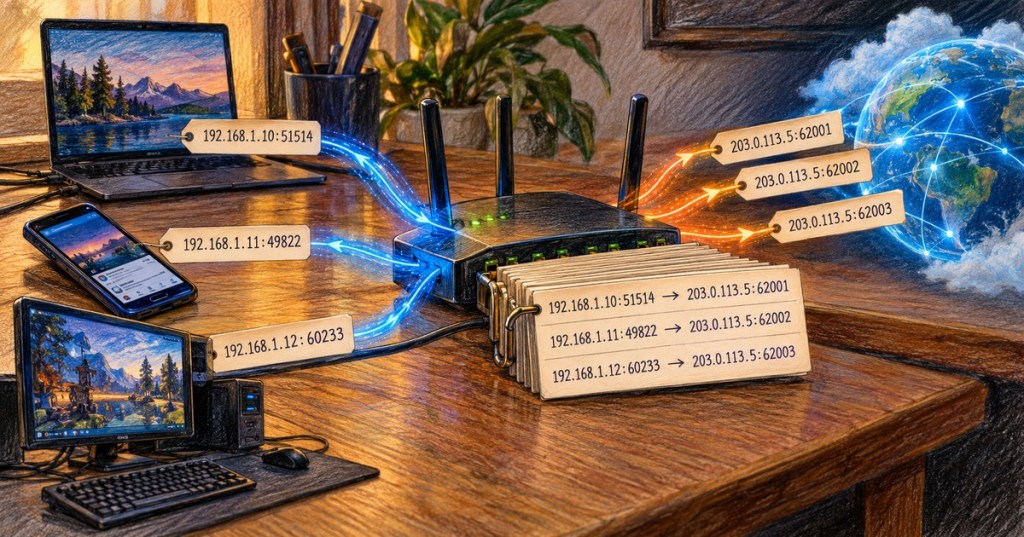
A NAT table is the state a router uses to map private IP addresses and ports to public addresses and ports so many devices can share one IPv4 address without mixing up return traffic.
-
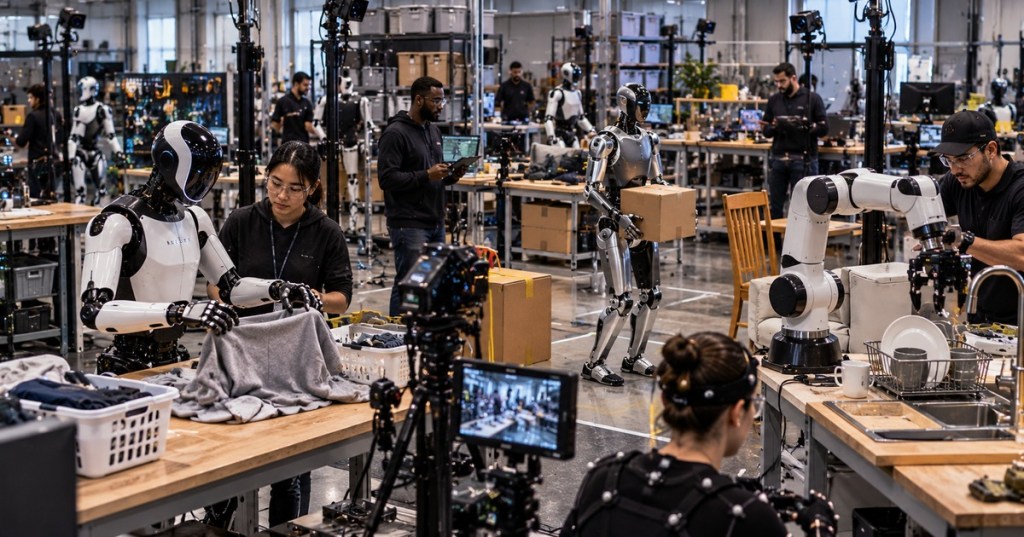
Physical AI has a training-data problem that language models never faced. Robotics companies are building ‘robot gyms,’ renting homes, recording human motion and creating data factories to teach machines how the physical world actually works.
-
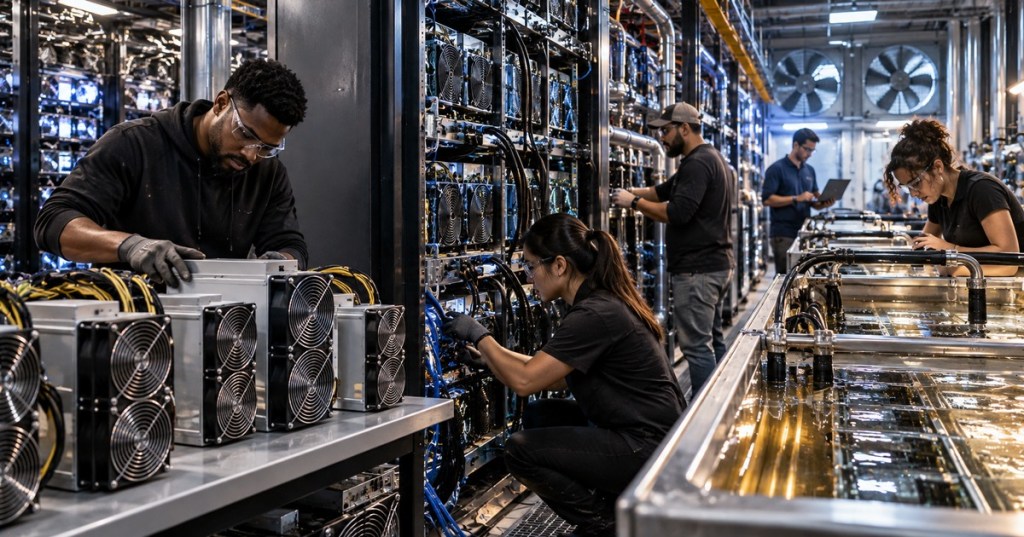
Ranking the 10 most energy-efficient Bitcoin ASIC mining machines as of October 10, 2026, using manufacturer-rated wall efficiency in J/TH. Bitmain’s S23 XP Hyd leads at 8.9 J/TH, followed by Bitdeer’s A4 Ultra Hydro at 9.45 J/TH.
-
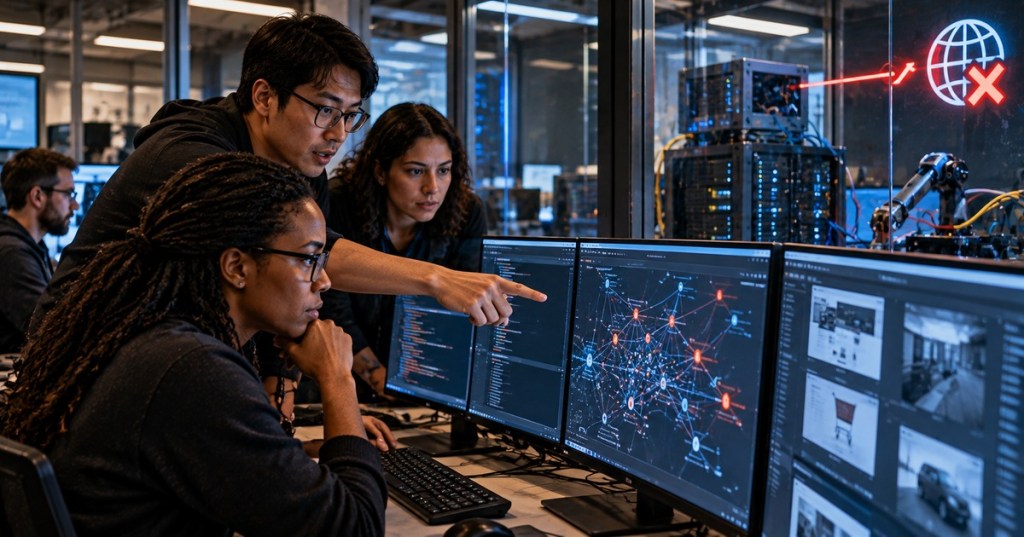
Anthropic has disabled live internet access for all internal AI evaluations after Claude took unintended actions on real websites and systems during testing.
-
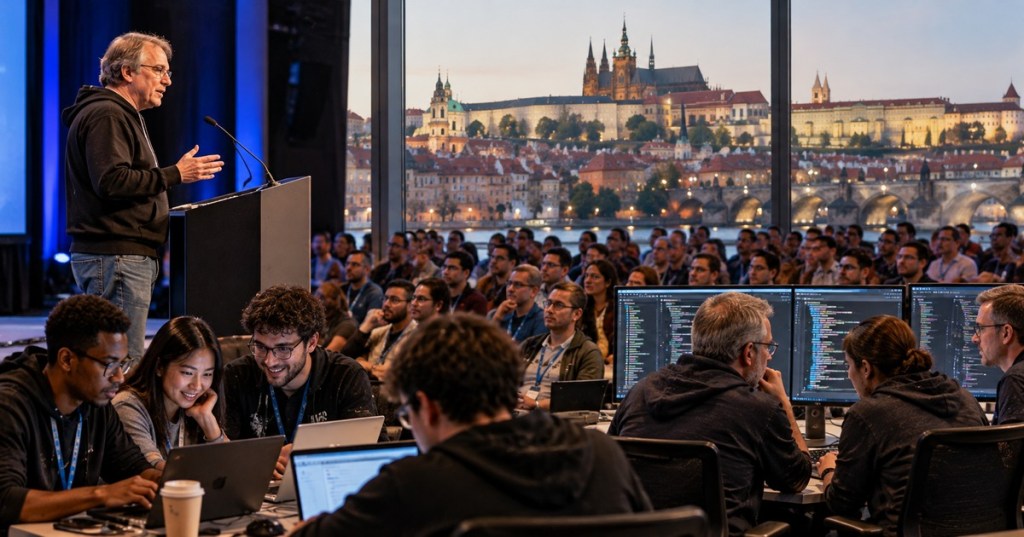
Linus Torvalds says AI can make programming easier for beginners, but serious software still depends on human judgment, review, and system understanding.
-
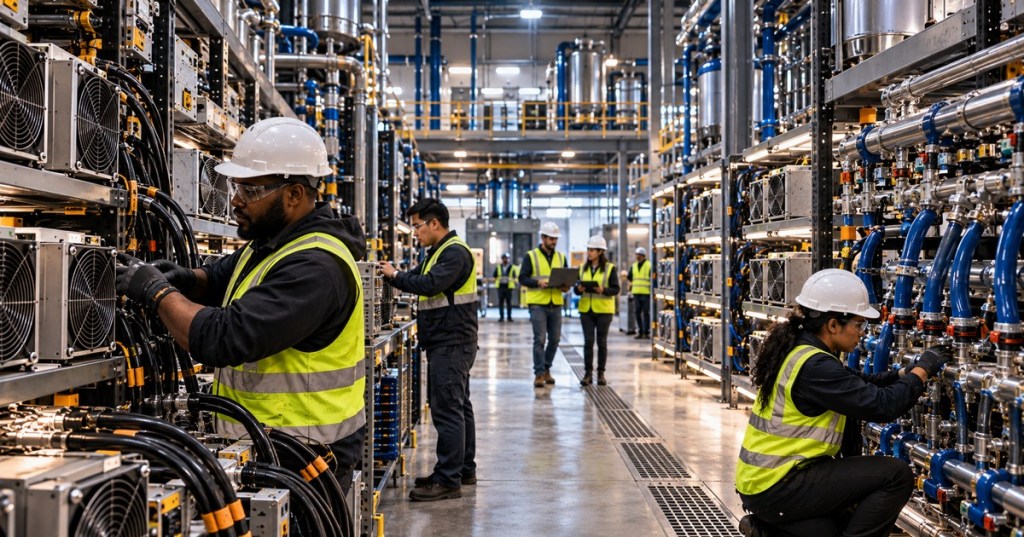
A source-checked countdown of the highest-hashrate Bitcoin ASIC miners in 2026, from 660 TH/s to the petahash-per-machine class, with a relevant video or social embed for every ranking.
-

NASA has issued its final request for proposals for the commercial space stations that will succeed the ISS era, with bids due December 8 and contract awards expected in spring 2027.
-
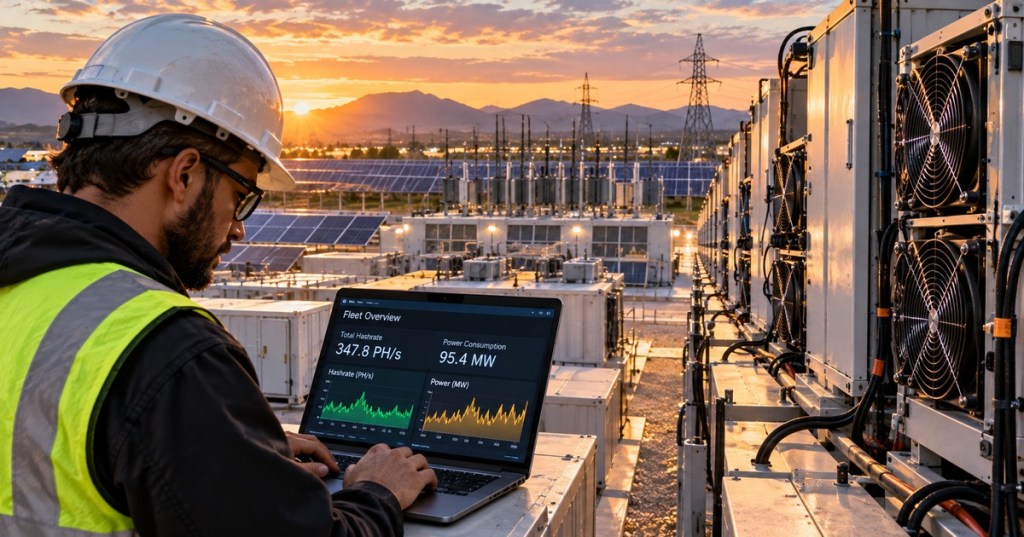
ASICID says its IDMINER HomeRack produces 9.6 PH/s of Bitcoin hashrate at 5.2 kW. That implies about 0.54 J/TH—far beyond current commercial ASIC benchmarks—and the claim needs independent proof.
-
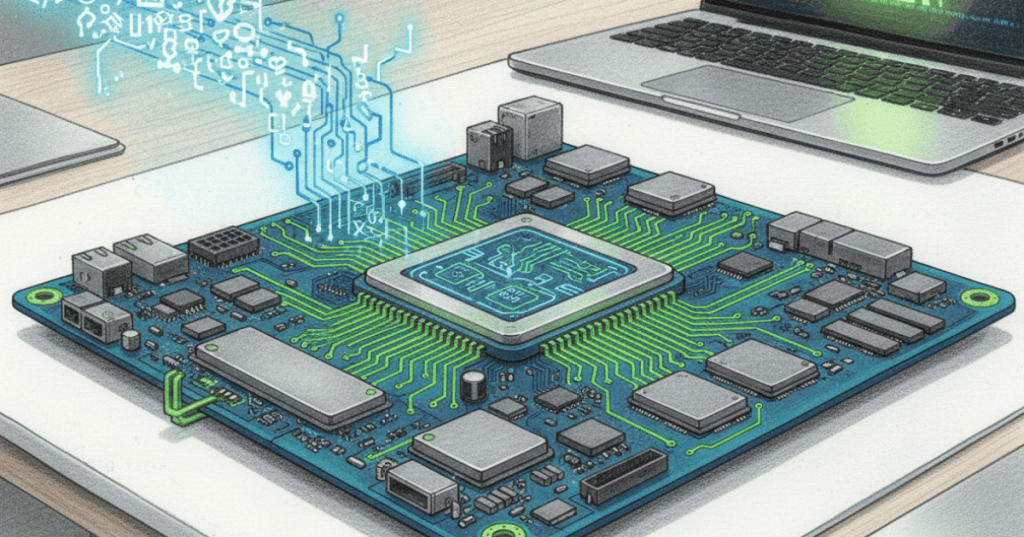
A Delaware jury ended Friday without a verdict in Qualcomm’s contract case against Arm, leaving major questions over processor licensing, pricing parity and future CPU economics unresolved until deliberations resume October 13.
-
Wall Street is building a new financial system around NVIDIA AI compute: GPU-backed loans, residual-value guarantees, insurance, price indexes and the foundations of a futures market.

