bitcoin mining
-
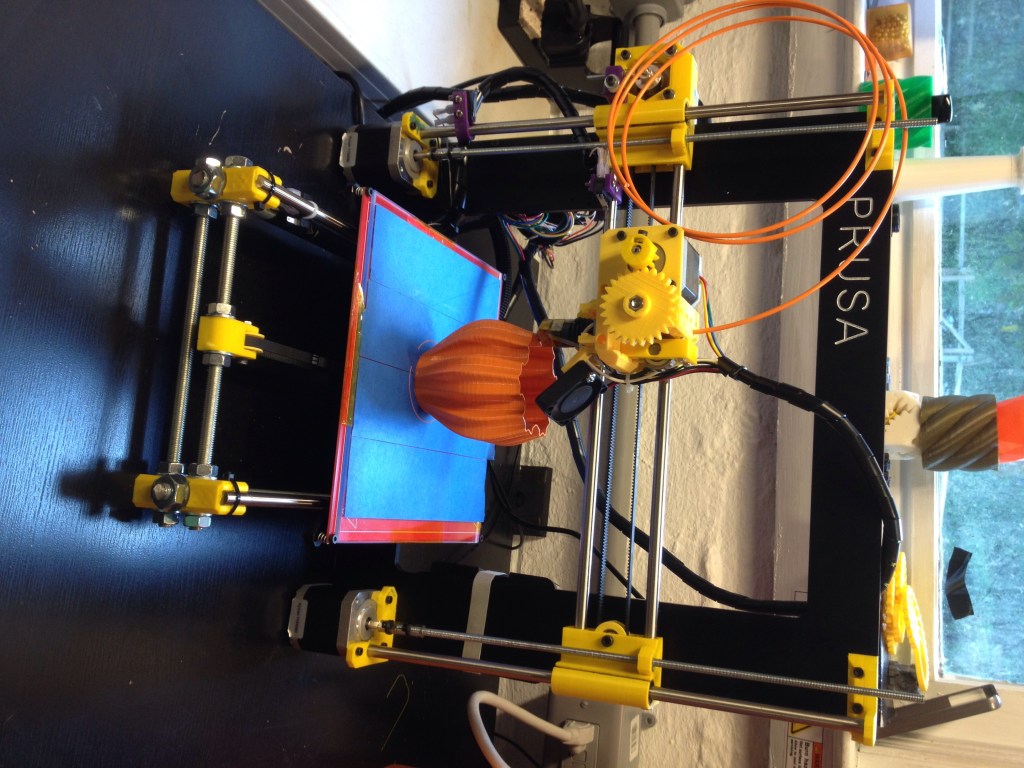
3D printing turns digital models into physical objects by building material layer by layer. Here is how the workflow, printer types, materials, slicers, and common failures fit together.
-

The Mach Initiative is building Kingchaser, a mostly 3D-printed jet-powered model aircraft designed to chase a Mach 0.8 speed target.
-

The FCC is considering a petition that would let political groups place certain artificial, prerecorded, and AI-generated voice calls to cellphones without prior consent. No rule change has been approved.
-

House Select Committee on China Chair John Moolenaar has asked the Pentagon to add 58 Chinese universities and 62 technology labs to a research-security restriction list. The request is not yet Pentagon policy.
-
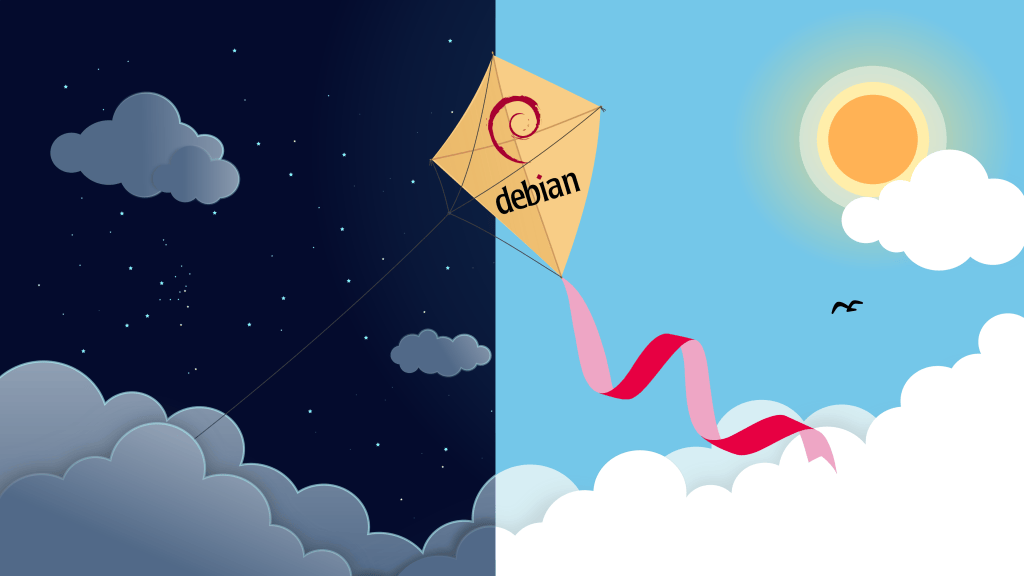
Debian 14 Forky is asking the community to design its wallpapers, login screens, and installer artwork. The submission deadline is November 26, 2026.
-
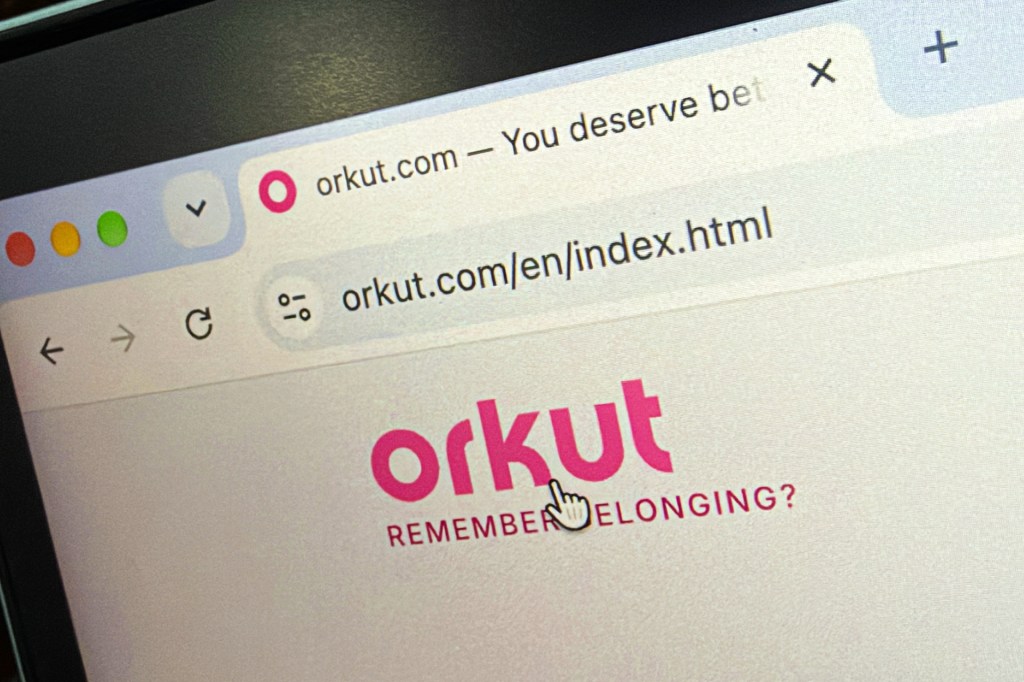
Orkut founder Orkut Büyükkökten has reopened Orkut.com and is asking users to support a new social network built around real people, communities, and genuine connection.
-
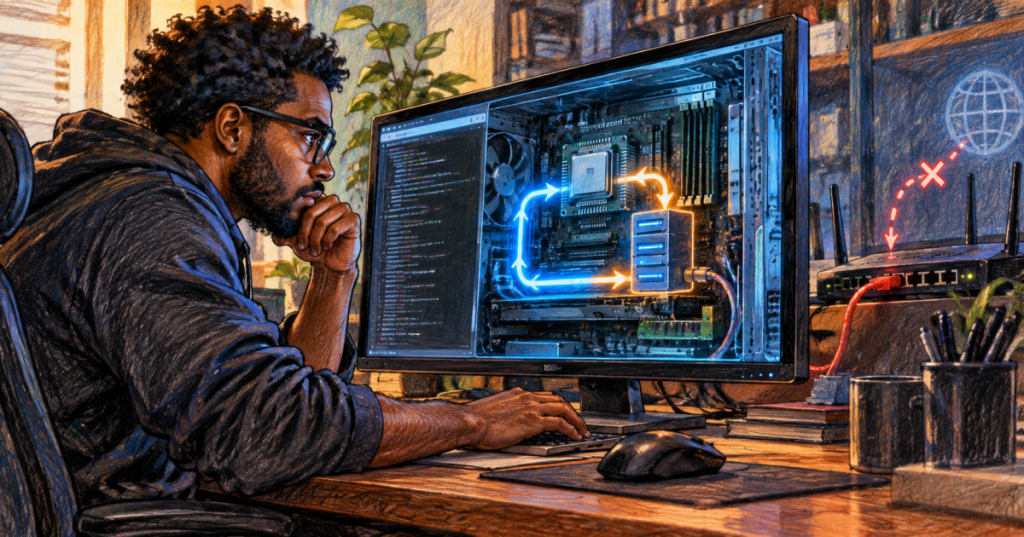
127.0.0.1 is the IPv4 loopback address most people know as localhost. It lets software talk to services on the same machine without sending traffic onto the physical network.
-
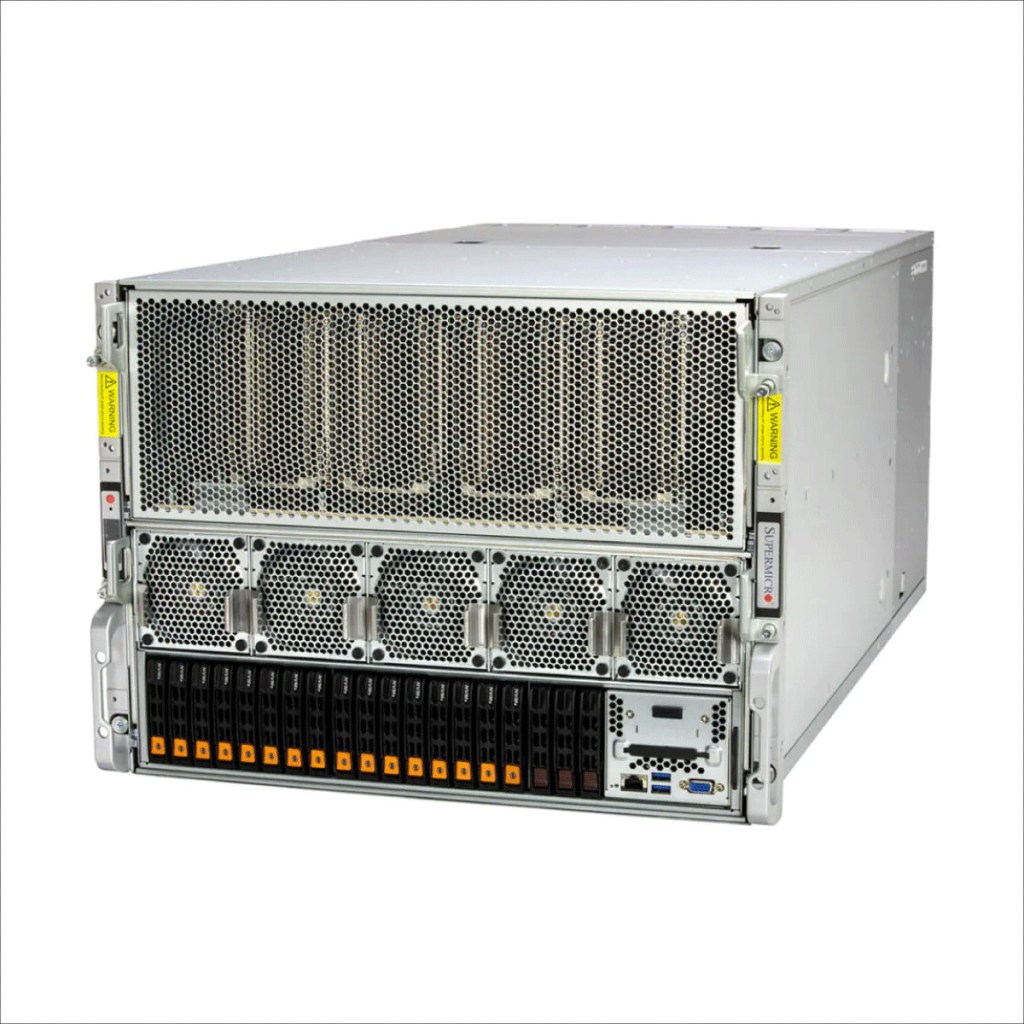
A contractor linked to Super Micro has pleaded guilty in a federal AI-server diversion case tied to an alleged $2.5 billion scheme involving restricted NVIDIA hardware bound for China.
-

Proton is urging users to rethink Sign in with Google, arguing that one compromised identity can become a gateway to many accounts. Its alternative: unique email aliases, independent credentials, passkeys and regular connection audits.
-
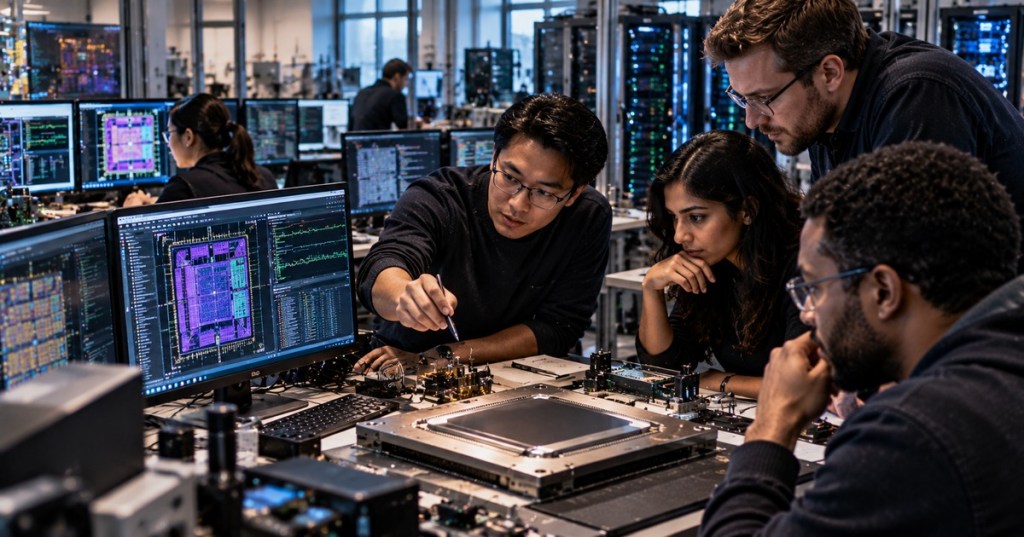
Nuvacore is reportedly raising hundreds of millions of dollars at roughly a $2.5 billion valuation before shipping a product. The former Apple and Nuvia team is betting on a clean-sheet, ‘Core First’ CPU for AI data centers.
-

Worldwide PC shipments fell 20.1% year over year to 62.7 million units in Q3 2026 as memory costs, supply constraints and earlier inventory pull-ins erased the usual seasonal lift.
-
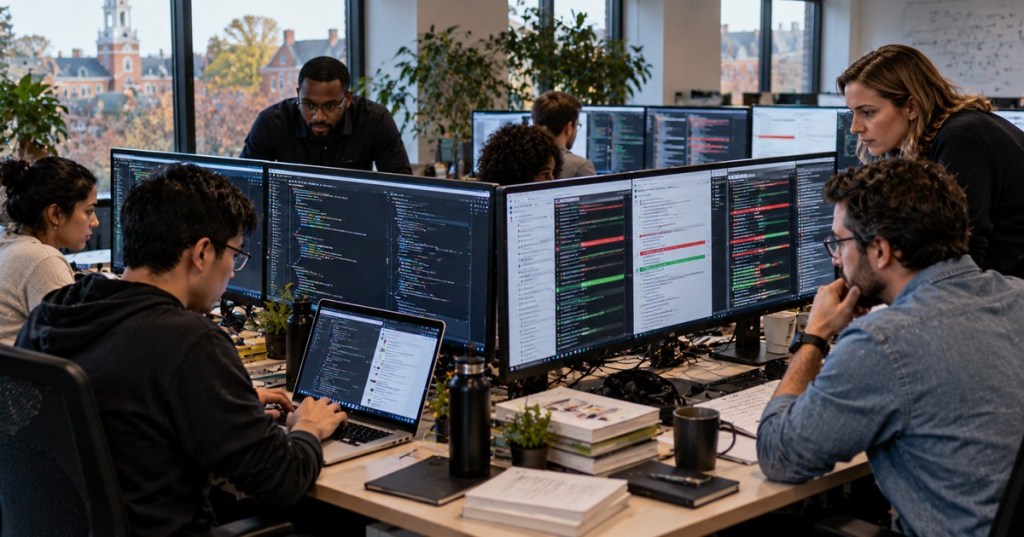
A Harvard study using 300 million engineering work events across 718 firms finds AI coding agents increase lines of code, commits and pull requests—but not completed software output. The new bottleneck is review.

