technology
-

How can you tell when a job interview actually went badly? Real candidates describe the moments they knew, the signals that mattered, and the times they were completely wrong.
-
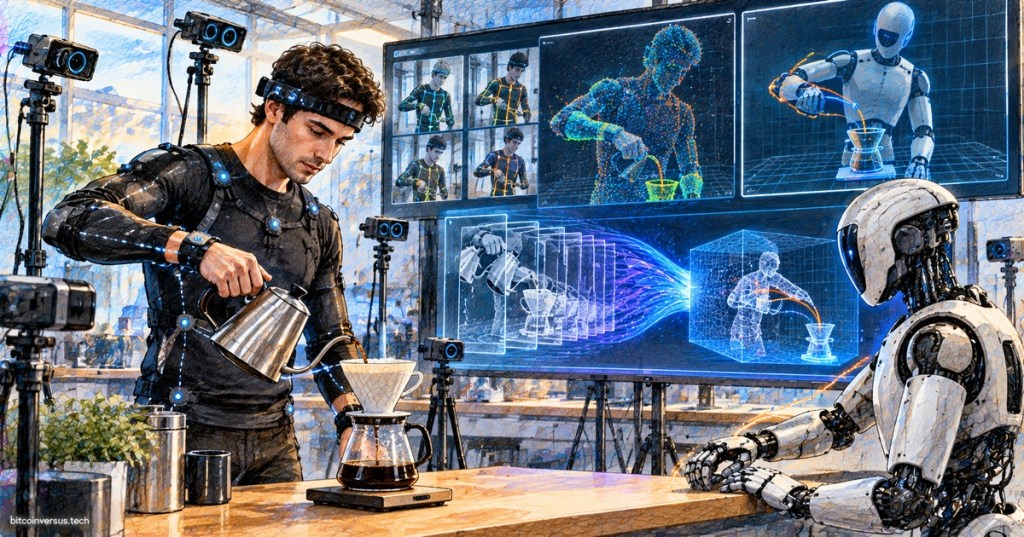
Mecka raised a $60 million Series B led by Sequoia to scale human-motion capture, sensor hardware, reconstruction models, and deployment infrastructure for physical AI and robotics.
-
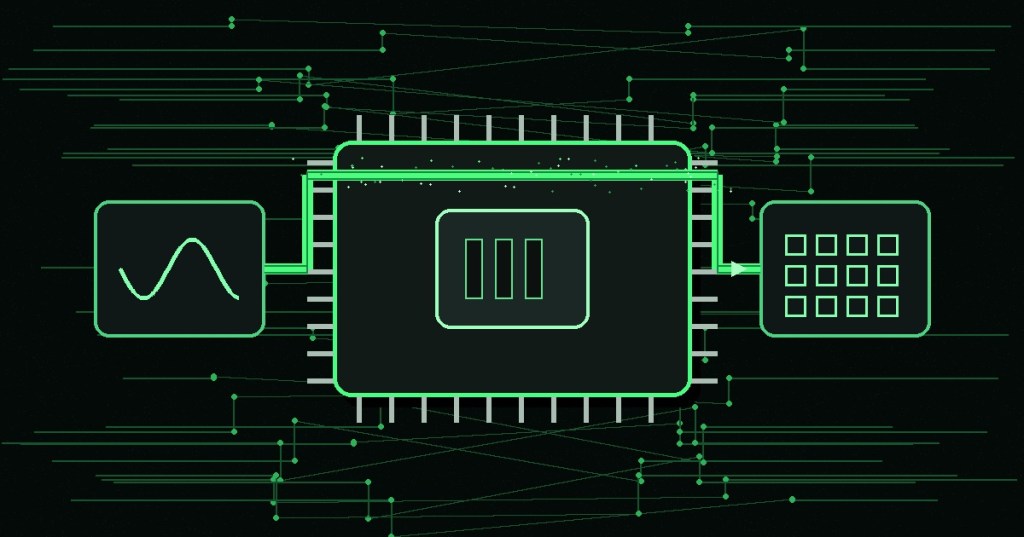
Elementary Overview and Review Direct Memory Access (DMA) is a hardware engine that moves data between memory and peripherals without making the CPU copy every byte itself. In OSFEC.002, we used tasks, priorities, interrupts, and timing to keep firmware responsive; in OSFEC.005, we built a safer firmware update path. DMA adds another production tool: let…
-

Waymo closed a $5 billion term loan—its first debt financing—after a $16 billion equity raise, giving the autonomous-driving company more capital to expand robotaxi service across the U.S. and globally.
-
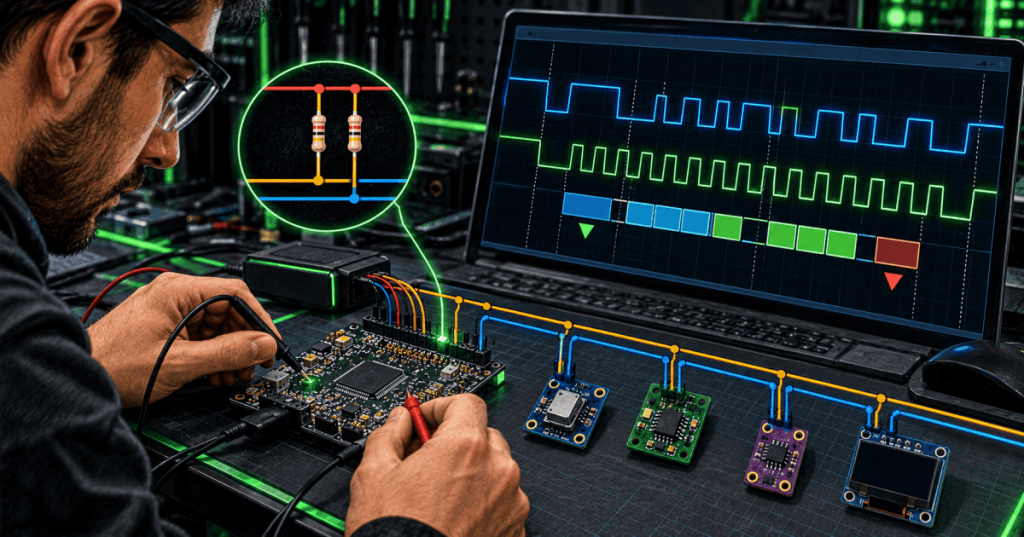
Learn a focused I²C troubleshooting workflow: verify SDA/SCL, pull-ups, addresses, ACK/NACK, logic-analyzer captures, and common firmware-to-peripheral faults.
-
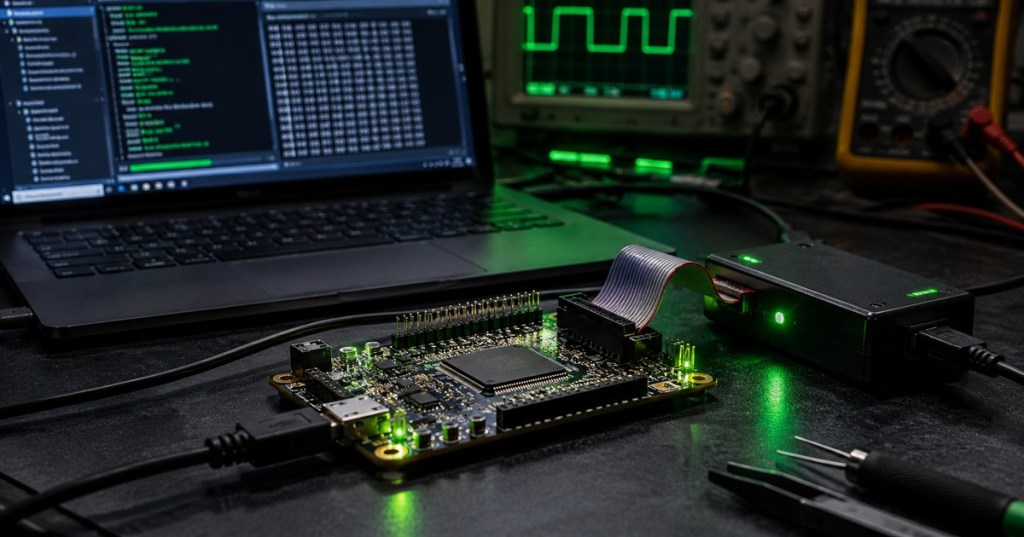
Learn hardware/firmware compatibility for firmware technicians: board revisions, MCU device IDs, bootloader requirements, image verification, board-specific settings, and field validation.
-
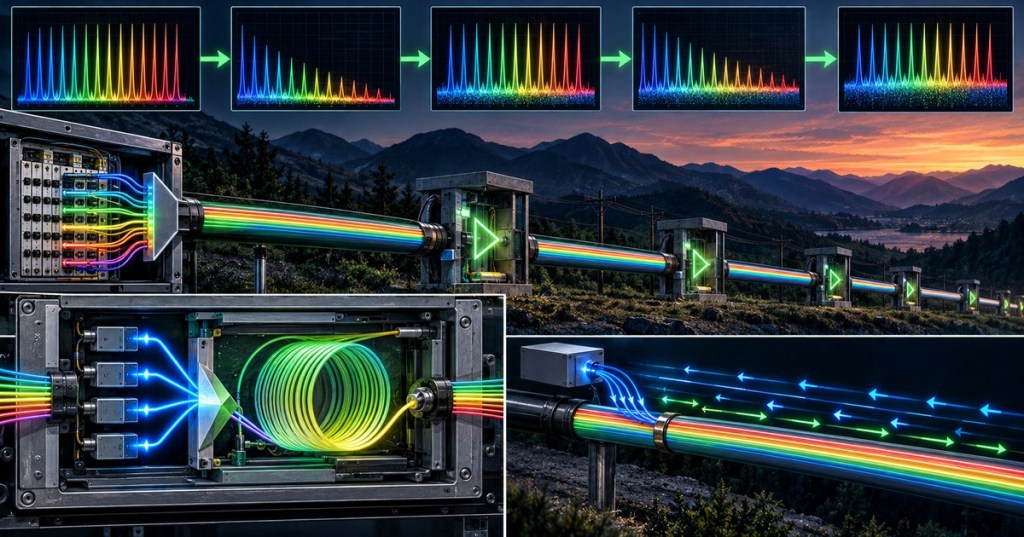
Learn optical amplification engineering with EDFA, Raman gain, ASE noise, noise figure, OSNR, gain flatness, and DWDM span planning.
-
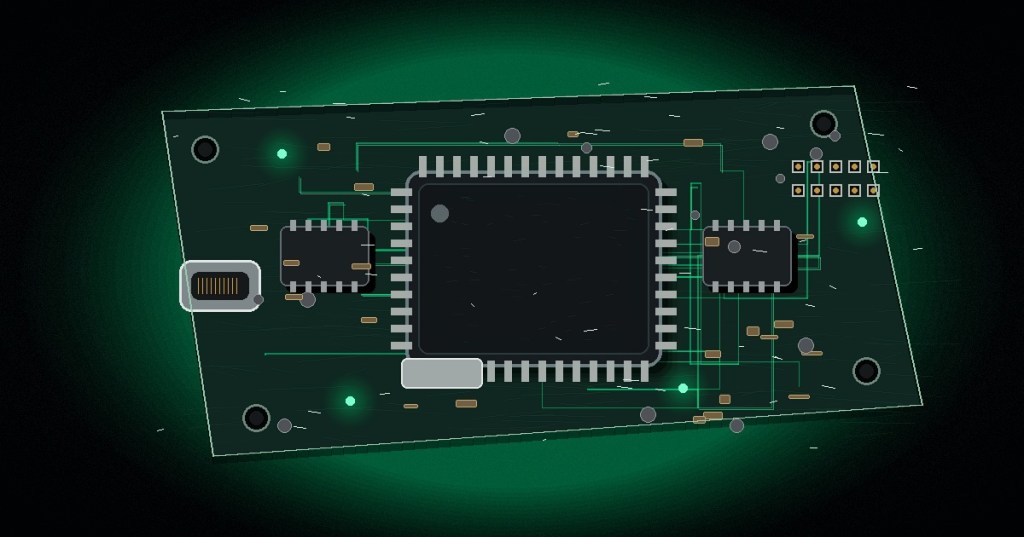
Learn how production embedded bootloaders safely update firmware using image headers, integrity checks, signed images, A/B slots, rollback, version control, recovery paths, and release verification.
-
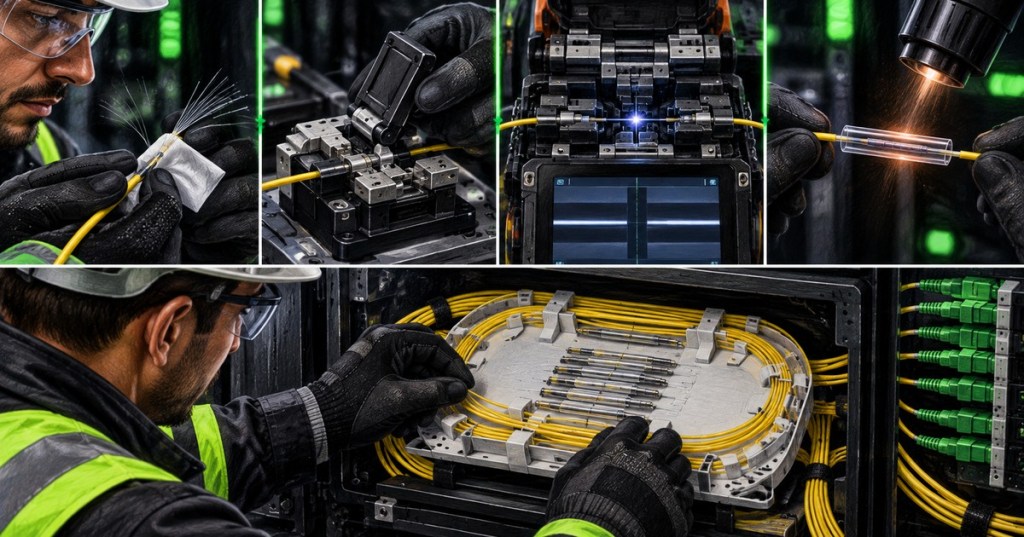
Learn fiber fusion splicing step by step: strip, clean, cleave, align, fuse, protect, route, test, troubleshoot, and verify splice quality.
-
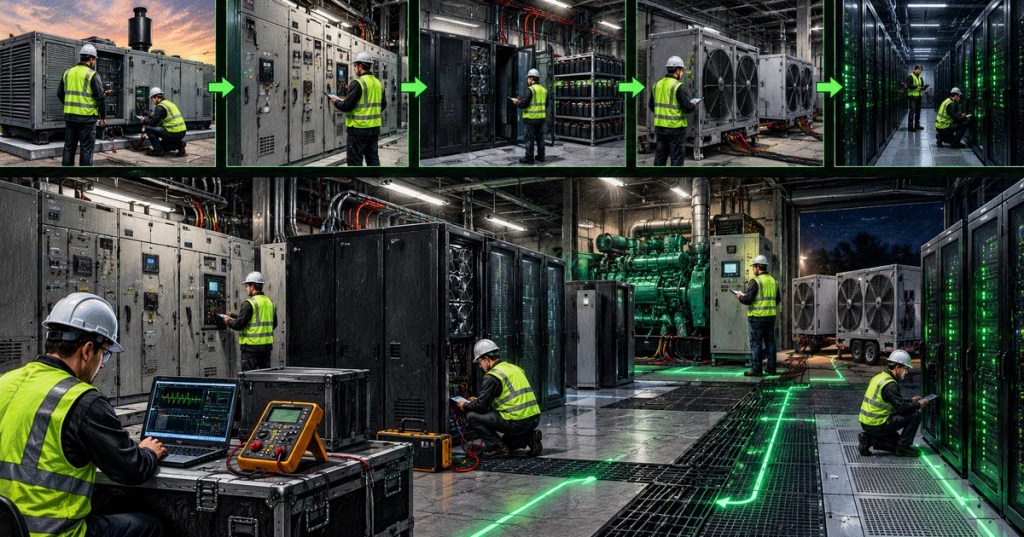
Learn data-center commissioning from L1 factory acceptance through L5 integrated systems testing, including pre-functional checks, load banks, failure scenarios, defect tracking, and turnover.
-
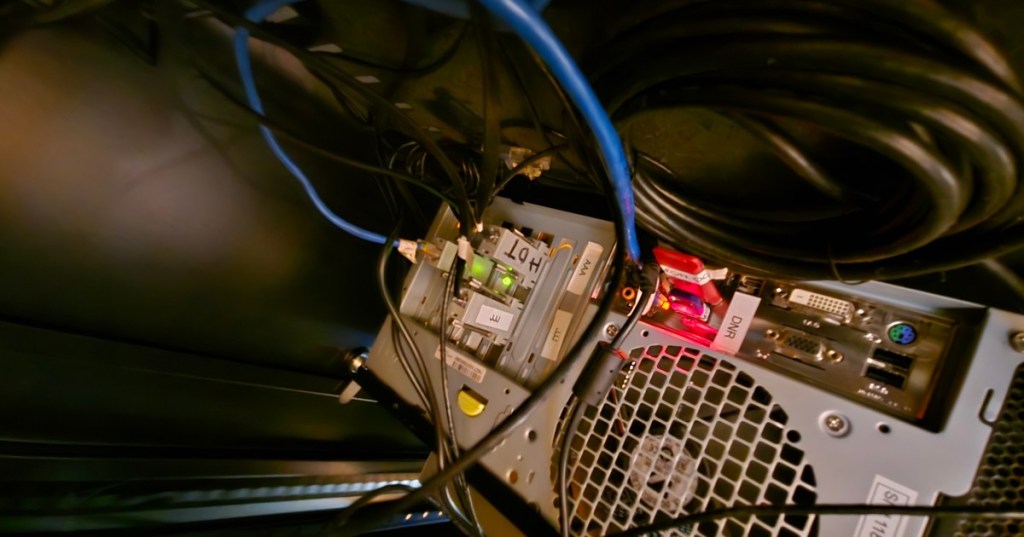
Learn BMC and out-of-band server management: IPMI, Dell iDRAC, HPE iLO, remote console, virtual media, BMC logs, management networks, Redfish, SNMP, and safe recovery.
-
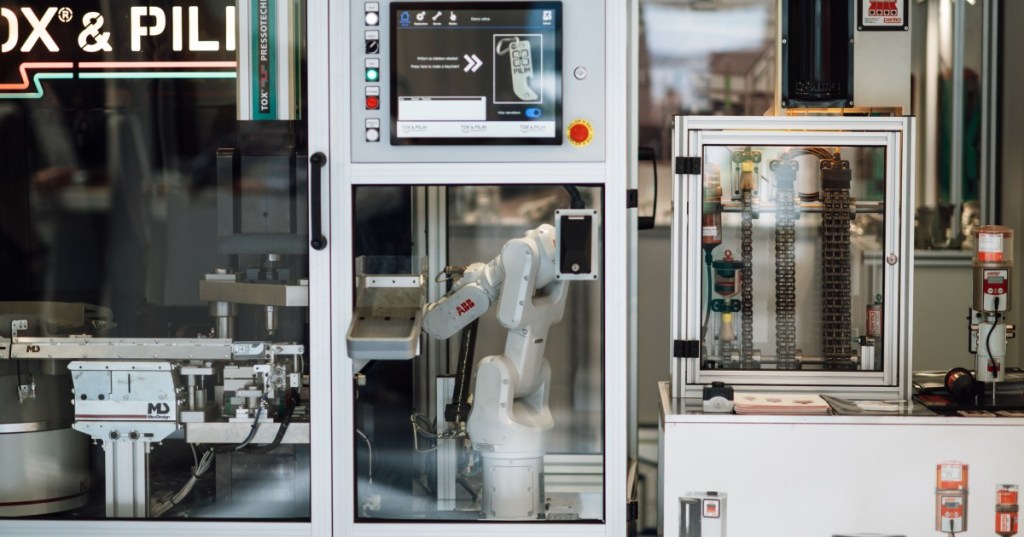
Learn robot feedback control: proportional, integral, derivative, feedforward, trajectory tracking, actuator saturation, anti-windup, gain tuning, and task-space control.

