theory
-
Bitcoin Verse of the Day — October 14, 2026 “Proof of Work is based on the laws of physics, so you have to work with the world as it is…” Vitalik Buterin, Ethereum co-founder This verse is compelling because it describes the deepest difference between proof of work and purely virtual consensus rules in unusually…
-

Bitcoin Verse of the Day — October 14, 2026 “With regards to the general idea of freedom. The moment we see any sort of counting down on human rights or individual rights either as a country or nation states, what we tend to see is people moving towards adopting bitcoin. And that’s not a coincidence……
-

Changpeng Zhao and Michael Saylor have independently landed on the same idea again: autonomous AI will need autonomous money. CZ has argued that AI agents will make vastly more payments than humans and that crypto is the natural rail for software-to-software transactions. That position also appeared in his Consensus Miami discussion, where he said blockchains…
-

BitcoinVersus.Tech tests whether the approach from 3 J/TH toward the 1 J/TH Bitcoin Mining Singularity could become a physical catalyst for hyperbitcoinization, while correcting the 8.3% efficiency timeline and separating infrastructure math from monetary adoption.
-
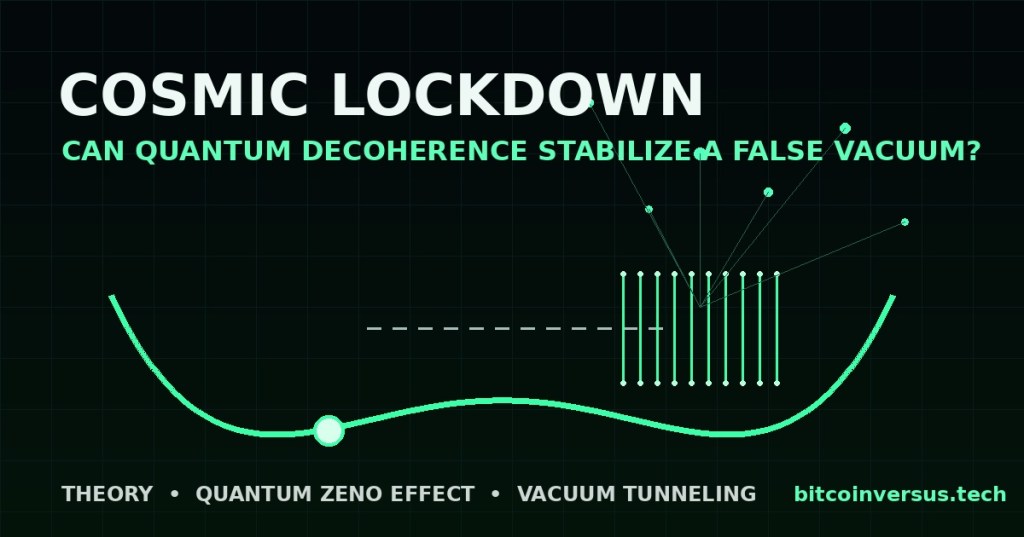
A new cosmology study argues that quantum decoherence can suppress vacuum tunneling after a field settles into a state—a mechanism researchers call “cosmic lockdown.”
-
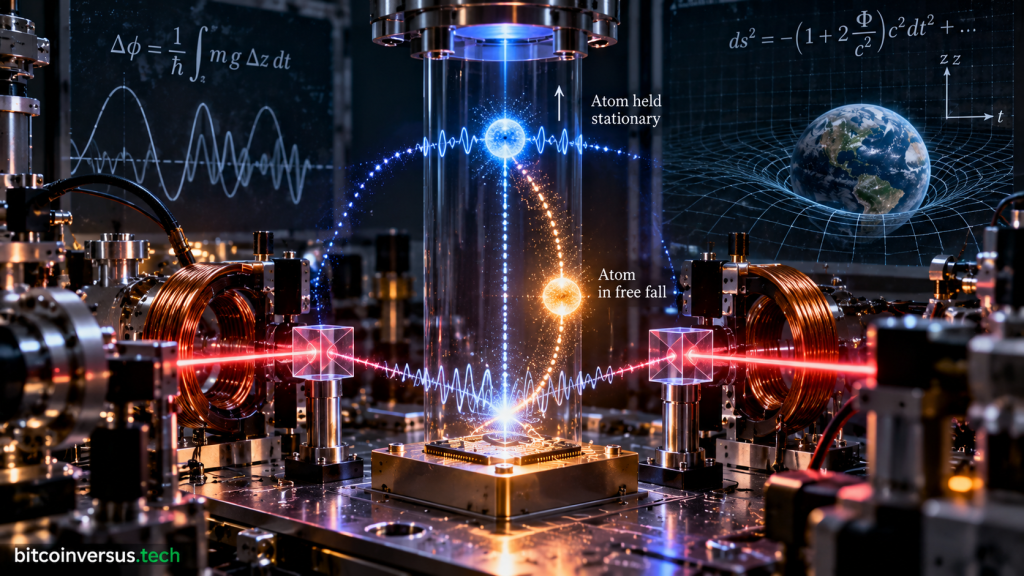
A new atom-interferometer experiment split rubidium atoms between a stationary quantum path and a free-fall path, finding a phase shift consistent with Einstein’s equivalence principle.
-
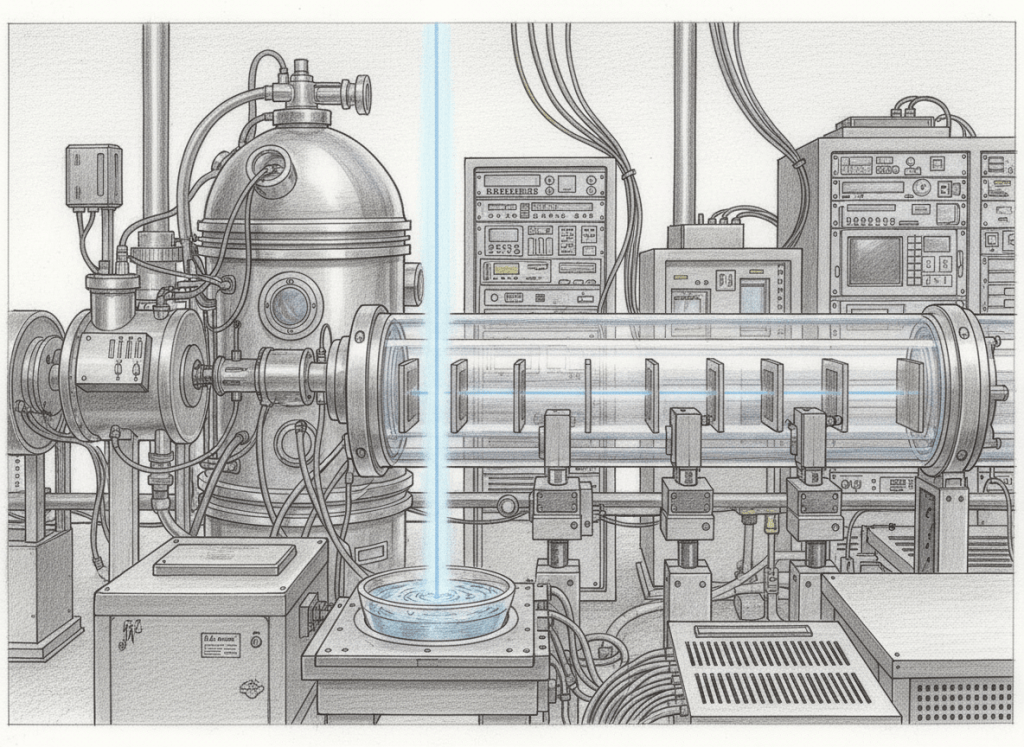
Einstein’s equivalence principle has survived increasingly precise tests, but nearly all direct free-fall measurements have involved ordinary matter, first-generation particles or first-generation antimatter. Researchers at ETH Zürich and the Paul Scherrer Institute have now built a beam that could extend that question into a different part of the Standard Model: does a second-generation lepton fall…
-
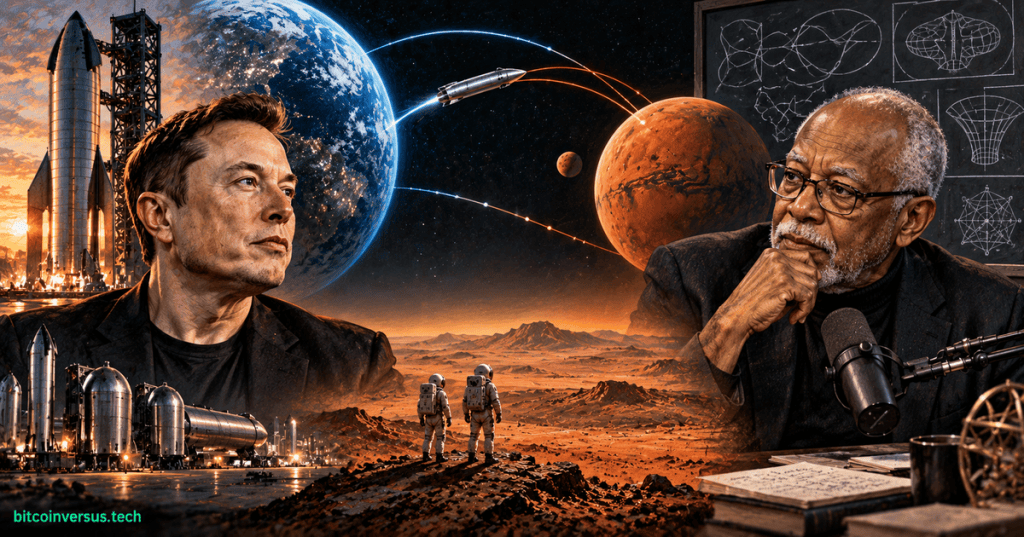
Elon Musk repeatedly forecast humans on Mars far earlier than the hardware has allowed. Physicist S. James Gates Jr. argued the opposite. With Starship finally reaching orbit and SpaceX now pricing Mars cargo for no earlier than 2028, the real timeline is beginning to narrow.
-
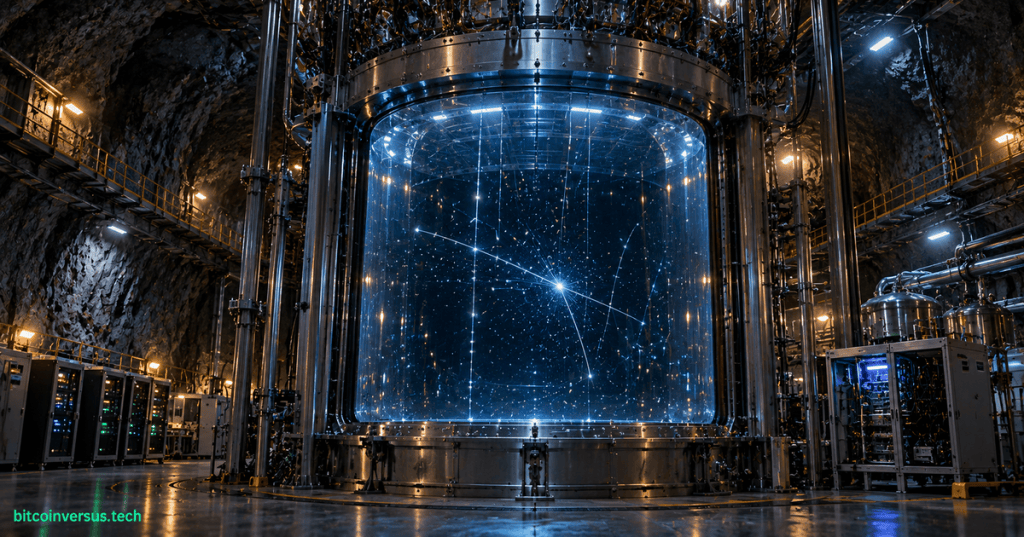
LUX-ZEPLIN has recorded one unusual nuclear-recoil event that known backgrounds do not explain well. The global significance is 2.6 sigma, interesting but far short of a dark-matter discovery.
-
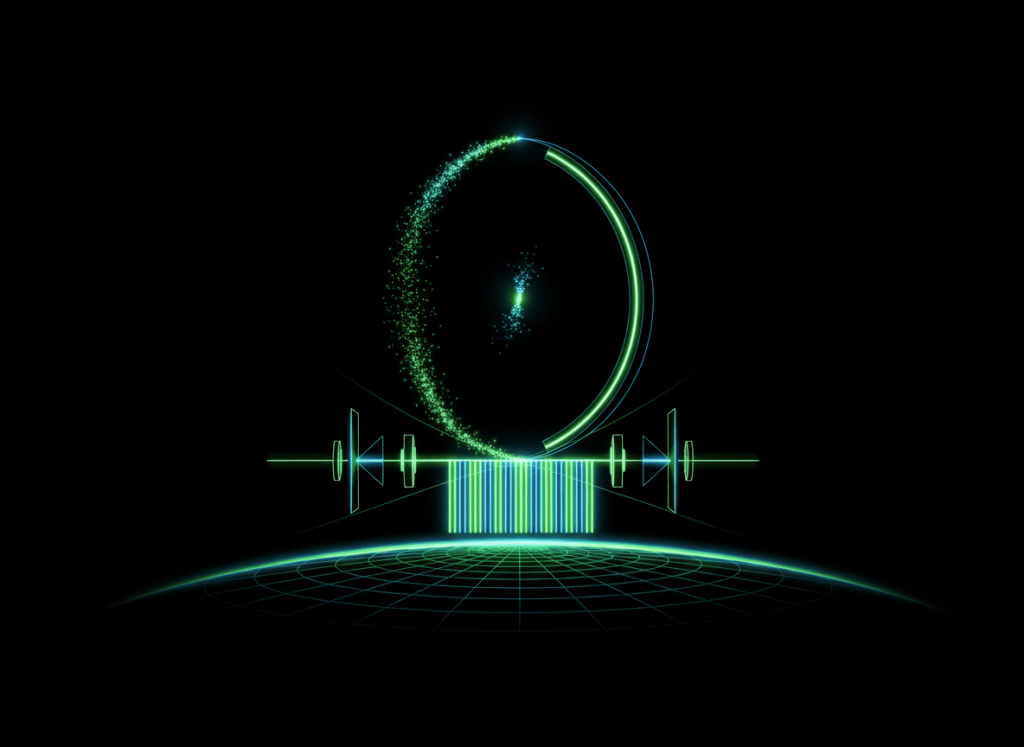
Physicists directly measured the quantum phase of freely falling rubidium atoms and found it consistent with Einstein’s equivalence principle.
-
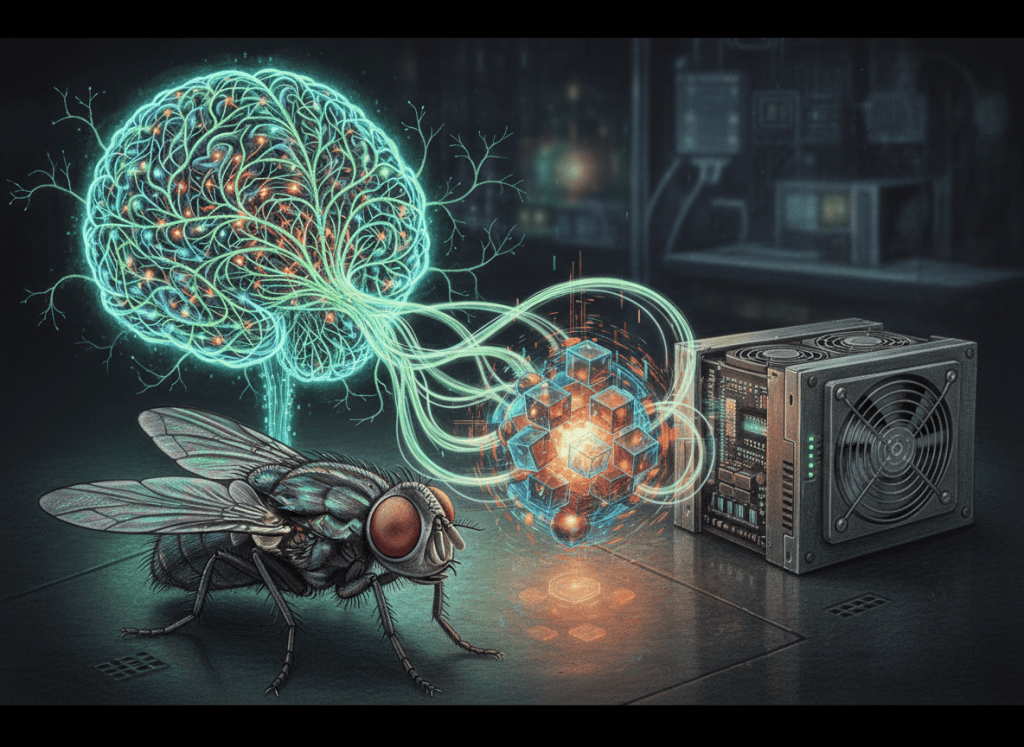
FutureBit’s HashFly experiment uses a simulated fruit-fly neural network to explore Bitcoin hashing and the theoretical energy limits of computing beyond silicon.
-
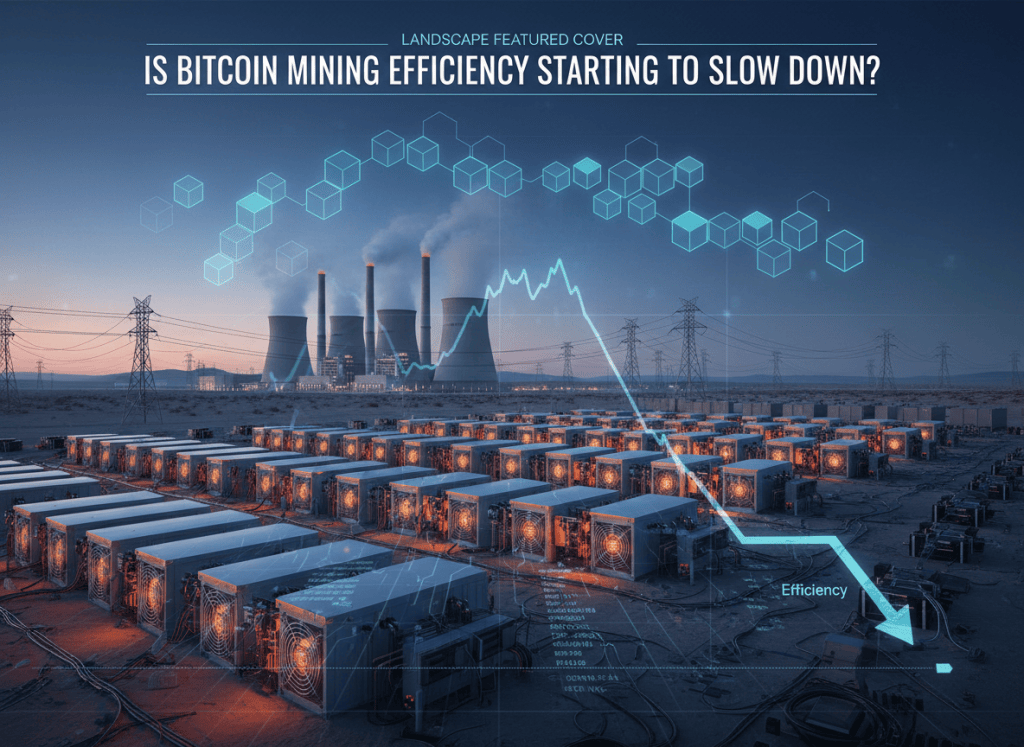
Bitmain’s new 8.9 J/TH S23 XP Hyd. gives the Bitcoin Mining Singularity model a new real-world test of whether ASIC efficiency gains are beginning to slow.

