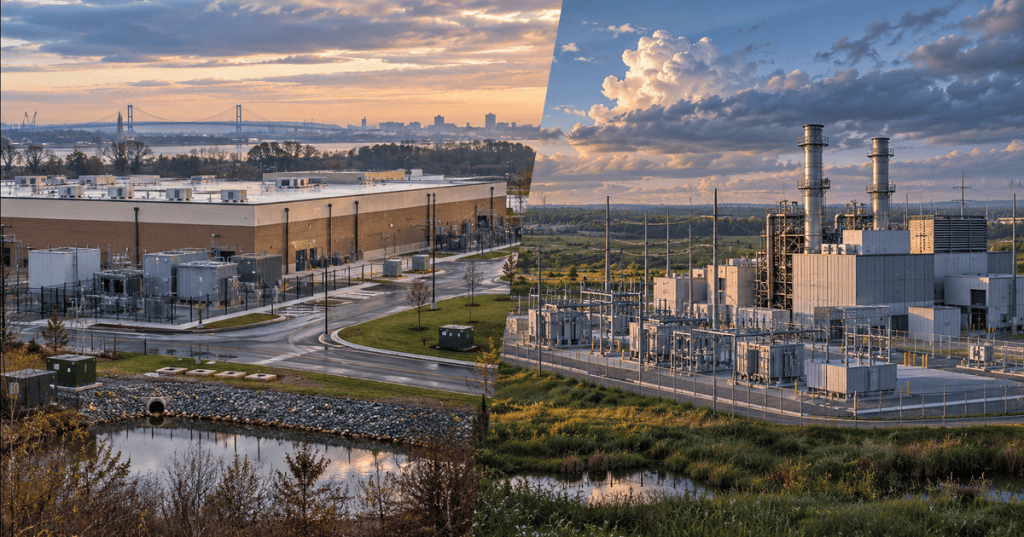
Delaware’s most dramatic data-center megaproposal is no longer permitted to proceed under its existing plan, and the state’s remaining power-capacity record looks very different from maps that still count that megaproject. In the eighth installment of BitcoinVersus.Tech’s state-by-state data center rankings, we examine three facilities with explicit, attributable megawatt figures as of October 27, 2026: one historical development and two operating colocation properties. This is not a ranking of completed new hyperscale construction.
How we ranked them: The numbers below are the largest capacities we could substantiate directly in original development documents or current operator specifications among the identified Delaware sites. They are not a comprehensive statewide census: several established enterprise facilities do not publish comparable nameplate power. Critically, the 50 MW Middletown figure is an unbuilt project demand forecast, while the 8 MW and 6 MW specifications describe existing facility power. Those statuses and metrics are not interchangeable or additive as actual operating demand.
3. Data Canopy Newark — 6 MW Building Power (Operating)
At 350 Pencader Drive in Newark, Data Canopy’s current operator specification gives the facility 6 MW of building power, supported by three utility feeds. The listing describes 16,085 square feet of white space, 2N and N+1 uninterruptible-power-system arrangements, Generac generators and more than 60 hours of on-site fuel supply. This is a standing enterprise colocation and managed-hosting site, not a newly announced 6 MW buildout.
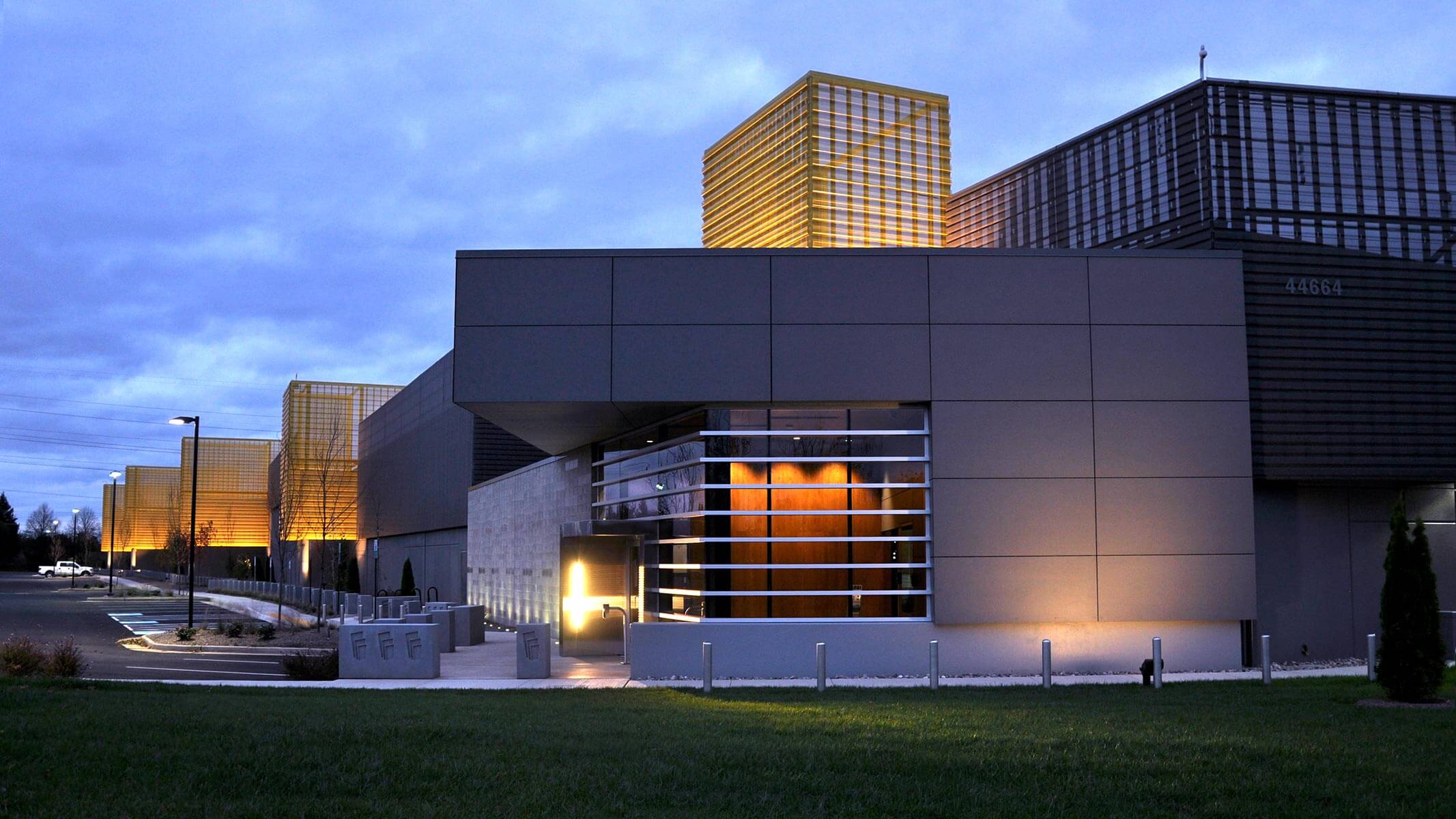
That distinction matters. A nameplate electrical figure may include auxiliary infrastructure, cooling and resilience headroom; it does not state the load presently drawn by customer servers. The facility’s operating history also predates the present wave of large AI campus proposals. In scale and power topology, Newark represents the kind of established, comparatively compact colocation asset that a list focused only on proposed megaprojects would miss.
2. DāSTOR New Castle — 8 MW Power (Operating)
At 3 Boulden Circle in New Castle, DāSTOR explicitly specifies 8 MW of power for a 61,000-square-foot building, along with generator-backed power, 2N+1 UPS, 2N networking and N+1 cooling. The company announced its acquisition in April 2024, citing more than 30,000 square feet of raised floor space. The 61,000-square-foot number is total building footprint, not white-space floor area.
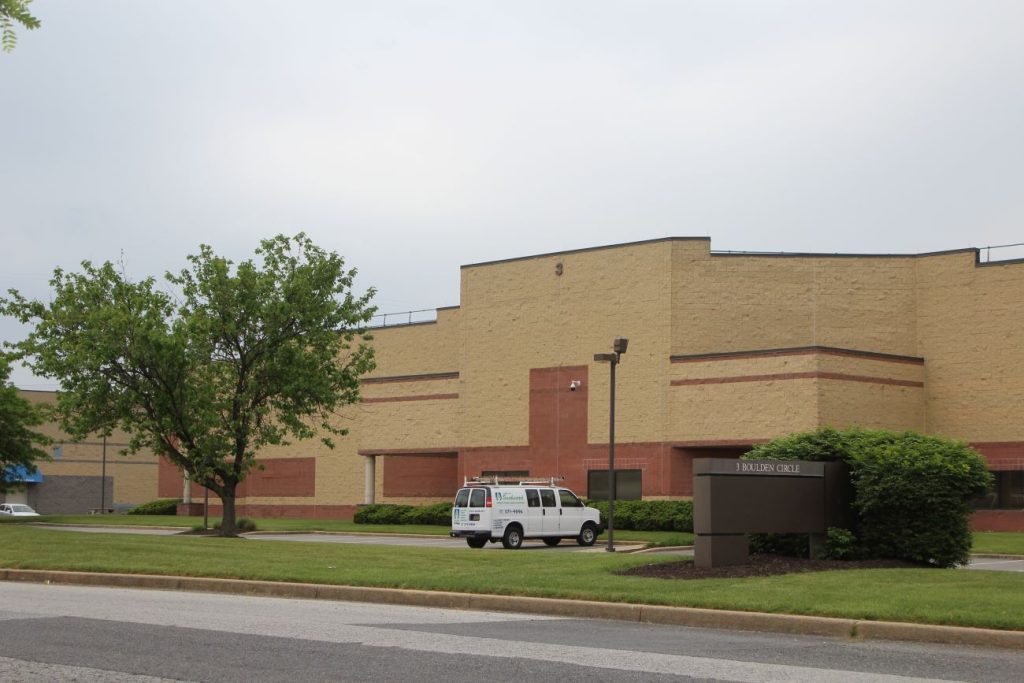
The 8 MW figure is therefore independently traceable to the present operator rather than a broker’s projected campus demand. DāSTOR also lists a separate 4 MW facility at 1201 North Market Street in Wilmington; that site does not outrank the 6 MW Newark operation and is not combined with its New Castle sister facility. A proposed 800 MW or 1 GW utility load cannot be treated as equivalent to these operating specifications without a clear project-status label.
1. Middletown Technology Center — 50 MW Historical Projected Demand (Not Verified Built)
The largest defensible non-cancelled historical development figure in this narrow documented set belongs to the Middletown Technology Center, proposed by Cirrus Delaware on land within the Middletown Auto Park. The original 2016 air-permit application specifies 50 MW projected demand at completion, with power-generation equipment capable of 62.5 MW. The difference was a 12.5 MW redundant generation allowance—not an additional 12.5 MW of server demand. The filing described approximately 60 acres of land and a natural-gas generation configuration.
The reporting chronology requires care. An earlier 2015-era development account used 40 MW of data-center capacity and 52.5 MW of on-site generation for a 228,000-square-foot plan. The later application used the 50/62.5 MW design scenario. Those are successive descriptions of one scheme, not two separate facilities. In 2016, residents challenged the accompanying gas-fired plant over emissions and local impacts, as documented by Delmarva Public Media. We found no credible confirmation that the planned 50 MW computing center entered service. It must not be presented as Delaware’s largest operating data center.
Why Delaware’s Supposed 1.2 GW Leader Is Not Ranked
A number of project trackers still display Project Washington, Starwood Digital Ventures’ proposed 1.2 GW Delaware City campus, as though it were a current pipeline candidate. But the Delaware Department of Natural Resources and Environmental Control ruled the submitted project prohibited in the Coastal Zone, and a state board upheld that decision. Starwood withdrew its Superior Court appeal in early July 2026. An August 28 Spotlight Delaware investigation reported the existing design cannot proceed, although the developer could pursue a revised approach. It would mislead readers to place 1,200 MW above the operating 8 MW and 6 MW properties as if all three had comparable status.
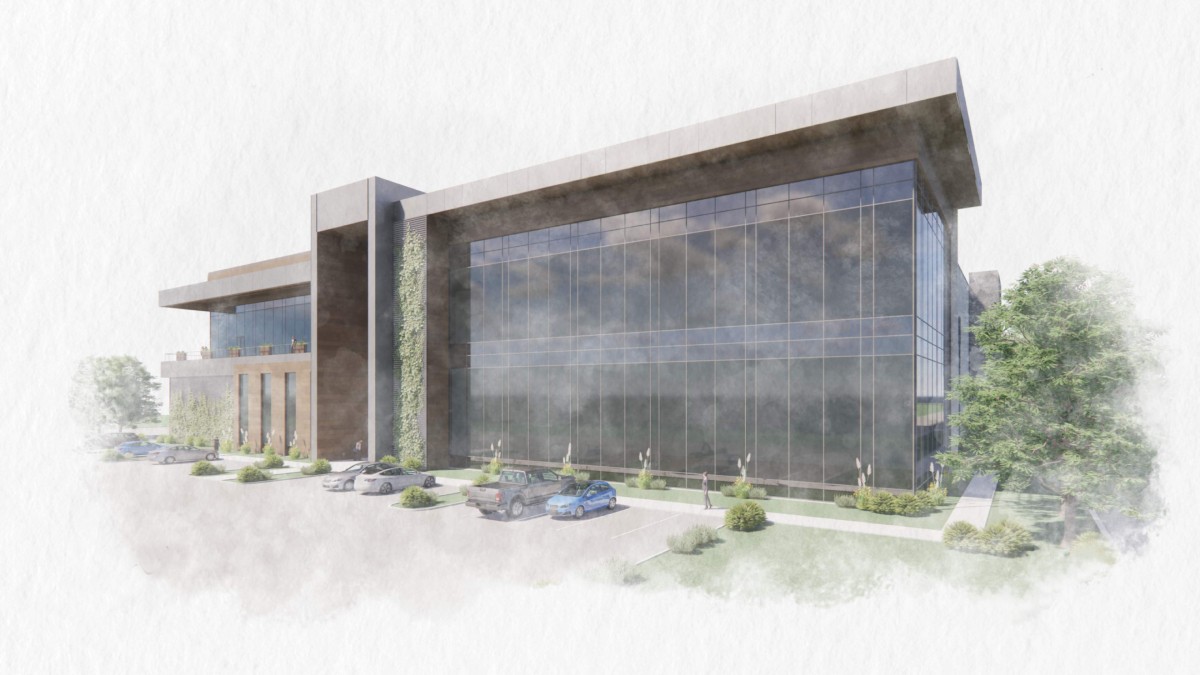
Other large sounding numbers also need status checks. The University of Delaware’s historical STAR Campus concept has been described in cancelled-project directories; a 24 MW Harrington proposal lost the necessary local zoning change in August; and the White Clay Center near Newark was publicly reported as paused in June with no verified comparable MW figure. These cannot be silently combined into an active statewide construction pipeline. An independent directory estimates 25 MW for an existing JPMorgan Chase facility, but we did not find a public owner-issued 25 MW specification or an equivalent permit; it is excluded from this directly sourced numeric ranking pending verification rather than dismissed as nonexistent.
The New Energy Rules Change the Math
On August 26, 2026, Delaware signed a package of energy consumer-protection laws. Among their provisions, the large-load legislation assigns infrastructure costs to those users and adds a bring-your-own-generation requirement for covered facilities. The state’s HB 445 legislative record confirms the August 26 effective date; scope and implementation matter more than a slogan. The laws help explain why a proposed gigawatt campus now faces significantly different financial and regulatory tests from a preexisting single-digit-megawatt colocation operation.
For context, the Colorado Top 3 includes several massive new campus proposals, while the California report illustrates how utility interconnection and permitting can shape deployment. Our national AI megaproject comparison explains why announced megawatts should not automatically be reported as IT megawatts, energized capacity or operating energy consumption.
Editor’s Note: Figures are stated in their source-defined form and as of October 27, 2026. A development target, a facility nameplate rating and actual utility demand are different measurements. Two of the three ranked properties are operating; the historical Middletown project is not verified as built. Three credited in-story visual media items are separate from the cover and support QR. Original diagrams are not used. To support independent reporting at BitcoinVersus.Tech, donate 5,000 sats by scanning the QR code below.

Scan the QR code using your Bitcoin wallet while viewing the article on a separate screen.


Leave a Reply