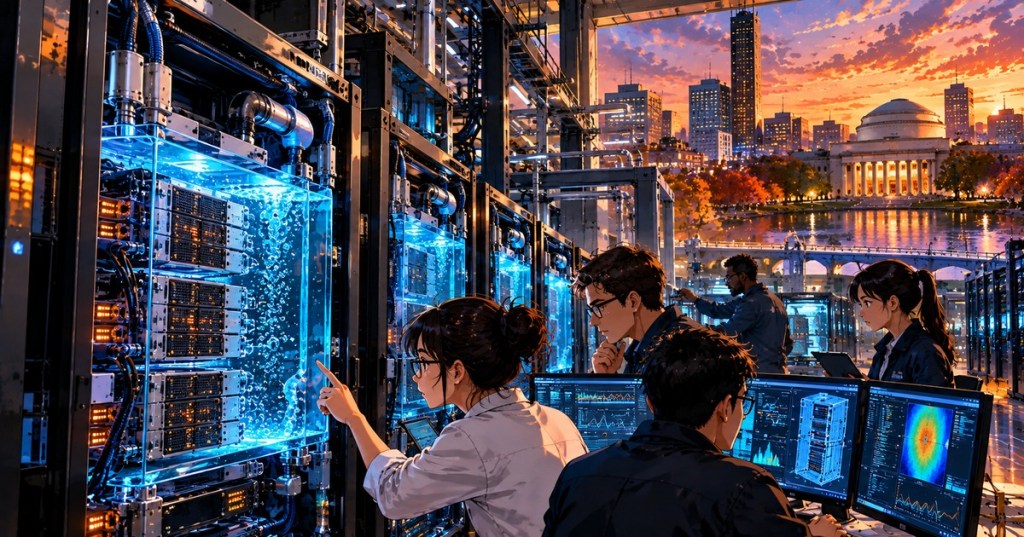
Ferveret has deployed its rack-mounted immersion-cooling technology in high-performance computing research at MIT, according to October 27, 2026 reporting. Researchers are using the infrastructure for AI-driven investigations of materials for next-generation nuclear systems. Ferveret says combined thermal and power-control improvements could deliver up to 35% more usable compute under the same power budget; that is a company claim, not an independently published MIT campus-wide result.
Key Takeaways
- MIT researchers are using Ferveret-cooled computing for demanding nuclear-materials research.
- Ferveret previously reported approximately 15% better server-level compute efficiency versus advanced liquid cooling in collaborative testing.
- The larger 35% figure combines cooling and control benefits; facility-scale savings still require independent validation.
A smaller kind of immersion cooling
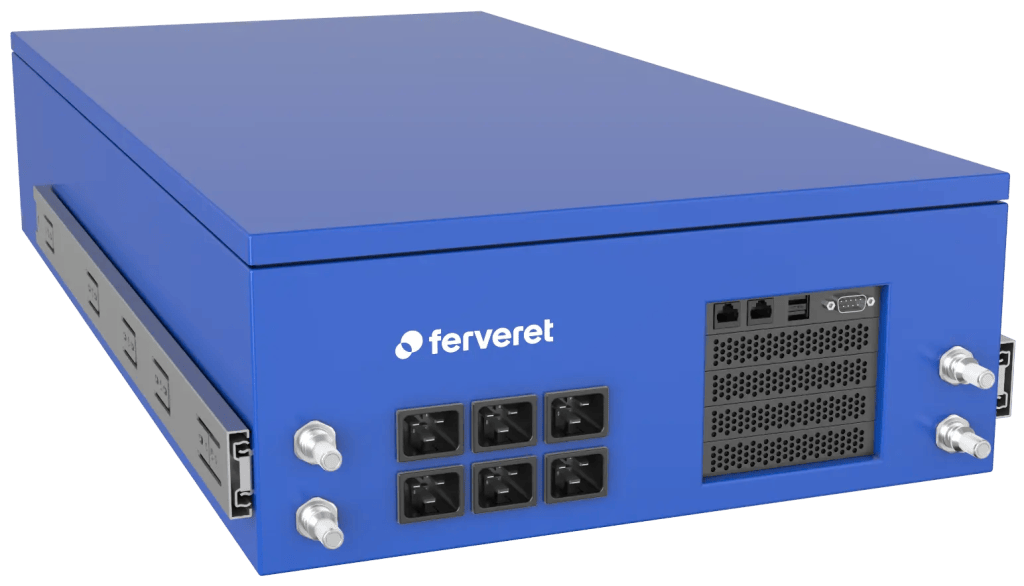
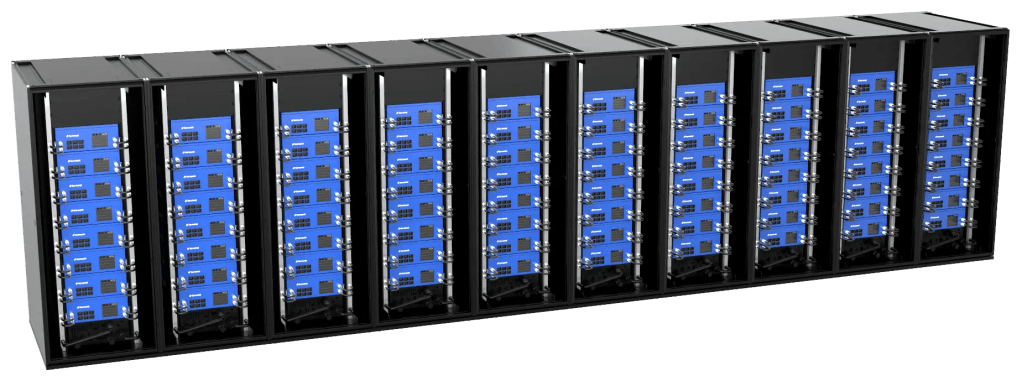
Ferveret’s Adaptive Phase Cooling immerses a server in dielectric fluid inside a compact enclosure. Tiny bubbles form at hot surfaces and collapse back into cooled liquid, moving heat without a conventional shared immersion tank. The company sells the modular Lambert 4U unit for integration into existing data-center racks, a potentially useful retrofit compared with rebuilding entire rooms.
According to MIT’s June explanation, the cooling approach emerged from heat-transfer research associated with nuclear reactors. Ferveret co-founders Reza Azizian and Matteo Bucci have both worked at MIT. Its latest research deployment supports analysis of difficult X-ray images from nuclear materials—not commercial power-generation output.
What capacity planners should measure
A cooling upgrade can reduce temperature-related GPU throttling, fan consumption and thermal constraints, but it does not create additional utility megawatts. Operators still must measure actual work per watt, power utilization, rack weight, fluid serviceability, coolant safety and heat rejection. That connects directly to BitcoinVersus.Tech’s compute-per-joule research and its guide to data-center cooling technologies.
For Power Efficiency Theory, the practical lesson is that thermal engineering can increase useful compute without increasing the electrical allocation. It is also relevant to Bitcoin mining hardware, although Ferveret’s 35% AI-workload figure must not be applied to ASIC hashrate. Before planners count that gain, sustained workload benchmarks and measured facility power are essential.
BitcoinVersus.Tech Editor’s Note: We volunteer daily to help ensure the information on this platform is Verifiably True. To support independent research, scan the donation QR below. Suggested donation: 5,000 sats (0.00005 BTC).

For best scanning results, display the QR code on a larger screen and scan it with another device.


Leave a Reply