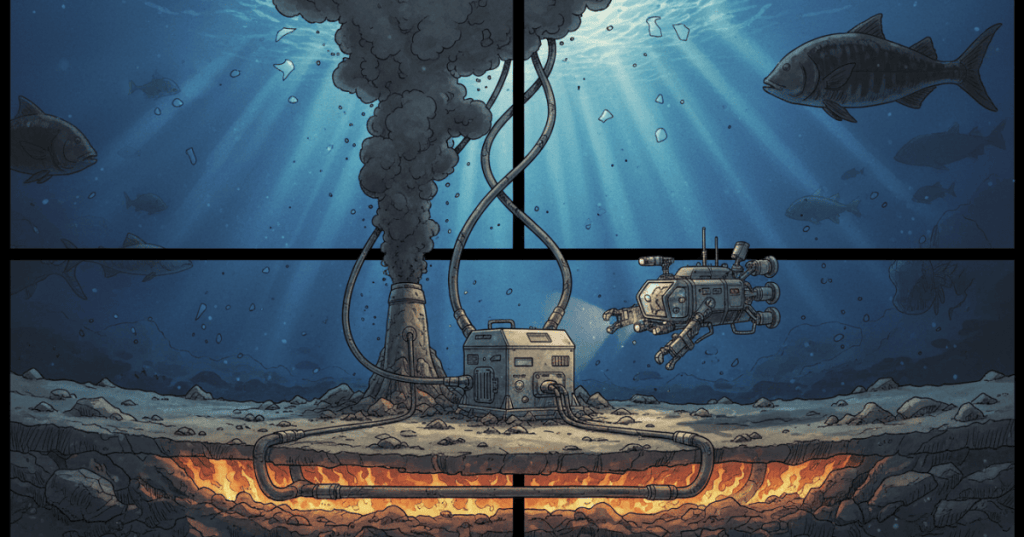
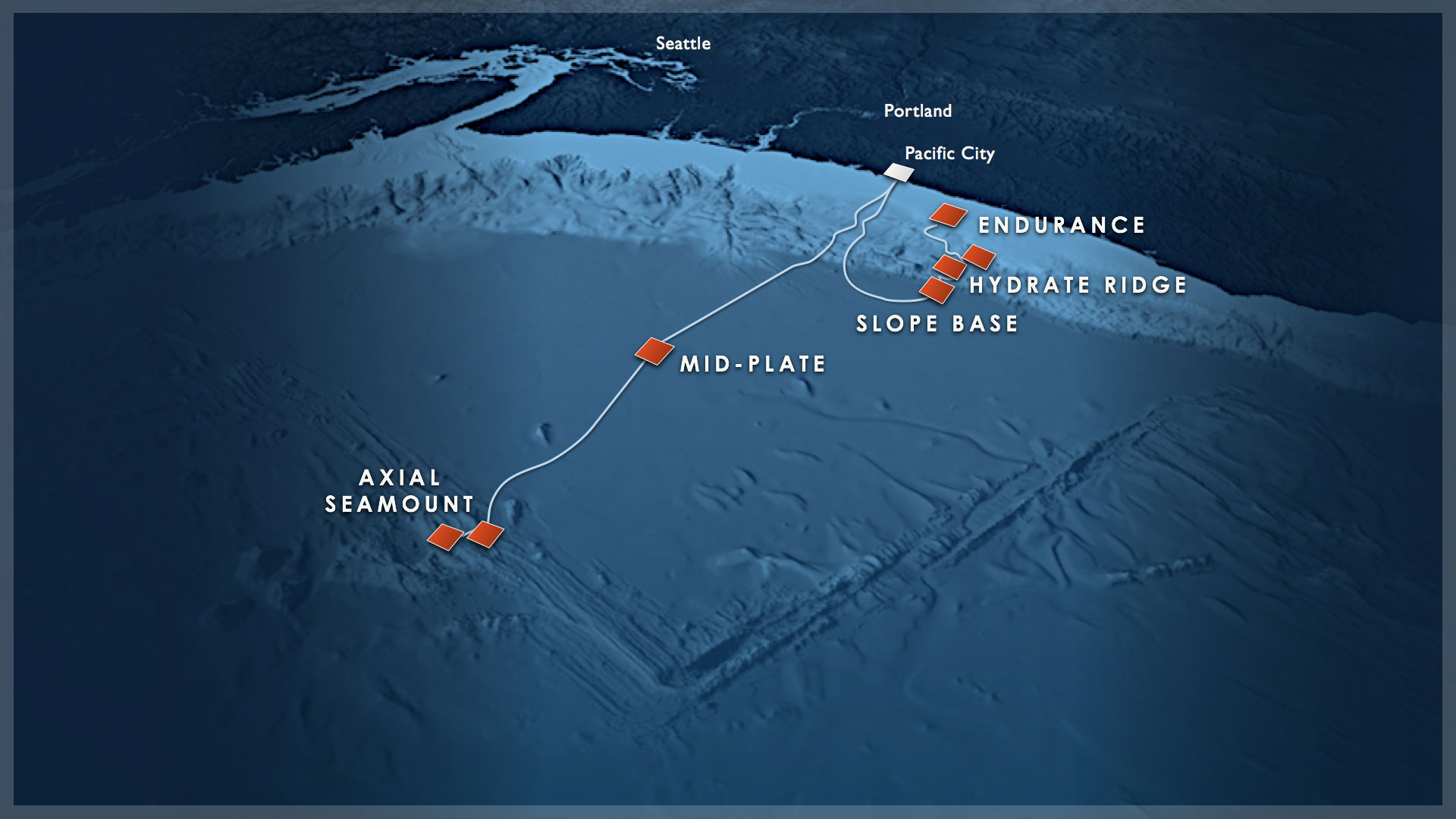
A Seattle startup has tested a geothermal power plant nearly a mile beneath the Pacific Ocean—and generated more electricity than it consumed for just 8.7 seconds. Endurance Energy disclosed the result on October 19, 2026, after its September 27 demonstration at Axial Seamount, roughly 300 miles off Oregon. The test established a striking engineering milestone, but not sustained commercial generation.
A 16-meter well, but power from a natural vent
The company’s three-ton Adélie prototype was lowered to the seabed and remotely commanded from Seattle through the National Science Foundation’s fiber-optic Regional Cabled Array. Crews drilled a 16-meter well in the volcano’s caldera, then installed casing and a valve. The well produced fluid at 260°C but could not supply enough flow to run the plant.
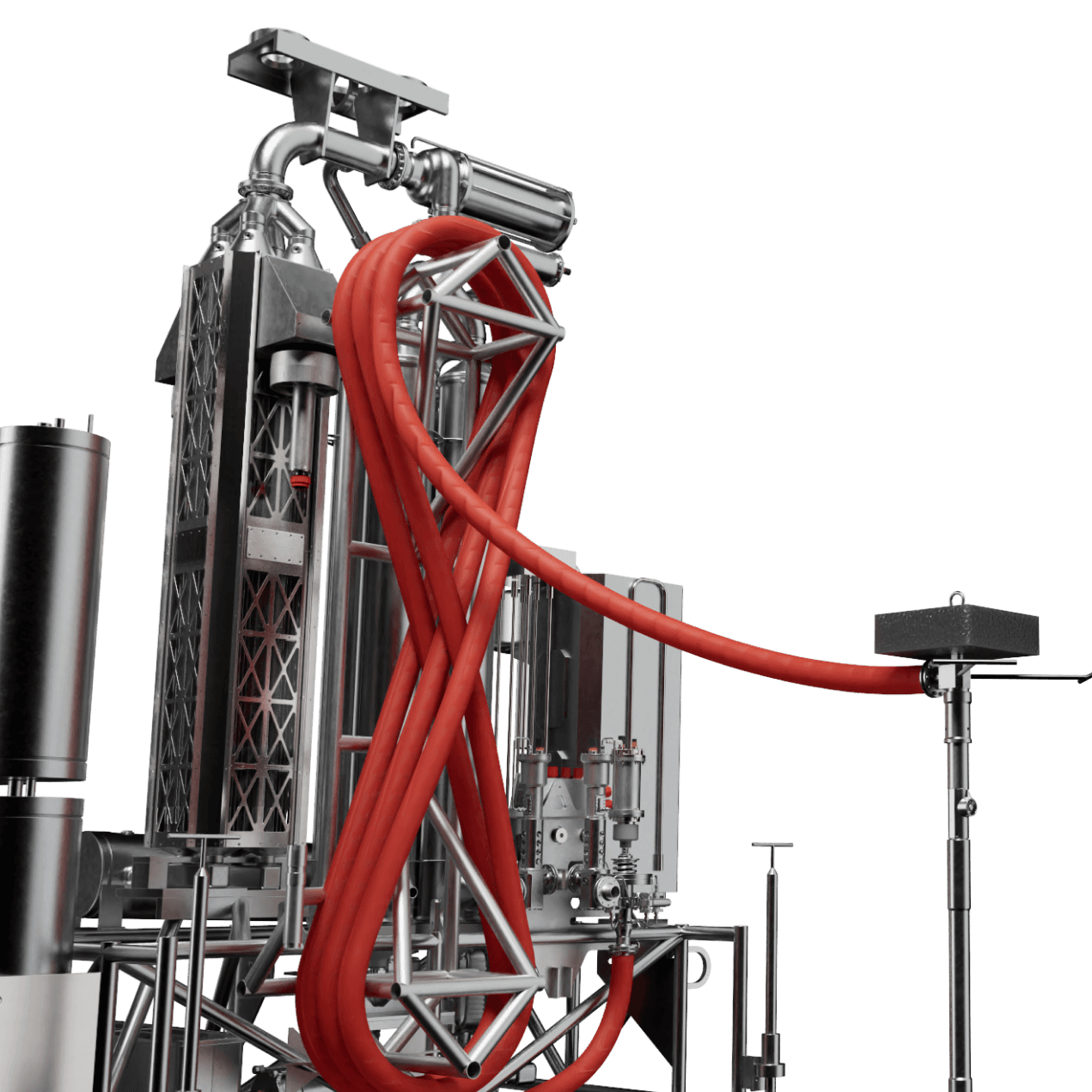
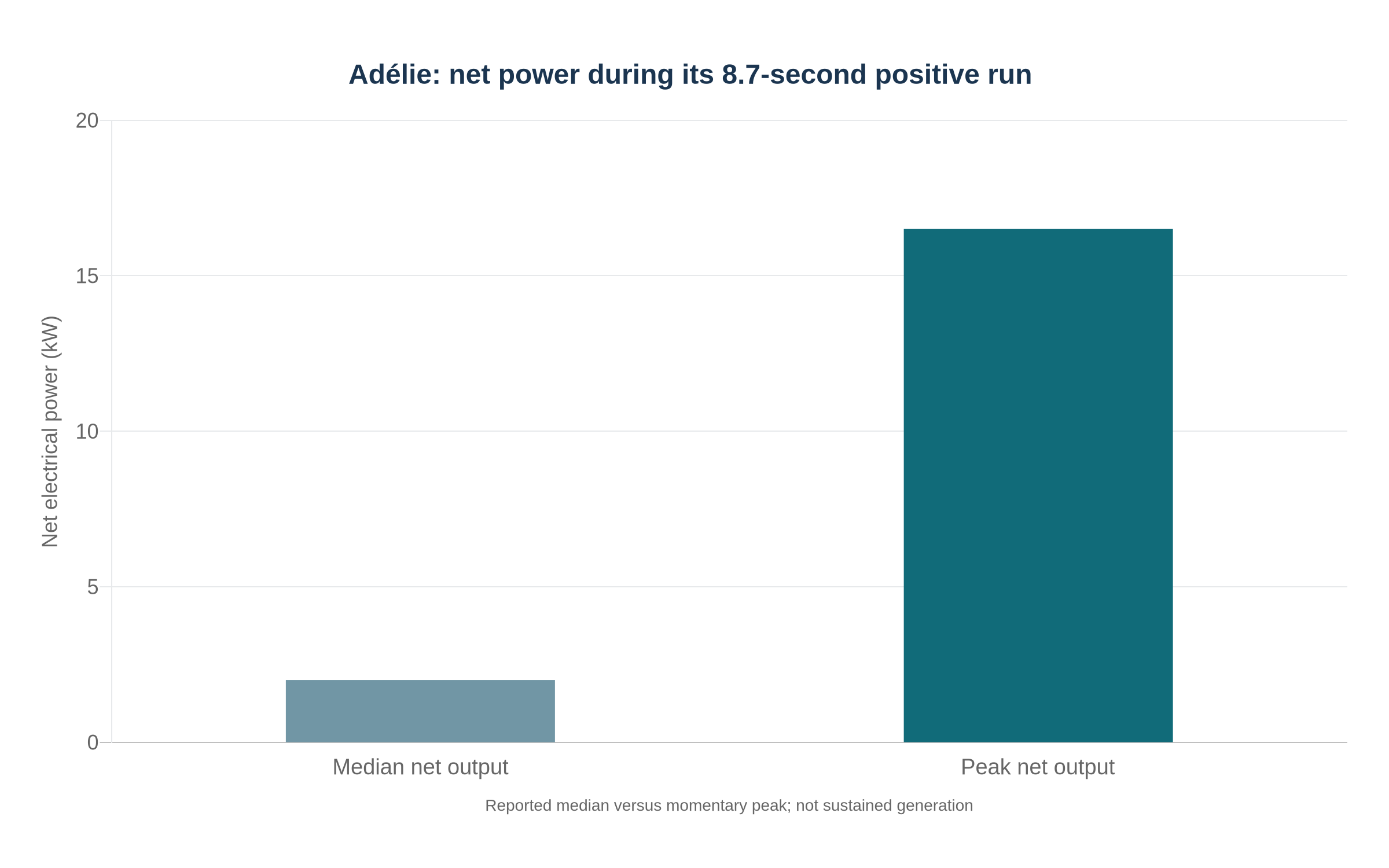
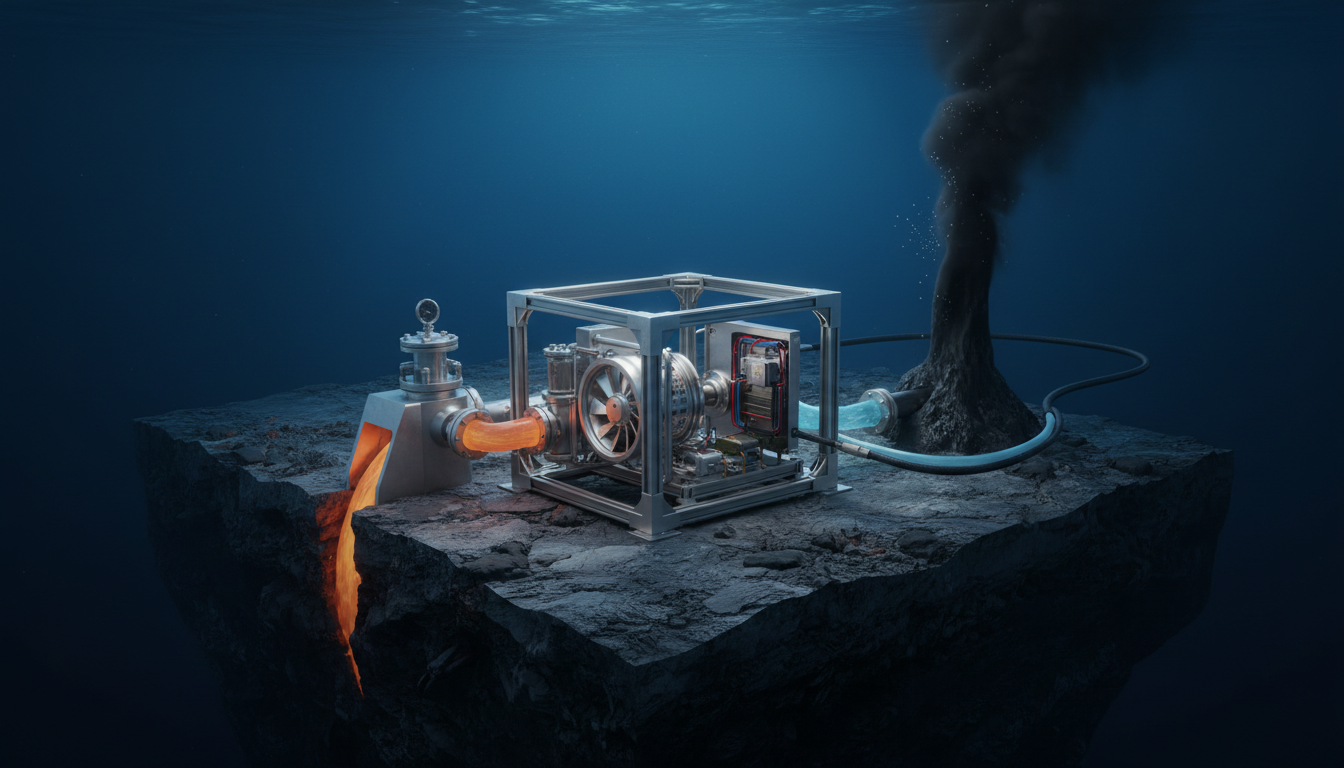
Instead, Adélie used a nearby natural hydrothermal vent at approximately 281°C. Heat from the fluid drove an organic Rankine-cycle turbine at about 26,000 rpm. Endurance reported 2 kW median net output and 16.5 kW peak net output during the short positive-power interval. Those figures measure net electrical power, not total electrical energy or the device’s proposed 100 kW design rating.
Why the test stopped
The run ended after a battery overcurrent-protection trip. A failed power cable supplying the refrigerant pump stopped a subsequent restart attempt. IEEE Spectrum’s October 27 update also describes water intrusion at a cable seal. The critical engineering lesson is reliability under corrosive, high-pressure ocean conditions.
This differs from Fervo’s operating 33 MW geothermal block in Utah, which produces contracted grid electricity on land. Endurance’s prototype has not demonstrated useful continuous output. Its remote communications depend on the same kind of infrastructure examined in our subsea cable repair reporting.
What happens next
The location itself matters. USGS says Axial Seamount is a highly active underwater volcano. The university-operated observatory already studies its vents and ecology. Endurance says it mapped local habitats, sampled water and collected environmental data; longer-term impacts still require assessment. The effort also complements wider research into offshore energy infrastructure.
Endurance plans a rebuilt Gentoo prototype this winter and a proposed 2 MW Leopard generator, with a first commercial project targeting Tonga in 2027. The firm has not proved those future targets. Heat-exchanger fundamentals explain the underlying physics, but cables, flow rates, marine maintenance and cost will decide whether the concept works beyond the laboratory.
Watch Axial Seamount underwater
Endurance Energy published its own behind-the-scenes film about building and deploying the prototype. This footage is a company account, not an independently verified power-output recording.
The linked company film documents the team’s expedition; the in-article university video below depicts the volcano’s natural hydrothermal environment.
BitcoinVersus.Tech
BitcoinVersus.Tech Editor’s Note: We volunteer daily to ensure the credibility of the information on this platform is Verifiably True. If you would like to support our work and help further secure the integrity of our research initiatives, please scan the QR code below to donate 5,000 sats. For best results, scan the QR code from a laptop or larger screen.

Bitcoin address: 3C9o19EH5HSiwEPyCTmEKzxhNCbo2X6TTb. On a phone, open the QR image on another screen or copy and verify the address in your wallet before sending.
BitcoinVersus.tech is not a financial advisor. This media platform reports on financial subjects purely for informational purposes.


Leave a Reply