
November 5, 2026 — The openSUSE Project released Leap 16.1 on November 3, bringing traditional Linux installations and a new Immutable Mode into one distribution. The change absorbs the former Leap Micro product line, allowing desktop, server, virtualization and edge users to select their preferred system model during installation rather than follow separate release tracks.
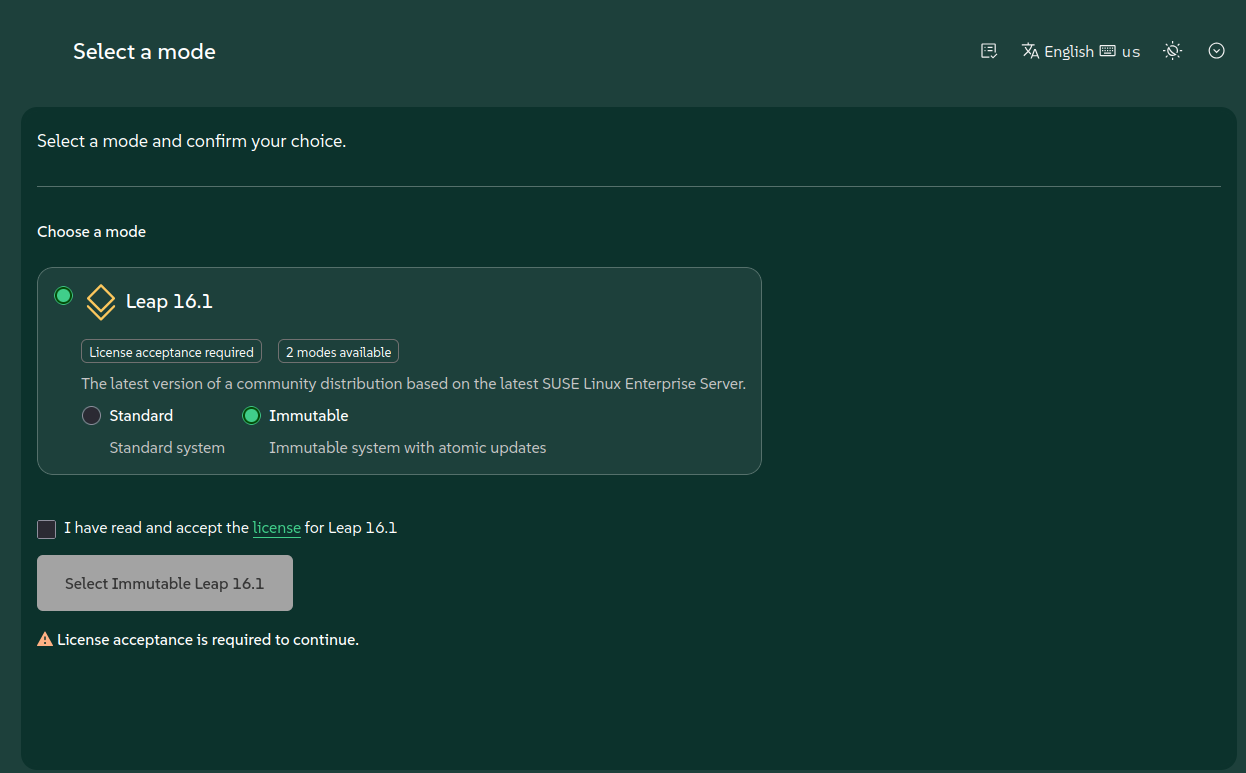
The Agama installer, now version 24, offers a Standard option with a conventional writable root filesystem and an Immutable option with a read-only root and transactional system updates. The official release notes identify Leap 16.1 Immutable as the direct successor to Leap Micro 6.2; there will be no Leap Micro 6.3.
Transactional updates change the server maintenance workflow
In Immutable Mode, the transactional-update utility stages system changes through filesystem snapshots. A reboot activates the updated snapshot; rollback offers a way to return to an earlier state if the change fails. Applications can run in containers using Podman or Distrobox, or through Flatpak where appropriate. Snapshot rollback does not replace verified backups of application data, databases or external storage.
The design can help administrators standardize container hosts and reduce accidental modifications to base-system files. However, immutable deployment also changes package-management practices and may complicate software expecting unrestricted writes to the root filesystem. Existing Leap Micro 6.2 machines can migrate using the openSUSE migration tool, but the project’s guidance calls that path experimental and recommends backups first.
BitcoinVersus.Tech previously covered Talos Linux’s virtualization strategy and virtual machines and their infrastructure requirements. Leap’s merged release model offers another operational choice for IT teams managing physical servers and virtualized fleets.
Desktop and developer packages receive updates
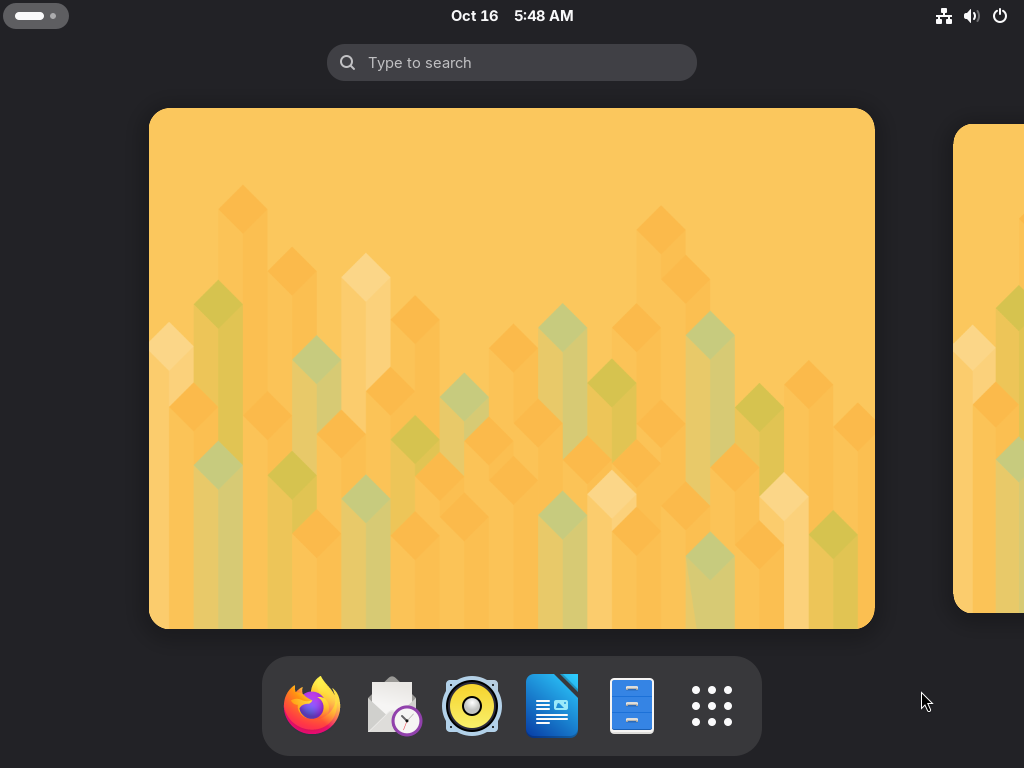
Leap 16.1 updates KDE Plasma from the 6.4 series to 6.6, with Qt 6.11 and KDE Frameworks 6.25. GNOME remains on version 48 with maintenance changes, while LXQt advances to 2.4. The underlying stable Linux kernel remains on the 6.12 series, accompanied by systemd 257 and glibc 2.40.
Developers gain access to Python 3.14 alongside default Python 3.13, plus LLVM 21, PostgreSQL 18, MariaDB 12.3 and PHP 8.5. Virtualization and container packages include QEMU 11.0, libvirt 12.4 and Podman 5.8. The site’s KDE, GNOME and XFCE comparison provides more context for desktop selection, while its Linux distribution guide explains the broader release-model tradeoffs.
Hardware requirements and migration limits matter
Leap 16.1 retains the x86-64-v2 CPU baseline and Security-Enhanced Linux (SELinux) as its default security module. Support for running 32-bit x86 applications remains disabled by default, which can affect older software and games; official instructions describe compatibility options and Flatpak-based Steam installation. The release notes also identify SAP workloads as unsupported in Immutable Mode. Operators should check their exact hardware, drivers and applications before upgrading.
For Leap 16.0 installations, openSUSE documents an upgrade process using opensuse-migration-tool, including a --dry-run preview. The project’s policy describes annual minor releases and 24 months of maintenance across two minor-version windows. A supported target and successful dry run do not eliminate the need for tested recovery procedures. Related BitcoinVersus.Tech coverage of copy-on-write behavior in Linux explains a separate foundational technique relevant to understanding efficient snapshot-based storage.
One publication detail requires correction: openSUSE’s release team initially described Leap 16.1 as launching on the same day as SUSE Linux Enterprise Server 16.1. The official announcement now explicitly corrects that statement; the enterprise release was still expected later in November. The two products share underlying sources, but their release dates should not be treated as identical.
For administrators, the practical next step is a pilot installation, compatibility testing, backup verification and measured recovery exercise. The significance of Leap 16.1 is not a claim of superior performance; it is the ability to choose conventional or immutable administration while remaining on one maintained distribution branch.
Sources: openSUSE release announcement, November 3, 2026; openSUSE Leap 16.1 release notes; Agama Immutable Mode technical preview; LWN release report, November 3.
Editor’s Note: The openSUSE project corrected its initial claim that Leap 16.1 and SUSE Linux Enterprise Server 16.1 shipped simultaneously. Both in-body screenshots are sourced from the official openSUSE project; the featured cover is an editorial illustration and does not depict a literal installed system.

We volunteer daily to improve the credibility of the information on this platform. If you would like to support the research, please donate here: 3C9o19EH5HSiwEPyCTmEKzxhNCbo2X6TTb
BitcoinVersus.tech is not a financial advisor. This media platform reports on financial subjects purely for informational purposes.


Leave a Reply