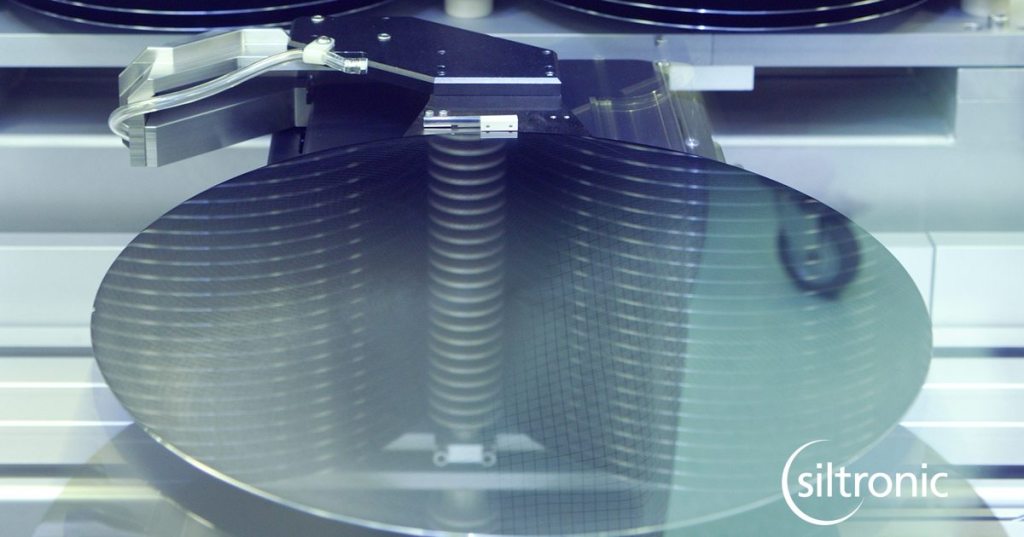
Siltronic raised its 2026 sales outlook on Nov. 4 after selling more silicon wafer area in the third quarter. The Munich-based supplier now expects annual sales to be roughly in line with 2025, after previously projecting a low- to mid-single-digit decline. The quarterly statement cited stronger demand and more favorable exchange rates. CEO Michael Heckmeier said the company’s expansion of 300 mm capacity in Singapore is serving demand driven in particular by AI.
Third-quarter sales rose 10.5% from the previous quarter to €355.4 million from €321.6 million. Siltronic attributed most of the sequential increase to a larger wafer area sold across both 300 mm and 200 mm products. Sales for the first nine months reached €983.5 million, up about 0.9% from €975.1 million a year earlier. Higher volume over that period offset weaker pricing, an unfavorable product mix and currency effects.
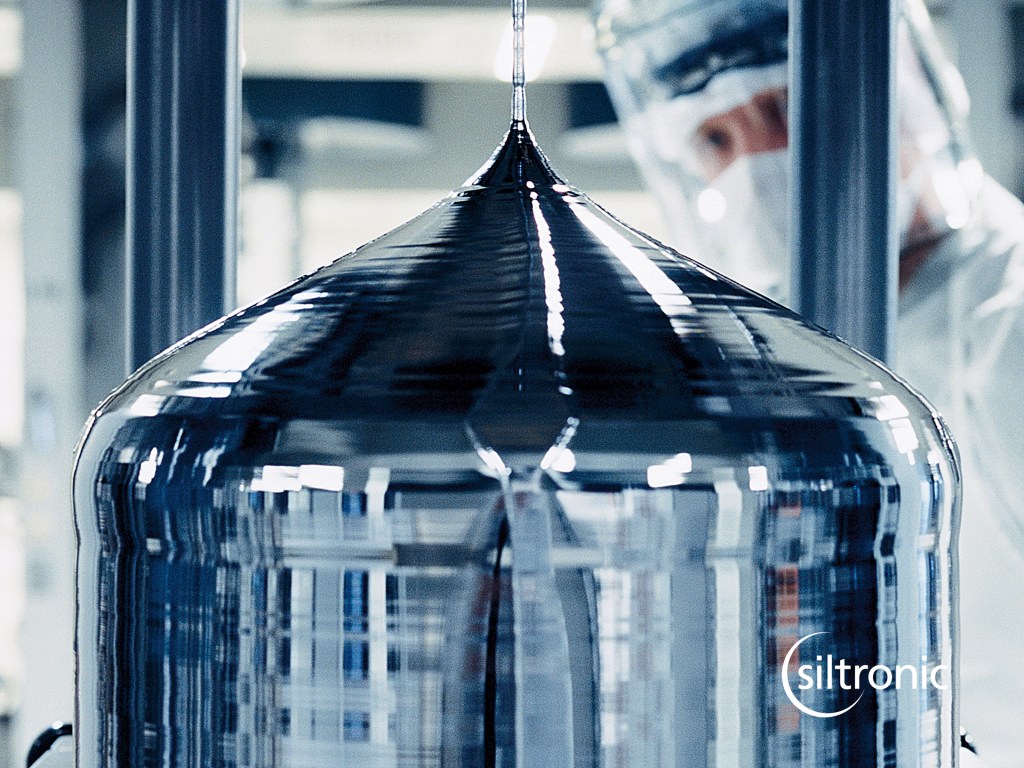
A wafer supplier sells the material on which chipmakers build circuits. A 300 mm wafer has 2.25 times the gross surface area of a 200 mm wafer, based on the square of their diameters. Actual usable chips per wafer depend on die dimensions, edge losses and manufacturing yield. The difference between wafer size and finished output also matters for compound semiconductors, as Wolfspeed’s 200 mm silicon-carbide wafers and Bosch’s Roseville qualification process illustrate.
Heckmeier told Reuters that chipmakers are prioritizing more lucrative AI infrastructure orders, constraining supply in some PC and smartphone markets. He estimated that AI server farms use roughly three to four times as much silicon area as conventional server installations. Siltronic’s reported sales figures do not quantify the share sold into AI or measure how much chip supply shifted away from other customers.
AI infrastructure also uses more than accelerator chips. Memory, networking and optical components support the movement of data within and between systems. Earlier coverage of CXL memory pooling and Tower and Innolight’s optical chip production shows where some of that additional hardware fits. Those developments illustrate demand across multiple chip categories without establishing sales to any specific Siltronic customer.
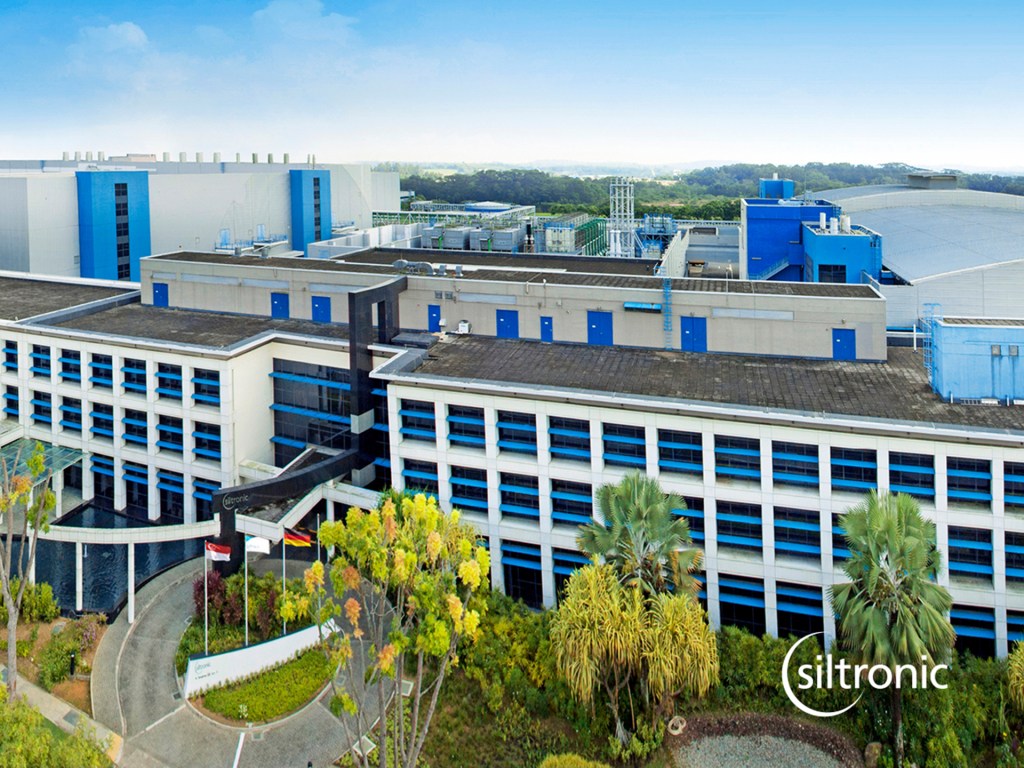
The Singapore expansion carries a cost. Siltronic posted a third-quarter net loss of €55.0 million, compared with €63.2 million in the second quarter. Its nine-month operating loss reached €146.7 million, versus a €7.2 million operating profit a year earlier. The company identified higher depreciation, primarily tied to Singapore capacity investments, as a major factor. Selling more wafer area helps spread fixed costs, but the quarter still produced a gross loss of €7.5 million.
Management expects a full-year EBITDA margin of 22% to 24%, compared with its previous forecast of 20% to 24%. The sales outlook assumes $1.14 per euro in the fourth quarter. The next results will show whether higher wafer volumes hold, whether pricing and product mix improve, and how much of the extra revenue reaches operating profit as Singapore production expands.
BitcoinVersus.Tech Editor’s Note: We volunteer daily to ensure the credibility of the information on this platform is Verifiably True. If you would like to support to help further secure the integrity of our research initiatives, please donate using the QR code provided

For best QR-code scanning results, please scan this donation code from a desktop or larger screen. Mobile screens may prevent camera recognition. Verify the receiving address 3C9o19EH5HSiwEPyCTmEKzxhNCbo2X6TTb before sending.
Disclaimer: BitcoinVersus.Tech is not a financial advisor. This media platform reports on financial subjects purely for informational purposes.


Leave a Reply