Keel Infrastructure, formerly Bitfarms, sold 2,520 Bitcoin for $192.2 million during the third quarter of 2026, liquidating substantially all its cryptocurrency treasury as it redirected capital toward AI data centers. The November 5 earnings announcement and SEC quarterly filing account for 2,261 BTC held at June 30 plus 259 BTC mined during the quarter. Its September 30 balance was nominal, not an exact zero.
Keel’s former business centered on proof-of-work Bitcoin mining, where specialized ASIC chips repeatedly compute SHA-256 hashes in pursuit of valid blocks. The company’s changed strategy replaces accumulated coins with cash for infrastructure construction. Freshly mined Bitcoin from its remaining Québec sites is generally sold daily, leaving less direct exposure to cryptocurrency prices through treasury holdings.
A $192 million sale is not operating revenue
Proceeds from selling Bitcoin already held on the balance sheet must not be confused with the company’s mining income. Keel reported $27.6 million of third-quarter revenue, down from $68.0 million a year earlier, a 59% decline. Bitcoin mined fell from 520 BTC to 259 BTC over the comparable quarters. The company attributed much of its revenue contraction to the cessation of U.S. Bitcoin mining and a lower average Bitcoin price.
Operating losses narrowed to approximately $8 million from $18 million, but the loss from continuing operations reached $62 million, versus $11 million a year earlier. Management identified a $55 million noncash mark-to-market loss on capped-call arrangements tied to convertible notes. Adjusted EBITDA was negative $27 million, a non-GAAP measure rather than cash generated by running servers.
Earlier BitcoinVersus.Tech reporting tracked Keel’s shutdown of Panther Creek Bitcoin mining. The earnings filing provides the next financial consequence: exiting most mining and liquidating the treasury removes a source of Bitcoin exposure while the replacement data-center business has yet to produce operating revenue.
Québec mines remain operational
Keel has not stopped Bitcoin mining everywhere. Its remaining cryptocurrency production occurs in Québec, while Panther Creek and Scrubgrass in Pennsylvania contribute electricity sales from approximately 60 MW and 63 MW of gross generating capability, respectively. Gross capacity is not a guarantee of energy dispatched or contracted revenue. The company warns that the Pennsylvania sales remain exposed to wholesale PJM prices.
The company also disclosed regulatory exposure in Québec. Proposed Hydro-Québec tariffs could threaten remaining mining economics, and plans to convert regional mining facilities into AI infrastructure require additional approvals. Previous coverage of the 96 MW Sherbrooke conversion proposal identified those permitting constraints.
Cash is available, but lease revenue is still prospective
Keel reported approximately $780 million in unrestricted cash on November 4. Its September 30 filing also listed $1.046 billion in convertible-note principal and acknowledged that no revenue-generating HPC data-center capacity was operating at quarter-end. Cash liquidity does not erase obligations or guarantee a profitable conversion.
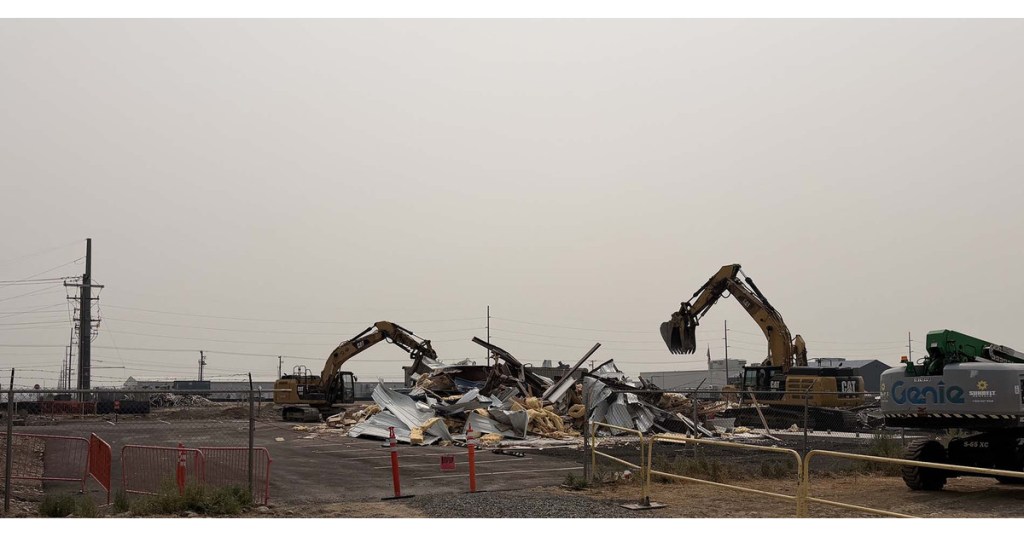
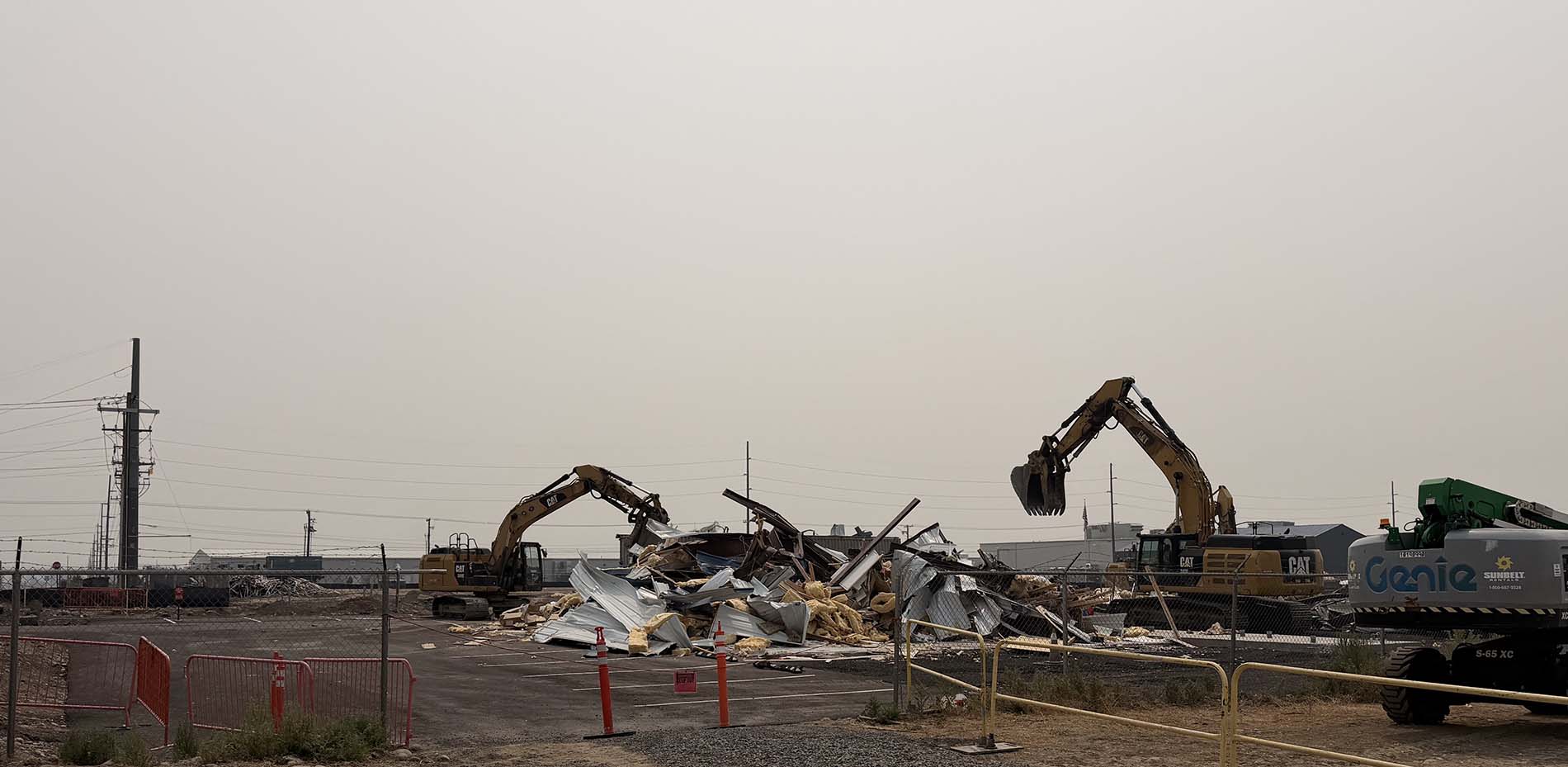
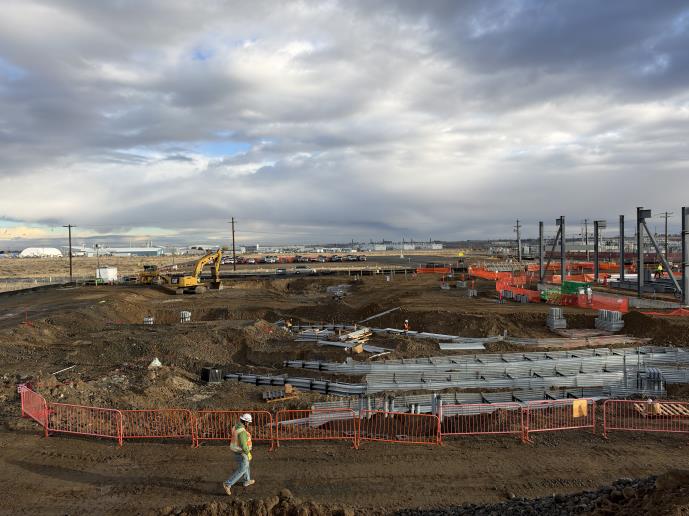
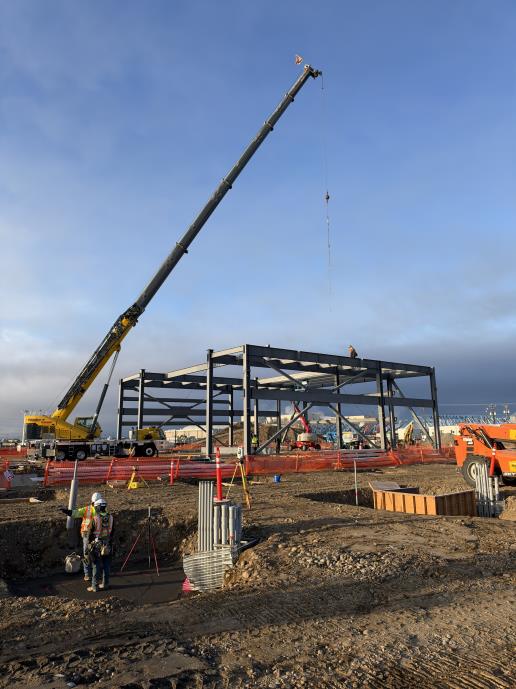
Construction has begun on an 18 MW Moses Lake campus in Washington state, with initial energization and HPC revenue targeted for 2027. Keel says lease negotiations are underway at three near-term sites. Those targets remain conditional, unlike the completed Bitcoin sales. BitcoinVersus.Tech previously examined the Moses Lake backup-power strategy and its dependence on physical power infrastructure.
Keel’s shift reflects a wider competition for land, electrical connections and high-density computing tenants. Core Scientific’s planned mining exit provides a comparison, but different capital structures and construction schedules make direct valuation comparisons hazardous. Keel must secure leases, finish construction and convert planned megawatts into paid computing service before its strategy can replace mining revenue.
The treasury sale is complete and supported by SEC filings. The profitability of Keel’s future AI operations, by contrast, remains unproven. Investors face a transition period with reduced Bitcoin inventory, remaining mining and energy-market risk, substantial financing requirements and no commissioned revenue-producing HPC capacity reported as of September 30.
Editor’s Note: The October 8–November 7, 2026 reporting window was screened for previously unpublished developments. Keel’s November 5 earnings release and SEC Form 10-Q confirm 2,520 BTC sold for $192.2 million, the remaining Québec operation, September 30 financial results and the November 4 unrestricted cash amount. The company reported nominal Bitcoin holdings, not strictly zero coins, and its $192.2 million in Bitcoin asset-sale proceeds is not operating revenue. Three images are actual operator-supplied Moses Lake construction and demolition photographs dated April 27, October 28 and October 29, 2026, respectively. No custom diagram, speculative rendering or unverified YouTube video was used. Independently testing public-page desktop/mobile display and video playback remains outstanding.

To donate 5,000 sats, scan the original Bitcoin donation QR code using a compatible wallet. On mobile, display the QR on another screen or use a wallet’s supported image-scanning feature. Verify the receiving address 3C9o19EH5HSiwEPyCTmEKzxhNCbo2X6TTb before transferring any bitcoin.
We volunteer daily to ensure the information on this platform is Verifiably True. If you would like to support the research, please scan QR code.
BitcoinVersus.tech is not a financial advisor. Financial and infrastructure reporting is informational and is not a recommendation to trade securities or cryptocurrencies.


Leave a Reply