
The central banks of Britain, Singapore and Thailand have demonstrated how foreign-exchange payments can settle together across different wholesale payment technologies. Findings published November 13, 2026, from Project Meridian FX APAC describe successful simulated payment-versus-payment (PvP) and multilateral net settlement, coordinated through a prototype built by Partior. The experiment connected test environments—not live customer accounts—and does not constitute a deployed international payment system.
How a foreign-exchange trade can fail
FX trading normally involves two linked transfers: one bank sends a currency, and another sends the currency it bought. If the transfers settle at different times, a party can deliver money without receiving the matching payment. Such exposure is called settlement risk. According to the Bank of England, the 2025 BIS survey estimated that more than $1.4 trillion—about 10%—of average daily FX settlement remained fully exposed to the risk in April 2025. The figure is historical market exposure, not savings achieved by the experiment.
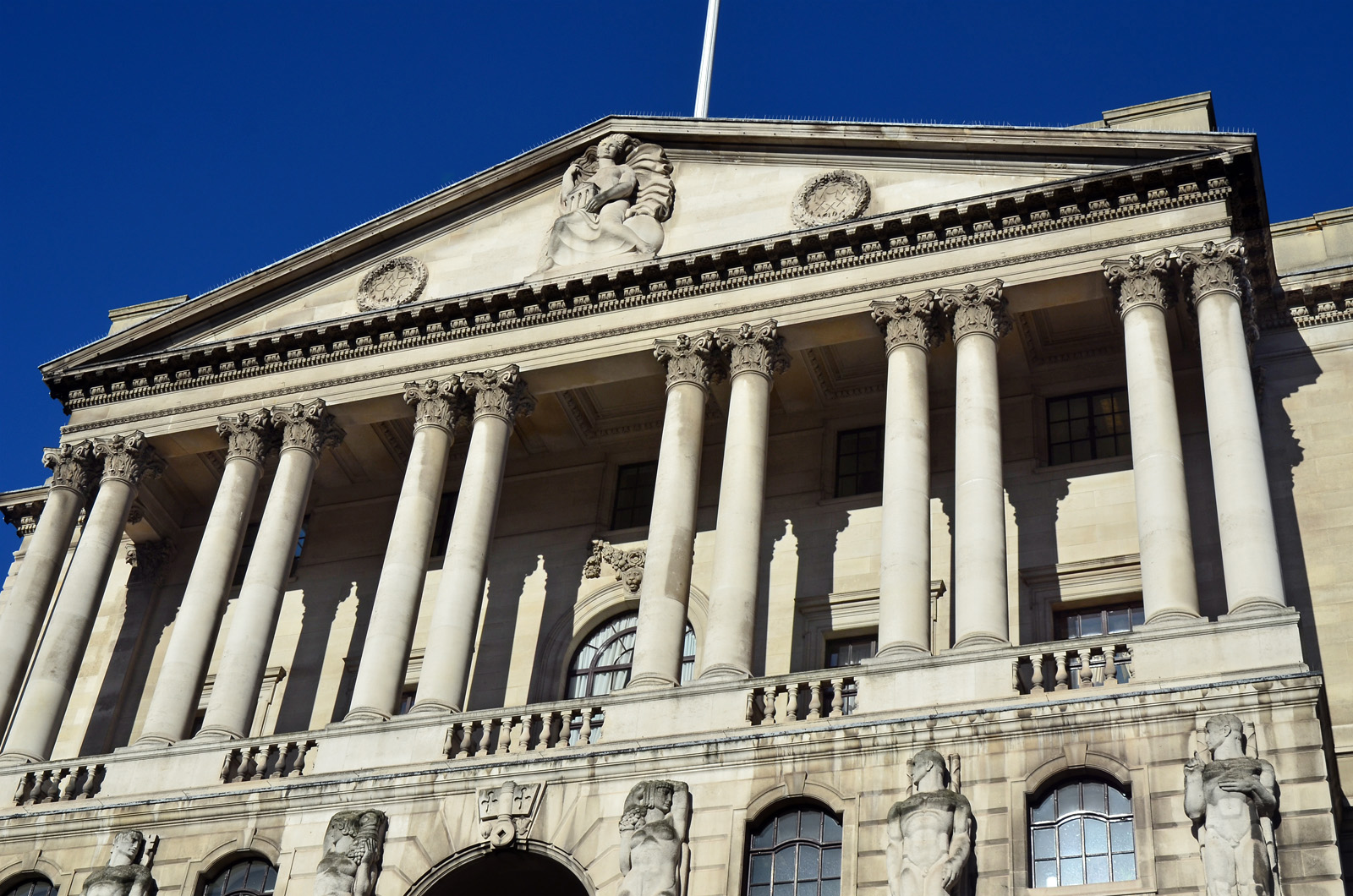
PvP addresses the problem by making each payment conditional on the other. In the trial, a “Synchronisation Operator” checked readiness and coordinated an all-or-nothing outcome across different central bank test systems. The three environments included conventional real-time gross settlement (RTGS) and tokenised or distributed-ledger arrangements. Partior provided the prototype and integration work, according to the technical report. No common blockchain was required.
Three systems, one settlement decision
Engineers tested individual currency exchanges and multilateral netting, which offsets compatible obligations before settlement to reduce the amount of cash needed. They also simulated insufficient balances, incorrect account identifiers and temporary system outages. The prototype maintained the intended link between payment legs in selected cases, but different infrastructure capabilities required system-specific adapters or fallback arrangements.
The results extend research into financial networks that need to exchange value without imposing one technology stack. BitcoinVersus.Tech has separately covered Visa’s stablecoin-settlement expansion and Broadridge’s tokenised repo activity. Those commercial services differ from synchronising central-bank reserves; a cryptocurrency transfer cannot automatically substitute for central-bank settlement finality.

A technical success, not a live deployment
The central banks’ executive summary expressly notes that their experiments omitted the full FX trade lifecycle, live participants and production operating conditions. They have not published a verified industrywide reduction in failed settlements or a measured dollar saving from the prototype. Legal questions remain over finality, governance, privacy, operator responsibilities, outages and cross-border oversight. Australia and the Philippines participated as policy observers, not as additional live settlement networks.
The Bank of England plans a live synchronisation interface in 2028; that intention does not commit the three-country prototype to commercial operation by that date. Other market infrastructure efforts, including NYSE’s tokenised-stock platform and the Canton-based OTC swap demonstration, illustrate demand for linking financial systems while highlighting different regulatory and operating questions.
The next benchmark is repeatable operation with real institutions, enforceable settlement rules and independently measured liquidity savings. Meridian FX APAC supplies engineering evidence that incompatible systems can coordinate a payment decision; it does not prove global FX settlement has been modernised already.
Primary documentation
Bank of England joint announcement, November 13; Monetary Authority of Singapore confirmation; technical findings; policy and legal considerations; BIS official video library.
BitcoinVersus.Tech Editor’s Note: We volunteer daily to ensure the credibility of the information on this platform is Verifiably True. If you would like to support to help further secure the integrity of our research initiatives, please donate using the QR code provided.

For reliable QR scanning, open the article on a desktop or larger screen and scan using a mobile wallet. If reading on a phone, save the QR image and use your wallet’s scan-from-image feature where available. Independently verify the wallet recipient and 5,000-satoshi amount; Bitcoin transfers are generally irreversible.
BitcoinVersus.Tech is a volunteer-run independent technology publication. Coverage is educational and informational, not financial or investment advice.


Leave a Reply