A security update meant to protect home Bitcoin miners accidentally interrupted some encrypted mining connections. The open-source Nerd*OS 1.1.2 firmware now fixes a certificate-validation regression affecting NerdQAxe-family equipment. The developer’s official release notes identify three affected services: Stratum-over-TLS pool connections, Discord notifications and other HTTPS requests using Google Trust Services certificates. Miners using different certificate chains were not necessarily affected. The change repairs how approved certificate roots are recognized; it does not make a miner hash faster or alter Bitcoin’s consensus rules.
Red Fox Crypto’s January 2026 NerdQAxe++ hardware and pool-configuration walkthrough. Archived instructional footage, not a test of Nerd*OS 1.1.2.
How a security fix broke legitimate pool connections
The earlier v1.1.1 release replaced the firmware’s certificate bundle after a reported eMudhra certificate-authority compromise. BitcoinVersus.tech covered the certificate-store and Ethernet improvements. The tighter trust configuration had an unexpected compatibility problem: legitimate servers presenting some Google Trust Services certificate chains returned Failed to verify certificate. Affected miners could fail to establish protected pool sessions even while their ASIC chips and fans continued operating.
TLS checks the identity of a remote server and encrypts information in transit. Depending on how certificates are issued, a legitimate server’s chain may terminate at a cross-signed root. The new upstream pull request #758 accepts the necessary cross-signed roots already represented by the pinned bundle. The developer says no new certificate authorities were introduced and the certificate chains rejected following the eMudhra incident remain untrusted. Disabling verification is neither required nor recommended.
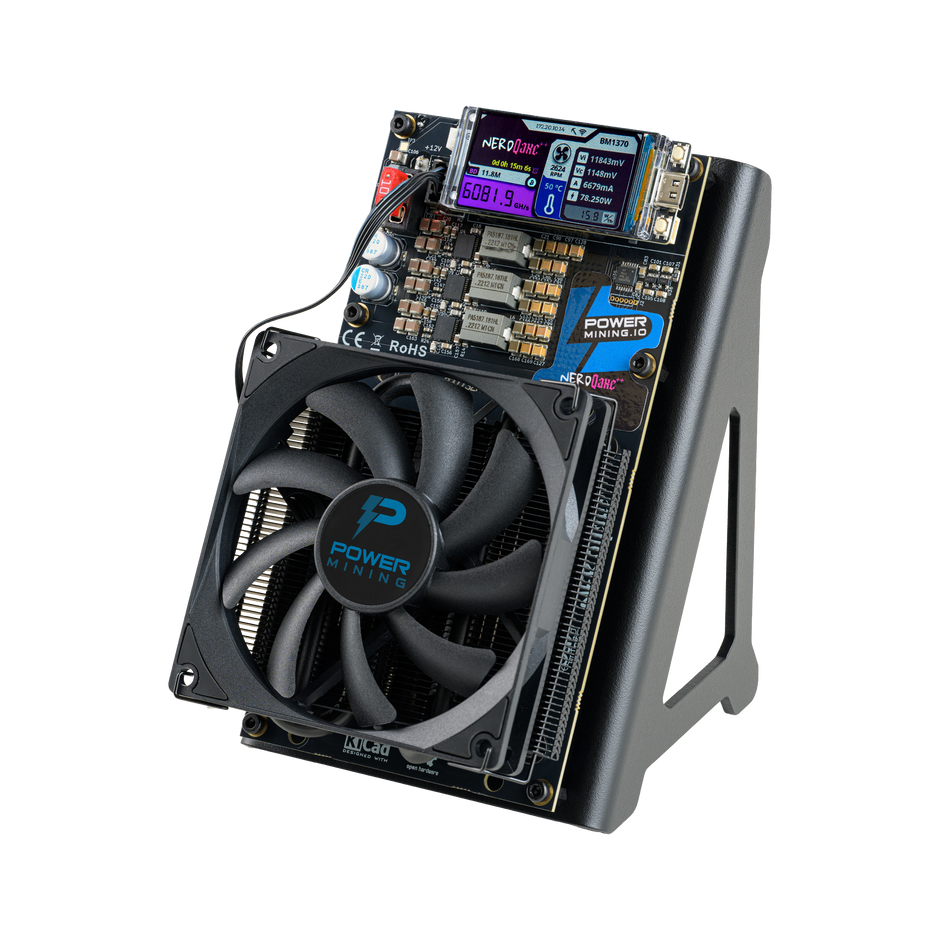
Why the lost connection matters to miners
A miner’s displayed hashrate is not the same as accepted work. If a configured pool uses TLS and the certificate cannot be validated, the miner may be unable to receive valid jobs or submit shares. Operators might see an apparently healthy device but no credited mining activity. Separate Discord alerts could also go silent, delaying recognition of overheating, connectivity trouble or downtime.
The distinction is operationally important: accepted, rejected and stale shares measure different outcomes, as explained in our mining-pool share guide. No evidence in the release notes establishes the number of affected miners, their lost Bitcoin income or a change in hashing efficiency. Any revenue-loss estimate would require actual logs, elapsed downtime and payout data.
B-ham Burdas’ February 2026 Bitaxe and NerdQAxe setup demonstration, including pool settings and troubleshooting. Historical context only, not a benchmark of the new patch.
Secure monitoring gains HTTPS and cleaner statistics
The firmware also adds certificate-verified HTTPS support for InfluxDB telemetry. A miner can export operational measurements to a secured time-series endpoint rather than assuming that all connections use plain HTTP. Grafana integrations now receive the persisted all-time best difficulty recorded by the device, bringing the monitoring panel closer to the onboard dashboard.
Another fix validates Swarm discovery responses, preventing unrelated networked equipment, such as smart lighting bridges, from appearing as Bitcoin miners. An OCEAN pool quick link receives a corrected icon address. Those quality-of-life changes do not create extra mining shares, improve ASIC silicon or guarantee that any particular network will behave identically.
How to approach the update safely
Operators should confirm their exact NerdQAxe, NerdAxe or related board target and download only the matching image from the official release. Record current pool, Wi-Fi, alert and tuning settings before updating. Test a single unit before rolling the update across a fleet, then confirm certificate validation, pool connection, accepted shares, Discord alerts and HTTPS telemetry where configured. Avoid experimental images or unrelated Bitaxe firmware.
Our firmware recovery guide covers matching images and rollback planning, while Stratum V2 maintenance reporting places encrypted mining connections within the broader pool-security landscape. The practical lesson is simple: a security patch must reject compromised identities without disconnecting legitimate miners. Nerd*OS 1.1.2 addresses a documented regression, though independent device-by-device validation remains necessary.
Sources: Official Nerd*OS 1.1.2 release; developer’s TLS fix; Freedom.Tech’s November 17 release coverage; Google Trust Services certificate documentation. Reported effects are developer disclosures, not measurements performed independently by BitcoinVersus.tech.
Editor’s Note: We volunteer daily to ensure the credibility of the information on this platform is Verifiably True. If you would like to support our work and help further secure the integrity of our research initiatives, please scan the QR code below to donate 5,000 sats.

Disclaimer: BitcoinVersus.tech provides independent educational technology journalism, not financial, mining-pool security certification or device repair advice. Firmware updates involve compatibility and outage risks. Verify exact hardware revisions, official release files and configuration backups before making changes.


Leave a Reply