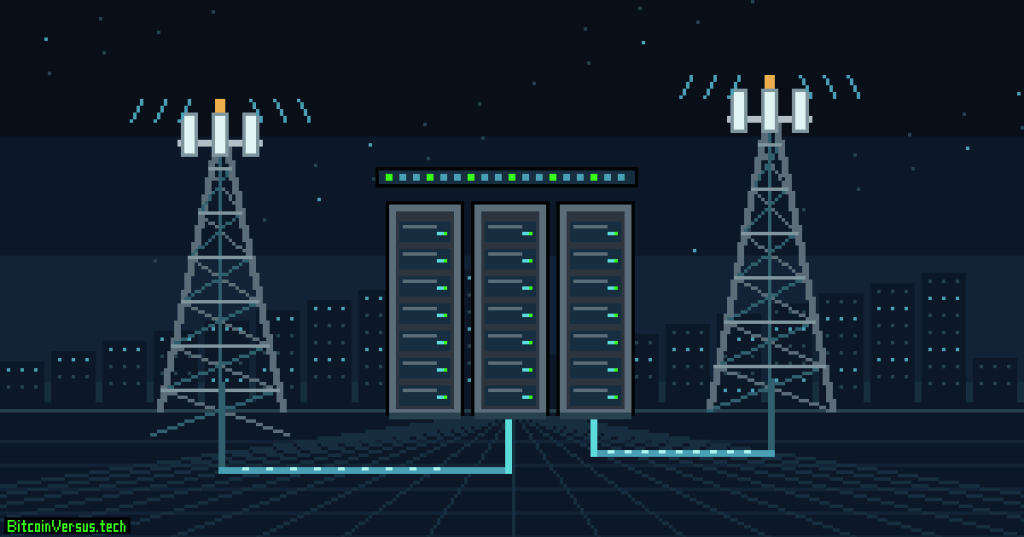
Mobile networks are becoming software-controlled systems capable of adapting their own radio resources. On November 26, 2026, the O-RAN Alliance announced the results of its autumn Global PlugFest, an interoperability exercise involving 47 organizations, 16 laboratories and 20 hosts. Engineers explored AI-enabled fault detection, energy management and radio-link adjustment for remote driving.
The event also tested a 15-kilometer fronthaul connection, a radio shared by multiple operators and a full-scale 64 × 64 massive MIMO system. The demonstrations are engineering validation exercises rather than evidence of universal commercial readiness.
Why open interfaces matter
A conventional mobile base station contains antennas, radio electronics, signal-processing hardware and software. Open RAN separates important functions into interoperable building blocks, allowing operators to evaluate equipment from different suppliers. The radio unit handles radio-frequency signals, while the distributed unit processes timing-sensitive digital traffic. A centralized unit handles higher-layer functions.
The fronthaul interface connects the radio and distributed units. A longer optical connection can enable more flexible placement of compute equipment, but fiber propagation alone adds approximately five microseconds per kilometer in one direction. A 15-kilometer route therefore introduces roughly 75 microseconds of one-way propagation before equipment processing and queuing. Engineers must account for the entire timing budget, not simply whether the fiber carries traffic.
Related optical technologies include long-haul coherent transmission and 800G and 1.6T optical interfaces. Those systems address different capacity and distance requirements from mobile fronthaul.
How AI can optimize the radio network
The O-RAN framework includes service management and orchestration alongside radio intelligent controllers. Software applications can use telemetry to recommend longer-term policies or adjust resources closer to real time. For instance, traffic measurements could identify lightly loaded cells and inform energy-saving decisions, subject to coverage and service requirements.
Fault detection presents a different challenge. An algorithm can flag patterns associated with degrading hardware, but maintenance teams still need to validate alarms against equipment measurements. Automated link adaptation must also operate within strict latency and reliability constraints when supporting remote vehicle control. Network decisions should have fallback mechanisms if an AI prediction is unreliable.
From interoperability to deployment
Massive multiple-input multiple-output systems use arrays of antenna elements to improve spatial transmission and reception. A 64 × 64 configuration indicates substantial transmit and receive capability; it does not guarantee 64 independent user streams in every radio environment. Real performance depends on channel conditions, scheduling, interference and signal-processing capabilities.
Testing interoperability before field deployment reduces integration uncertainty, particularly when operators combine radios, software and transport equipment from multiple manufacturers. Our Ethernet latency analysis explains another trade-off between fast forwarding and validation. Our telecommunications infrastructure market analysis examines the broader shift toward computing and connectivity.
The Alliance’s public announcement does not quantify energy savings, fault-detection accuracy or remote-driving latency. Commercial evaluations will require those measurements, repeatable test conditions, security assessments and reliability data. The next stage is demonstrating that open, intelligent radio networks can maintain predictable service at production scale.
Further reference: O-RAN Global PlugFest program. The cover is an original pixel-art editorial illustration, not a photograph of the event.
We volunteer daily to ensure the credibility of the information on this platform is Verifiably True. If you would like to support to help further secure the integrity of our research initiative, please scan the QR code below.



Leave a Reply