
A neighborhood that produces solar electricity could negotiate the sale of excess energy through an automated local market rather than export every surplus kilowatt-hour at a fixed tariff. Research publicized by Inderscience on November 27, 2026, examines a blockchain-enabled trading framework for interconnected microgrids. The journal abstract reports simulated reductions in energy costs of up to 56% and increases in producer-consumer income of 148% against conventional arrangements. Neither number represents verified reductions in actual electricity bills.
Local electricity economics matter for computing infrastructure as well as households. Earlier coverage of Alaska’s proposed geothermal microgrid illustrates the importance of affordable local generation in remote areas.
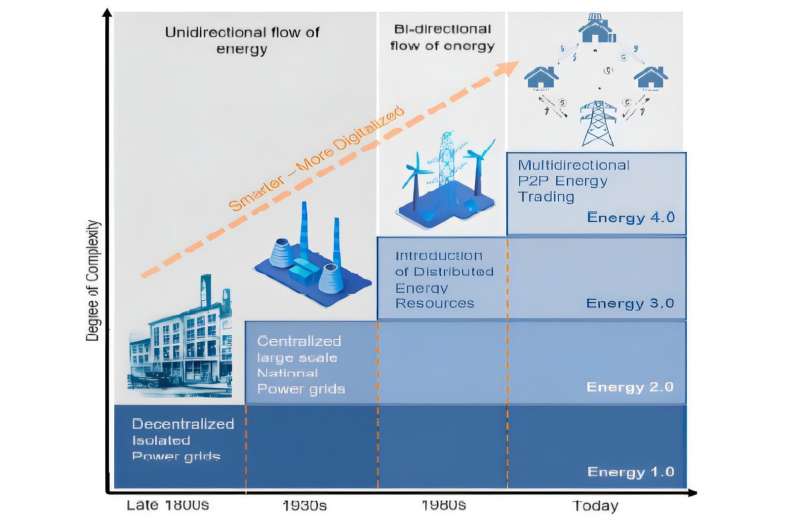
What happens when electricity consumers become sellers?
A microgrid combines local electricity sources and loads within a controllable electrical boundary. Some installations can continue serving customers when disconnected from the wider grid. The Department of Energy’s microgrid program identifies generation, distribution, protection and control as essential parts of these systems. Adding a market layer does not remove any of those physical requirements.
A household with rooftop solar may have electricity to sell at noon but need to buy electricity after sunset. A nearby business could have the opposite consumption profile. The proposed framework combines auction-based matching, smart contracts and a shared ledger to coordinate such exchanges. Offers can be divided or treated as indivisible commitments, and the researchers use measures of participant satisfaction when evaluating outcomes.
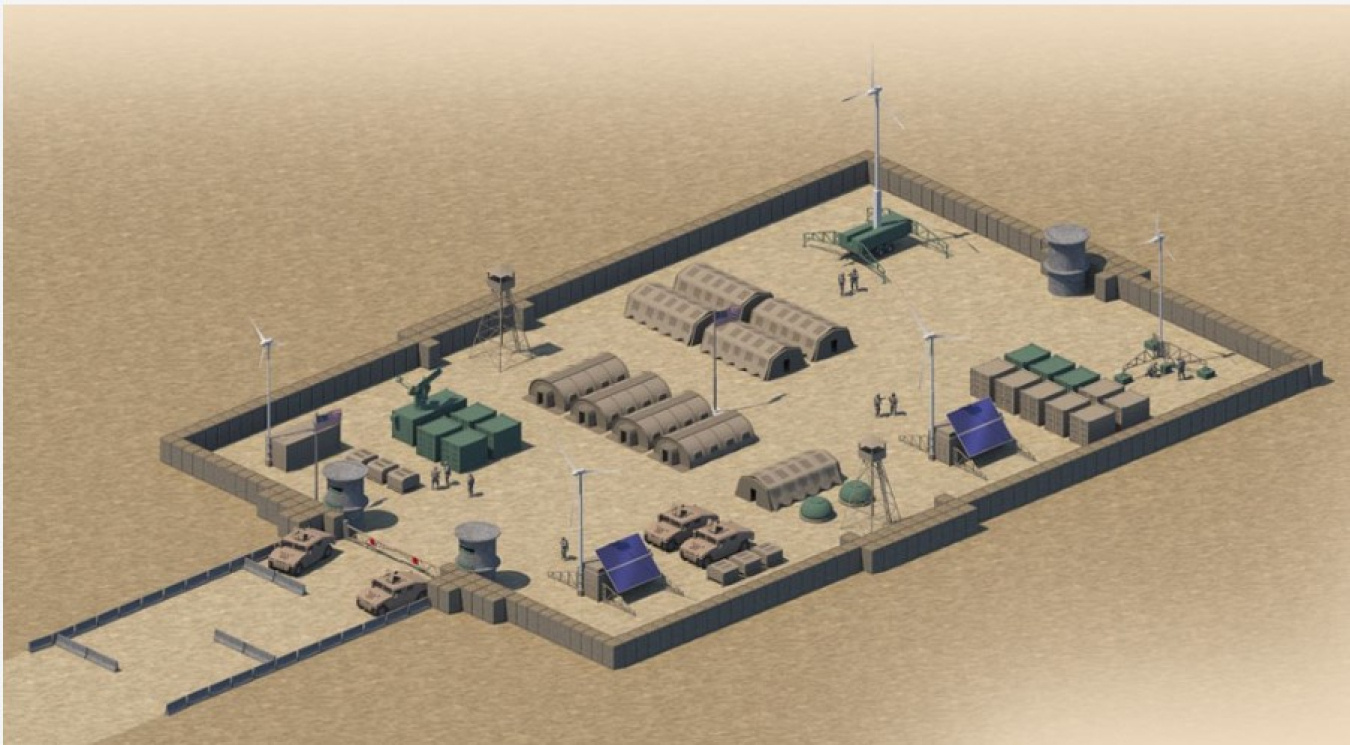
A market price is not a physical power-flow instruction
Imagine a producer receiving eight cents per kilowatt-hour for exports while a neighbor pays twenty cents per kilowatt-hour for imports. A local transaction at fourteen cents would leave six cents of additional revenue for the seller and six cents of potential savings for the buyer before network charges, taxes, metering and settlement costs. The prices are hypothetical, not assumptions taken from the new paper. They illustrate why both parties might prefer a locally negotiated price.
Electricity nevertheless follows physical network conditions. A contract cannot make a chosen electron travel to a particular customer. A distribution operator must maintain acceptable voltage, frequency, equipment loading and protection coordination. A settlement mechanism should use reliable meter readings and account for losses and congestion rather than assume that every financially attractive transaction is electrically feasible.
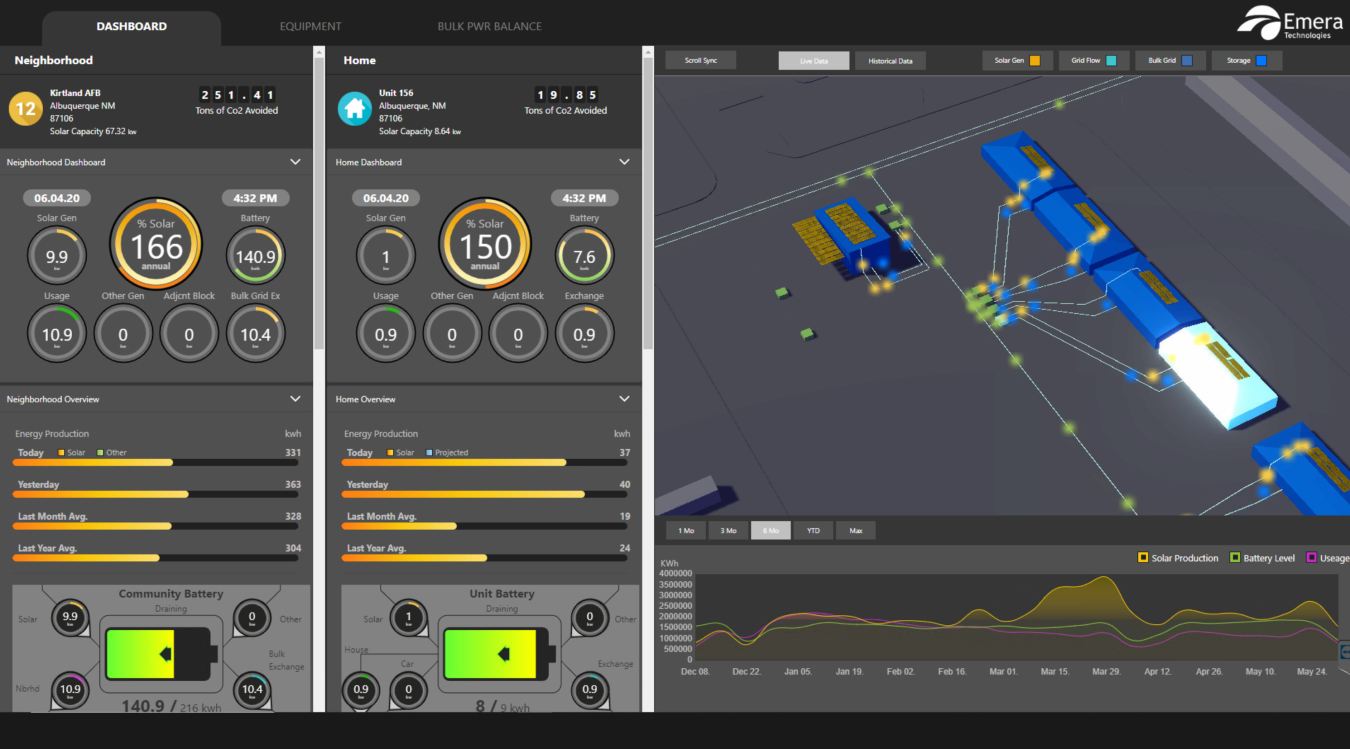
What the simulation has yet to prove
The November 27 research announcement describes a simulated rural microgrid. Full model parameters and baseline tariff details were not independently accessible for the present report. The reported maximum savings should not be treated as typical outcomes. The study lists battery storage and predictive trading among future enhancements. Practical adoption would also require regulatory permission, identity management, trustworthy meters, cybersecurity, dispute resolution and comparison with a conventional non-blockchain auction.
BitcoinVersus.Tech has previously reported on grid studies for AI and Bitcoin loads, data-center solar procurement and grid-forming battery storage. Flexible computing loads could participate in future local markets where contracts and interconnection rules permit, but the new research does not measure Bitcoin mining or AI workloads.
The engineering opportunity is to coordinate local supply and demand more efficiently without compromising physical reliability. Blockchain can record transactions, but determining whether it adds value requires comparing its cost and performance against simpler market software.
Featured photograph: Elim, Alaska, via the U.S. Department of Energy. Historical context, not the simulated community. Supporting images are credited to their original sources.
We volunteer daily to ensure the credibility of the information on our platform is Verifiably True. If you would like to support our independent research, please scan the QR code below.



Leave a Reply