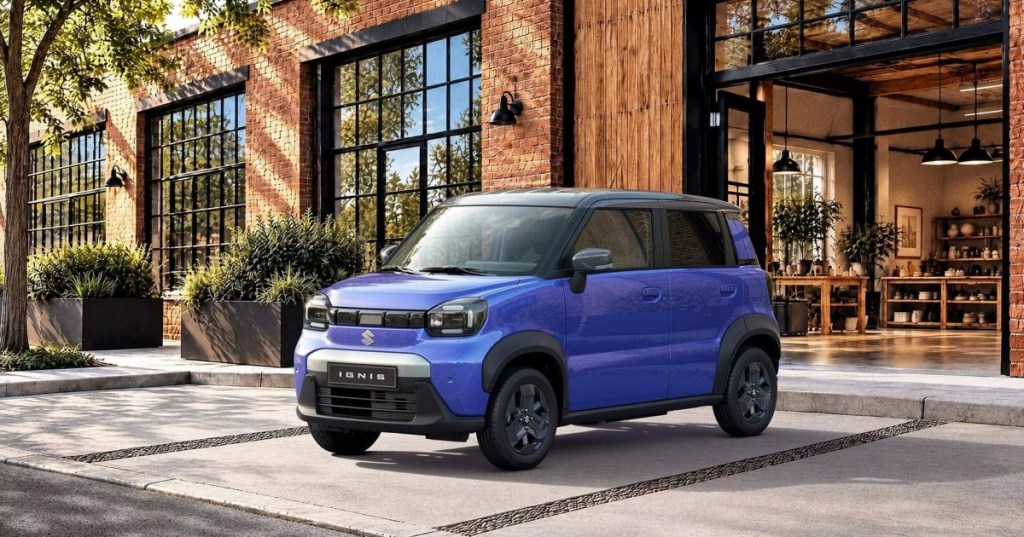
Suzuki unveiled its new Ignis battery-electric city car on November 25, 2026, targeting European and other international markets from summer 2027. The manufacturer’s world premiere describes a compact electric platform, integrated drivetrain and lithium iron phosphate battery. The European version’s provisional specifications emphasize everyday maneuverability instead of a large energy reservoir. The design contrasts with the larger battery capacity described in our Audi A2 e-tron energy-storage report. Suzuki has not announced an official driving range or retail price.
Integrating the electric drivetrain
The vehicle employs an eAxle incorporating a motor, inverter and reduction gearing. The inverter supplies controlled alternating current from the battery’s direct-current output, while reduction gears adapt the motor’s rotational speed to the wheels. Packaging these components together can simplify mechanical interfaces and reduce the space occupied by the propulsion assembly. Suzuki specifies a maximum output of 67 kW and torque of 133 Nm. The figures characterize the drivetrain rather than establish the torque delivered at the road surface, which depends on the reduction ratio and other factors.
Why a smaller battery changes the engineering trade-off
The European specification lists a 26 kWh lithium iron phosphate battery. LFP chemistry generally provides favorable thermal stability and cycle life compared with some other lithium-ion chemistries, although actual performance depends on cell construction and pack management. Ford’s Michigan LFP battery manufacturing program illustrates a broader shift toward the chemistry. Dividing 26 kWh by an assumed continuous electrical draw of 10 kW yields 2.6 hours of theoretical operation. The calculation is not a road-range estimate, since usable energy, speed, weather, heating and drivetrain losses vary.
Maneuverability and regenerative braking
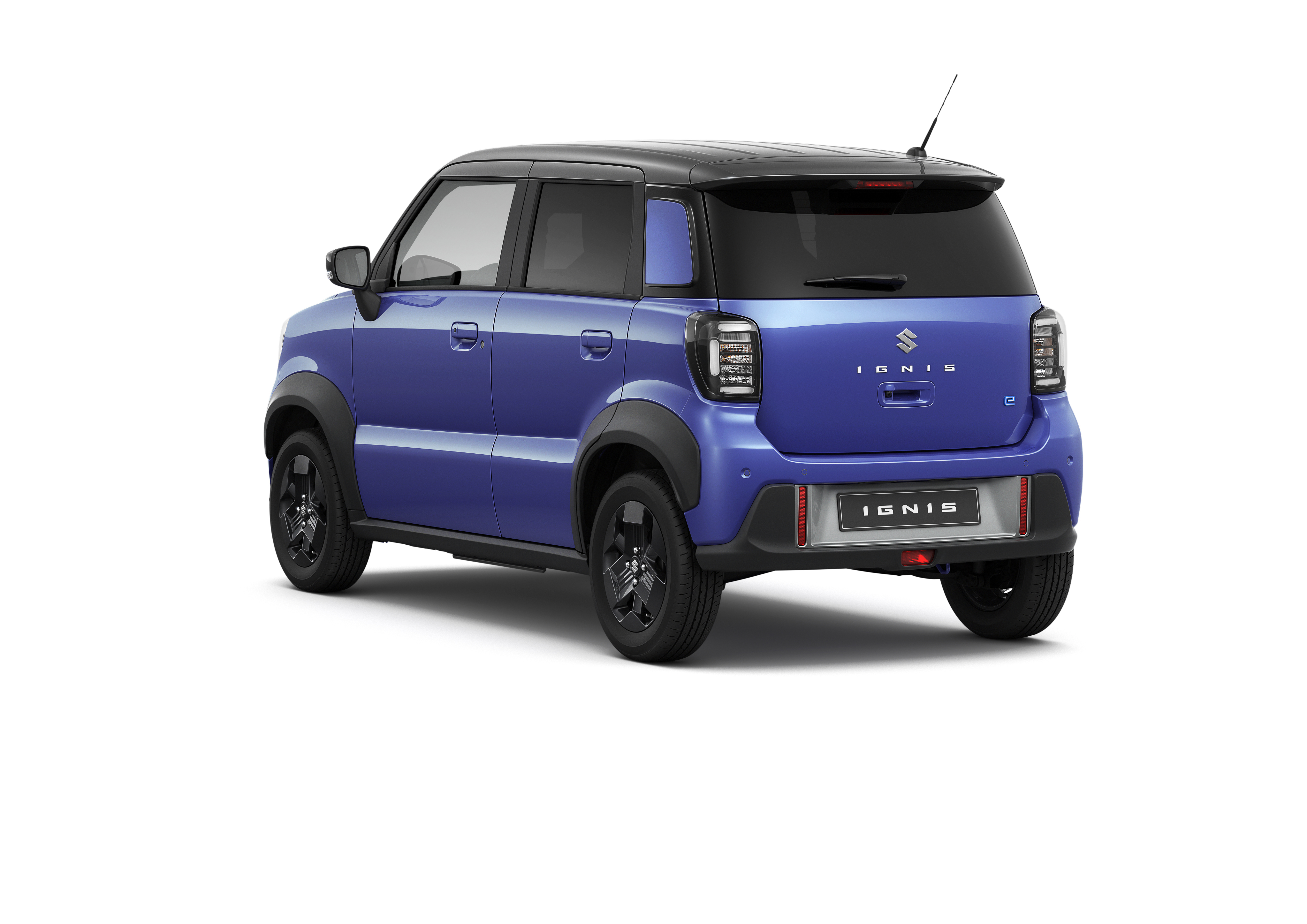
The dedicated HEARTECT-e platform positions the battery under the passenger compartment. Suzuki’s UK announcement gives a minimum turning diameter of nine meters, equivalent to a 4.5-meter radius. The provisional four-seat vehicle measures 3.57 meters long. Regenerative braking transfers some vehicle kinetic energy back into the battery, while hydraulic brakes provide additional stopping capability when required. Regeneration is constrained by available battery charging power, traction and vehicle speed. The relationship between charging hardware and energy transfer is explained in our EV onboard-charger guide.
Independent coverage by The EV Report confirms the European specifications remain subject to homologation. As with Porsche’s electric sports-car testing, validation under real operating conditions matters more than isolated component ratings. Final driving range, charging specifications, crash-test results and pricing will establish whether the compact architecture delivers practical value. The November premiere is a product-development milestone, not evidence of deliveries or an autonomous-driving capability.
We volunteer daily to ensure the credibility of the information on this platform is Verifiably True. If you would like to support to help further secure the integrity of our research initiative, please scan the QR code below.



Leave a Reply