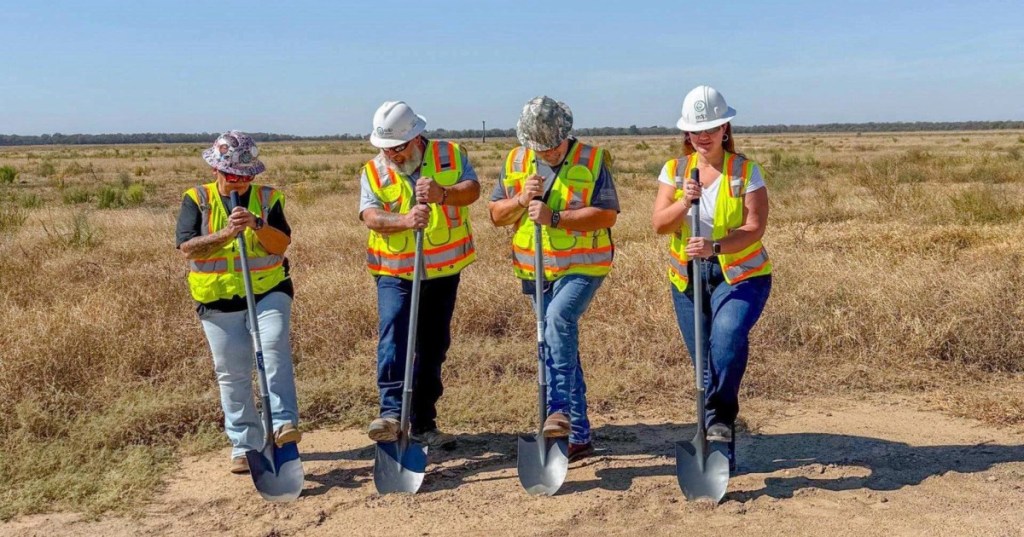
EDP Renewables North America broke ground on Cypress Knee Solar in Chicot County, Arkansas, on November 4, 2026. The developer’s announcement identifies a 250 MW generating project supported by a long-term power purchase agreement with Meta and targeted for completion by 2028. Like Sabey’s Texas solar procurement agreement, the contract links digital infrastructure demand with renewable generation. Unlike the already operating Texas asset, Cypress Knee is a new construction project.
A growing portfolio of contracted capacity
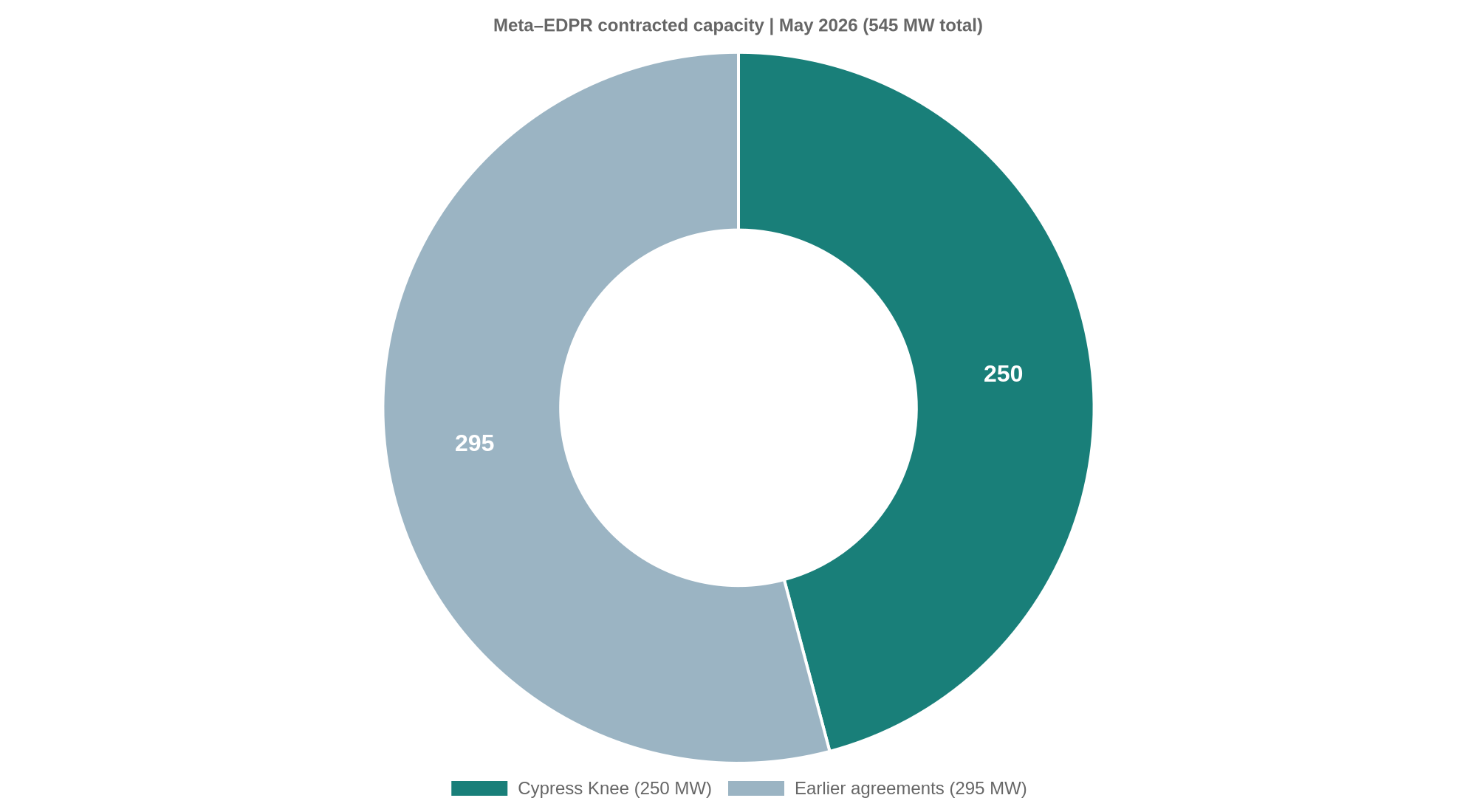
The companies originally announced the agreement in May. According to EDP’s May 4 release, Cypress Knee is their third agreement and brings the combined contracted generating capacity to 545 MW. The Arkansas project represents 45.9% of that total, leaving 295 MW associated with the earlier agreements. Contracted generating capacity is not necessarily the computing capacity of any individual Meta facility.
The photovoltaic power conversion chain
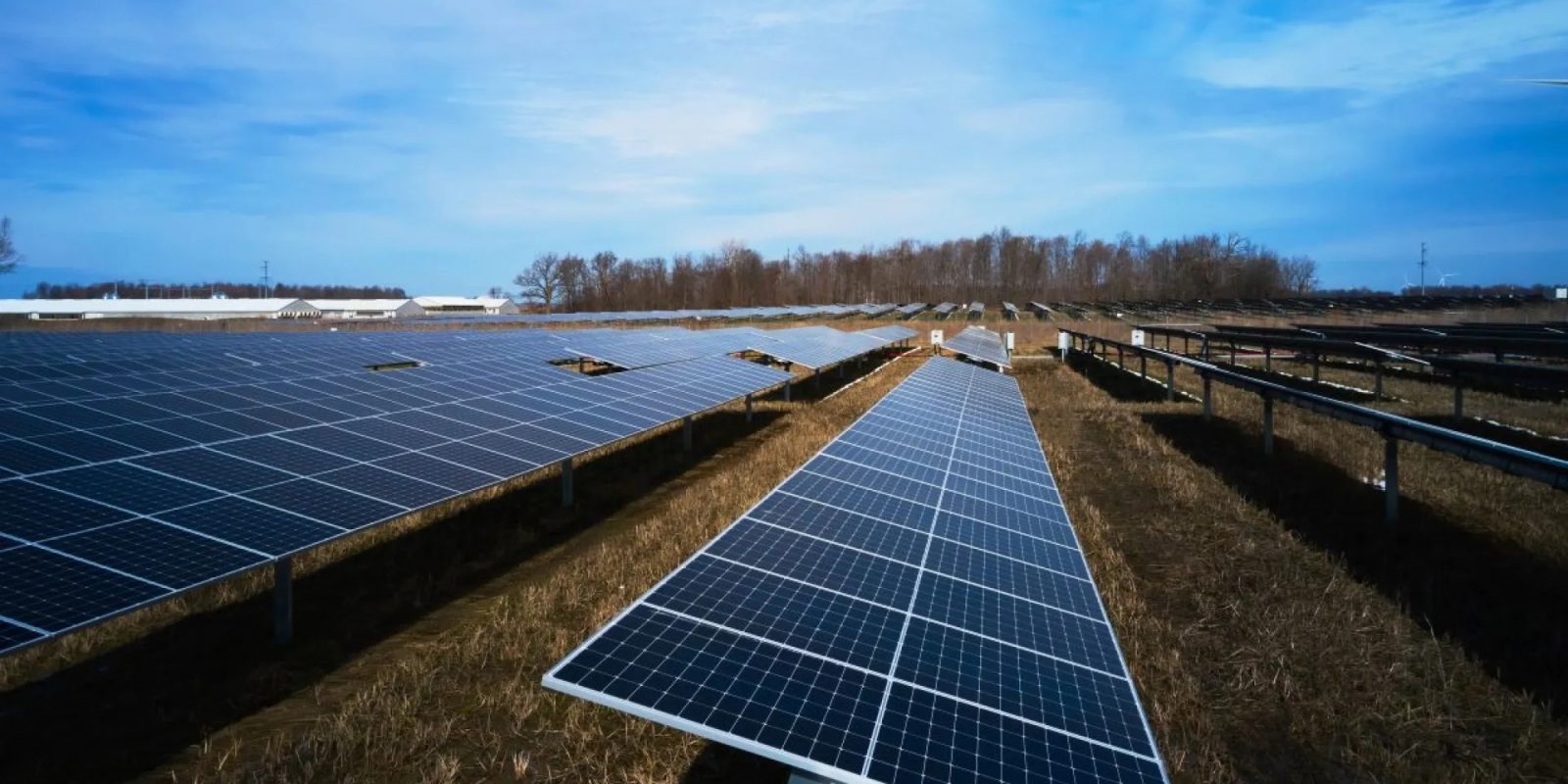
Solar modules convert light into direct-current electricity. String or central inverters convert that energy into alternating current, while transformers and collection circuits aggregate electrical output for grid interconnection. Protection systems must isolate faulty equipment without unnecessarily disconnecting healthy sections of the array. The developer’s groundbreaking announcement does not specify the final inverter architecture, module model or storage configuration. No battery capacity should be inferred from the solar rating.
At a constant 250 MW, theoretical annual generation would be 2.19 TWh over 8,760 hours. Real solar facilities generate less because sunlight varies by hour and season, with further losses from equipment, temperature and curtailment. Neither the theoretical ceiling nor the capacity figure represents an actual annual generation forecast. Storage can shift delivery into periods of stronger demand, as demonstrated by the Faraday battery project in Utah.
Annual procurement versus continuous power
Meta’s procurement program targets annual matching of electricity use with clean and renewable generation. Annual matching does not establish that every hour of data center operation is supplied by renewable electricity. Grid operators must accommodate changing generation alongside continuous computing loads. Backup architecture, including the layered systems discussed in EVE’s AI data center storage portfolio, addresses different time scales from a renewable procurement contract.
EDP anticipates roughly $25 million in county revenue over the project’s lifetime and several hundred jobs during peak construction. Electrek’s November 5 coverage independently reports the milestone and the distinction between annual renewable matching and continuous physical supply. Cypress Knee illustrates an important complement to firm-power projects such as Alaska’s proposed Arctic computing campus. The construction start advances renewable supply, but commercial generation and actual delivery remain future milestones.
Featured photograph: EDP Renewables North America, Cypress Knee groundbreaking, November 4, 2026.
We volunteer daily to ensure the credibility of the information on this platform is Verifiably True. If you would like to support to help further secure the integrity of our research initiative, please scan the QR code below.

For mobile scanning, open the article on another display and scan the QR code with a Bitcoin wallet. The voluntary donation amount is 5,000 sats. Verify the receiving address 3C9o19EH5HSiwEPyCTmEKzxhNCbo2X6TTb before sending.
BitcoinVersus.tech is not a financial advisor. This media platform reports on financial subjects purely for informational purposes.


Leave a Reply