
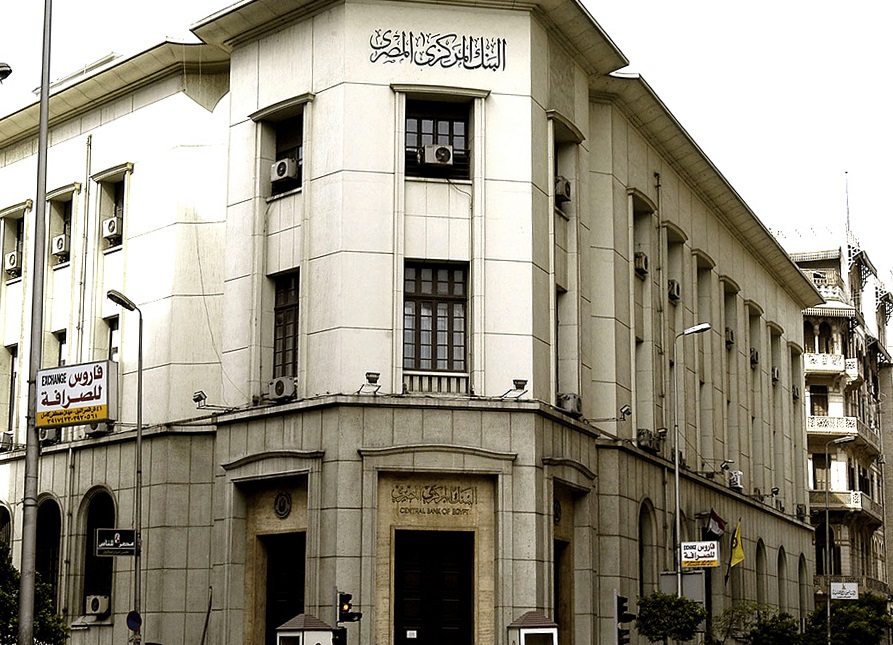
Egypt’s central bank had granted no approvals for cryptocurrency issuance or trading through September 2026, according to the OECD Africa Capital Markets Report 2026, published November 6. The finding highlights a divide between Egypt’s restrictive approach to Bitcoin and its expanding conventional digital-payment infrastructure. The report documents the existing regulatory position rather than announcing a new prohibition.
A licensing exception without an approved operator
Article 206 of Egypt’s Central Bank and Banking System Law No. 194 of 2020 restricts cryptocurrency issuance, trading, promotion and trading-platform activities without central-bank authorization. The central bank’s 2022 warning identifies price volatility and financial crime among its concerns. The MENAFATF 2024 enhanced follow-up report additionally describes Decision 1006 of 2023 and potential criminal sanctions under Article 225. The OECD’s September 2026 cutoff does not establish whether approvals occurred after that date; no later authorization was independently verified for the present article.
Bitcoin’s decentralized network and the commercial businesses that exchange or safeguard it are technically distinct. Nodes validate transactions under consensus rules, while a regulated intermediary maintains customer records and controls access to financial services. A prohibition on local trading or commercial activity does not alter the global Bitcoin protocol, but protocol accessibility does not exempt participants from domestic law. The available evidence does not establish a licensed Egyptian Bitcoin exchange, sovereign holdings or current national adoption totals.
Egypt is digitizing payments without adopting Bitcoin
On October 1, the Egyptian State Information Service reported approximately 22 million registered customers on Egypt’s Instant Payment Network by the end of the second quarter of 2026. The governor reported 1.47 billion transactions worth EGP 4.33 trillion by that date. Egypt Today separately covered the figures. Dividing aggregate reported value by transaction count gives about EGP 2,946 per transaction; the calculation is not a median or a Bitcoin transaction measurement.
Cross-border transfers provide another relevant comparison. Egypt’s October financial report recorded approximately $47.3 billion in remittances during fiscal year 2025/26. On November 11, Arab News reported $13 billion in first-quarter fiscal 2026/27 remittances. Neither aggregate identifies Bitcoin transfers.
Comparing payment systems without confusing their measurements
| Feature | Conventional instant payments | Bitcoin |
|---|---|---|
| Unit | Egyptian pounds | BTC |
| Settlement architecture | Participating financial institutions | Public consensus network |
| Domestic authorization | Regulated payment infrastructure | Restricted under existing cryptocurrency law |
Readers can compare conventional transfer prices using the World Bank’s United States–Egypt remittance cost database. Its methodology accounts for fees and exchange-rate margins. Bitcoin network fees alone would not provide a comparable total-cost estimate: conversion, liquidity, volatility and lawful access must also be considered. No Bitcoin-based savings in Egypt were measured by the cited reports.
Related country coverage includes Ecuador’s virtual-asset bill, Dominican tourism payment initiatives, Dominica’s custody rules and Djibouti’s provider capital requirements. Egypt demonstrates that rapid digital-payment growth does not necessarily imply Bitcoin adoption. The key future evidence would be published licensing procedures or an officially documented change in authorization policy.
Featured photograph: Suha Al-Qadi, Cairo at night, 2025, CC0, cropped. The external OECD report, MENAFATF report and World Bank database link directly to their publishers; interactive display and responsive layout were not independently tested.
We volunteer daily to ensure the credibility of the information on our platform is Verifiably True. If you would like to support our independent research, please scan the QR code below.



Leave a Reply