
Equatorial Guinea participates in a six-country instant-payment network even as regional banking restrictions limit institutional Bitcoin activity. The Central African anti-money-laundering group GABAC reported on November 6, 2026, that its technical plenary adopted Equatorial Guinea’s first follow-up evaluation on October 1, upgrading certain compliance ratings. The announcement does not identify a change to Bitcoin policy. Separately, AfricaNenda’s November 19 State of Inclusive Instant Payment Systems report documents the regional GIMACPAY network’s continued development.
What the Bitcoin restrictions actually cover
Equatorial Guinea belongs to the Central African Economic and Monetary Community (CEMAC), sharing the Central African CFA franc and a central bank with five other countries. In its 2024 country evaluation, GABAC described Banking Commission of Central Africa (COBAC) Decision D-2022/071 of May 6, 2022, which restricts supervised institutions from holding cryptocurrency for themselves or third parties. The evaluation team did not identify an operating virtual-asset service provider during its April 2024 assessment. Some banks reported identifying cryptocurrency-related transactions. The available follow-up announcement does not provide an updated count of providers or establish that the earlier restriction was repealed.
The IMF’s 2025 regional staff report also documented a central-bank working group studying digital currencies and cryptocurrency regulation. Studying a framework does not authorize commercial Bitcoin services. The banking restriction’s scope must not be generalized into a claim that all private possession is prohibited. No newly approved local exchange, industrial Bitcoin mine or national Bitcoin reserve was independently verified.
Six countries connected through conventional payment infrastructure
AfricaNenda’s 2026 report identifies GIMACPAY as a live regional system supporting both domestic and cross-border instant payments. It serves Cameroon, Central African Republic, Chad, Republic of Congo, Equatorial Guinea and Gabon. November 24 reporting by Business in Cameroon describes the system’s progressed inclusivity classification and remaining governance and reliability needs. The assessment concerns conventional digital transfers rather than Bitcoin transactions.
The report records 71.4 billion instant-payment transactions across reporting African systems in 2025, valued at approximately $1.8 trillion. Those continental totals cannot be assigned to Equatorial Guinea. Readers can explore the interactive African instant-payment map on AfricaNenda’s official research page.
Two very different network architectures
| Characteristic | GIMACPAY | Bitcoin |
|---|---|---|
| Payment asset | Conventional money | BTC |
| Participation | Regulated payment providers | Public consensus network |
| Settlement design | Institutional payment infrastructure | Proof-of-work blockchain |
A payment can move electronically without using a blockchain. Bank and mobile-wallet systems depend on participating institutions exchanging payment instructions and reconciling financial obligations. Bitcoin validates spending under public consensus rules, while its Lightning Network can route payments through channels with adequate liquidity. Neither architecture by itself guarantees low fees, universal accessibility or lawful commercial operation. A fair comparison would include conversion costs, service availability and reliability.
Related coverage includes Egypt’s cryptocurrency restrictions, Djibouti’s provider capital rules, Ecuador’s pending virtual-asset legislation and El Salvador’s disclosed reserve balances. Equatorial Guinea’s case demonstrates why regulated digital-payment development must not be counted as Bitcoin adoption. Updated country-level provider registers and documented merchant transactions would be needed to measure actual Bitcoin activity.
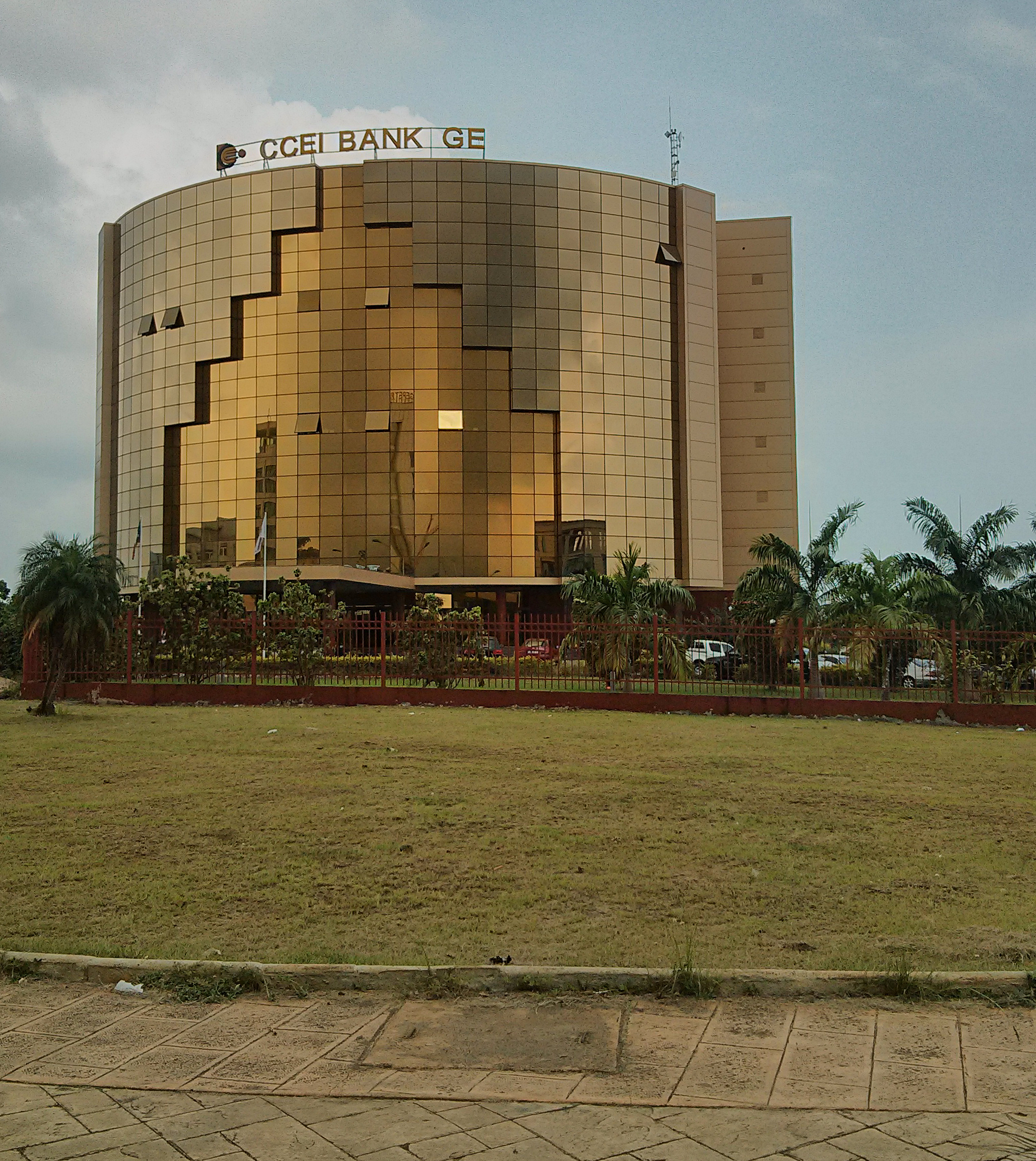
Featured photograph: Happiraphael, Dans les rues de Malabo, January 2015, cropped under CC BY-SA 4.0. The interactive map links to its publisher; in-page interaction and responsive presentation were not independently tested.
We volunteer daily to ensure the credibility of the information on our platform is Verifiably True. If you would like to support our independent research, please scan the QR code below.



Leave a Reply