Data Center News
-
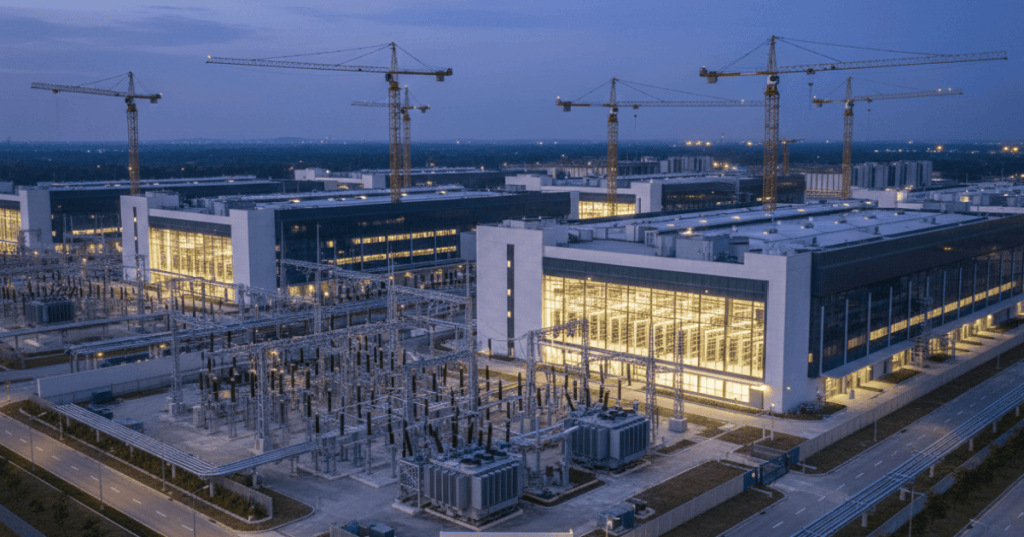
DayOne Data Centers filed for a U.S. IPO after first-half revenue jumped 238% to $512 million, while its 2.3 GW booking pipeline still requires about $11.4 billion to complete.
-
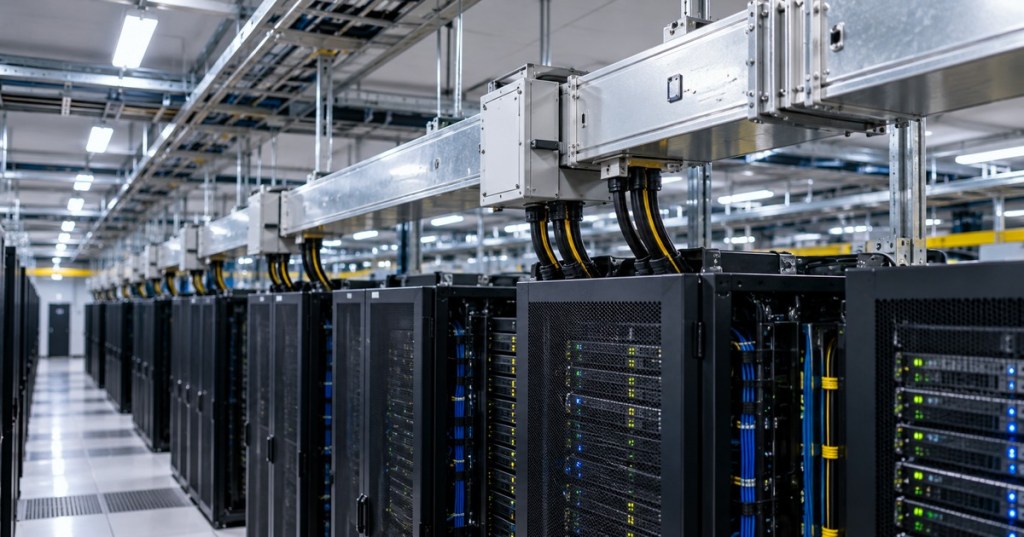
What is busway? Learn how overhead power rails, busbars, and tap-off boxes distribute electricity to modern data-center racks.
-
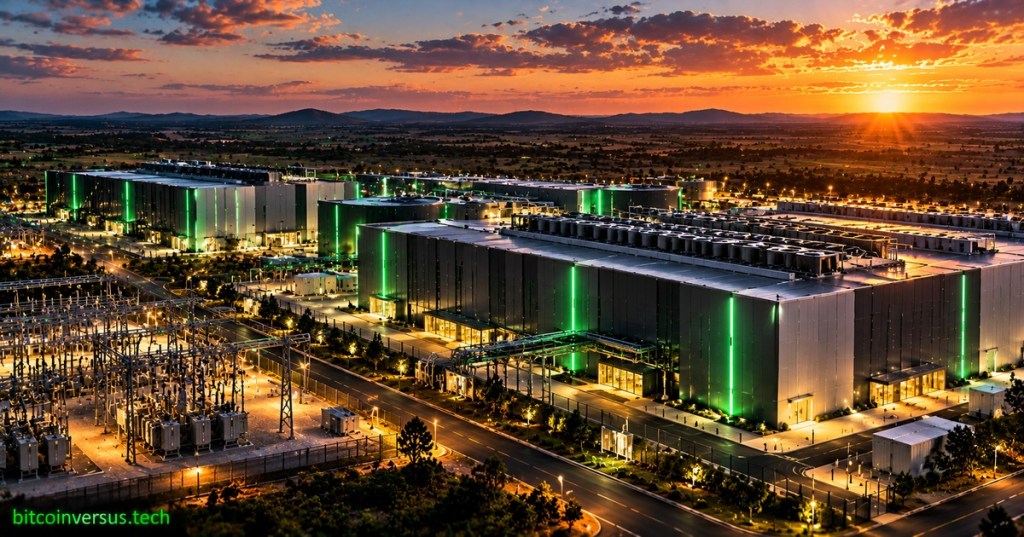
Anthropic has signed its first Australian data-center lease at the planned 2.16 GW Western Downs Digital Park in Queensland, pushing AI inference infrastructure deeper into regional power markets.
-
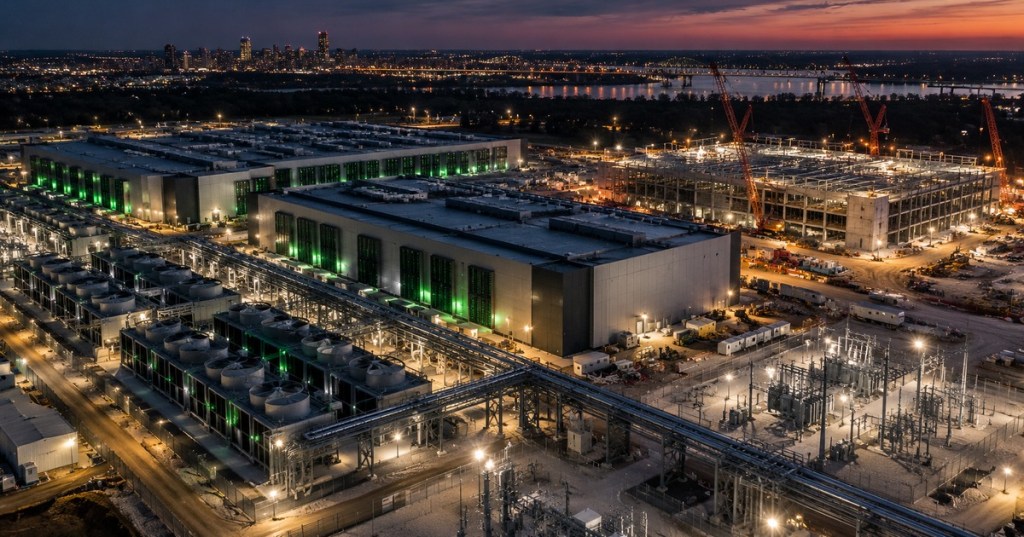
SpaceXAI’s Memphis buildout is becoming a multi-phase infrastructure program: Elon Musk says the separate ‘Minihard’ site doubled in size, while a Starship veteran now leads six new compute phases.
-
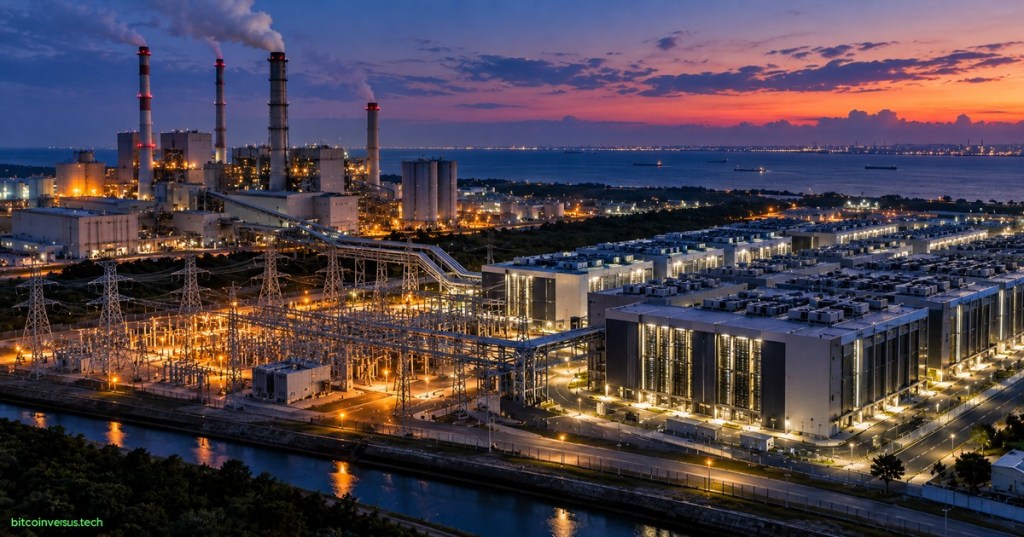
JERA, Dell Technologies and RHAELM plan a 400 MW AI campus beside JERA’s Chiba power station, using direct power access and standardized rack-scale infrastructure to shorten deployment timelines.
-
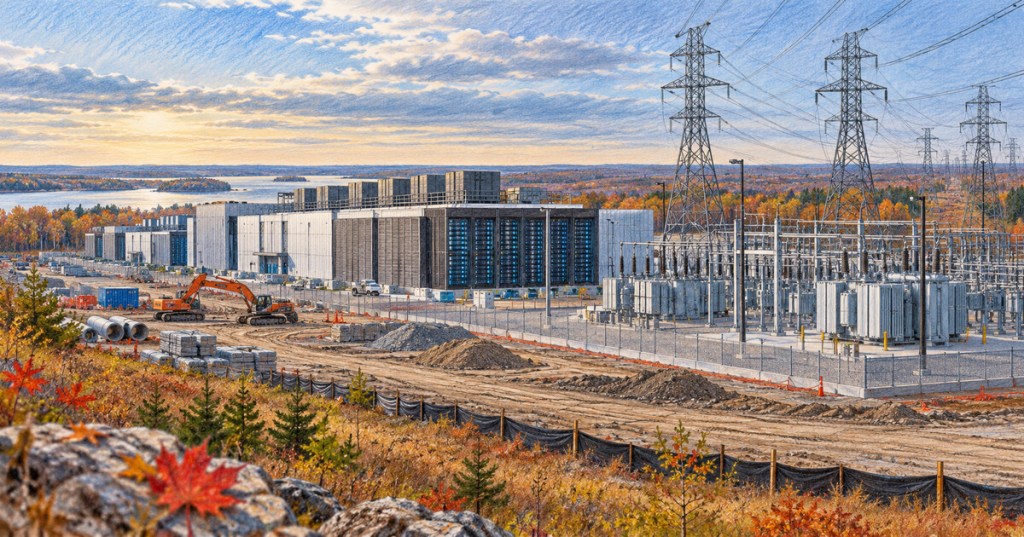
HIVE BUZZ’s proposed 320 MW Oakville AI campus would use Ontario’s provincial grid while Oakville’s one-year data-center freeze remains in force.
-
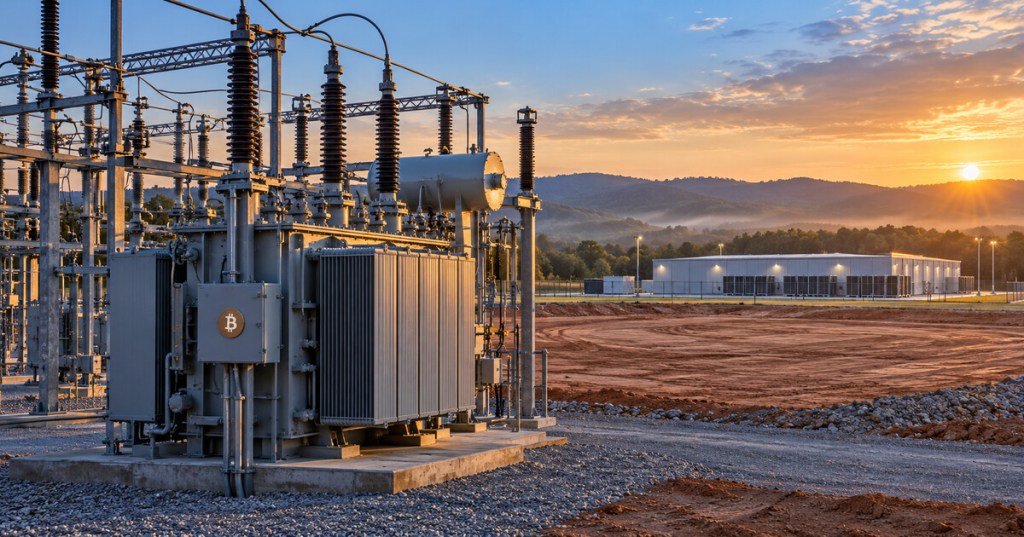
Atlantic acquired 29 MW of Tennessee utility power contracts, expanding its development pipeline while funding, permits and transformer work still precede energization.
-
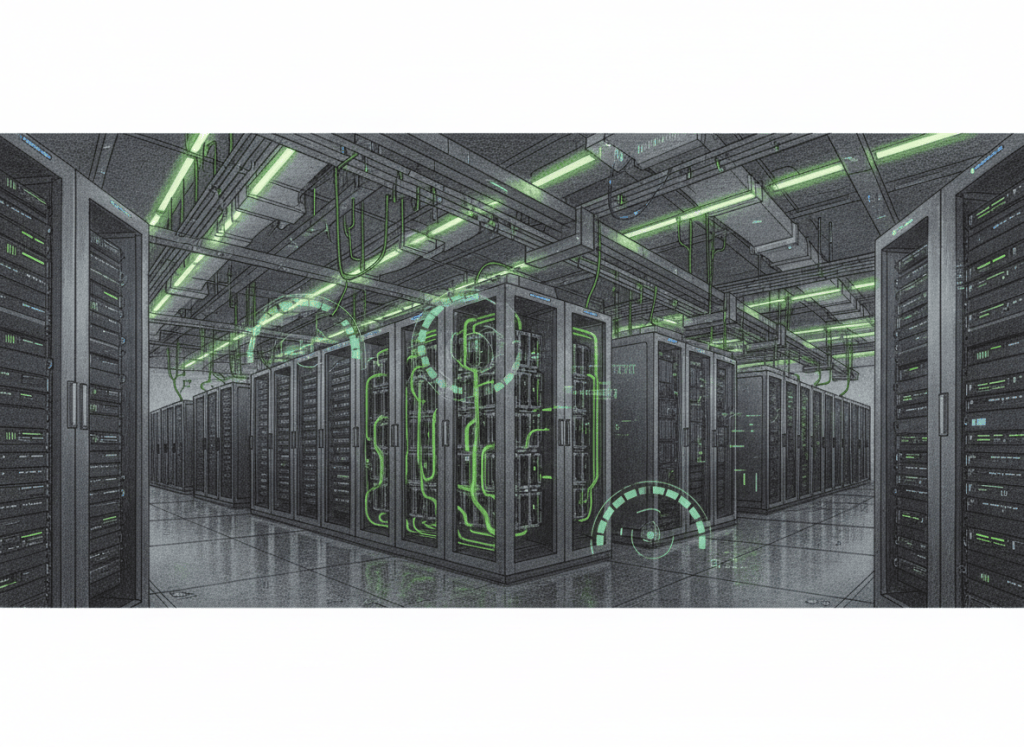
Lambda used NVIDIA DSX MaxLPS to run 19 HGX B200 nodes inside a 16-node power budget, increasing cluster token throughput 24% and performance per watt 23%.
-
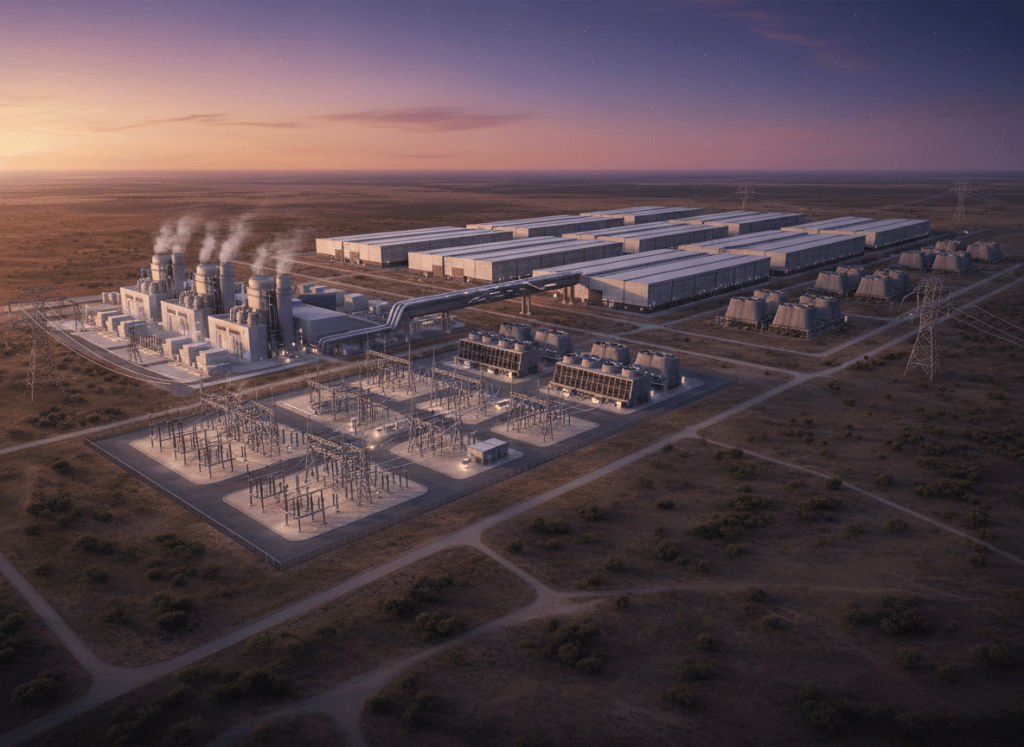
Project Star pairs 6.47 GW of planned gas generation with an adjacent 5 GW AI data-center campus in Encinal, Texas, under a ₿258,594 ($22.3 billion) energy infrastructure build.
-
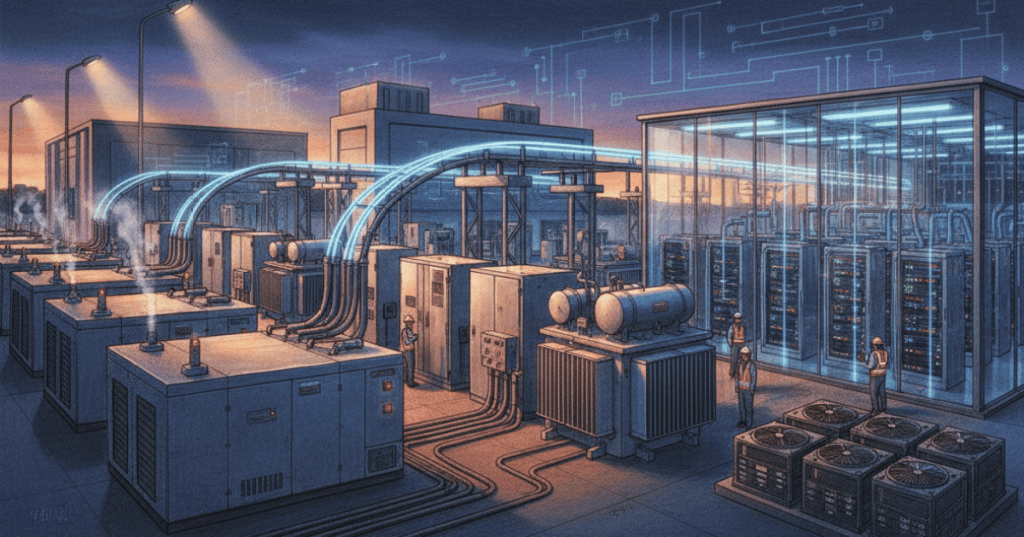
Schneider Electric, Wärtsilä and Stanley Consultants are combining onsite generation, electrical infrastructure and engineering into a Generator-to-Chip delivery model designed to get U.S. AI data centers powered faster.
-
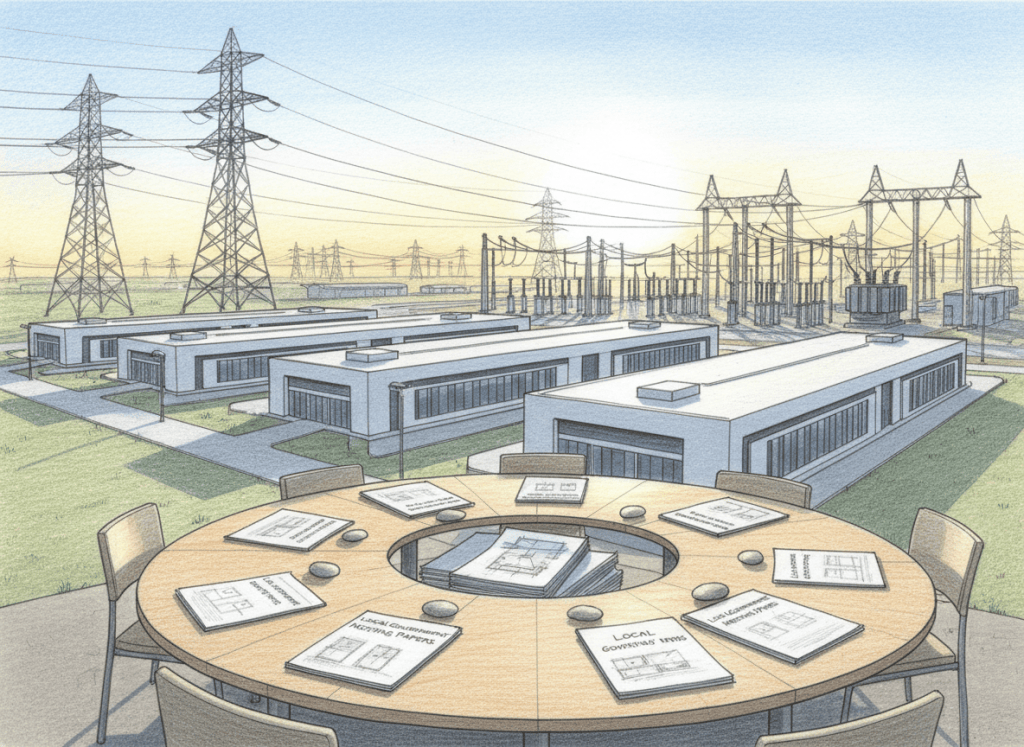
Amazon Web Services says it no longer uses nondisclosure agreements with government agencies on data-center projects as transparency becomes a major issue in AI infrastructure permitting.
-
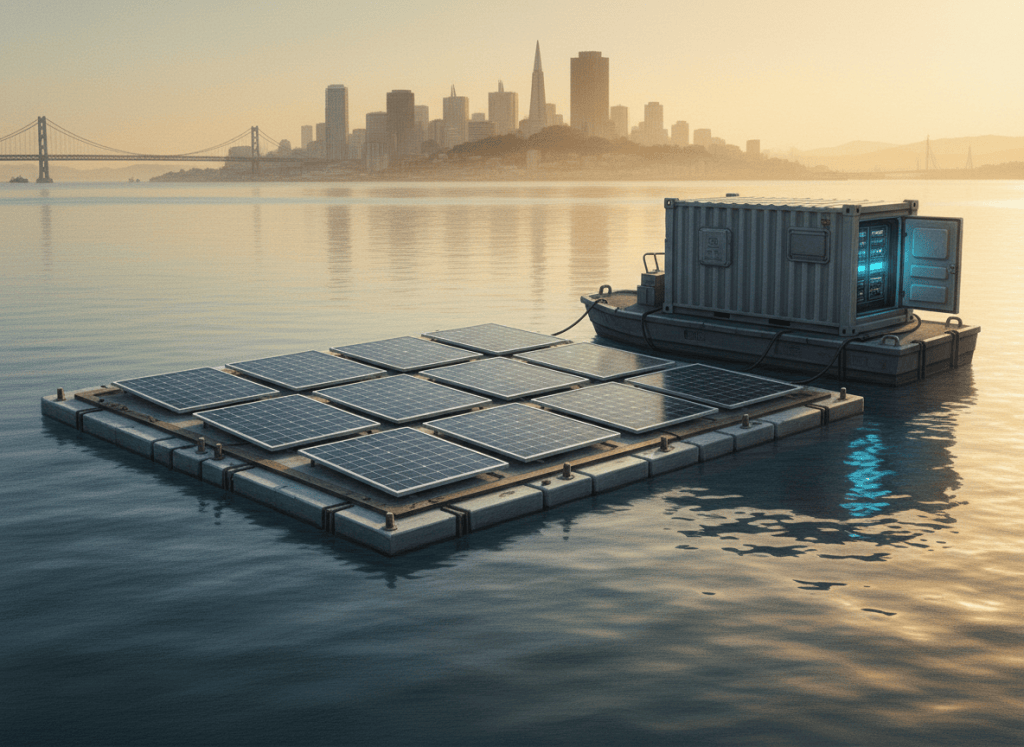
A San Francisco startup has put a new spin on the race for AI power: instead of waiting years for a terrestrial grid connection, NetworkOcean is testing whether compute can move onto the water with its electricity source attached. The company says its first floating solar system has powered an Nvidia H100 GPU while serving…

