Information Technology
-
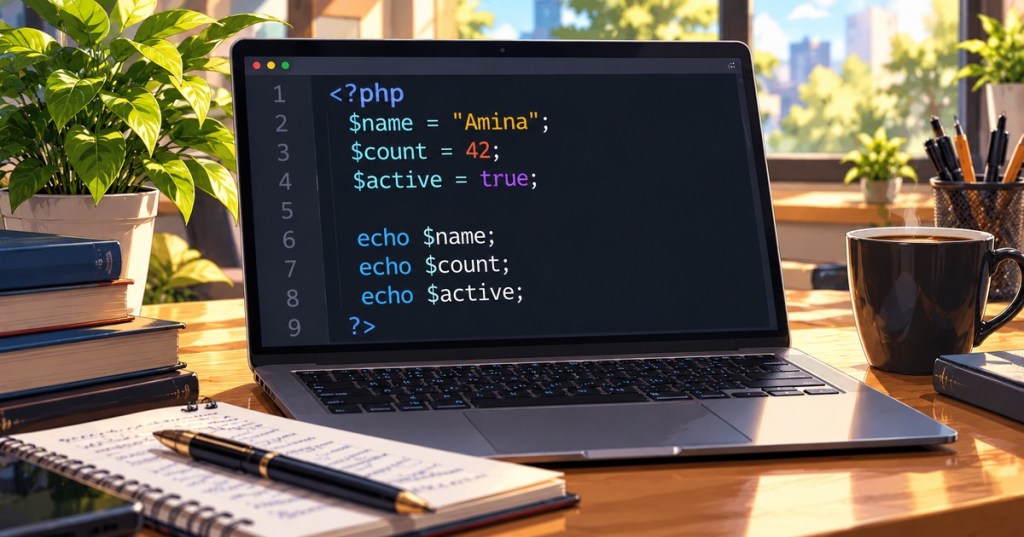
Learn PHP variables: the $ prefix, assignment, naming rules, case sensitivity, reassignment, dynamic typing, var_dump(), and clear beginner-friendly variable habits.
-

A VPN creates a secure network tunnel across the internet. Here is how virtual private networks, encryption, VPN clients, full tunnels, and split tunnels work.
-

Traceroute shows the routers your traffic crosses on the way to a destination. Here is how TTL, hops, ICMP, latency, and tracert work in plain English.
-
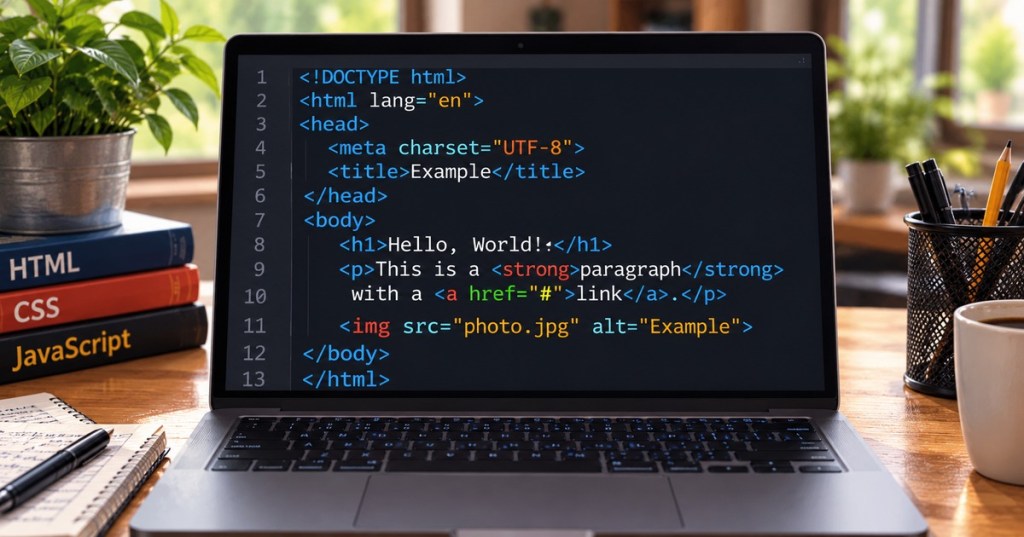
Learn how HTML elements are formed, how start and end tags work, which elements are void, how nesting creates the document tree, and why semantic elements matter.
-
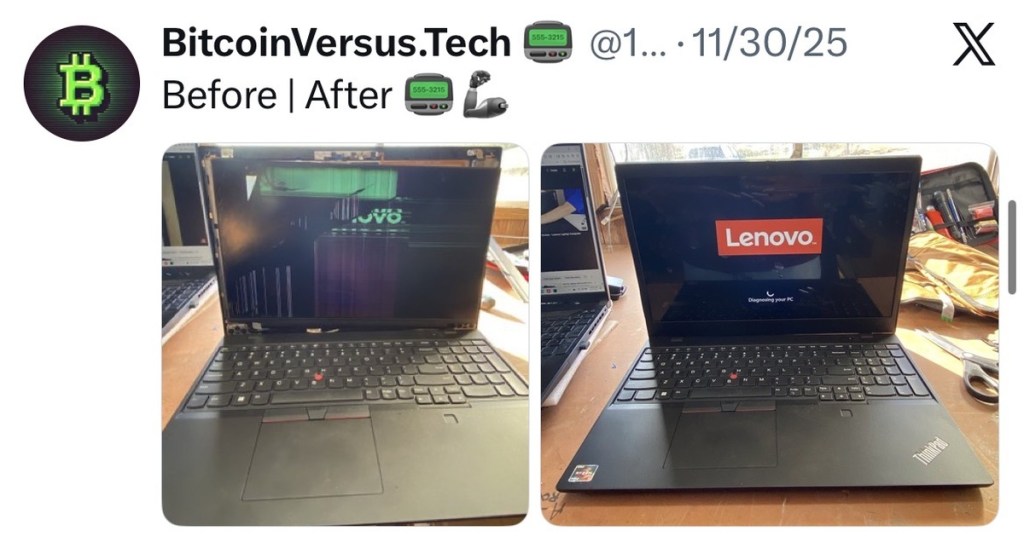
Learn how to diagnose and repair a laptop screen, distinguish LCD faults from cable or graphics problems, match the correct replacement panel, disconnect power safely, and test the repair before reassembly.
-

Learn JavaScript’s seven primitive types—String, Number, BigInt, Boolean, undefined, Symbol, and null—plus typeof, immutability, dynamic typing, and the famous typeof null quirk.
-

A practical explanation of DNS TTLs, recursive resolver caches, Windows FlushDNS, negative caching, and why some devices can keep reaching an old server after a DNS change.
-

Learn Java’s eight primitive types, variable declarations, literals, local-variable initialization, primitive vs. reference values, and how var keeps Java statically typed.
-

Learn Go variables, constants, zero values, type inference, short declarations, numeric types, booleans, strings, byte, rune, and the difference between typed and untyped constants.
-

Learn how C variables and fundamental types work, including declarations, initialization, integer and floating-point types, char, const, sizeof, limits, and portable type choices.
-

Learn how C variables connect names to typed memory: char, int, signed and unsigned integers, literals, sizeof, limits.h, binary representation, portability, compiler warnings, exercises, and troubleshooting.
-

Learn how Windows services work, what the Service Control Manager does, how startup types and dependencies behave, and how to inspect services safely with services.msc, sc.exe, and PowerShell.

