Information Technology
-
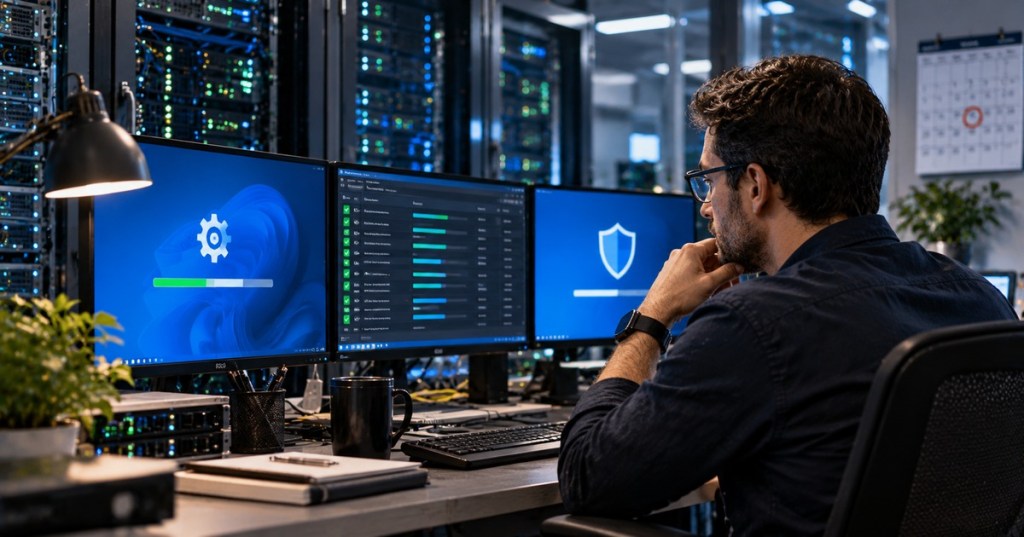
Patch Tuesday is Microsoft’s predictable monthly Windows security-update cycle. Here’s why software needs patches, what cumulative updates contain, why companies test them in stages, and when waiting becomes risky.
-
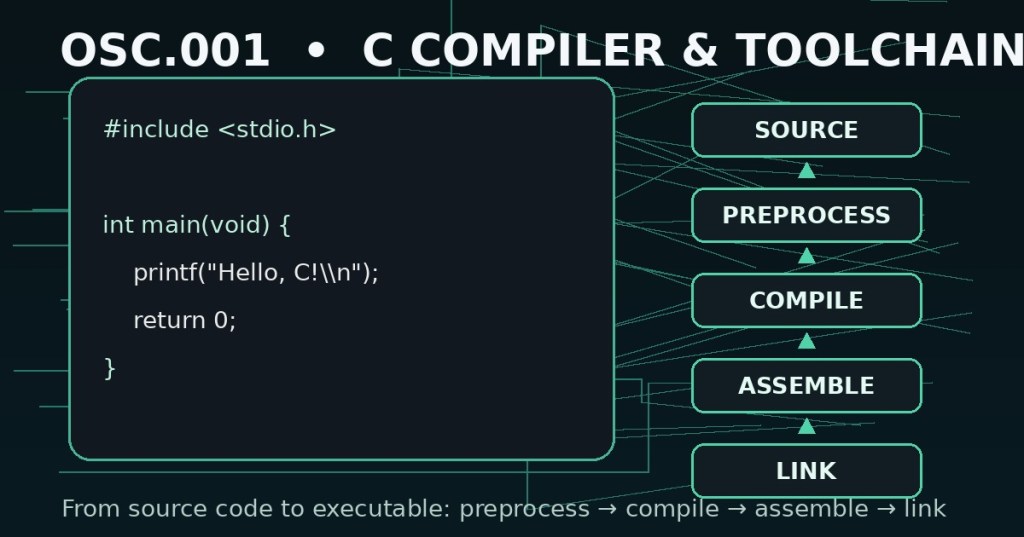
OSC.001 introduces the C compiler toolchain: GCC, preprocessing, compilation, assembly, linking, object files, first builds, warnings, and basic troubleshooting.
-
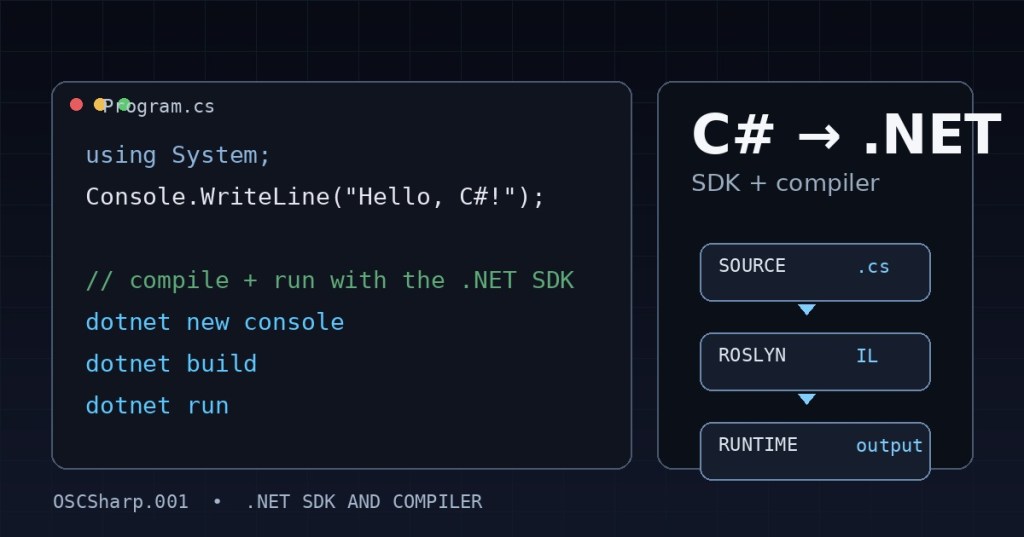
OSCSharp.001 introduces the C# toolchain: the .NET SDK, dotnet CLI, project creation, build/run workflow, Roslyn compiler, IL, runtime execution, and first troubleshooting steps.
-

OSLTC.003 teaches leadership through listening: active listening, adaptive feedback, communication preferences, responding to what people say, and turning listening into trust and action.
-
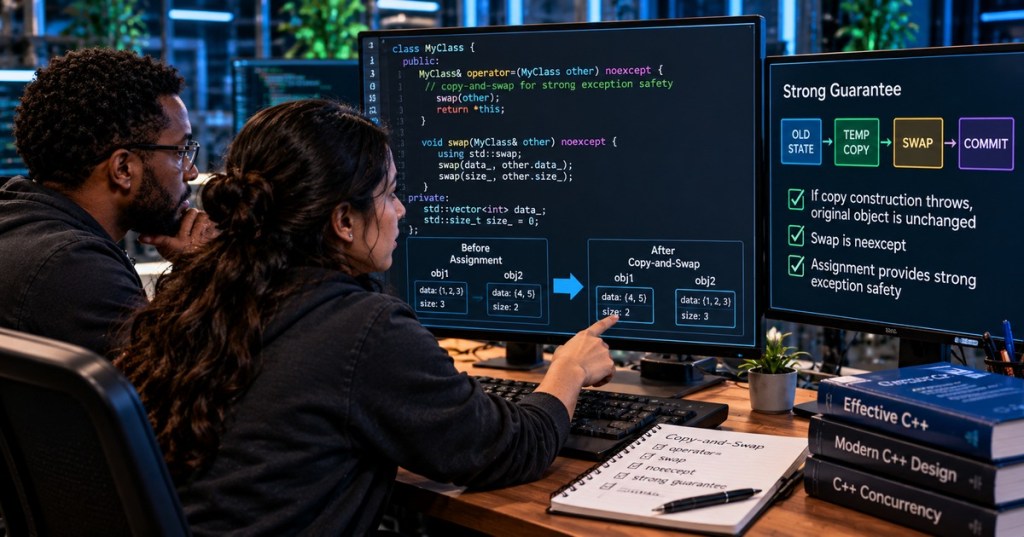
OSC++.025 teaches copy-and-swap and exception-safe C++ assignment: strong guarantees, noexcept swap, self-assignment, pass-by-value assignment, Rule of Zero, and performance tradeoffs.
-
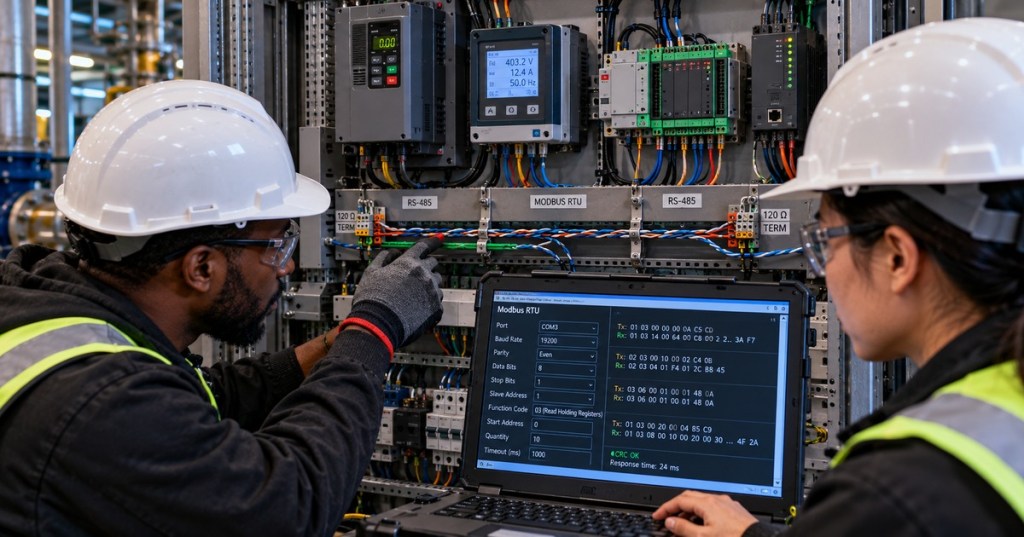
OSETC.032 teaches Modbus RTU over RS-485: two-wire bus wiring, termination, serial settings, addressing, function codes, registers, CRC, offsets, and field troubleshooting.
-

OSEEC.017 teaches motor starting engineering: inrush and locked-rotor current, source voltage dip, DOL starting, soft starters, VFDs, torque limits, starter selection, and commissioning measurements.
-
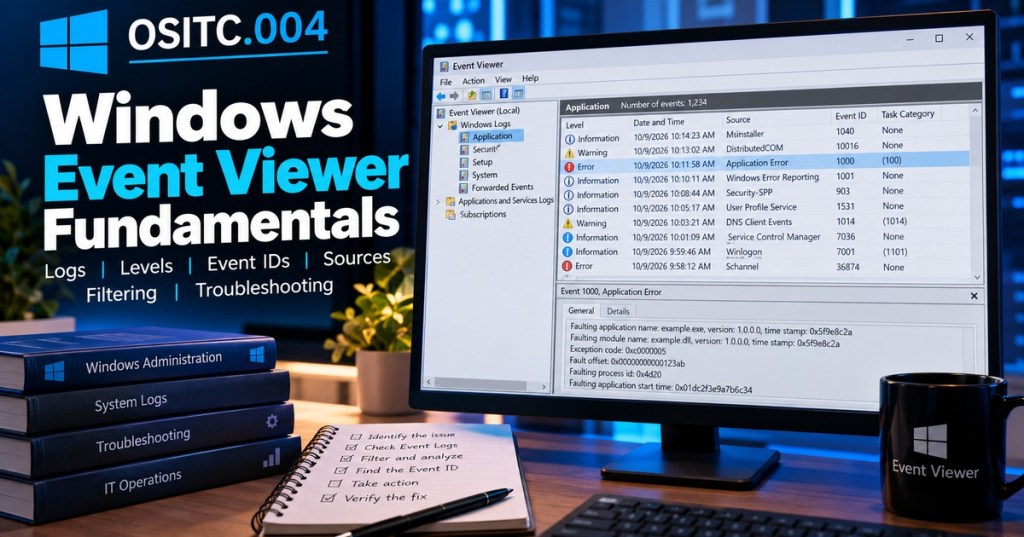
OSITC.004 teaches Windows Event Viewer fundamentals: logs, event levels, Event IDs, providers, filtering, timelines, and Get-WinEvent for first-line troubleshooting.
-
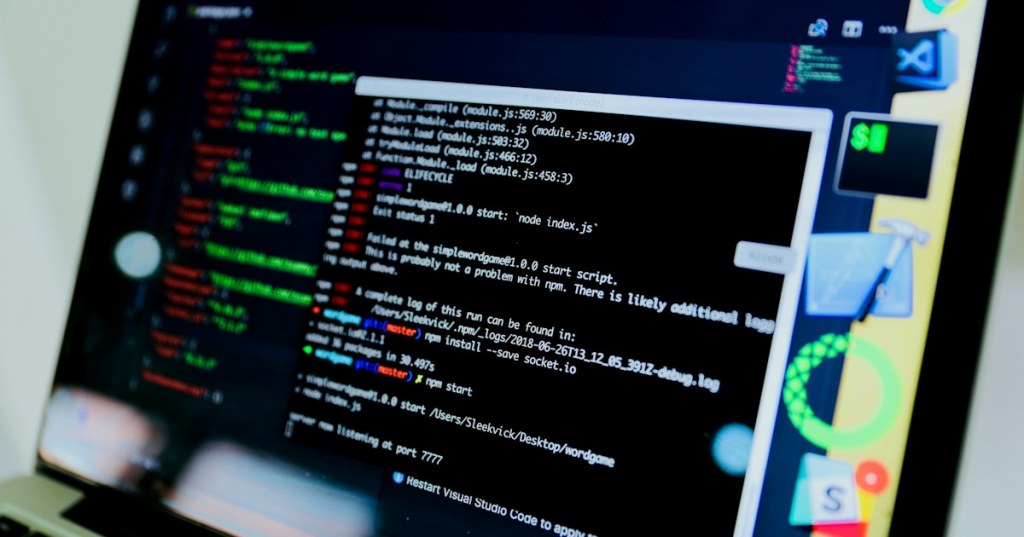
Learn how sc.exe delete removes a Windows service registration, why a service can remain marked for deletion, how to verify the correct service name, and how to practice safely in a lab.
-
Linux Command #49 explains chown: changing file and directory user ownership, optionally changing group ownership, safe recursive use, verification, reference files, and symlink behavior.
-
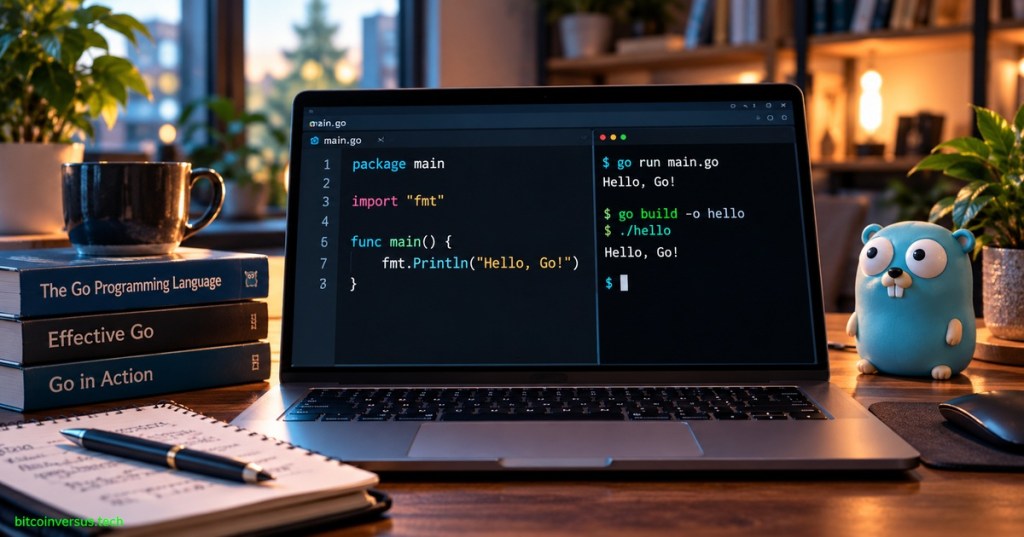
Learn what Go is, why it was created, how packages and the Go toolchain fit together, and how to run and build your first Go program.
-
Windows Command #41 explains sc.exe create: register a Windows service with the Service Control Manager, set binPath and startup behavior, verify the result, and understand why not every EXE can run as a service.

