Tech Docs
-
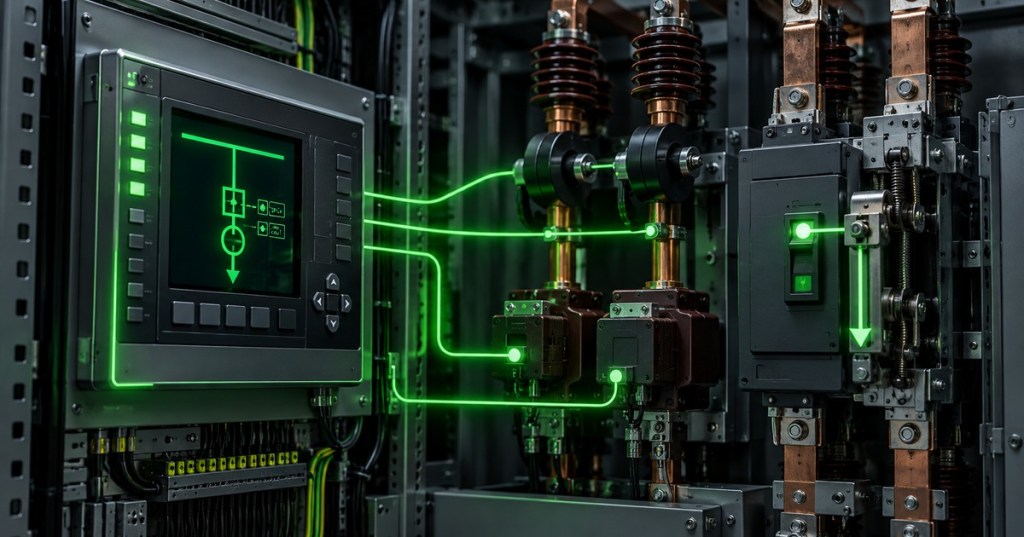
Learn protective relaying fundamentals: CTs and VTs, ANSI device numbers, protection zones, overcurrent coordination, digital relay logic, trip circuits, and verification.
-
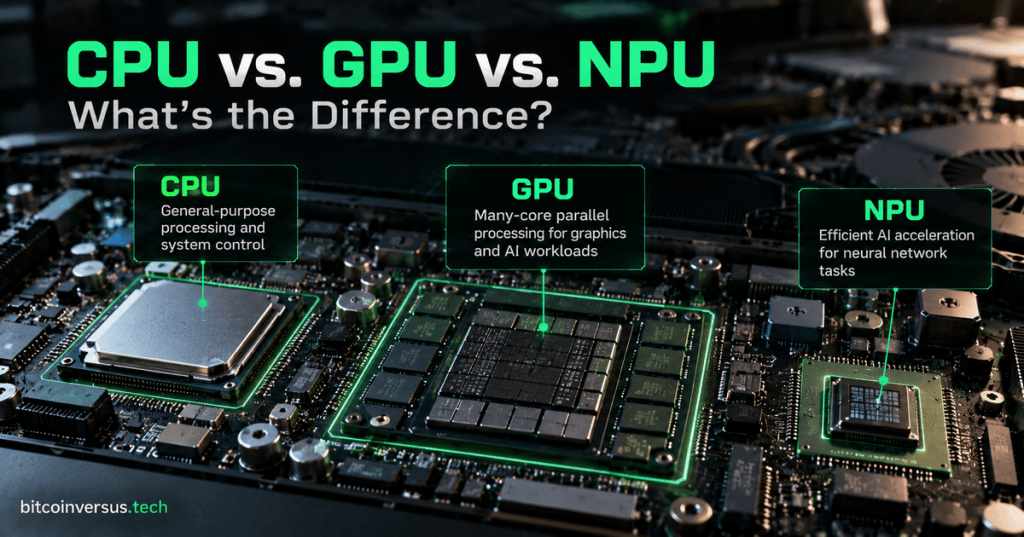
CPU, GPU, and NPU are three different computing engines. Here is the easy version of what each one does, why AI PCs use all three, and which processor handles which jobs best.
-
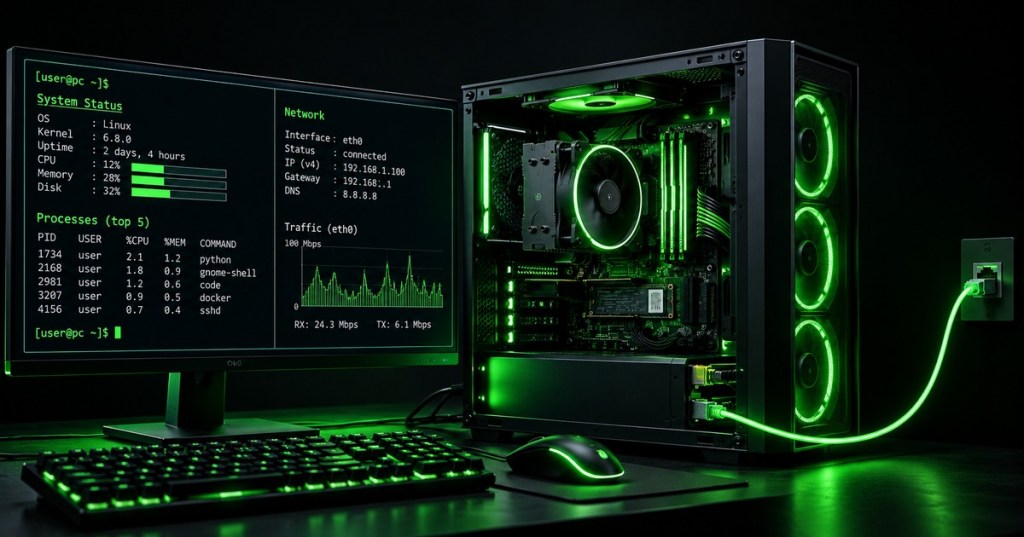
Start the Open-Source Information Technology Certificate with IT systems fundamentals: computer hardware, operating systems, networking, command-line inspection, and structured troubleshooting.
-
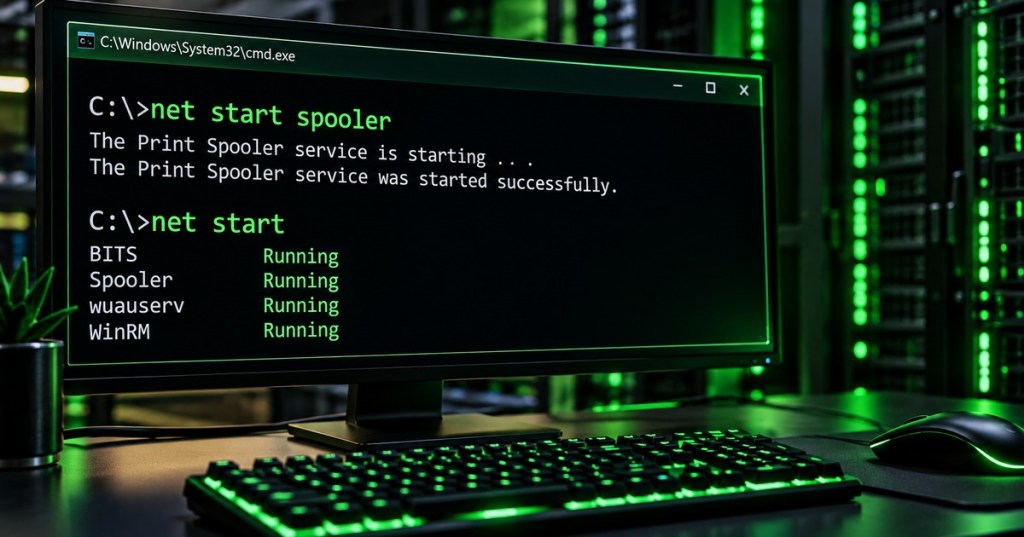
Learn Windows net start: list running services, start services safely, identify service names, verify state with sc query, troubleshoot failures, and compare CMD with PowerShell.
-
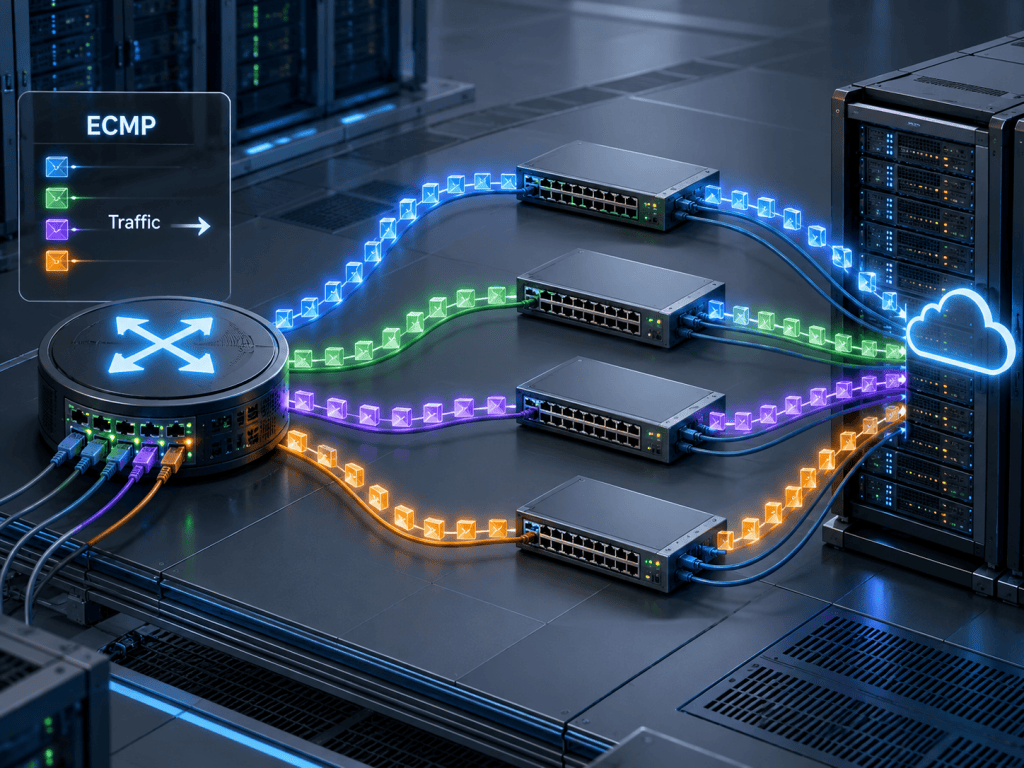
Equal-Cost Multipath, or ECMP, is a routing technique that allows a router or Layer 3 switch to use multiple paths toward the same destination when those paths have equivalent routing costs. Instead of forcing all traffic through a single best route, ECMP can create a set of valid next hops and distribute network flows across…
-
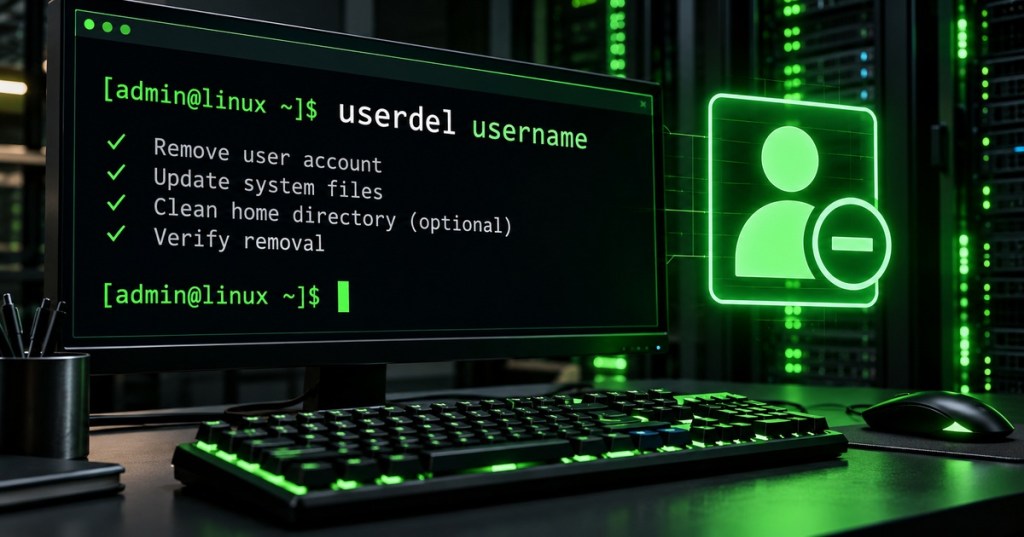
Learn Linux userdel safely: remove accounts, decide whether to delete home data, check running processes, find orphaned UID files, and verify cleanup.
-
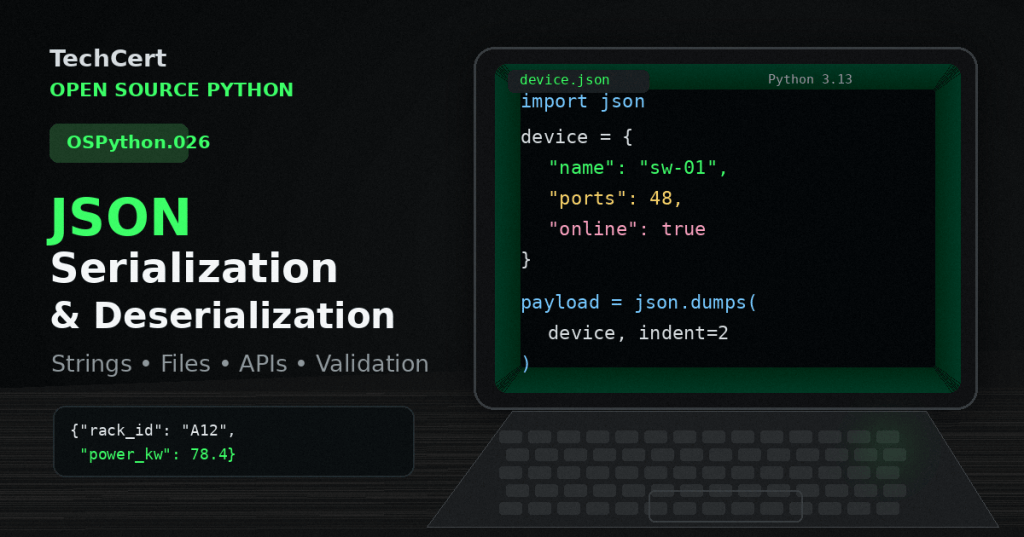
Learn Python JSON serialization and deserialization with json.dumps, dump, loads, load, files, APIs, validation, dataclasses, enums, and error handling.
-
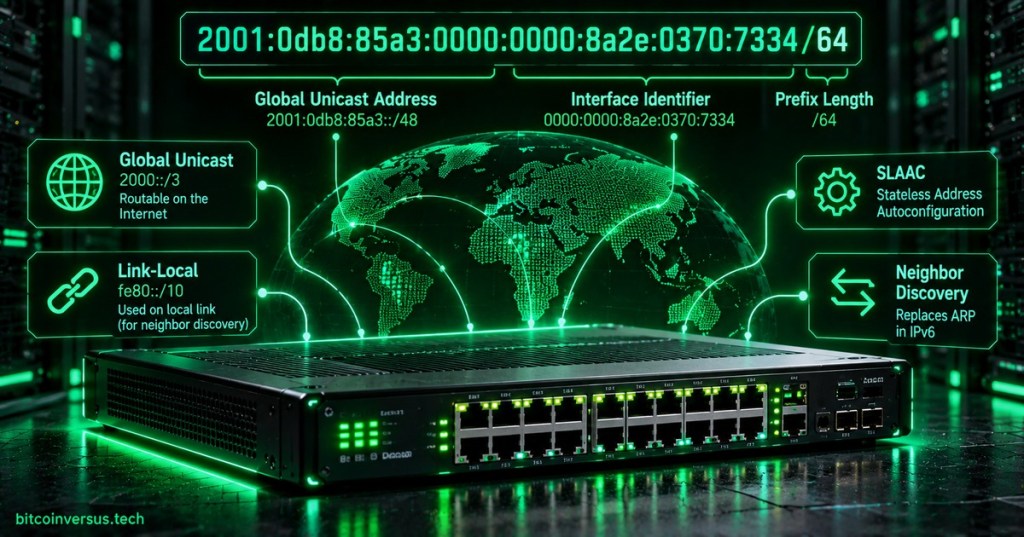
Learn IPv6 addressing, prefix lengths, global and link-local addresses, SLAAC, DHCPv6, Neighbor Discovery, routing, troubleshooting, and IPv4-to-IPv6 transition methods.
-

Learn how early banks moved money from physical coins into deposits, ledgers, banknotes, checks, credit, and reserve-based settlement systems.
-
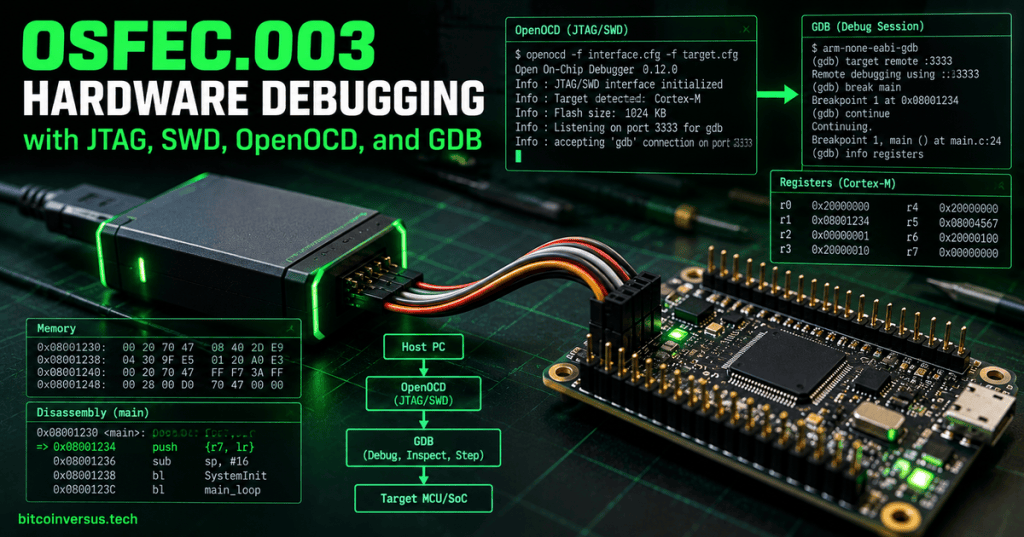
OSFEC.003 explains firmware hardware debugging with JTAG, SWD, OpenOCD, GDB, breakpoints, watchpoints, register and memory inspection, backtraces, and fault analysis.
-
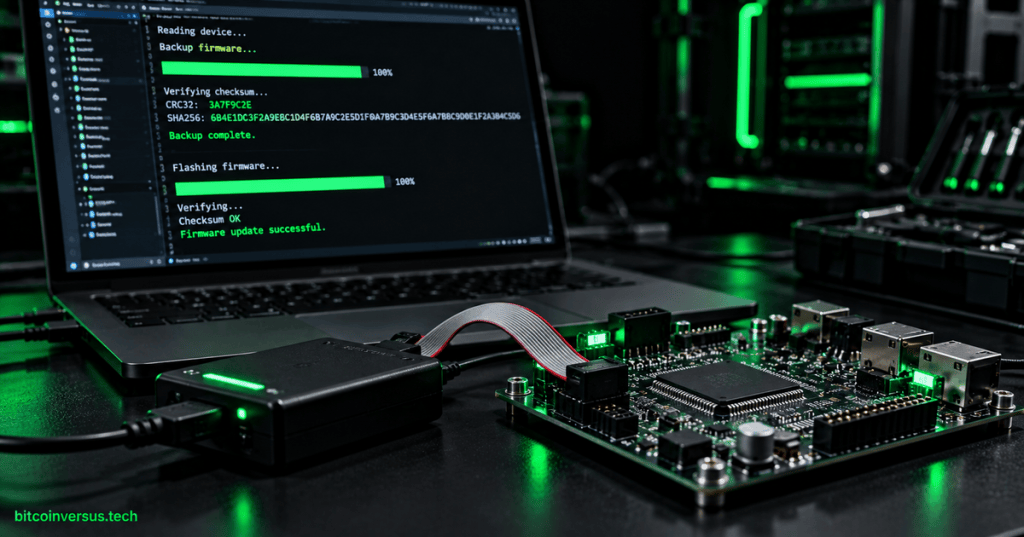
OSFTC.003 teaches firmware technicians how to back up device state, verify images with checksums and hashes, preserve golden images, use rollback safely, and validate recovery after flashing.
-
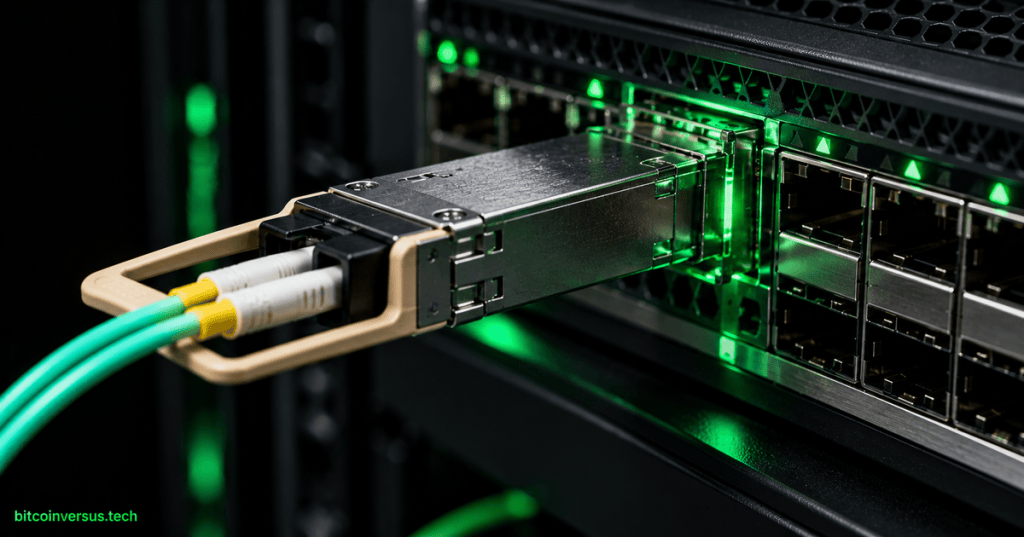
OSFOEC.003 explains how to select optical transceivers by form factor, host port, data rate, fiber type, wavelength, reach, power budget, FEC, thermal limits, breakout behavior, and interoperability.

