Tech Docs
-
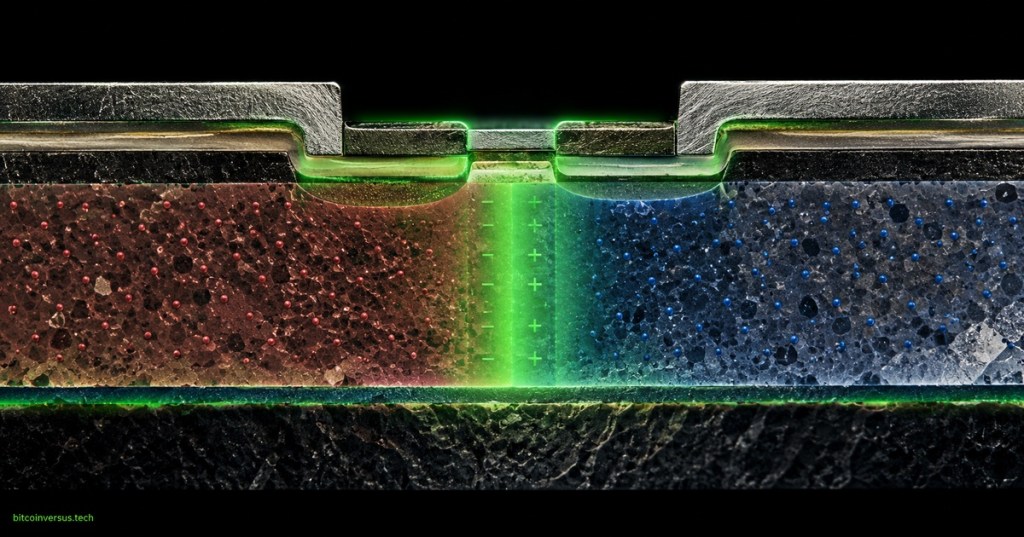
Semiconductor engineering lesson on PN-junction electrostatics: depletion width, built-in potential, electric field, applied bias, junction capacitance, C–V measurement, and process implications.
-
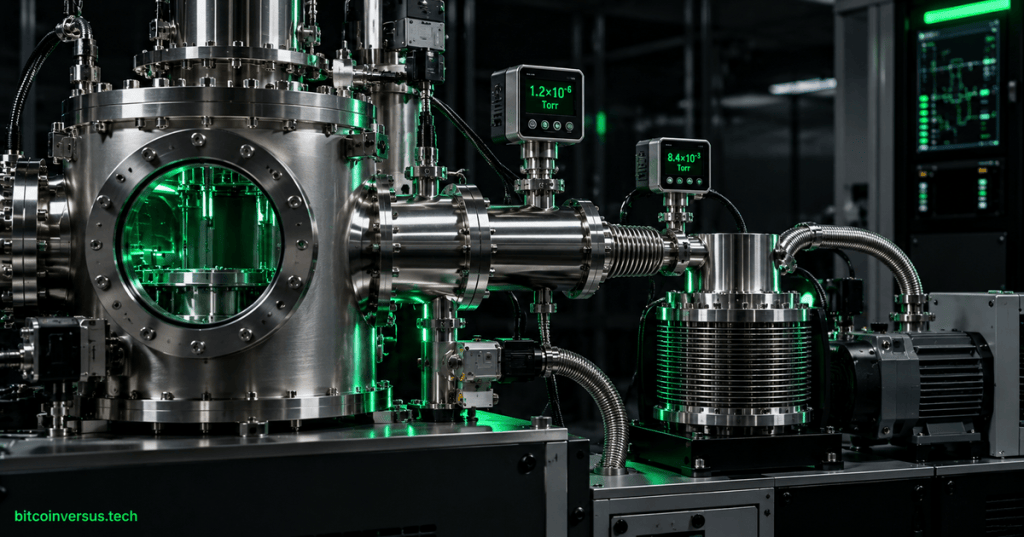
OSSTC.003 teaches semiconductor technicians how fab vacuum systems work, including roughing and dry pumps, turbomolecular pumps, vacuum gauges, load locks, pumpdown behavior, leak detection, troubleshooting, and safe recovery.
-
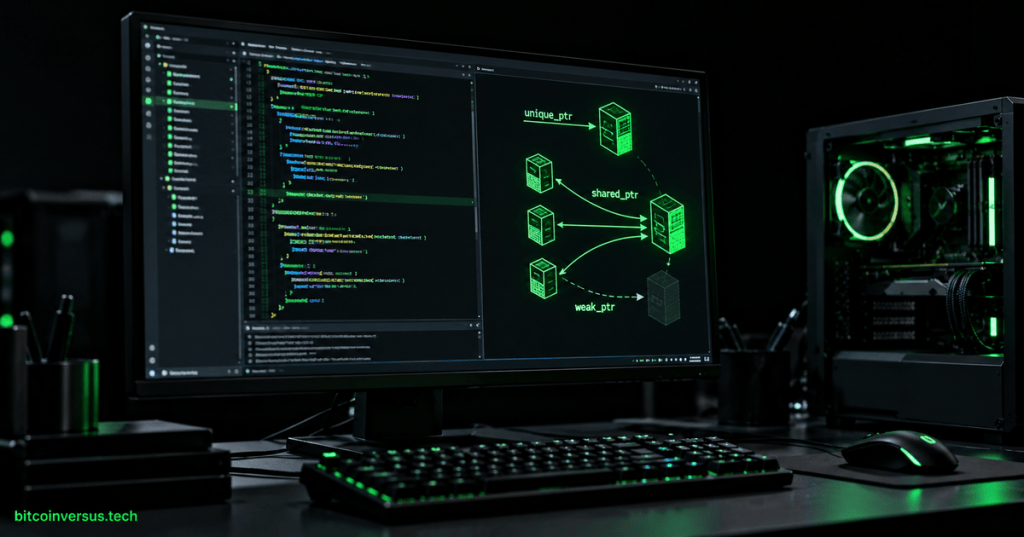
OSC++.021 explains modern C++ smart pointers, ownership semantics, RAII, unique_ptr, shared_ptr, weak_ptr, factory patterns, polymorphic cleanup, reference cycles, and practical memory-management design.
-
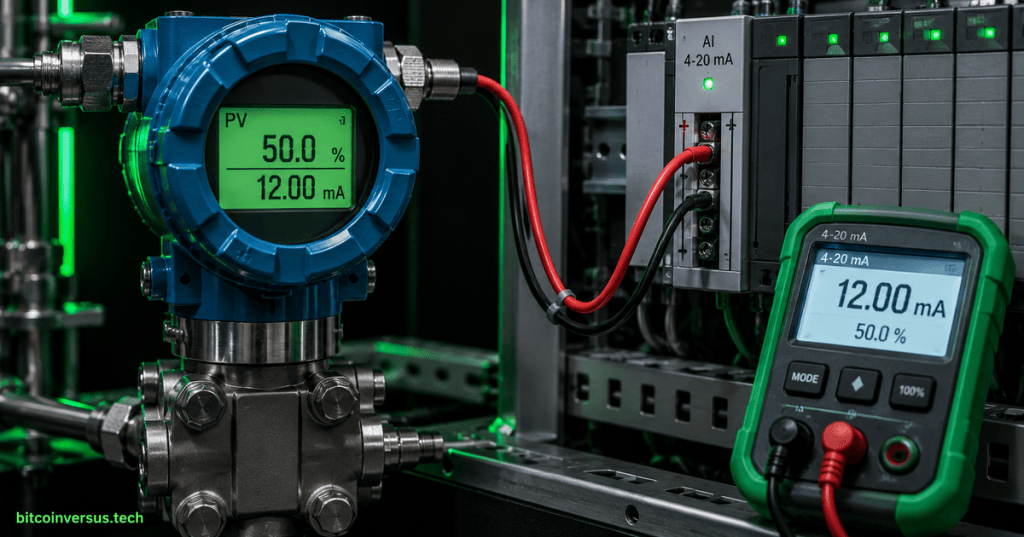
OSETC.027 explains 4–20 mA current loops, scaling, loop power, PLC analog inputs, calibrator modes, commissioning, and field troubleshooting.
-
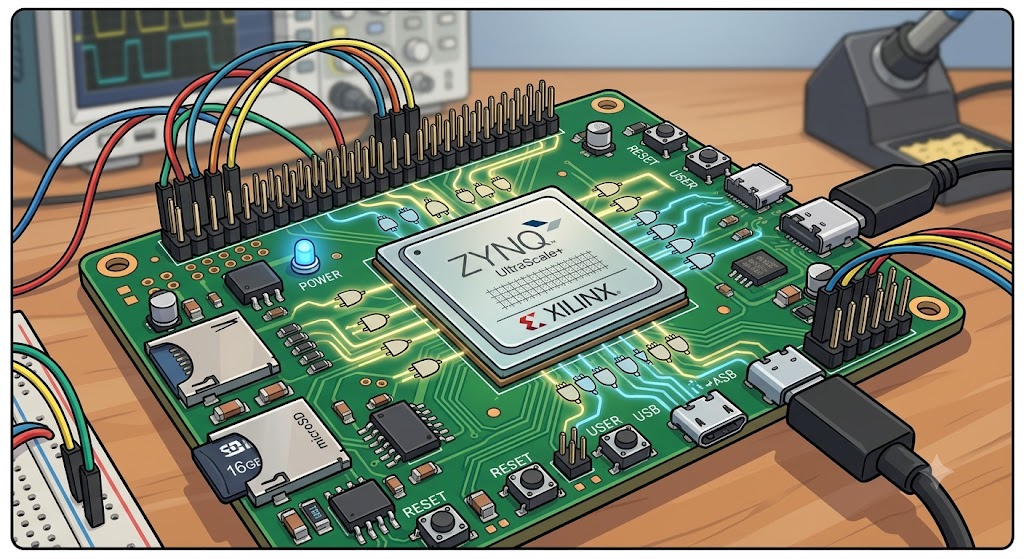
A Field-Programmable Gate Array, or FPGA, is a semiconductor device that can be configured after manufacturing to perform custom digital logic functions. Unlike a traditional CPU, which executes software instructions sequentially, an FPGA contains programmable logic blocks, routing resources, memory elements, and digital signal-processing components that can be arranged into specialized hardware circuits. Engineers commonly…
-
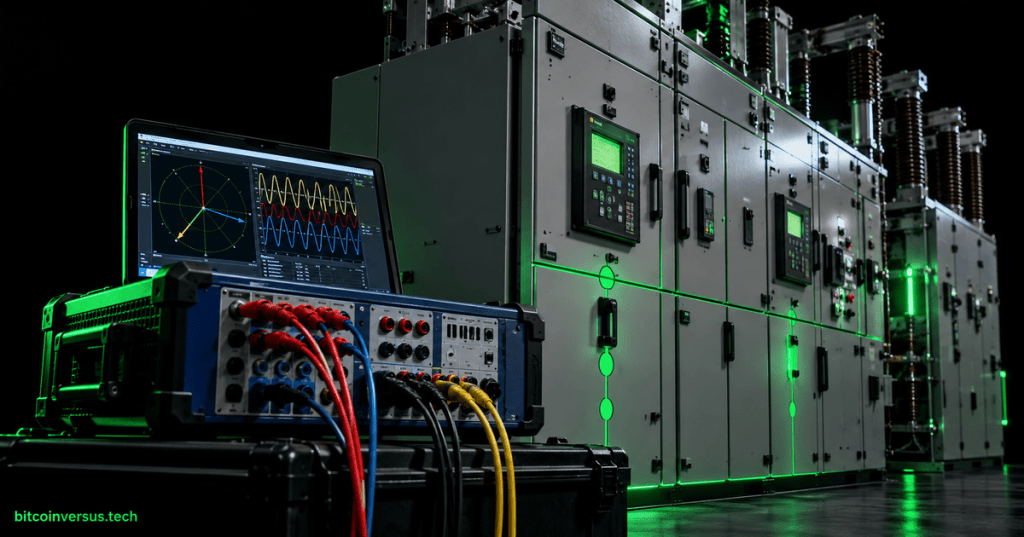
OSEEC.012 explains short-circuit and fault analysis using Thevenin equivalents, three-phase fault current, symmetrical components, sequence networks, equipment ratings, and practical power-system study workflow.
-
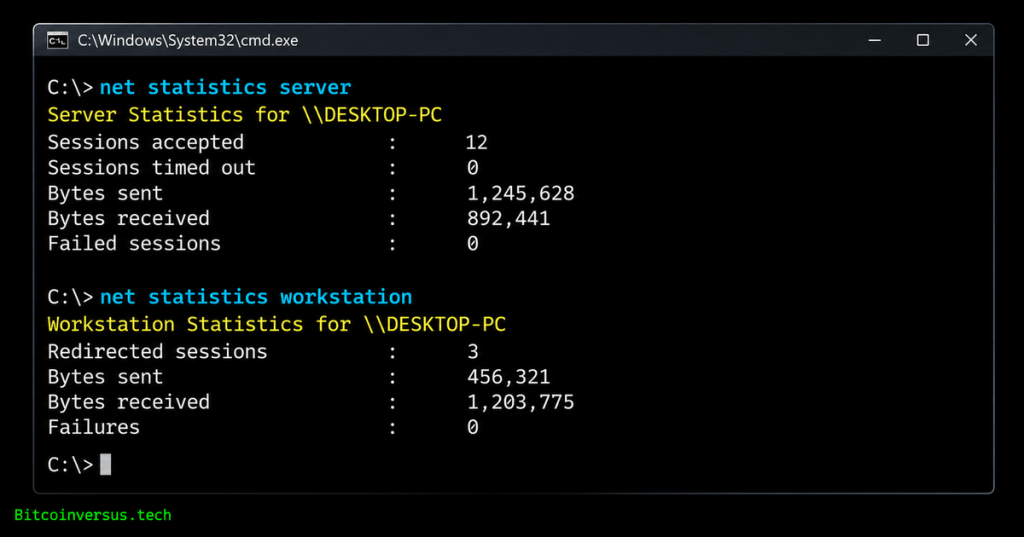
Windows Command #32 explains net statistics, including Workstation and Server service counters, statistics windows, baseline capture, SMB troubleshooting, and safe interpretation.
-
Linux Command #42 explains groupmod: renaming groups, changing GIDs, checking identity dependencies, reviewing filesystem ownership, and validating group changes safely.
-
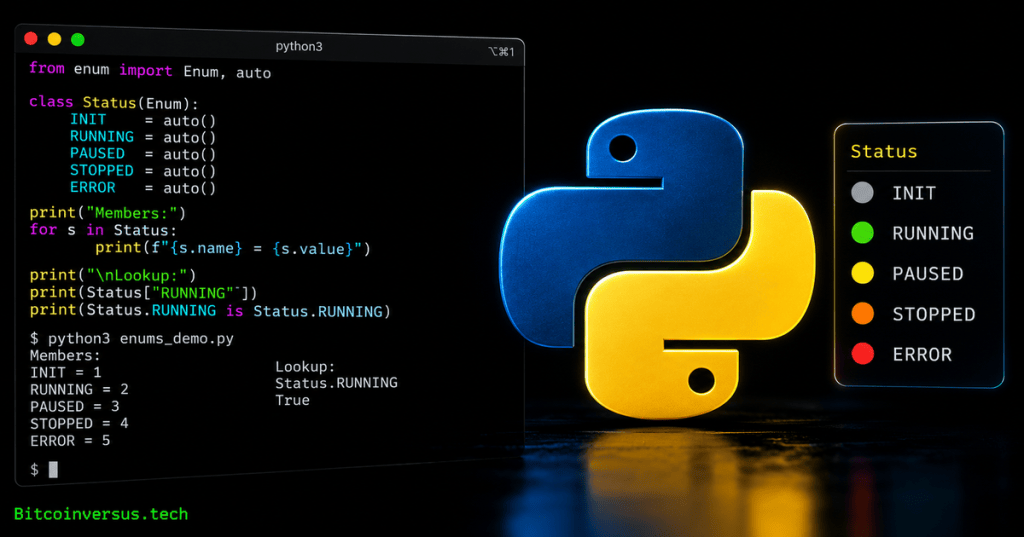
Python lesson on enums and named constants, covering Enum, auto, explicit values, StrEnum, IntEnum, dataclasses, pattern matching, parsing, serialization boundaries, and common enum mistakes.
-
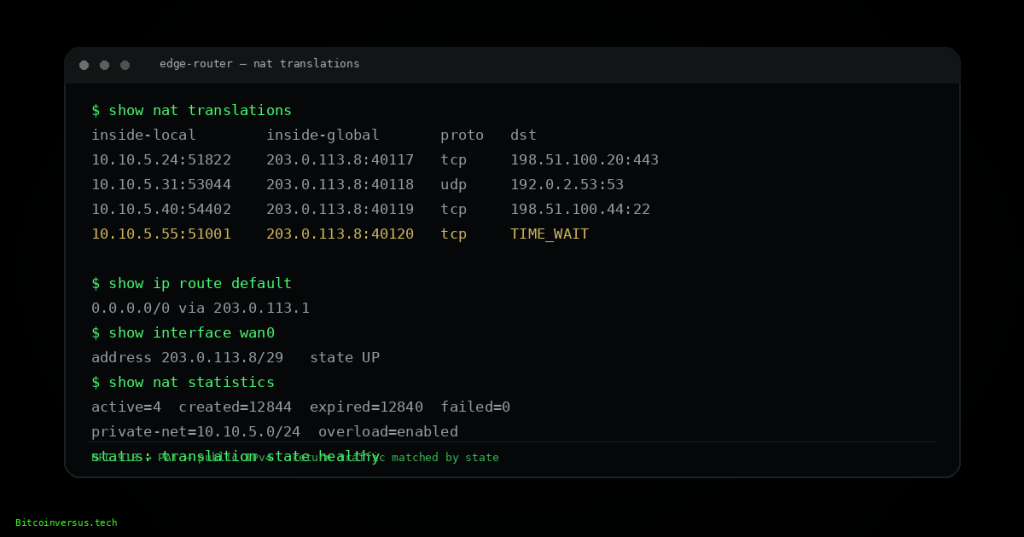
Networking technician lesson on NAT and PAT, RFC 1918 private addressing, static and dynamic translation, NAT overload, translation state, port exhaustion, CGNAT, and troubleshooting.
-

History of money lesson on standardized coinage, Lydian electrum, weight standards, mints, fineness, seigniorage, debasement, counterfeiting, and the technology of monetary trust.
-
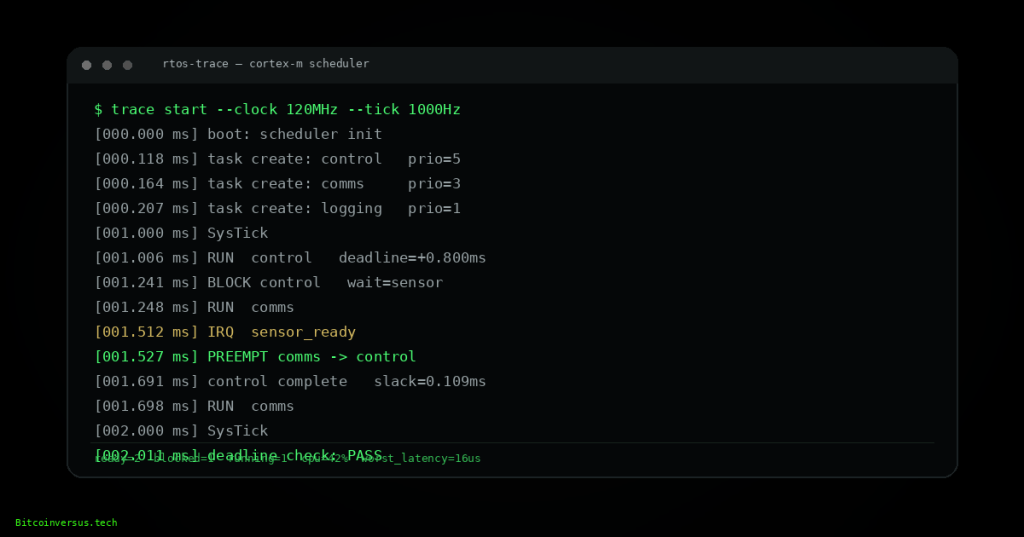
Firmware engineering lesson on real-time scheduling, superloops, RTOS task states, fixed priorities, preemption, context switching, WCET, blocking, priority inversion, jitter, and timing verification.

