Tech Docs
-
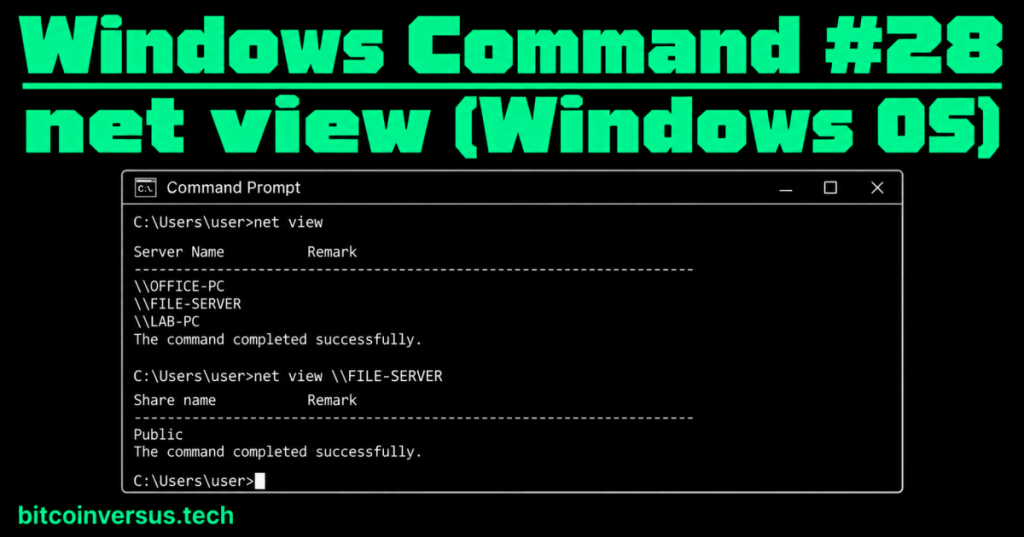
net view lets you view Windows computers or shared resources that are visible to the command. The easiest way to remember it is: net share: “What is this computer sharing?” net view: “What computers or shared resources can I view?” Start with the smallest command With no computer name added, net view can display computers…
-
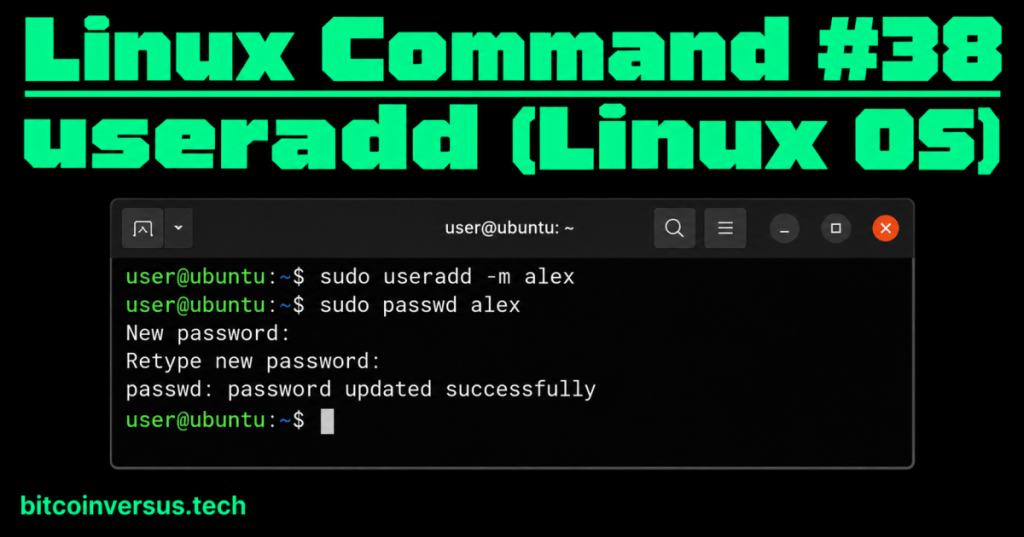
useradd creates a new Linux user account. Think of it like adding a new person to a computer’s list of recognized users. The new account can then have its own username, home directory, password, files, and permissions. The simple command This example has three easy parts: sudo runs the administrative command with elevated privileges. useradd…
-
Learn Python decorators from the simplest wrapper to arguments, functools.wraps, timing, and practical use cases.
-
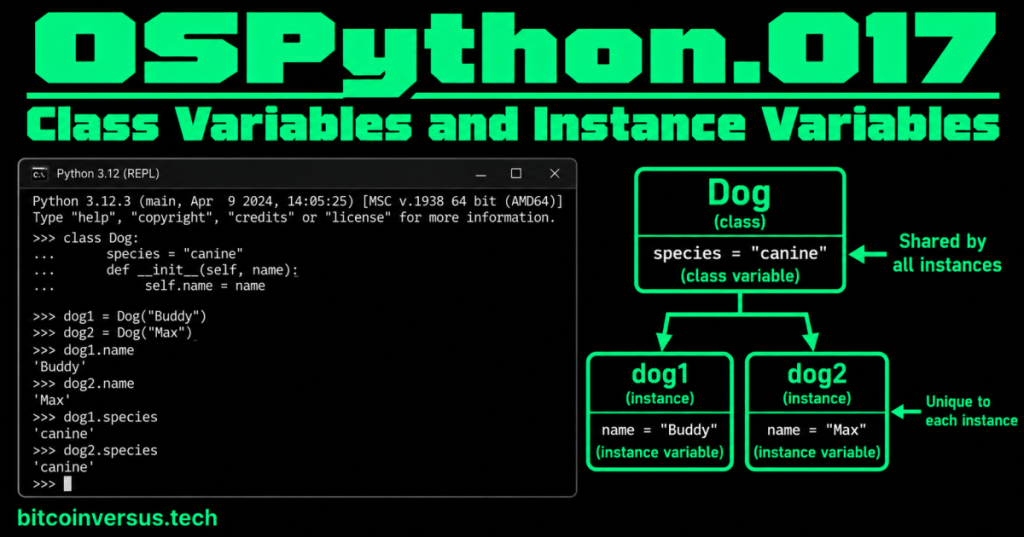
A class variable is shared. An instance variable belongs to one object. That is the whole lesson in one sentence. If you create two dogs, both dogs can share the fact that they are canine. But each dog can have its own name. Start with the smallest example There are two kinds of data here:…
-
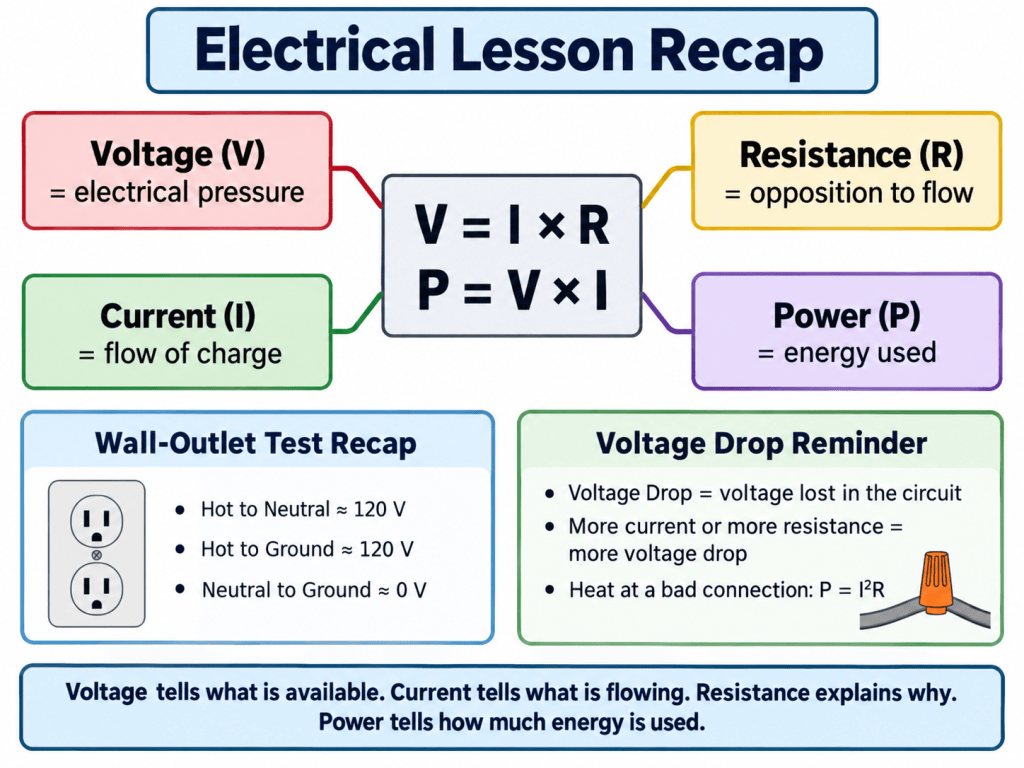
Today’s foundation is the relationship between voltage, current, resistance, and power. These four quantities show up constantly when troubleshooting power supplies, motors, control circuits, semiconductor equipment, and data-center hardware. Voltage (V) is electrical potential difference. Think of voltage as the electrical force available to move charge between two points. A standard U.S. receptacle should measure…
-
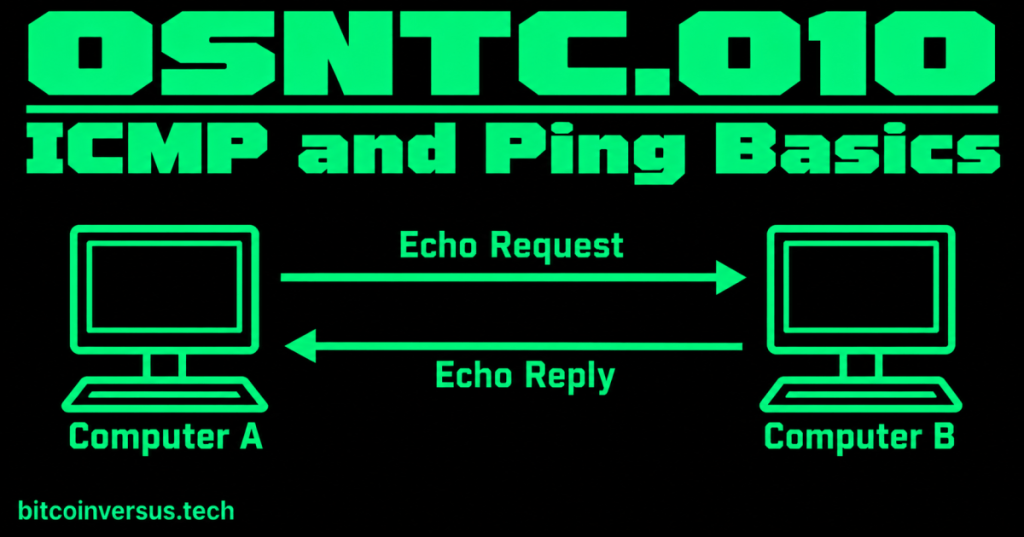
Ping answers one of the first questions in network troubleshooting: “Can I reach that device?” When you run ping, your computer can send a small ICMP message called an Echo Request. If the target answers, it sends an Echo Reply. Think of it like calling out, “Are you there?” and hearing, “Yes, I’m here.” Start…
-
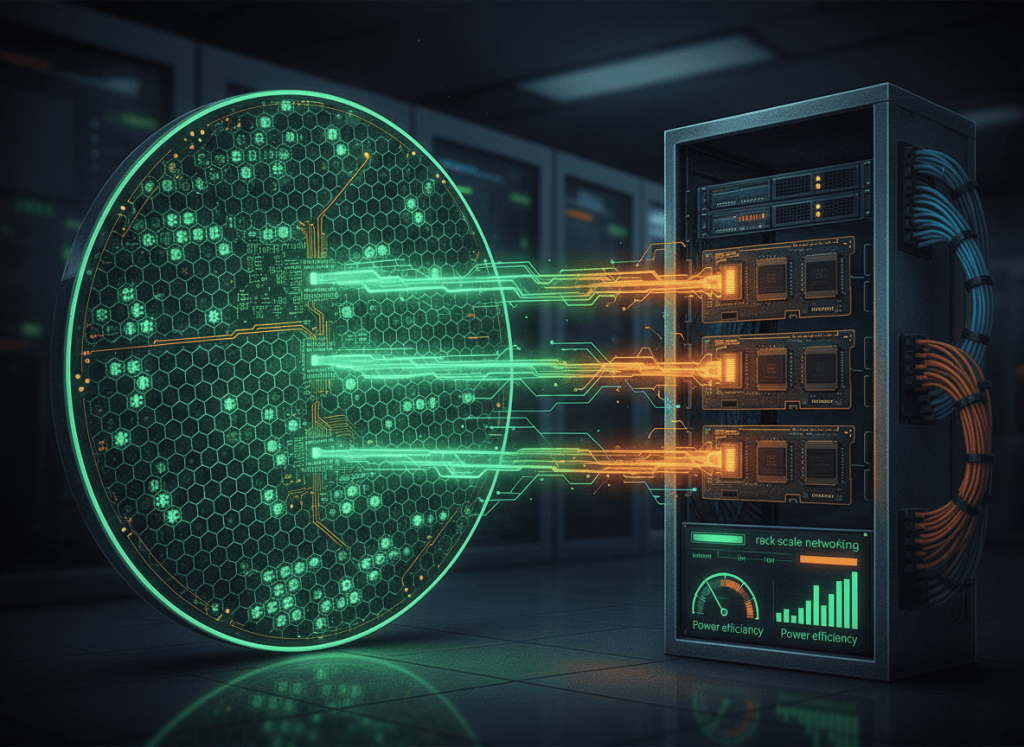
Cerebras hit a post-IPO low as Nvidia pressure tests whether wafer-scale AI hardware can overcome the GPU ecosystem’s software and deployment advantages.
-
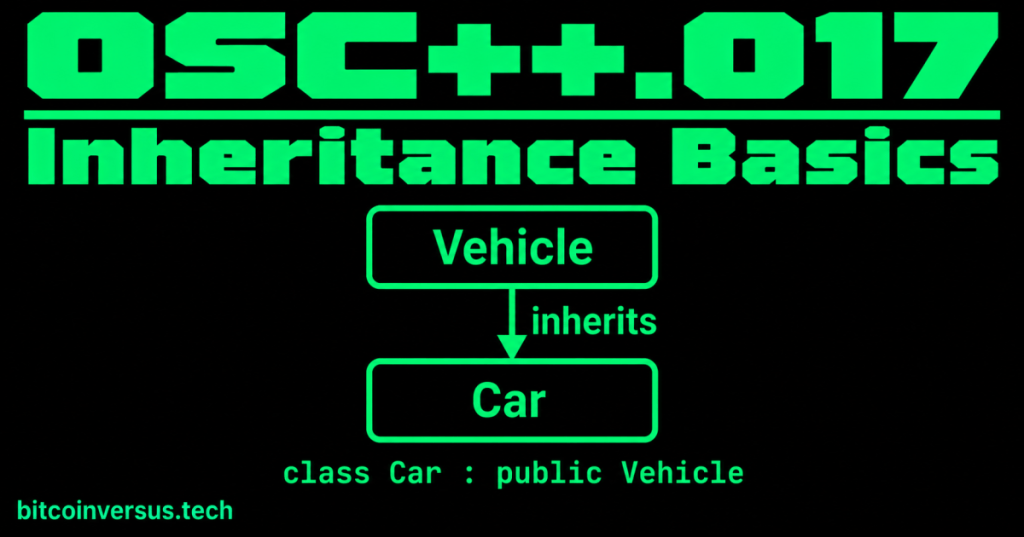
Inheritance lets one C++ class build on another class. The easiest way to think about it is this: Vehicle is a general class. Car is a more specific kind of Vehicle. So Car can inherit useful parts of Vehicle. In C++, the general class is usually called the base class. The class that inherits from…
-
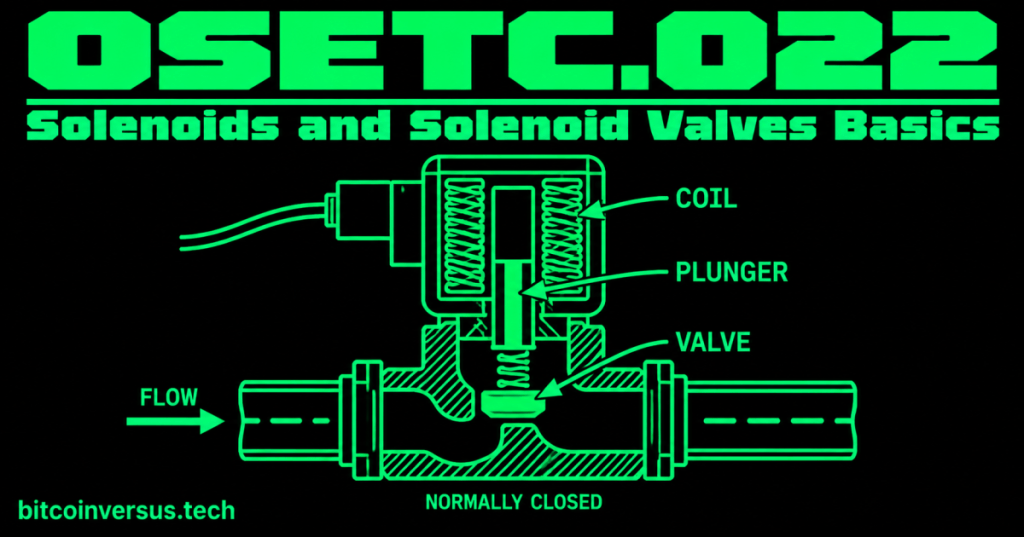
A solenoid turns electrical energy into a small mechanical movement. A solenoid valve uses that movement to open, close, or redirect the flow of air or liquid. You have seen the basic idea in everyday life: an electrical signal tells a physical device to move. In industrial controls, the signal might energize a coil, pull…
-
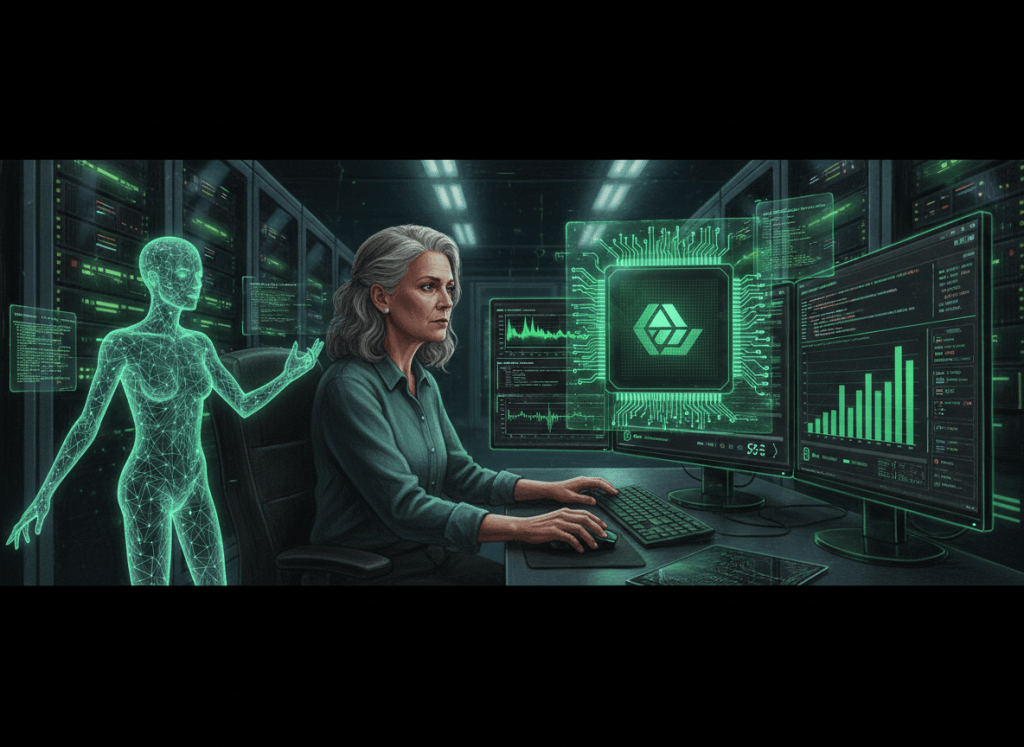
AI coding agents are beginning to automate CUDA kernel optimization, pushing expert GPU engineers toward benchmarking, verification and agent supervision.
-
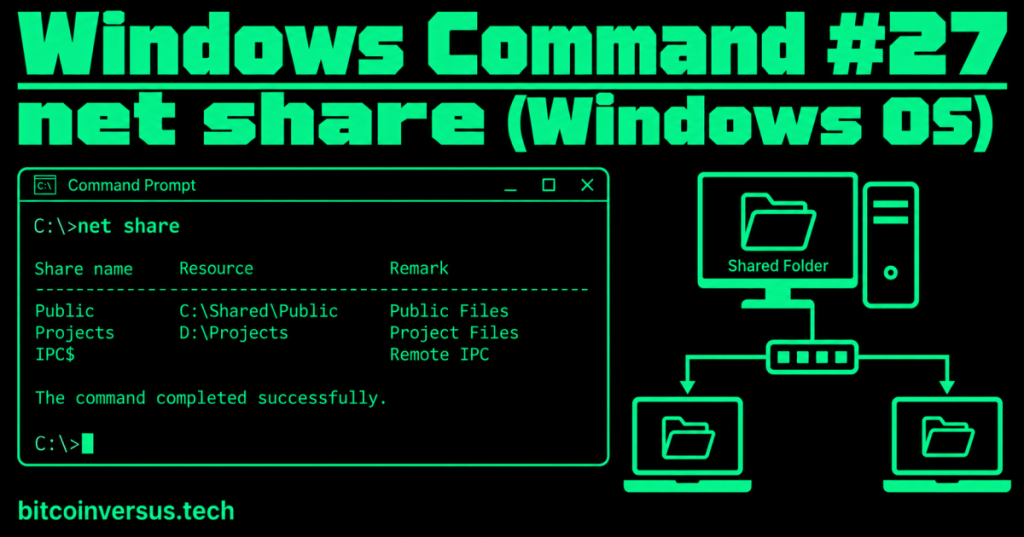
The Windows net share command shows and manages folders or other resources that your computer shares over a network. Think of a shared folder like a team locker: the files stay on one computer, but approved people on other computers can reach that shared location over the network. net share lets you inspect that sharing…
-
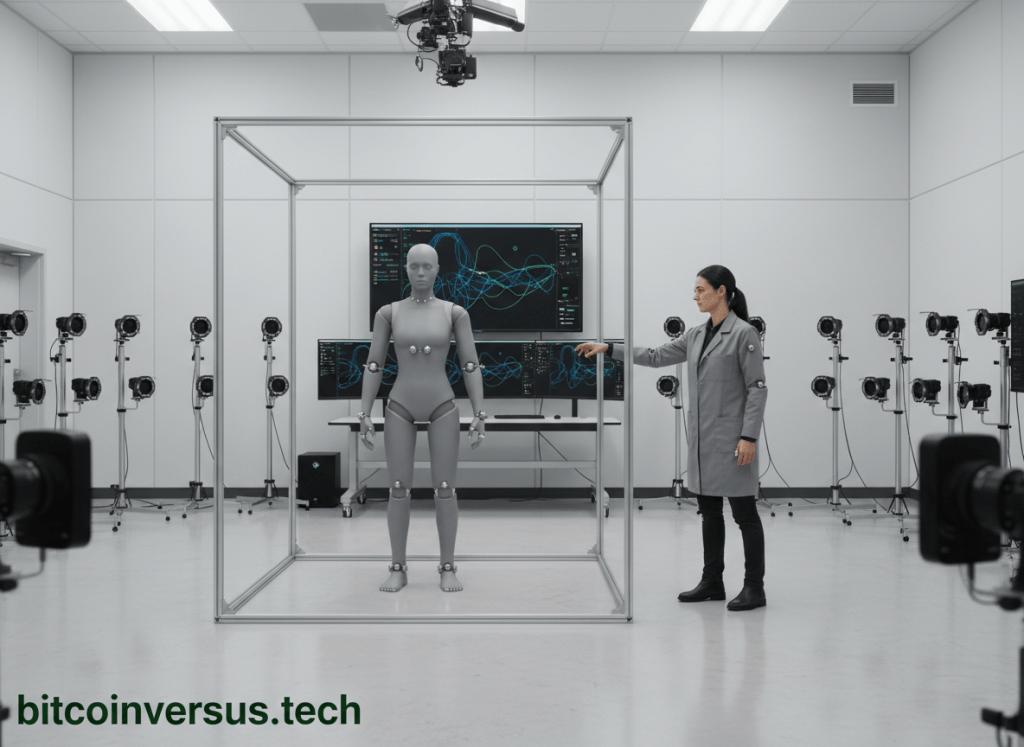
Innodata’s new physical-AI lab uses Vicon infrared cameras to capture direct 3D motion at sub-millimeter accuracy and independently validate humanoid robot telemetry.

