Tech Docs
-
Power Efficiency Theory is built on ideas borrowed from physics, but it is important to be precise about how those ideas are used. In physics, force describes the ability of a system to cause or resist acceleration. It tells us what a structure can withstand or exert under load. A building, for example, has force…
-

Renewable energy is power that comes from sources that are constantly and naturally refilled. Imagine energy sources that never run out because they are always being replaced. This is different from fossil fuels like coal, oil, and natural gas. Fossil fuels took millions of years to form deep underground, and when we use them up,…
-
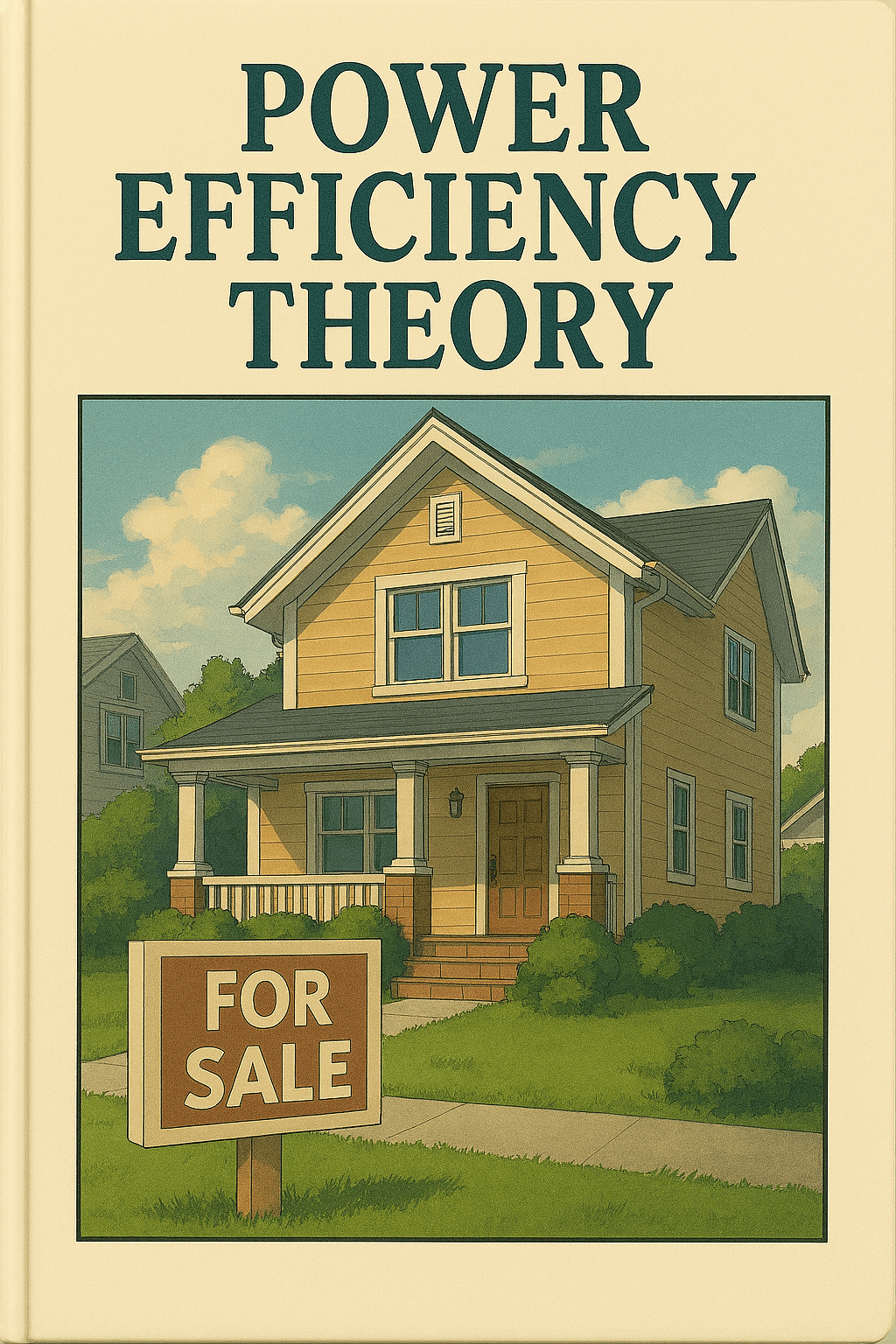
We know that Force is equal to mass times acceleration. A home has physical mass, structural strength, and load-bearing capacity. These properties give it force capacity in the physical sense. However, a home does not move and does not perform continuous work, so its velocity is effectively zero. As a result, its power output, in…
-
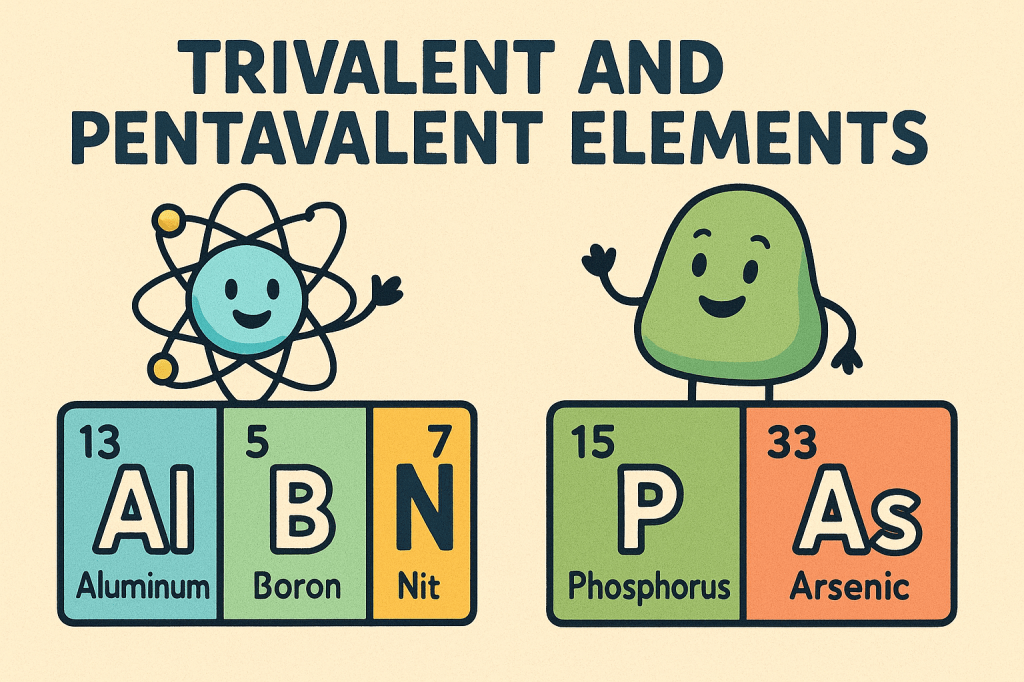
Trivalent and pentavalent elements are terms used to describe the number of valence electrons that an atom has available for bonding. Trivalent elements have three valence electrons, which means they can form three bonds with other atoms. This property is often seen in elements like aluminum and gallium. These elements typically participate in chemical reactions…
-
When we talk about diode series resistance, we are referring to the resistance that is present in the diode when it is conducting current. This resistance is not just a simple number; it can change based on various factors, such as the amount of current flowing through the diode and the temperature of the diode…
-
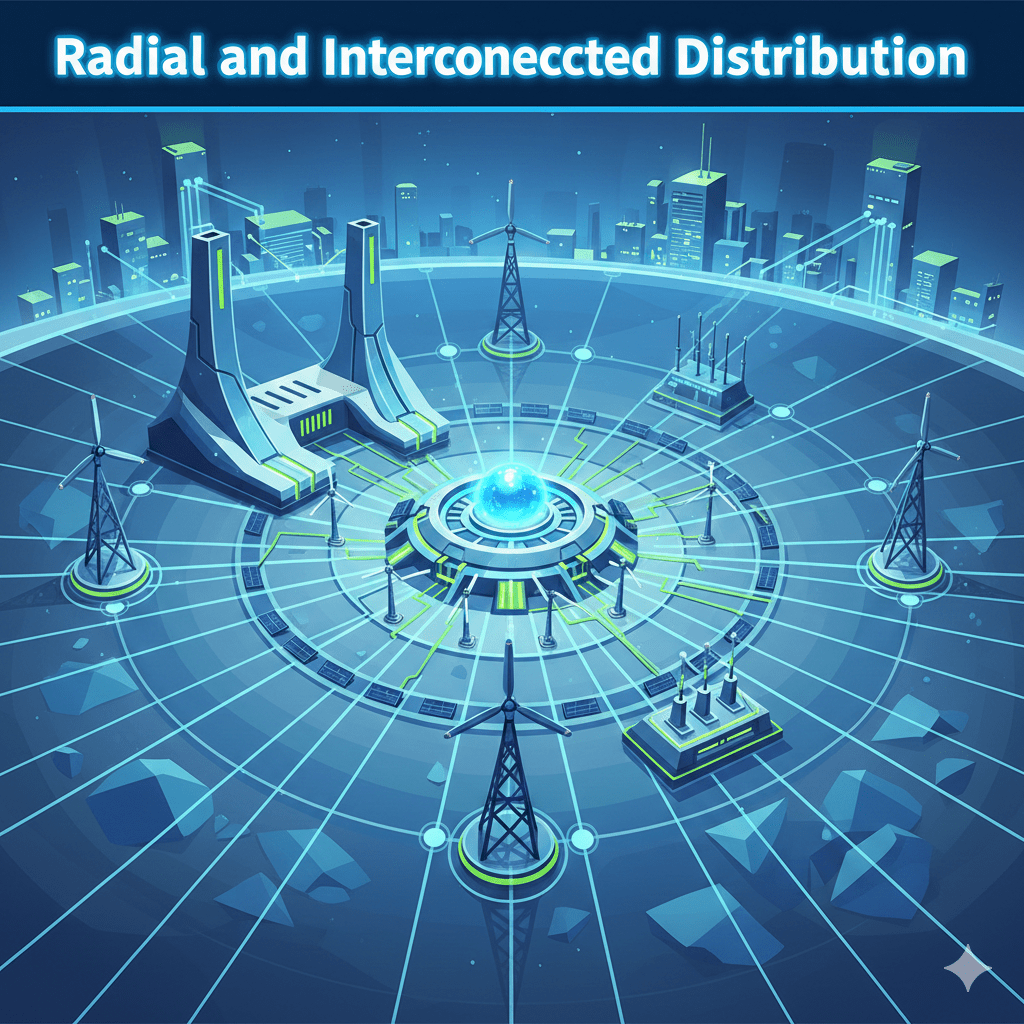
Radial and interconnected distribution networks represent two distinct approaches to the design and operation of electrical distribution systems. A radial distribution network is characterized by a tree-like structure where power flows from a single source through a series of branches to reach various consumers. This configuration is straightforward and easy to manage, but it can…
-
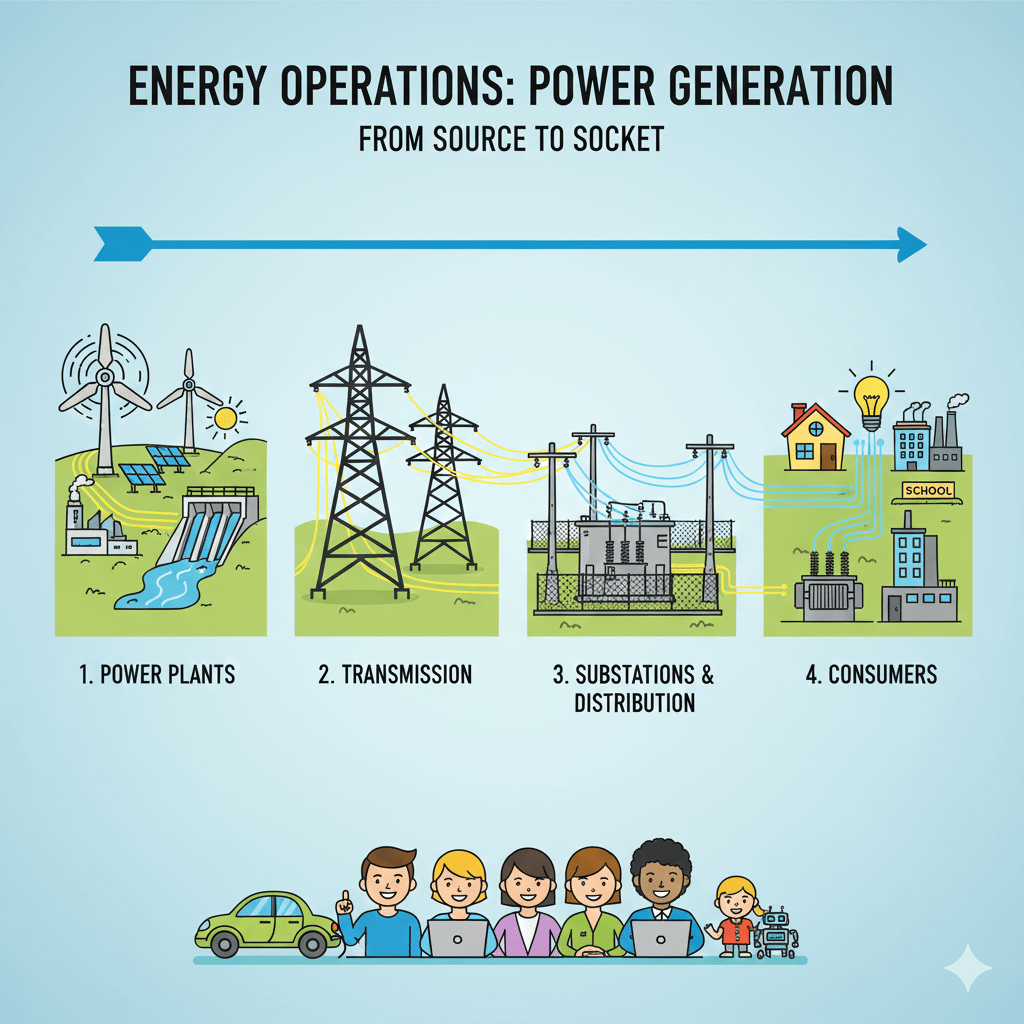
Power generation in terms of the energy grid refers to the process of producing electrical power at power stations or generation assets, which are connected to an interconnected network called the electrical grid. This grid is a complex system comprising power generation facilities, transmission lines, substations, distribution lines, and consumers. The power generated comes from…
-
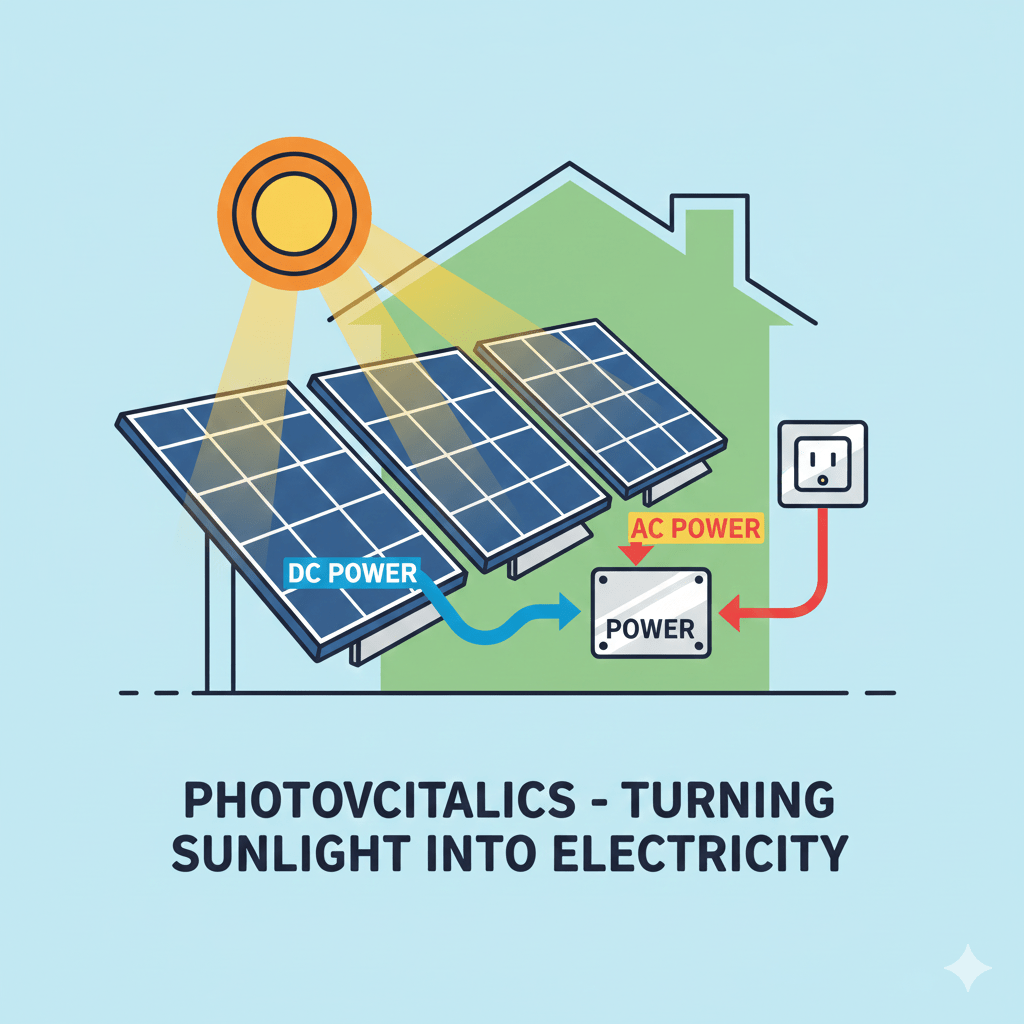
Photovoltaics is the technological principle and scientific field concerned with the direct conversion of light energy, specifically photons from sunlight, into electrical energy through the photovoltaic effect, a physical and chemical process that occurs within a class of materials known as semiconductors, most commonly crystalline silicon. The fundamental unit of this conversion is the photovoltaic cell,…
-
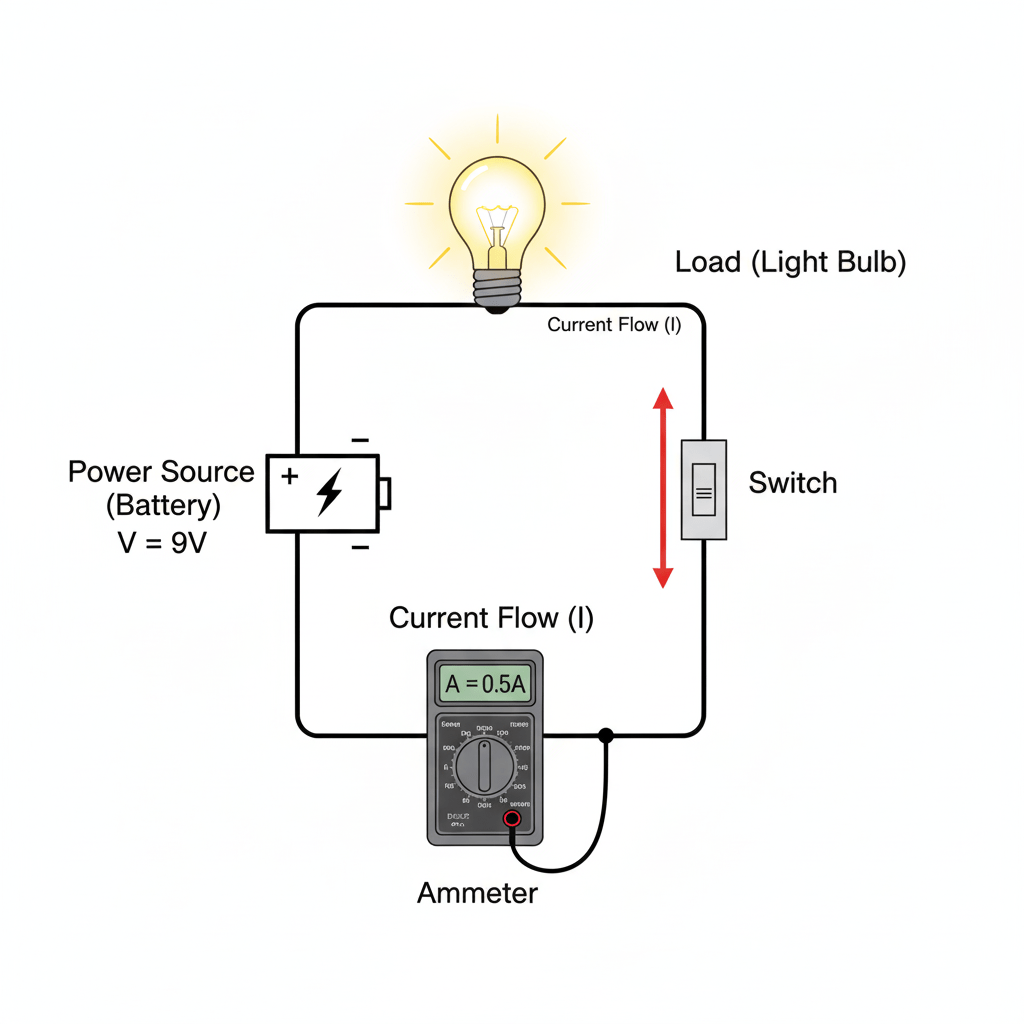
A simple circuit is an electrical circuit that consists of just a few basic components, creating a closed loop through which electric current flows. Typically, it includes a power source like a battery, a conductive path such as wires, and a load, which can be a device like a light bulb or resistor that uses…
-
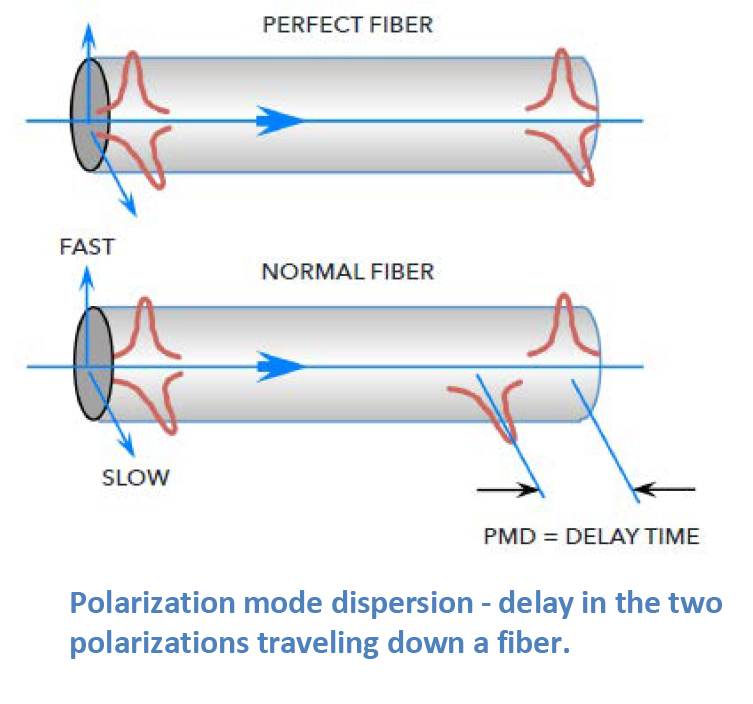
Polarization Mode Dispersion (PMD) refers to the distortion of optical signals caused by slight differences in the propagation speed of light’s polarization modes as they travel through fiber. In an ideal optical fiber, light of all polarization states should move uniformly. However, imperfections, asymmetries, and environmental stress within the fiber cause birefringence—splitting the light into…
-

Contact resistance in semiconductor diodes refers to the parasitic electrical resistance that arises at the interfaces between the semiconductor material and the metal contacts (electrodes) that are attached to it. These metal-semiconductor interfaces are critical for injecting current into or extracting current from the active regions of the diode. The origin of this resistance is…
-
Resistance is the measurable opposition to the flow of electric current presented by a specific, complete object, such as a wire or a resistor. It is an extrinsic property, meaning its value is not fixed but is instead dictated by the physical geometry of the object. A long and narrow component will exhibit high resistance, making…

