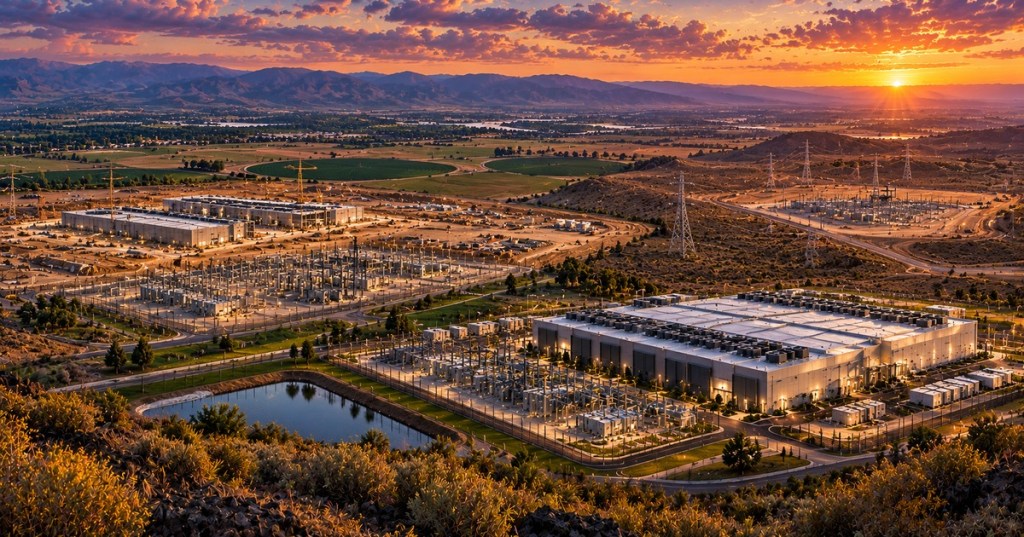
Idaho’s data-center industry is moving toward giant computing campuses, but the highest reported electricity figures remain development ambitions. In the next installment of BitcoinVersus.Tech’s state-by-state ranking series, we examine the three largest identifiable Idaho data-center campuses by documented or independently estimated capacity as of October 28, 2026. One is operating, one has a zoning approval but no confirmed large-scale construction, and the third is pursuing a federal-land application.
Ranking method: We rank by the highest reported or modeled campus-level power figure, taking care to label its source and meaning. Diode Ventures described 600–800 MW as possible full-buildout demand for Gemstone; Rhea’s preliminary proposal has been described as a 600 MW data-processing campus; and a third-party database estimates 198 MW for Meta Kuna’s two operating buildings. These measures do not share a common commissioning date, and an estimate is not a utility meter reading. The upper end of Gemstone’s reported range gives it first place.
3. Meta Kuna Data Center — 198 MW Estimated Operating Campus Capacity
Meta announced on September 3, 2026 that its Kuna Data Center is officially online. The site near Kuna-Mora and Cole roads represents an investment of more than $1.2 billion and involved about 1,600 construction workers at peak. Meta’s formal opening statement confirms operating status but does not disclose a verified facility or IT megawatt rating. The company continues building at the site, including two rapid-deployment buildings documented by BoiseDev in October.
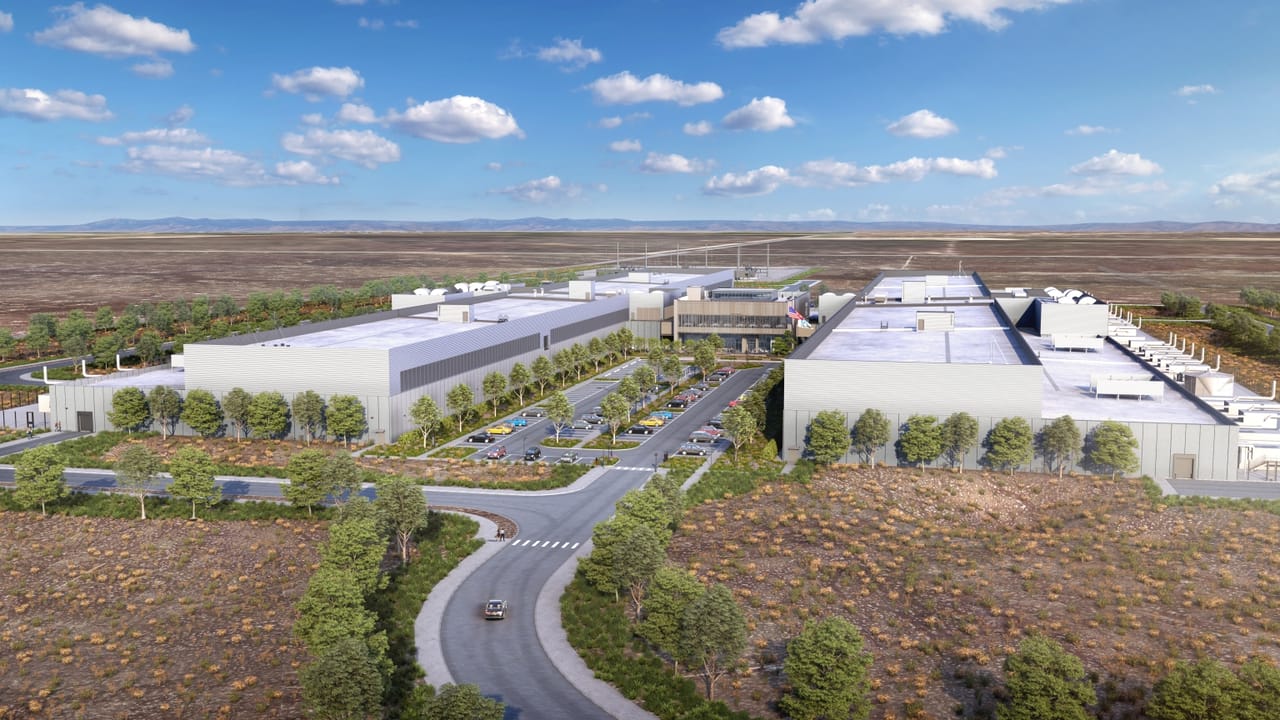
Cleanview’s October 2026 data-center inventory estimates 99 MW for each of two operating Kuna buildings, or 198 MW for those structures combined. It is an independent capacity estimate, not the amount of power that Meta says it draws today. Epoch AI instead models 152 MW of IT power from imagery and cooling equipment; IT power and total facility power cannot be treated as equivalent. Meta also says it supported 645 MW of new renewable energy projects in Ada County. That number describes generation projects and is not the data center’s electricity demand.
2. Rhea Data Blacks Creek Campus — 600 MW Preliminary Proposal
The Rhea Data project, submitted by a subsidiary of Nevada-based Arevia Power, envisions a 600 MW data-processing complex south of Boise near Blacks Creek Reservoir and the Interstate 84 corridor. In September 2026, KIVI reported confirmation from the Bureau of Land Management of a roughly 4-million-square-foot, multi-building facility. The proposal involves about 3,700 acres of BLM-managed land across the broader project corridor and includes an on-site natural-gas power plant and electrical rights of way into Elmore County.
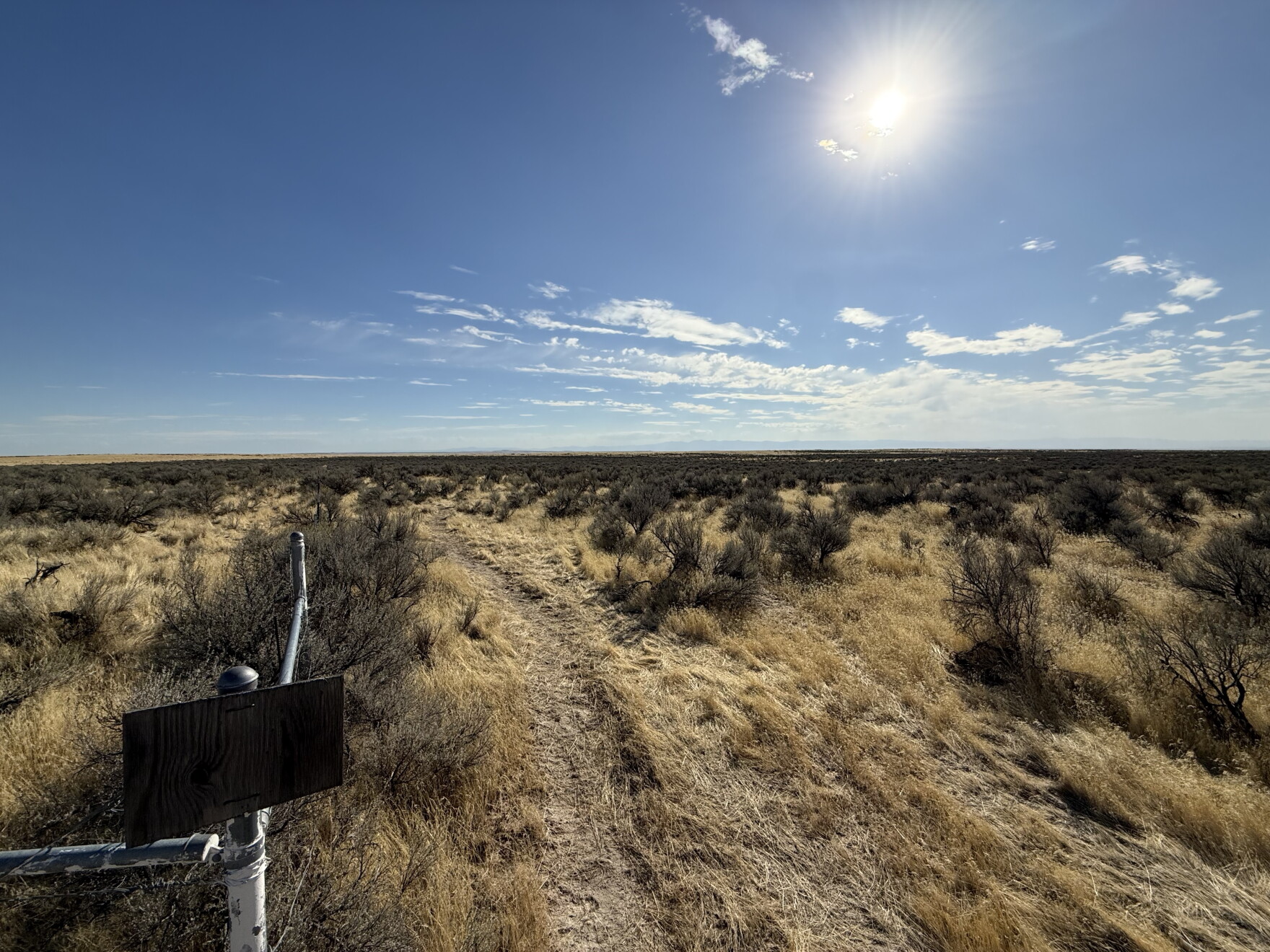
Unlike the local zoning action for Gemstone, Rhea requires federal land-use processing, environmental review and public participation. The BLM confirmed the project was at the application stage as of September 21. Boise State Public Radio reported that the agency hoped to initiate the public scoping process before the end of 2026. That timeline is a forecast, not permission to build. The preliminary plan raises questions about water, the reservoir’s bird habitat, grid interconnection and fossil generation.
Idaho Power told The Arbiter in October that Rhea was too preliminary to determine the upgrades necessary to serve it and that the project was not yet included in the utility’s load forecast. That is a critical distinction: a 600 MW proposal is not a guaranteed 600 MW interconnection agreement. Another newly reported federal-land concept from Copia Power north of Twin Falls likewise lacks sufficiently attributable capacity to outrank the projects in this list.
1. Diode Ventures Gemstone Technology Park — 600–800 MW Full-Buildout Range
Gemstone Technology Park is a 620-acre industrial data-center development at 3250 South Locust Grove Road near Barker Road in Kuna. A Diode Ventures representative told the April 2025 City Council hearing that the eventual campus might require 600–800 MW of electricity at full buildout, a range reported by the Idaho Statesman. The site is envisioned as a phased campus with several buildings, utility facilities and landscaped buffer areas. A reported investment above $1 billion is an anticipated development scale, not confirmed construction spending.
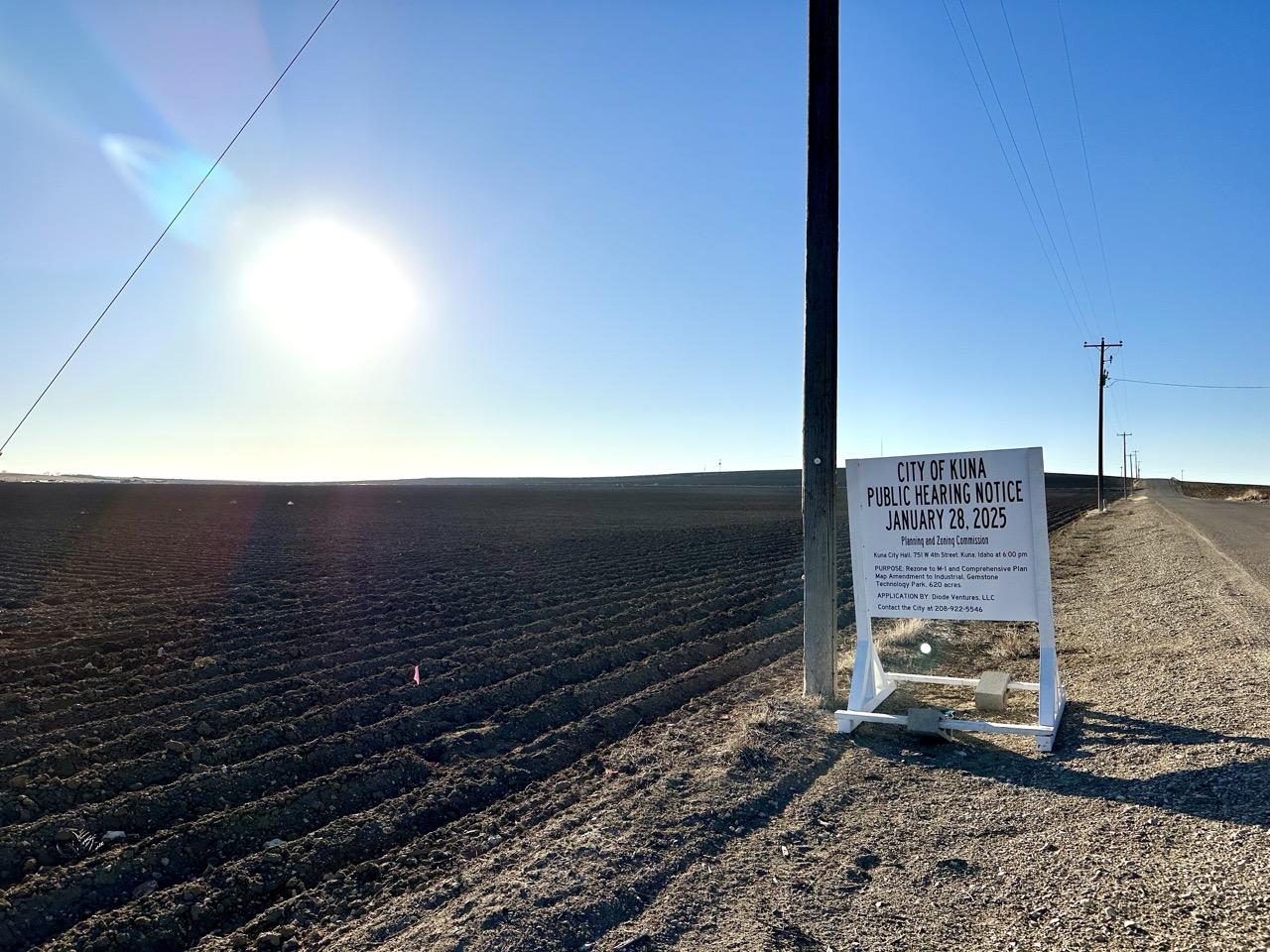
In April 2025, the Kuna City Council approved Gemstone’s rezoning 3–2, allowing the former agricultural property to be designated for light industrial development. That vote did not energize the proposed campus. Diode’s current project page still describes the development as early-stage, while a local-record tracker reports a legal challenge to its land-use approval. No completed data halls or operating megawatt total have been confirmed.
The developer’s project update page says it is refining electricity, fiber, water, wastewater and traffic plans. Idaho Power has performed a feasibility study, with the company committing to cover upgrades directly attributable to its interconnection. Diode also discusses water-rights changes and self-managed wastewater treatment. Those plans are important, but they are not substitutes for electrical service contracts, environmental permits and construction milestones.
Why These Three Make the Ranking
Gemstone’s reported 600–800 MW range is a hypothetical full-buildout requirement presented in a municipal hearing; Rhea’s 600 MW is a preliminary data-processing proposal undergoing federal review; and Meta’s 198 MW comes from an outside capacity estimate, with only its operating status directly confirmed by Meta. These are fundamentally different evidence levels. We have made the distinctions explicit rather than treating three numbers as measured instantaneous power draw.
Other substantial Idaho proposals require further investigation. Copia Power’s southern Idaho federal-land proposal lacks a sufficiently established MW rating. Smaller projects include T5 Nampa and ValorC3 Boise. The proposed 200 MW LEX Portneuf development in Pocatello has been excluded following its denied land-use request, rather than categorized as active construction.
For perspective, our Georgia ranking includes multigigawatt concepts, the Colorado report details the permitting and community challenges of large campus proposals, and Delaware’s ranking illustrates why halted and operational projects cannot be blended. Idaho’s next practical milestones are public permits, utility interconnection plans, adequate water and cooling infrastructure, and commissioned capacity—not aspirational electricity totals.
Editor’s Note: All figures are presented with their original evidence and status. Three credited, project-specific photographs and illustrations appear in the story; no original diagrams are inserted. To support BitcoinVersus.Tech independent reporting, donate 5,000 sats by scanning the QR code below.

Scan the QR code with your Bitcoin wallet while viewing the article on a second screen.


Leave a Reply