
Siemens introduced a factory-integrated electrical switchboard on October 29 in Wendell, North Carolina, designed to combine power distribution, protective relays and microgrid controls in one package. The Microgrid Integrated Switchboard (MIS), now offered to U.S. customers, is aimed at facilities that need to coordinate batteries, solar generation and backup power without building every control system from scratch.
The company says pre-engineered wiring, testing and automation could reduce installation complexity and commissioning work. It has not announced a universal percentage reduction in deployment time, and actual savings will depend on each site’s electrical design and utility requirements. The product offers a new option for facilities weighing off-grid operation and local power resilience.
One Cabinet for Distribution and Control
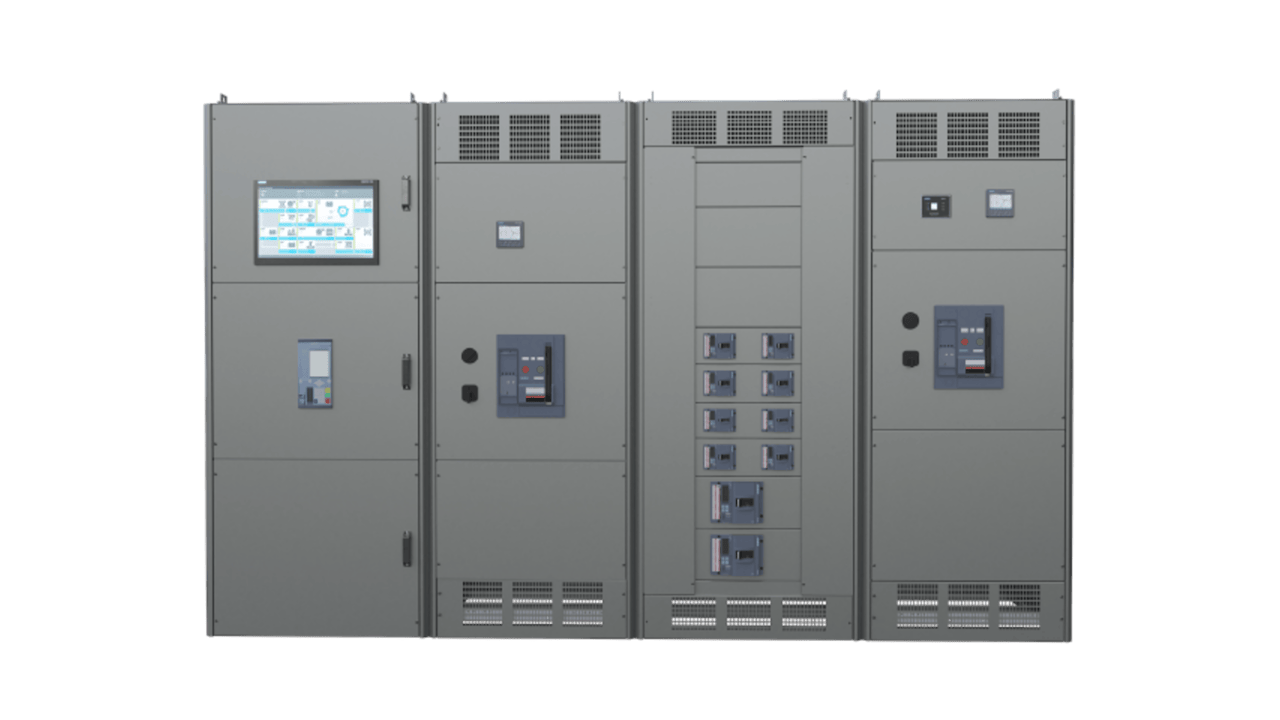
Inside the lineup, Siemens uses its SICAM A8000 microgrid controller and SIPROTEC protection technology. Its product specifications describe a 22-inch touchscreen, automatic islanding, black-start capability and connections to equipment from different suppliers. Islanding allows a facility to separate from a troubled utility grid; it does not guarantee uninterrupted service without adequate generation, fuel and battery reserves.
The integrated approach also places more responsibility on protective relaying, power quality and network security. Siemens lists role-based access controls and encryption. Those features matter because a programmable power controller can influence breakers, generators and large electrical loads.
Lessons From an Operating Microgrid

Siemens’ existing Wendell campus provides relevant context, although it is not presented as an MIS installation. In May, the company commissioned a 1.25 MW solar-and-storage microgrid with a 3.9 MWh battery at the facility, showing how coordinated power equipment can serve an operating industrial site.
The new switchboard is being marketed to manufacturers, hospitals, campuses and data centers. An Engineering.com report says factory integration is intended to cut fieldwork; prospective buyers will still need to verify interconnection approval, system ratings, islanding performance and cybersecurity.
The next meaningful test is not the product launch but actual field deployment: whether the standardized design shortens installation schedules while preserving the fault protection and selectivity demanded by critical facilities.
Support BitcoinVersus.Tech
We volunteer daily to ensure the credibility of the information on this platform is Verifiably True. If you value this independent reporting, please scan the QR code to donate 5,000 sats (best results on a laptop or larger screen).

On a phone, display this QR on a second screen and scan it with your Bitcoin wallet, or use your wallet’s saved-image QR scanner when supported. Bitcoin donation address: 3C9o19EH5HSiwEPyCTmEKzxhNCbo2X6TTb.
BitcoinVersus.tech is not a financial advisor. This media platform reports on financial subjects purely for informational purposes.


Leave a Reply