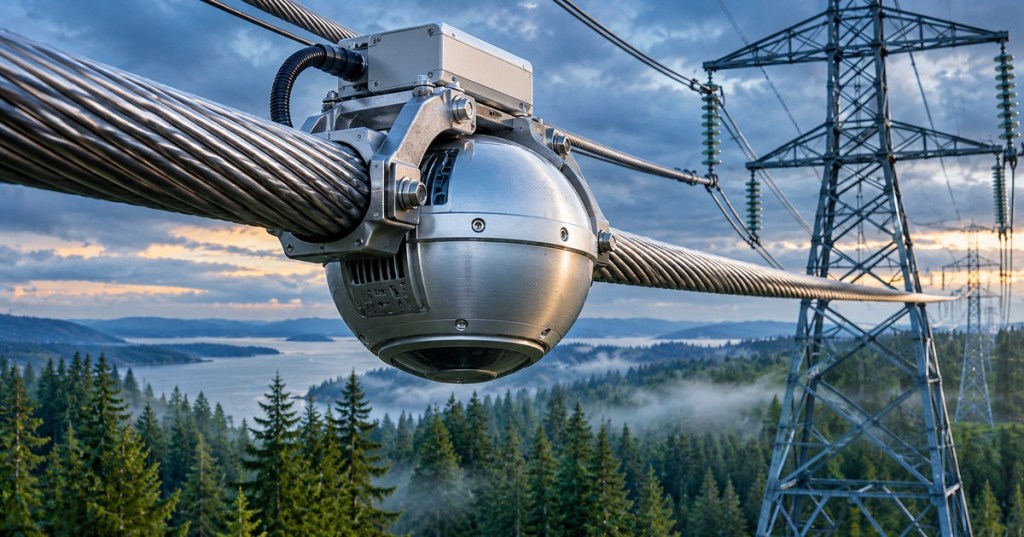
Bellevue-based Puget Sound Energy (PSE) plans an $80.4 million transmission upgrade across western Washington after selection for approximately $40.2 million in federal support. Its Project PULSE proposal, announced in October 2026, would improve crowded power corridors using higher-capacity conductors and sensors that measure actual line conditions. The federal award agreement has not yet been finalized.
Under the Department of Energy’s SPARK initiative, PSE would match federal funding dollar for dollar. The proposed construction period is 2027–2031; none of the newly proposed capacity should be described as available today.
More transmission without new corridors
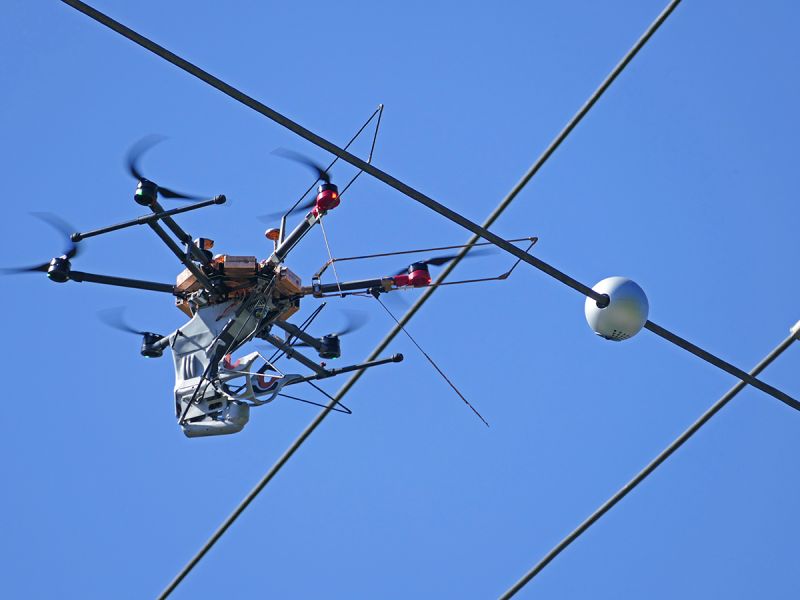
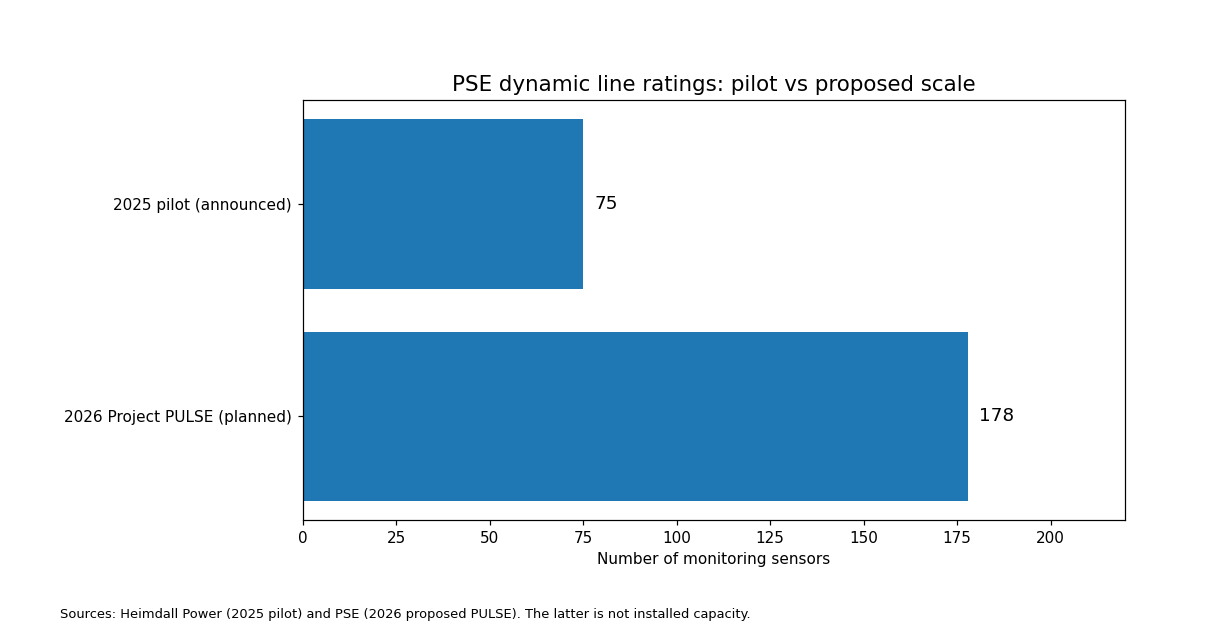
PULSE targets four existing 115-kilovolt line sections spanning approximately 23 miles in King and Kitsap counties. Reconductoring replaces existing wire with higher-capacity conductors. Another 178 dynamic-line-rating sensors are proposed across 323 miles in six counties. Sensor coverage is not 323 miles of new transmission construction.
Line ratings traditionally assume conservative weather conditions. Direct monitoring of conductor temperature and surrounding conditions can permit more current when cooling is favorable, while still respecting thermal and clearance limits. That complements, rather than replaces, larger high-voltage transmission upgrades.
From pilot sensors to a larger proposal
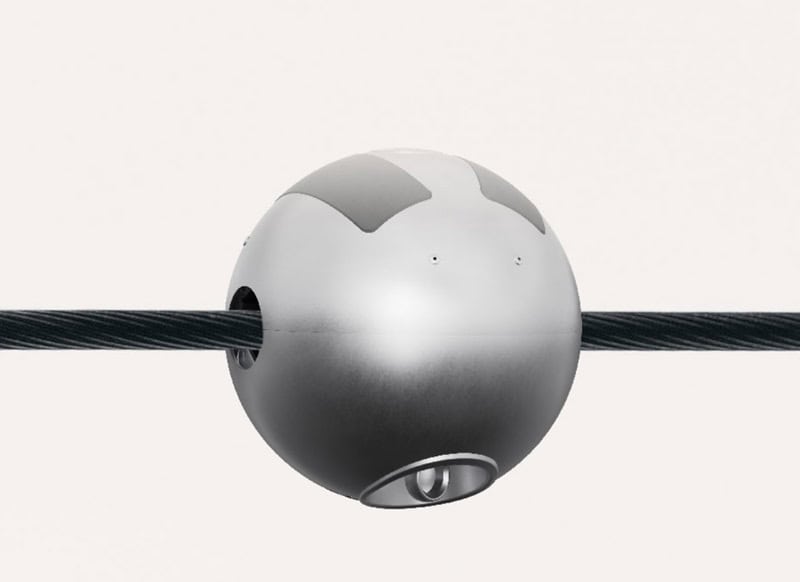
PSE’s 2025 partnership with Heimdall Power initially described 75 spherical “Neuron” sensors across 100 miles, installed largely by drones. The new proposal lists more sensors, but PSE has not identified the vendor for all 178 units or published a verified megawatt gain for Project PULSE. Nor should the two sensor totals be added together without confirming overlap.
What comes next
PSE expects more than 153,000 customers to benefit, including facilities near Naval Base Kitsap and Seattle–Tacoma International Airport. Demand from industry and Washington data centers makes usable transmission capacity increasingly valuable. But the utility has not quantified any customer bill reduction, completed upgrades or additional megawatts.
The next evidence to watch is a signed grant agreement, engineering and procurement milestones, sensor deployment, and operating data showing actual congestion relief. Projects ranging from seismic-tested transformers to microgrid switchboards show that grid reliability needs both upgraded hardware and better instrumentation.
BitcoinVersus.Tech
BitcoinVersus.Tech Editor’s Note: We volunteer daily to ensure the credibility of the information on this platform is Verifiably True. If you would like to support our work and help further secure the integrity of our research initiatives, please scan the QR code below to donate 5,000 sats. For best results, scan the QR code from a laptop or larger screen.

Bitcoin address: 3C9o19EH5HSiwEPyCTmEKzxhNCbo2X6TTb. On a phone, open the QR image on another screen or copy and verify the address in your wallet before sending.
BitcoinVersus.tech is not a financial advisor. This media platform reports on financial subjects purely for informational purposes.


Leave a Reply