
Anthropic confirmed on October 30, 2026, that it added two instructions to Claude Code’s Opus 5.5 prompt directing the AI coding assistant away from recreating other developers’ specific video games. The change, noticed by users around October 27, follows concerns about AI-generated copies of existing games and their impact on independent studios.
In an X statement, Anthropic engineer Addy Osmani said the company already prohibits intellectual-property infringement. He clarified that original games, genre-inspired games and projects using a developer’s own designs or assets should remain supported. It is a targeted game-recreation instruction—not a confirmed blanket prohibition on reverse engineering.
Addy Osmani’s October 30 confirmation of the Claude Code Opus 5.5 game-recreation instruction.
The two-sentence guidance reportedly appeared under a server-delivered Claude Code rule identified as tengu_heron_brook. Its wording discourages reconstructing a particular existing game, even when renamed. This matters because AI game-modding tools already help developers inspect engines, alter assets and experiment with existing software.
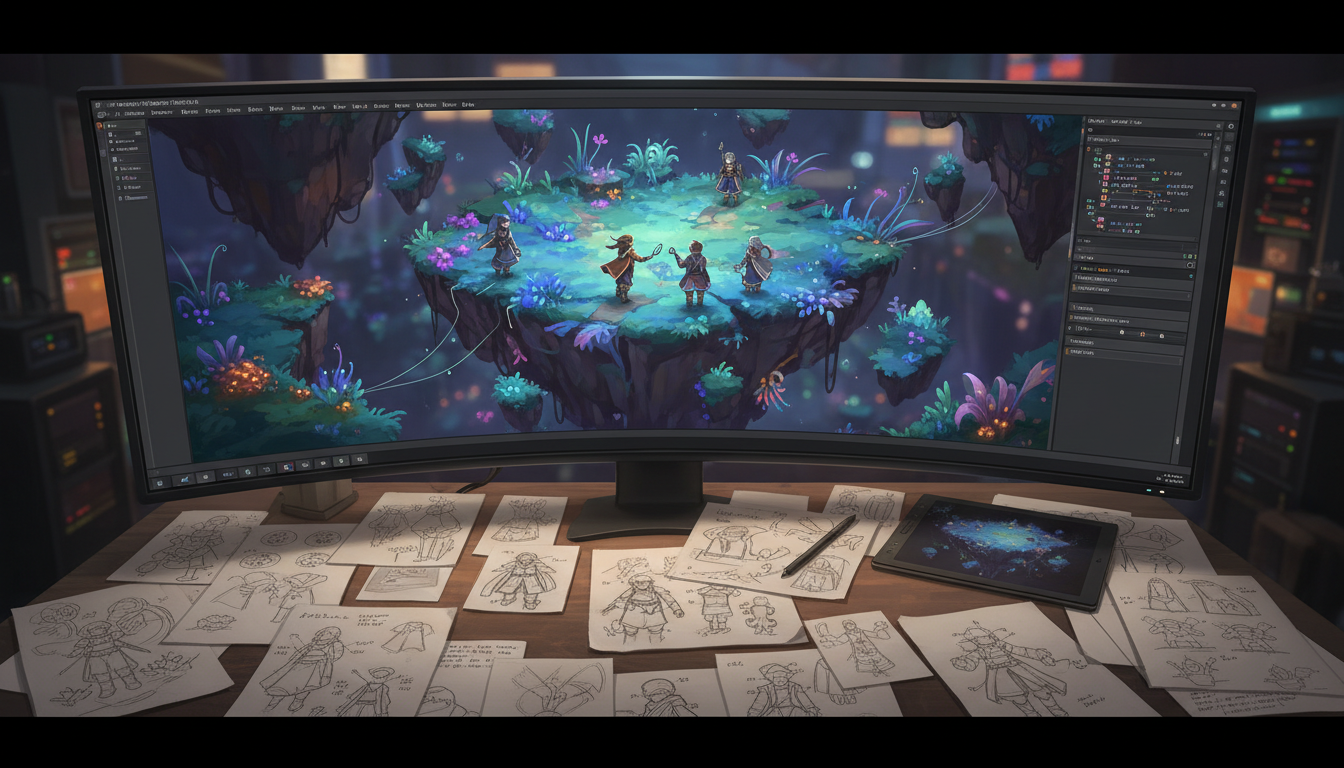
Reverse engineering versus duplication
The distinction becomes harder in practice. Developers may legitimately build original genre mechanics, port software with permission, study interoperability or restore older games. Those activities have different legal circumstances from copying a protected game’s artwork, text or code. Agent-driven development workflows can span several of these tasks in one session.
Some users say Claude has begun refusing broader requests. One GitHub complaint describes rejected commissioned board-wargame digitization work; the complainant later clarified that the projects did not have publisher licenses. That account documents a reported refusal, not a proven false positive or a determination that the work was lawful.
The user-supplied Polymarket post helped surface the topic; Anthropic’s statement supplies the authoritative policy clarification.
The issue circulated widely, including through the Polymarket post shared with BitcoinVersus.Tech. Separately, Tom’s Hardware documented complaints involving ordinary troubleshooting and security work, but Anthropic has not publicly said all such analysis is prohibited.
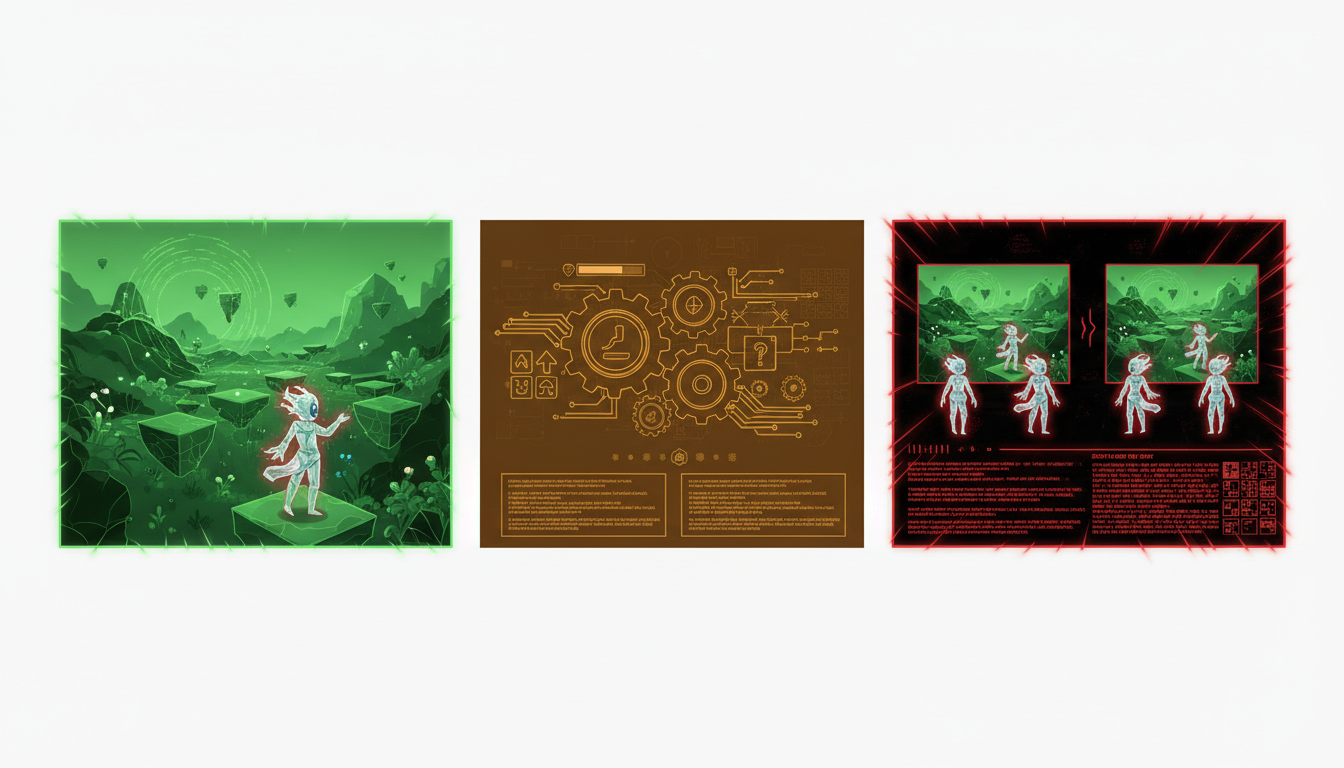
What developers should watch
AI-assisted development is already reshaping the vibe-coding debate. At the same time, Game Developer reported that some studios fear fast AI replicas of unreleased demos. Valve faces a related challenge: protecting developers without banning development tools altogether.
The next test is how accurately Claude Code distinguishes copying from authorized development. Osmani invited examples of rejected work that users own. Developers working with Claude Code customization and agent harnesses will watch for documented appeals, clearer scope and fewer erroneous refusals.
BitcoinVersus.Tech
BitcoinVersus.Tech Editor’s Note: We volunteer daily to ensure the credibility of the information on this platform is Verifiably True. If you would like to support our work and help further secure the integrity of our research initiatives, please scan the QR code below to donate 5,000 sats. For best results, scan the QR code from a laptop or larger screen.

Bitcoin address: 3C9o19EH5HSiwEPyCTmEKzxhNCbo2X6TTb. On a phone, open the QR image on another screen or copy and verify the address in your wallet before sending.
BitcoinVersus.tech is not a financial advisor. This media platform reports on financial subjects purely for informational purposes.


Leave a Reply