
GitHub’s October 28, 2026 Octoverse report counted 17.9 billion code pushes during the year ending September 30, more than the previous two years combined. It also recorded 34.3 billion commits, 45.4 billion GitHub Actions jobs and 1.3 billion merged pull requests, reflecting an unprecedented operational workload.
A push sends one or more commits to GitHub. A commit records a change; a pull request organizes proposed changes for review. These metrics describe platform activity, not 17.9 billion separate programs or a direct measure of software quality.
GitHub recalculated 2024 and 2025 results to match the new report’s October-to-September reporting window and public-plus-private scope. Earlier published Octoverse totals used different definitions, so comparisons with older annual headlines may mislead.
Three years of code activity
Comparable pushes grew from 5.2 billion in 2024 to 6.7 billion in 2025 and 17.9 billion in 2026. Commits rose from 10.0 billion to 12.9 billion to 34.3 billion. Automated Actions jobs increased from 14.0 billion in 2025 to 45.4 billion in 2026, averaging roughly 1,440 per second.

The surge creates an infrastructure challenge. GitHub says 99.99999% of repositories now also have copies in Azure as it adjusts storage and read traffic. Earlier BitcoinVersus.Tech reporting explains the platform’s effort to scale Git operations.
Agents expand output, not proof of quality
By September, agents started more than 40% of pull requests, up from 17% in March. New repositories with agent configuration files averaged eight times as many commits as those without. These observational comparisons do not prove agents caused the entire surge, or that more commits improved code. Our separate Octoverse language report examines TypeScript and detected AI participation.
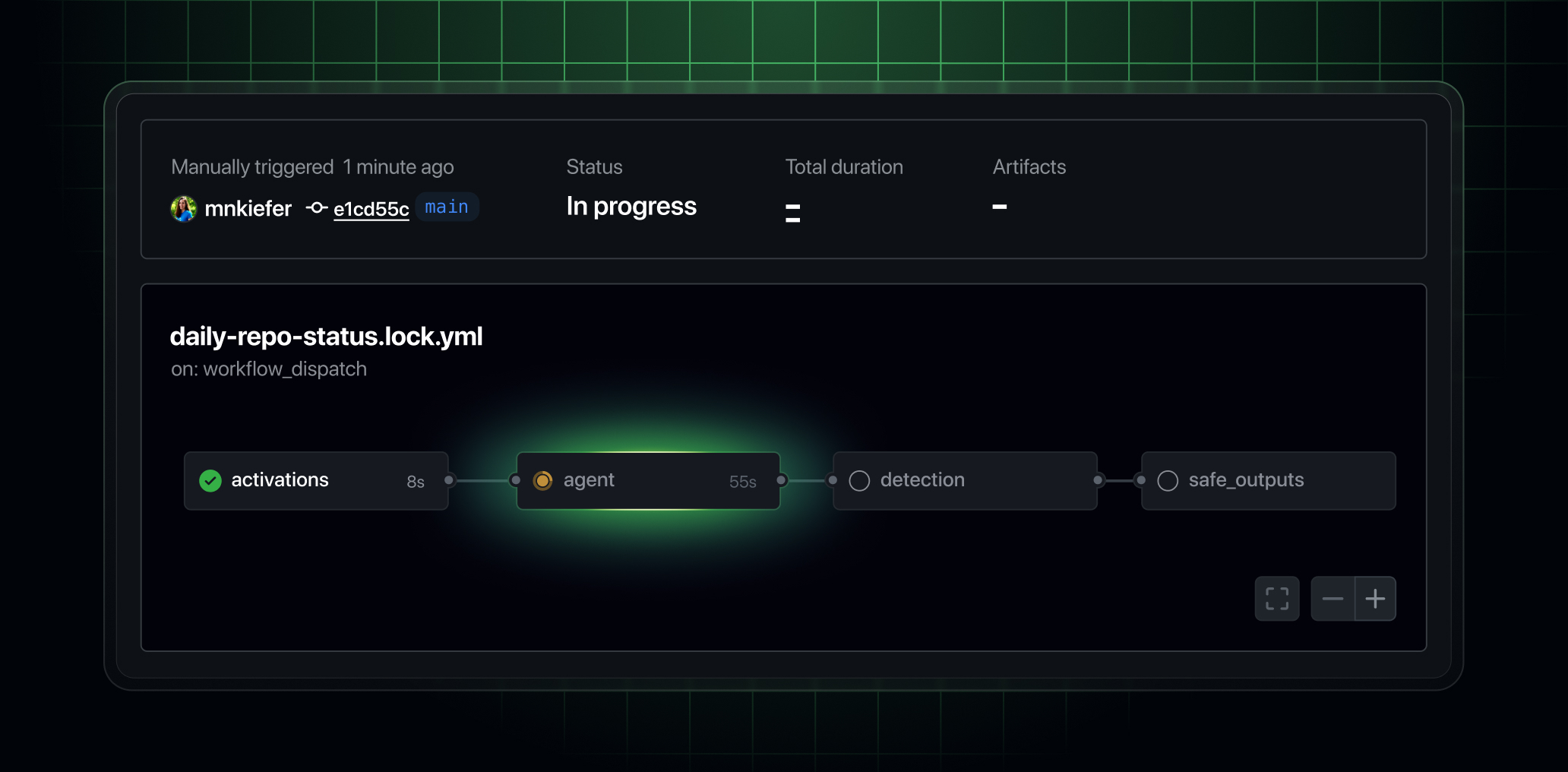
Teams can coordinate work through Agentic Workflows, Copilot Projects and Copilot Fusion. GitHub also reports more than 30 million merged Dependabot pull requests, highlighting maintenance and dependency security alongside new software.
The 2027 test is whether faster code production improves reliable releases, secure dependencies and maintainability. Developers should track review time, defects and deployment outcomes alongside commit counts.
Editor’s Note: BitcoinVersus.Tech volunteers daily to make technical reporting verifiable. If this research is useful, consider supporting it with 5,000 sats using our donation QR code.

Bitcoin donation address: 3C9o19EH5HSiwEPyCTmEKzxhNCbo2X6TTb.
Disclaimer: This report is for informational purposes only and is not financial or investment advice.


Leave a Reply