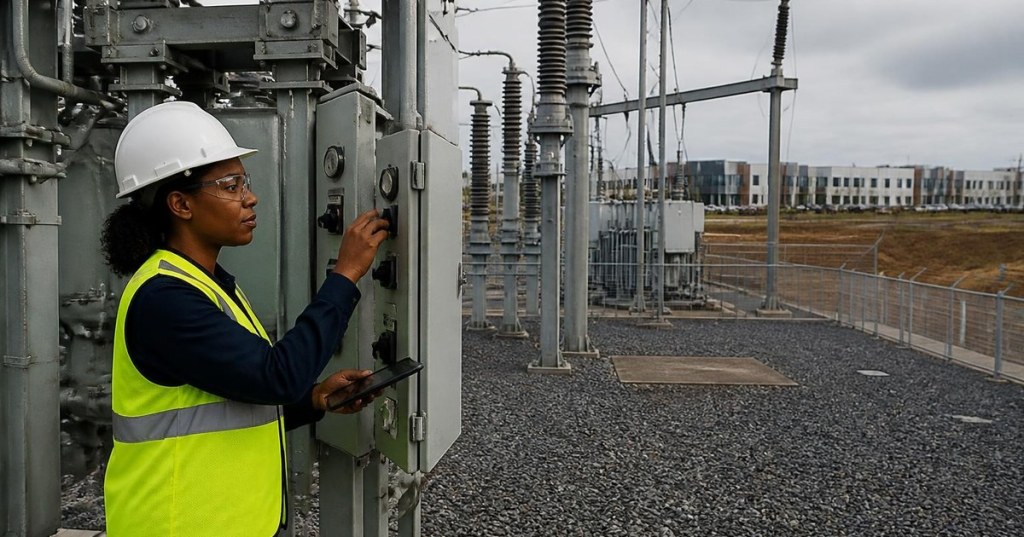
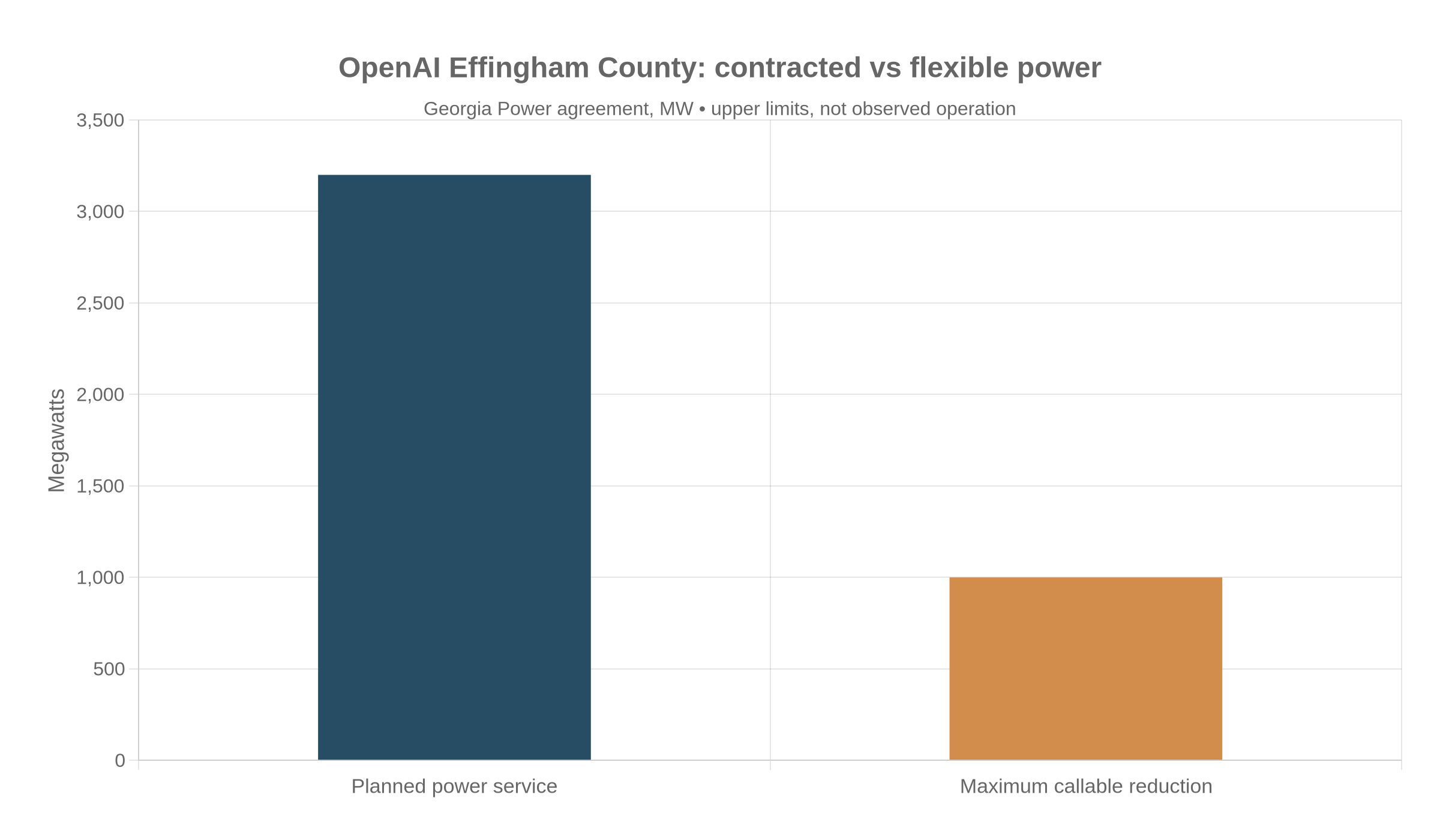
November 2, 2026 — OpenAI launched its Grid Protectors Program, pledging to make future AI data centers reduce electricity demand when local power systems face severe strain. The starting point is Project Camellia, a planned AI campus in Effingham County, Georgia, where a utility agreement already provides for up to 1,000 megawatts (MW) of demand response.
That commitment matters because the Georgia Power contract covers up to 3,200 MW of phased service. At the maximum, its flexible reduction equals 31.25% of that contracted capacity—a comparison of contractual limits, not an observed load or a guaranteed reduction during every emergency.
Demand Response Is Not New Power Generation
Under a 25-year utility arrangement approved in August, Georgia Power can reduce electricity delivered to the future campus during specified periods of high demand. Reducing consumption frees grid capacity for other users; it does not automatically mean OpenAI will export 1 GW of electricity. The company says some future campuses may also use on-site generation, batteries and power controls.
The facility remains in development. OpenAI previously said its 3.2-GW service would arrive in phases from 2028 through 2032, making this a future operational commitment rather than a demonstrated cut today.
Who Pays for the Grid?
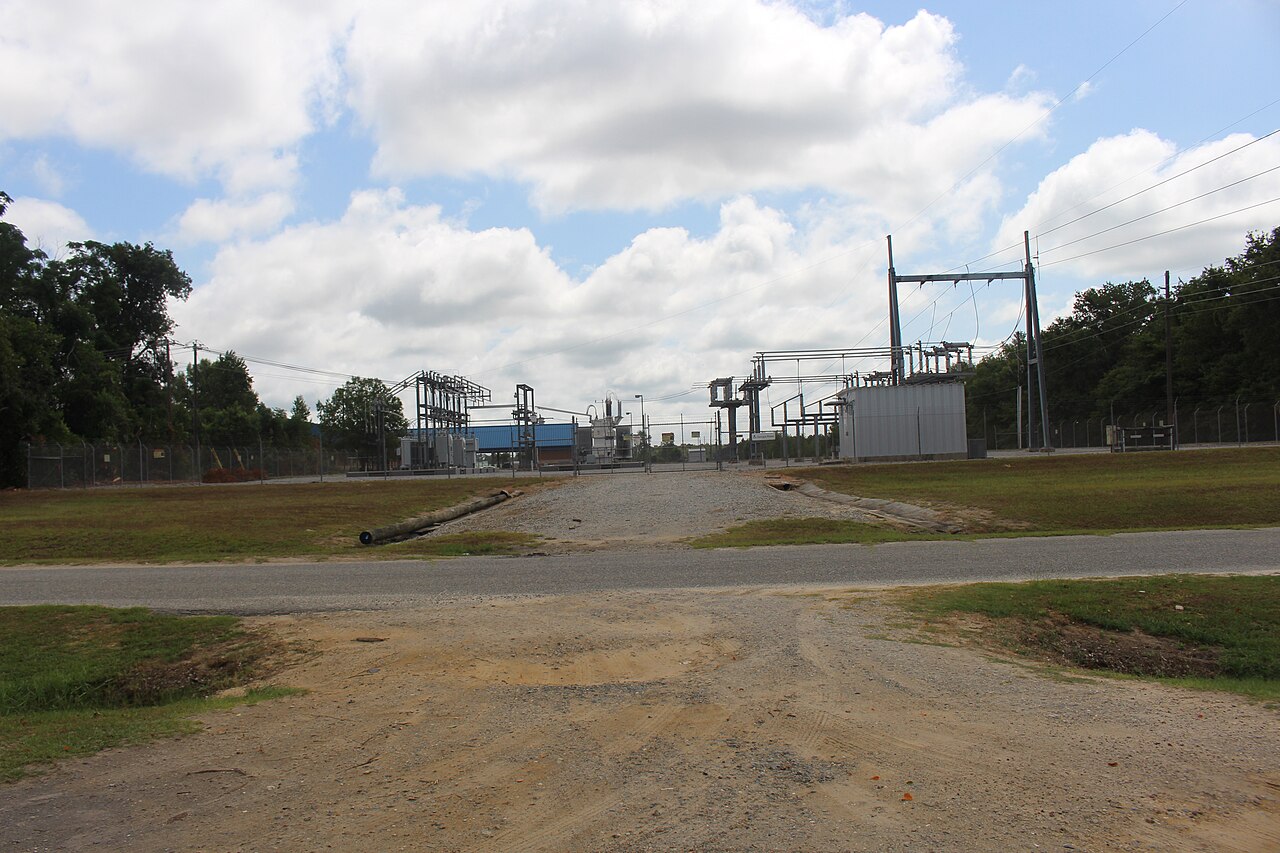
OpenAI says it will cover the infrastructure and electric-service costs of its Georgia campus. Separately, Georgia Power forecasts approximately $950 million in annual customer savings beginning in 2029 from its wider portfolio of large-load agreements and expected growth—not from this OpenAI project alone. Those are utility projections, not realized household savings.
The new framework follows growing concern about AI power demand. Our prior Georgia data-center project rankings examine proposed capacity, while our transformer-supply reporting tracks bottlenecks behind new connections.
What Still Needs Verification
OpenAI has not disclosed demand-response terms for additional campuses, or evidence that the unbuilt Effingham project can shed 1 GW for a specified duration. Key measurements will be actual curtailed MW, response time and duration, plus utility reporting on customer costs. Meanwhile, projects such as AI grid-to-rack simulations and utility-scale batteries show how operators may test and support flexibility.
BitcoinVersus.Tech
BitcoinVersus.Tech Editor’s Note: We volunteer daily to ensure the credibility of the information on this platform is Verifiably True. If you would like to support our work and help further secure the integrity of our research initiatives, please scan the QR code below to donate 5,000 sats. For best results, scan the QR code from a laptop or larger screen.
Bitcoin donation address: 3C9o19EH5HSiwEPyCTmEKzxhNCbo2X6TTb. On mobile, open the QR on another screen or use your wallet’s saved-image scanner.
Disclaimer: BitcoinVersus.Tech reports technology, energy and financial developments for informational purposes only, not investment advice. Planned capacity, estimated costs and future operational commitments are subject to change.


Leave a Reply