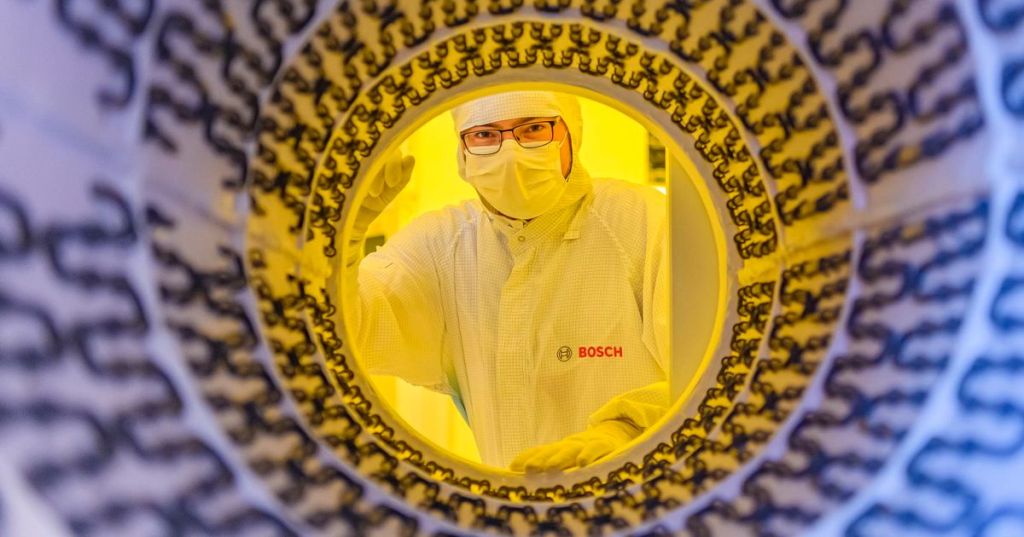
STUTTGART, Germany — Bosch announced on November 3, 2026, that it will establish a dedicated Semiconductors division on January 1, 2028, within its Mobility business sector. The German technology supplier is targeting approximately €5 billion in annual semiconductor sales by 2030 while pursuing additional customers in robotics, consumer electronics and AI infrastructure. The revenue figure is a corporate goal, not completed sales or a confirmed order backlog.
Bosch currently houses its semiconductor activities in Mobility Electronics, alongside work on vehicle control units and power electronics. After the reorganization, Mobility Electronics will concentrate on automotive electronic control units, while the dedicated semiconductor operation will handle chips and sensors. Bosch described an internal divisional change, not a stock-market listing or a separation into an independently owned company.
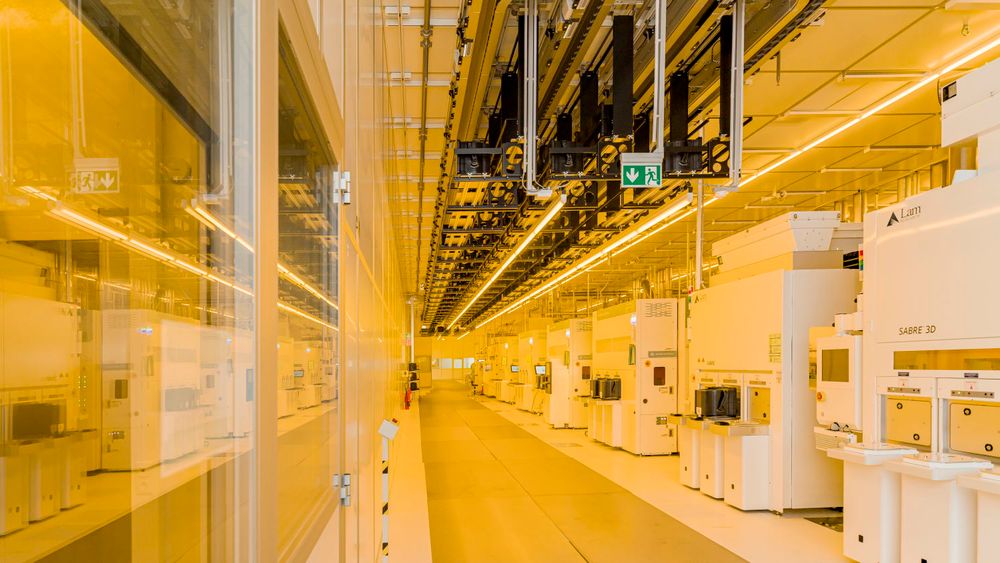
Bosch Global’s March 2021 video tours the Dresden 300 mm wafer fab, showing cleanroom chip-processing equipment and automated production. Historical factory footage; source: Bosch Global via YouTube. Watch the original video.
Power semiconductors, sensors and robotics
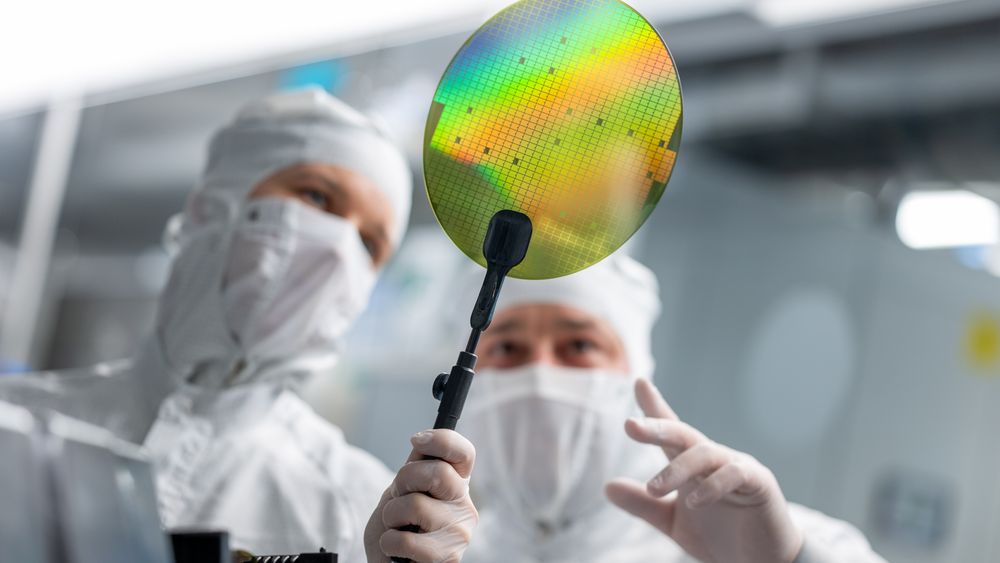
The company’s strengths include microelectromechanical-system sensors, silicon carbide power devices and application-specific integrated circuits. MEMS devices provide motion and environmental information, while silicon carbide can reduce conversion losses in demanding power electronics. Bosch says its existing chips already help control humanoid robots, although it has not identified a new volume contract tied to the 2028 division.
AI data centers are another intended market, but supplying sensors and power-management components differs from making GPU accelerators. The distinction is relevant to Bosch and Rittal’s 800-volt AI-rack power architecture and Renesas’ gallium-nitride devices for AI servers and robots. Each addresses electrical conversion or control rather than the computation performed by AI processors.
Bosch also plans to open more manufacturing capacity to external partners and develop its foundry business. Foundry customers would purchase fabrication services rather than only Bosch-branded components. The company did not disclose binding outside-customer orders, a wafer-allocation schedule or a target foundry utilization rate in the announcement.
Manufacturing expansion and capital demands
Bosch says it operates approximately 40 semiconductor-related sites worldwide spanning research, development and manufacturing. Recent investments total around €3 billion across its Dresden and Reutlingen wafer plants in Germany. Separately, Bosch is spending about $2 billion to equip Roseville, California, for silicon carbide production. The company also holds a 10% stake in Dresden’s ESMC joint venture and plans further testing capacity in Penang, Malaysia.
The company’s manufacturing overview lists 300-millimeter wafer production in Dresden and 200-millimeter lines at Reutlingen and Roseville. Roseville’s silicon carbide production is scheduled to start in 2026; an announced start year alone does not establish the volume of commercially qualified chips shipped. The investment amounts are spending figures in different currencies and periods, not additions to the €5 billion annual sales target.
What investors and customers still need to see
A dedicated division could improve customer focus, capacity planning and transparency, but creating one cannot guarantee profitability. Chip manufacturing remains exposed to equipment costs, yield losses, qualification delays, competition and swings in vehicle and industrial demand. A broader foundry offering also requires designs and processes acceptable to customers beyond Bosch’s existing supply relationships.
The wider semiconductor sector provides context. BitcoinVersus.Tech previously reported proposed U.S. research awards for power-semiconductor technologies and STMicroelectronics’ expanding AI data-center opportunity. Neither report establishes that Bosch will capture equivalent sales. Bosch’s release did not supply a current standalone chip-revenue baseline, divisional operating margins or a confirmed 2030 customer mix.
The next measurable milestones are the planned January 2028 organizational launch, published segment-level financial information, externally contracted foundry activity, manufacturing yields and actual annual semiconductor sales in 2030. Until those disclosures arrive, the strategy is an investment and organizational plan supported by existing factories, not evidence that the growth objective has been achieved.
BitcoinVersus.Tech Editor’s Note: We volunteer daily to ensure the credibility of the information on this platform is Verifiably True. If you would like to support to help further secure the integrity of our research initiatives, please donate using the QR code provided

For best QR-code scanning results, please scan this donation code from a desktop or larger screen. Mobile screens may prevent camera recognition. Verify the receiving address 3C9o19EH5HSiwEPyCTmEKzxhNCbo2X6TTb before sending.
Disclaimer: BitcoinVersus.Tech is not a financial advisor. This media platform reports on financial subjects purely for informational purposes.


Leave a Reply