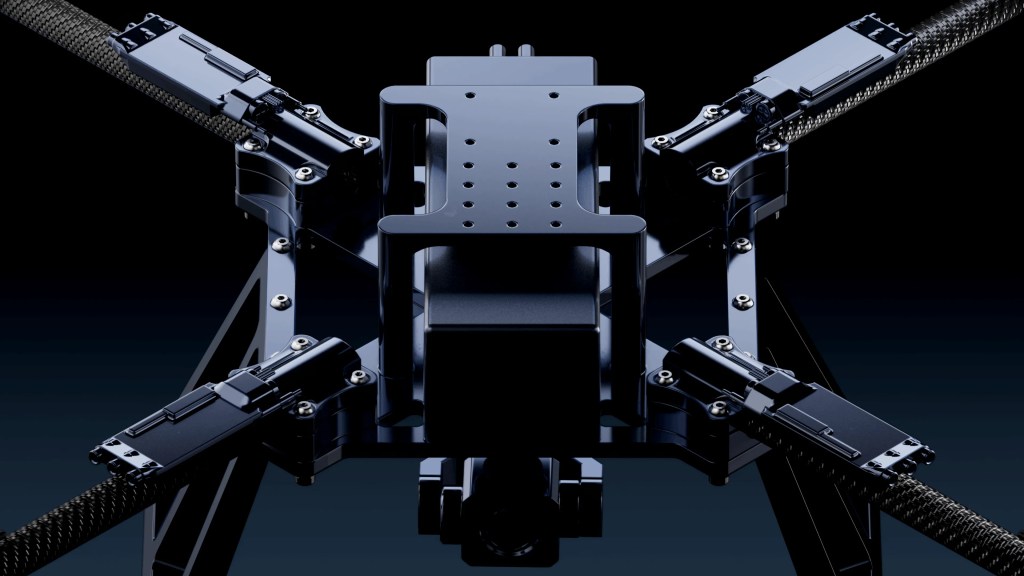
Battery maker Enovix announced on November 5 that it will invest $19 million to double drone-battery capacity at its South Korean plant, while cutting approximately 220 employee and contractor positions across its wider business. The company says its drone and defense sales pipeline reached $216 million at the end of the third quarter of 2026. A customer also placed an initial order for 100,000 battery units in October, with deliveries scheduled to begin in early 2027.
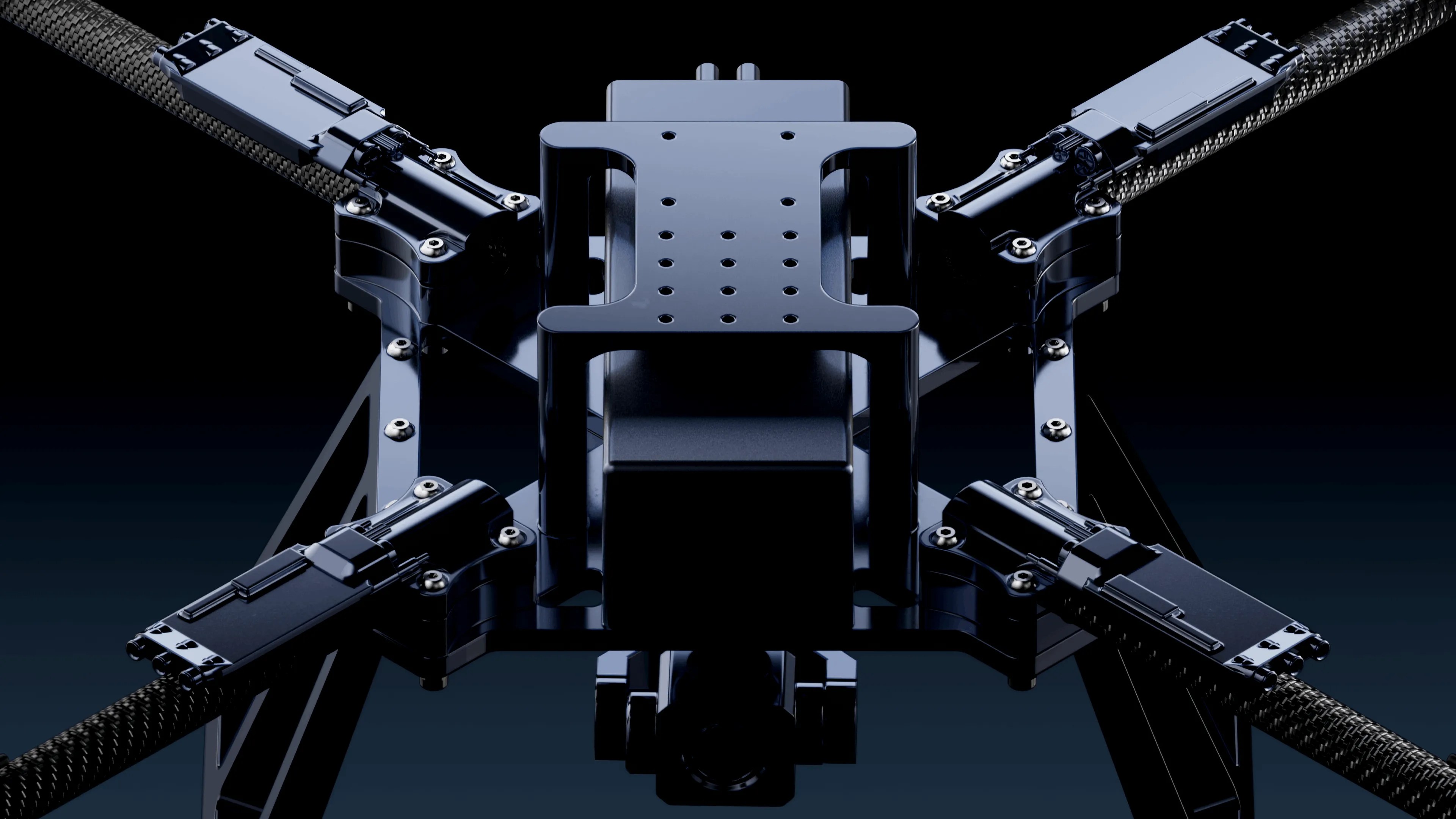
The changes follow an August cost-reduction plan. Enovix reported $8.5 million in expected annual savings from the workforce reduction, equivalent to approximately 23% of the 946 positions cited in its announcement. The company is reallocating capital and staffing toward South Korea while reducing spending in the United States, India and Malaysia. Its November 5 release describes the Korean operation as military-qualified and compliant with Trade Agreements Act procurement requirements.
Why drone batteries are a difficult engineering problem
Electric drones require batteries capable of delivering substantial power during takeoff, maneuvering and high-thrust operation while keeping total aircraft mass low. Lithium-ion cells store energy electrochemically, but the complete battery system also needs electrical protection, thermal management, packaging and monitoring. Energy density, peak discharge capability, cycle life and safety cannot be optimized independently.
Enovix expects non-Chinese battery demand from defense and industrial buyers to remain strong. The October order is evidence of customer commitment, but scheduled deliveries are not completed shipments or recognized revenue. Management said purchase orders received during the opening weeks of the fourth quarter already exceeded total third-quarter revenue; the comparison spans different accounting measures and periods.
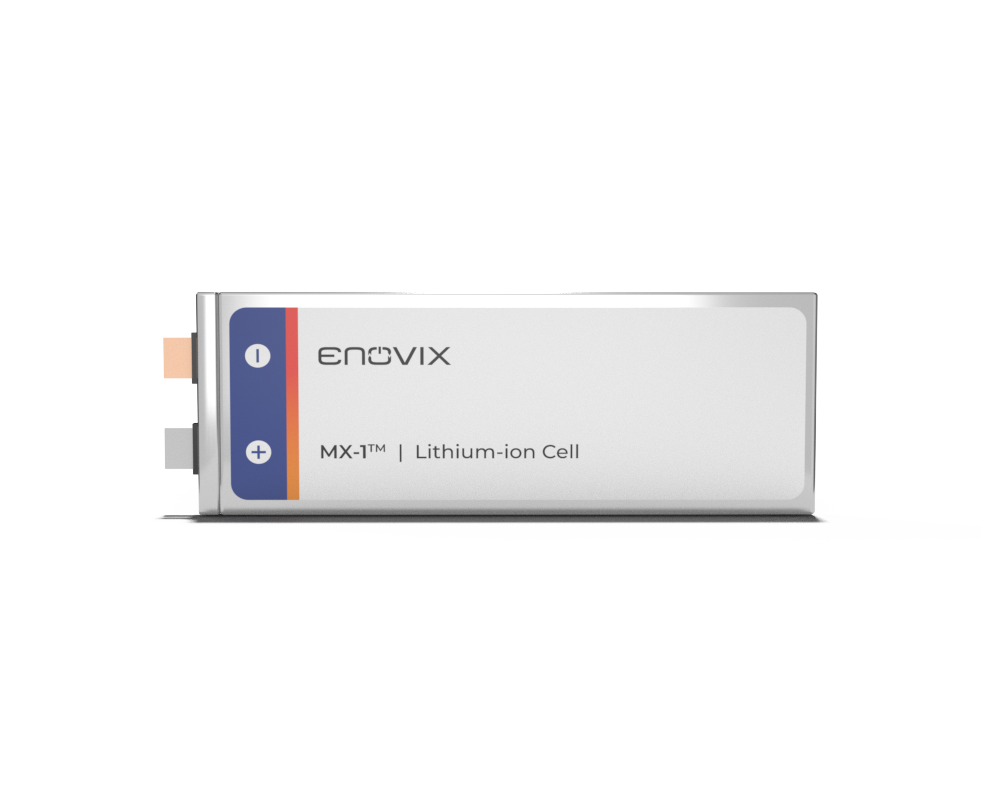
T.J. Rodgers Explains Enovix BrakeFlow Technology — official Enovix battery safety demonstration. Archival video; not footage of the 2026 Korean expansion. Credit: Enovix / Vimeo.
South Korea expands as other sites contract
The company says its Korean operation will ramp output to support drone and military programs. Meanwhile, its Malaysian Fab2 facility will prioritize advanced silicon-anode AI-1 batteries for a smart-eyewear customer, alongside samples for phones, wearables and other edge-AI applications. Enovix has not published enough detail in the announcement to establish how many additional units the Korean expansion will produce annually or what share of the $216 million pipeline will become sales.
The allocation reflects broader competition over compact power sources for mobile machines. BitcoinVersus.Tech recently covered wireless-powered drone endurance and radio-frequency charging hardware. Those technologies address operating time differently from increasing the energy stored aboard an aircraft.
Battery reliability is also important for autonomous vehicles outside aviation. Reporting on Kraken Robotics’ subsea battery orders illustrates the demand for purpose-built power systems in marine environments. The markets have distinct environmental and certification requirements, so technical specifications are not interchangeable.
Orders, costs and execution risks
Enovix expects the restructuring to reduce annual costs, but severance, manufacturing ramp expenses, qualification testing and production yields may affect near-term financial results. Concentrating expansion in one geography also introduces supply-chain and operational risks. The company has not identified the drone customer behind the 100,000-unit order.
Management plans to discuss third-quarter results and provide 2027 guidance on November 12. Investors will be able to compare the order pipeline with actual sales, cash use and production progress. BitcoinVersus.Tech has separately examined autonomous drone deployment hardware, where dependable energy supplies are one of several requirements for field operations.
The announced $19 million expansion signals a manufacturing bet on military and industrial drone demand. The test will be whether Enovix can turn its pipeline and initial orders into reliable shipments without losing the savings sought through restructuring.
Enovix Gen 2 Manufacturing — official Enovix manufacturing demonstration. Archival video; not footage of the 2026 Korean expansion. Credit: Enovix / Vimeo.
Editor’s Note: Figures and projections are attributed to Enovix’s November 5, 2026 investor release. The 100,000 units are an order for future delivery, and the $216 million figure is a pipeline, not recognized revenue. Images are clearly identified editorial illustrations.

We volunteer daily to ensure the information on this platform is Verifiably True. If you would like to support the research, please scan QR code.


Leave a Reply