
The European Commission launched the European Chip Design Platform on November 4, 2026, announcing €525 million in combined investment intended to help European startups design and commercialize semiconductors. The initiative, known as EuroCDP, offers access to expensive design software, reusable intellectual-property blocks, engineering support and manufacturing pathways. The launch addresses a weakness identified by the Commission: European fabless chip designers account for less than 1% of global revenue in their segment.

Why chip design needs infrastructure
Before a chip reaches a fabrication plant, engineers define its architecture, write and verify hardware descriptions, simulate performance, check physical layouts and prepare manufacturing-ready design files. Electronic design automation tools and licensed intellectual property can impose high upfront costs, even before a startup pays for prototype fabrication. The Commission’s launch announcement says the new platform will combine software, support and manufacturing access in a single service.
According to the Commission and independent reporting, €440 million is earmarked for grants, while €85 million supports cloud infrastructure, services and open-source chip design tools. Early-stage companies may apply for up to €100,000 for proof-of-concept prototypes; more developed firms may seek grants of up to €16 million for the costly path toward commercialization. Funding ceilings do not mean every applicant will receive an award.

A design pipeline for European fabs
EuroCDP is coordinated by a consortium led by Belgian research organization imec, with support from the Chips Joint Undertaking. Its stated goal is to strengthen domestic demand for semiconductor manufacturing by helping more European firms become chip designers. The official platform overview identifies training, design enablement, IP access, funding and manufacturing access as core services.
The initiative arrives amid worldwide competition for advanced manufacturing and specialized chip talent. Earlier BitcoinVersus.Tech reporting on high-NA EUV lithography explains one of the advanced manufacturing technologies designers must ultimately account for. BitcoinVersus.Tech previously covered Intel’s 14A design enablement, where access to a process design kit similarly determines when customers can begin targeting a fabrication process. Earlier reporting also examined advanced chip packaging, another expensive step between a design and deployable computing hardware.
The funding cannot manufacture success
Cloud tools and grants can lower barriers, but design teams still need skilled engineers, qualified manufacturing partners, functional prototypes and customers willing to buy their chips. Yield, packaging, software support and production economics remain major risks. A platform launch is not equivalent to completed chip tape-outs, manufacturing contracts or commercial revenue.
The European Commission argues that new regional fabs need customers based in Europe to remain commercially sustainable. Related BitcoinVersus.Tech coverage of optical chip production illustrates the separate challenge of turning semiconductor designs into manufacturable devices. EuroCDP’s measurable progress will depend on startups progressing through prototypes, production qualifications and actual sales rather than grant announcements alone.
The Commission’s €525 million commitment establishes a substantial support mechanism, not a guaranteed increase in Europe’s semiconductor market share. Future reporting should distinguish funds allocated, grants awarded, chips taped out and products shipped.
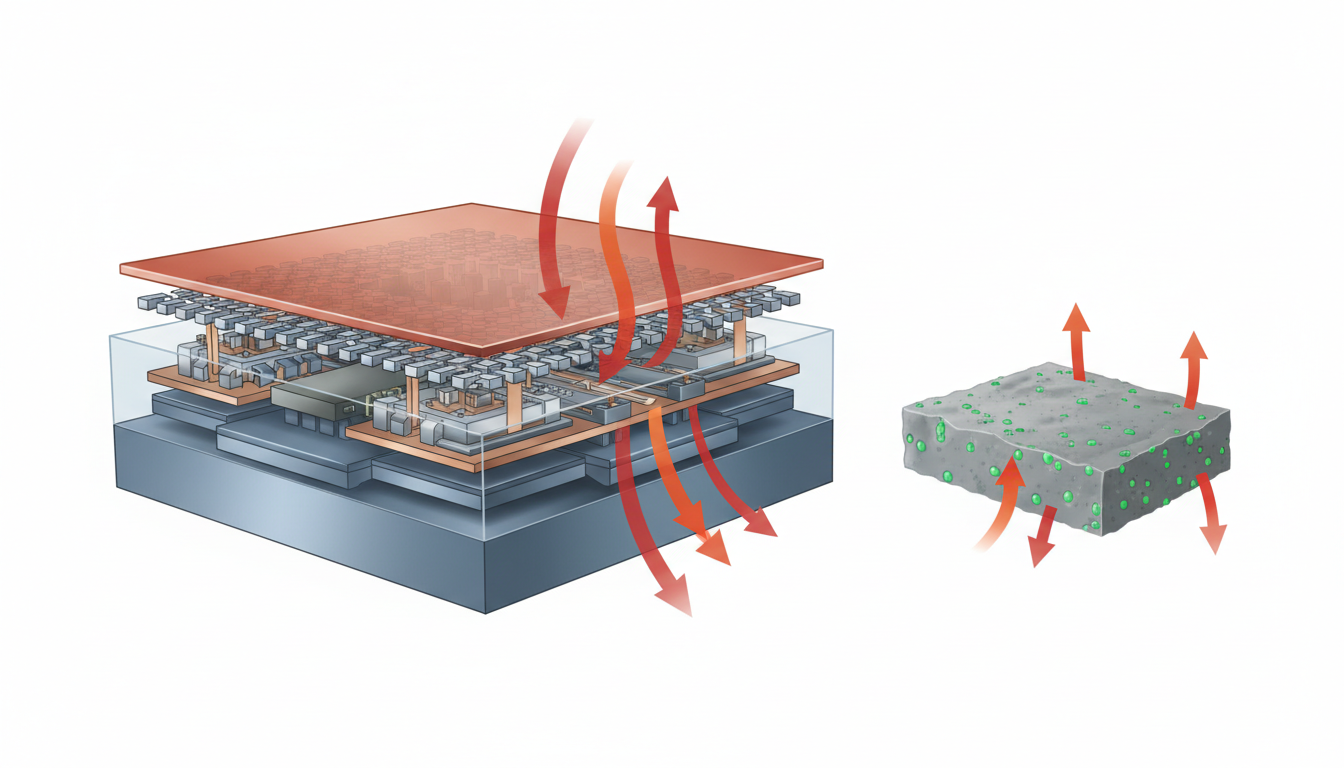
Editor’s Note: The European Commission’s November 4, 2026 announcement and platform fact page are the primary references. Investment commitments, maximum grant awards and future commercial outcomes are separate measures. Illustrations are editorial or archival, not documentary images of the launch.

We volunteer daily to ensure the information on this platform is Verifiably True. If you would like to support the research, please scan QR code.


Leave a Reply