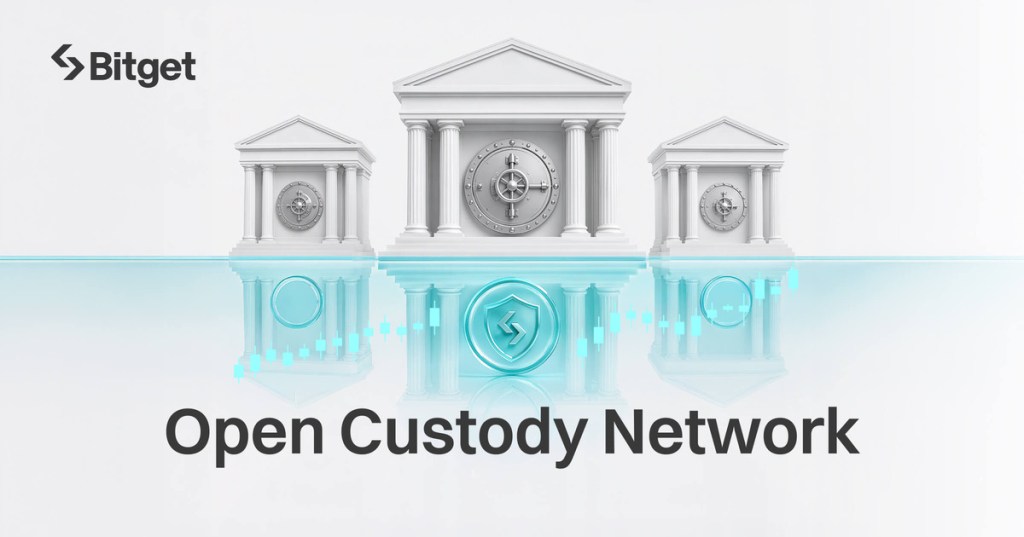
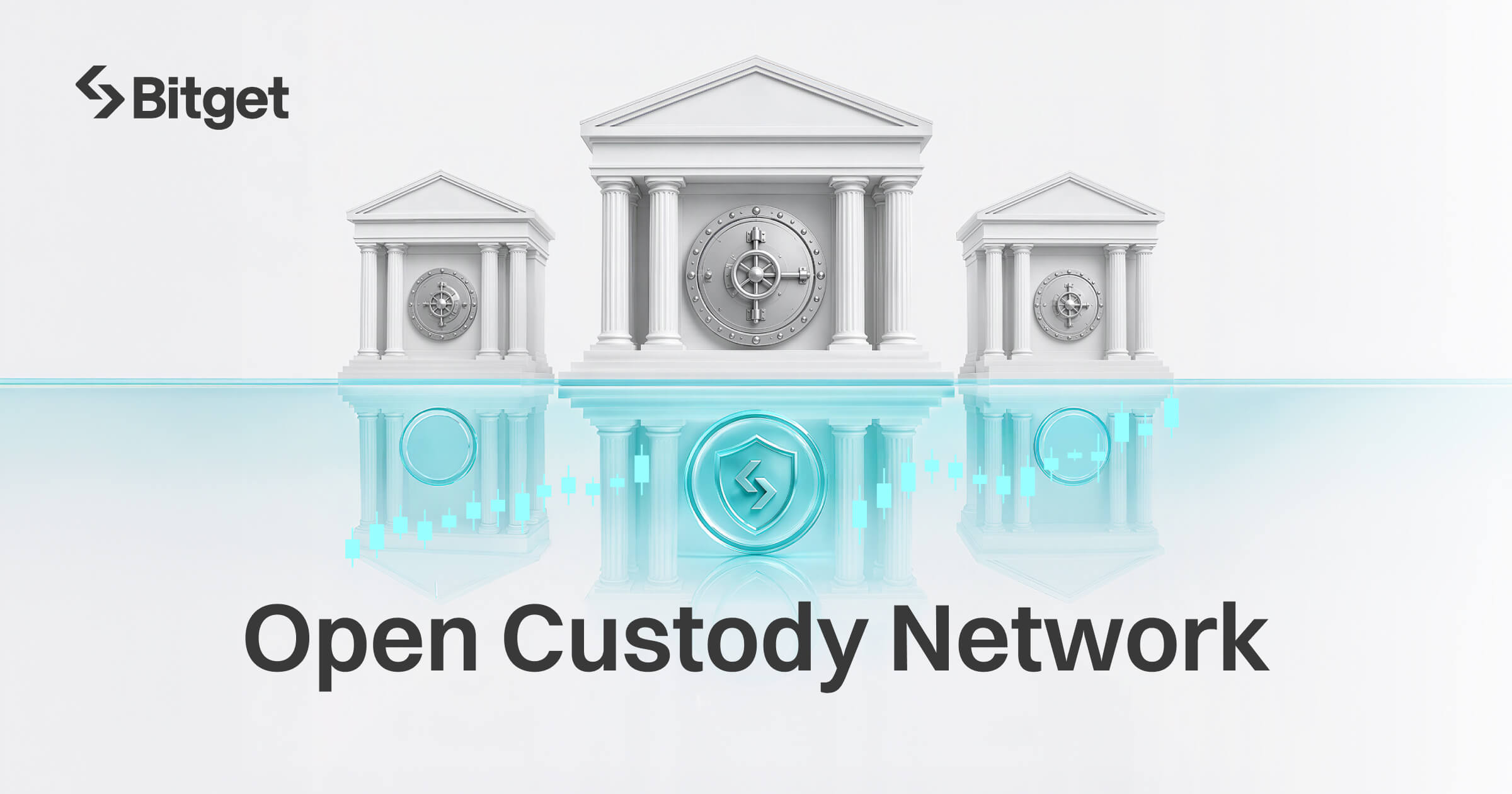
Cryptocurrency exchange Bitget announced its Open Custody Network on November 5, 2026, allowing eligible traders to access exchange markets while leaving underlying assets with external custody providers. The official announcement describes mirrored collateral supporting spot, margin and futures positions. The company had already detailed six institutional custody arrangements in an October 13 operational notice; November’s announcement formalizes the wider offering rather than proving six entirely new integrations went live that day.
Conventional centralized crypto trading commonly requires depositing Bitcoin or other tokens into exchange-controlled wallets. An off-exchange arrangement instead records collateral at an outside custodian and assigns eligible trading credit to the exchange account. The arrangement can reduce exposure to an exchange’s custody failure, but traders still depend on collateral valuations, legal agreements and settlement processes.
Six arrangements, different settlement rules
Bitget’s October documentation names Copper ClearLoop, Fireblocks Off Exchange, Cactus Custody Oasis, Bitfire PrimeMirror, OSL MirrorEX and Sygnum Protect. The first five offer various forms of custody-linked trading and settlement. Sygnum Protect instead uses bank custody, pledged assets and lending arrangements, making it materially different from a simple one-for-one mirror.
Copper’s published schedule supports settlement every four hours, while Cactus Custody uses eight-hour cycles. Fireblocks specifies a daily onchain net settlement in which clients pay network gas fees. OSL can trigger settlement when losses reach at least 15% of custodial assets. The schedules and eligible collateral differ by provider; none guarantees losses cannot exceed a trader’s intended risk limit.

Outside custody does not eliminate counterparty risk
Institutions may keep approval workflows and storage arrangements with their chosen provider, while corresponding credit supports trading strategies on Bitget. Yet a failed venue may still create open-position losses, disputes over collateral claims, delayed settlements or liquidations. External custody changes the location and control of assets; it does not make margin or derivatives trading risk-free.
Secure key management remains central. BitcoinVersus.Tech’s explainer on hardware security modules protecting cryptographic keys outlines one technology used to reduce exposure of sensitive credentials. Separate operational risk was evident in Liquid Network’s recovery after its security incident, where technical and settlement safeguards required distinct scrutiny.
Bitget’s release says the network is open to all eligible users, whereas the operational notice is specifically written for institutional clients, including market makers, asset managers and hedge funds. Neither document establishes universal retail eligibility or confirms supported services in every jurisdiction. Product access also varies by custodian, asset and onboarding agreement.
Institutional adoption remains undisclosed
The November 5 release does not establish the amount of BTC or stablecoin collateral mirrored, the number of active OCN traders, independent audit results, or actual settlement failure rates. Bitget’s advertised platform-wide user totals should not be mistaken for customers using the custody network. The company also does not disclose a uniform fee schedule for every custody arrangement.
The framework overlaps with broader institutional tokenization efforts, including Morgan Stanley’s tokenized securities work, where legal ownership and settlement rules are as important as blockchain records. It also intersects with compliance questions covered in FinCEN’s recent MEXC transfer restrictions; external custody does not exempt participants from applicable anti-money-laundering or sanctions obligations.
The confirmed development is Bitget’s public rollout of a six-route custody framework built on previously documented institutional relationships. Its practical value will depend on supported markets, actual client adoption, auditable controls, settlement resilience and clearly enforceable rights if a trading venue or custodian fails.
Editor’s Note: Verified against Bitget’s November 5, 2026 announcement and October 13 institutional custody operating notice, with the latter providing partner names, collateral types and settlement conditions. Crypto.news reporting dated November 5 independently confirms the announcement. The network had been described before November 5; no newly executed custody contracts, retail eligibility, adoption figures or independent audit were established. Media comprise two Bitget corporate graphics and an archival Bitget–Copper partnership image, clearly attributed and dated. No YouTube clip was embedded without independent identification and playback checks. Independent live desktop/mobile visual testing remains outstanding.

To donate 5,000 sats, display the original Bitcoin donation QR code on a second screen and scan it with a compatible wallet. On mobile, use a separate display or the wallet’s supported saved-image QR scanning function. Verify the destination shown in your wallet before sending funds.
We volunteer daily to ensure the information on this platform is Verifiably True. If you would like to support the research, please scan QR code.
BitcoinVersus.Tech is not a financial advisor. Cryptocurrency custody, financing and market reports are provided for informational purposes and are not legal, investment or trading advice.


Leave a Reply