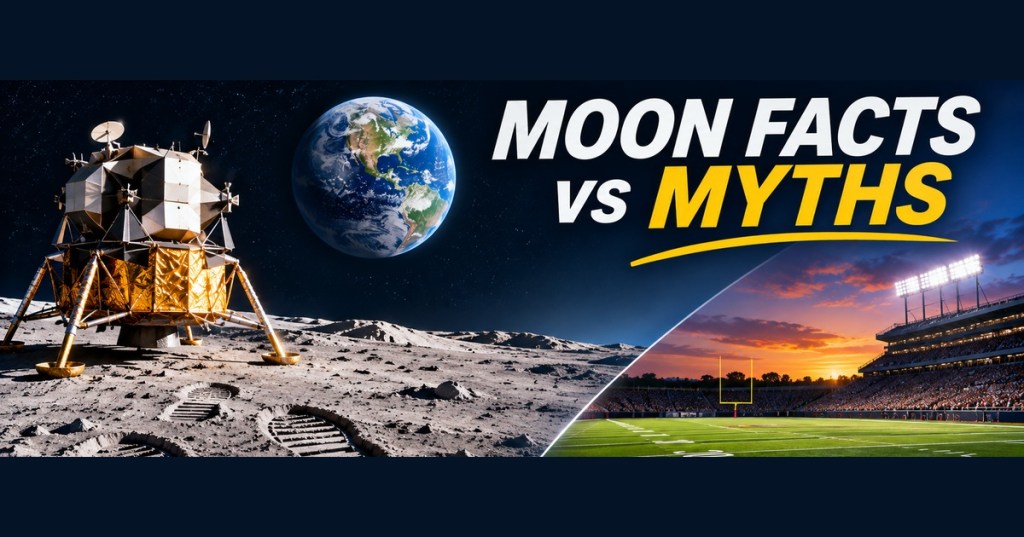
Astrophysicist Neil deGrasse Tyson joined Jason and Travis Kelce on the November 4, 2026 episode of New Heights to examine Moon-landing denial and flat-Earth beliefs raised in NFL locker rooms. In a separate discussion clip, Tyson uses rocket engineering, lunar photographs and the timing of football games to explain why familiar conspiracy arguments fail. NASA’s mission archives independently support the underlying science.
Tyson’s central distinction is between a suspicion and a testable explanation. Scientific claims must account for observations without ignoring contradictory evidence. For Apollo, the relevant evidence includes mission trajectories, lunar samples, experiments left on the surface and photographs recorded under known lighting and camera conditions.
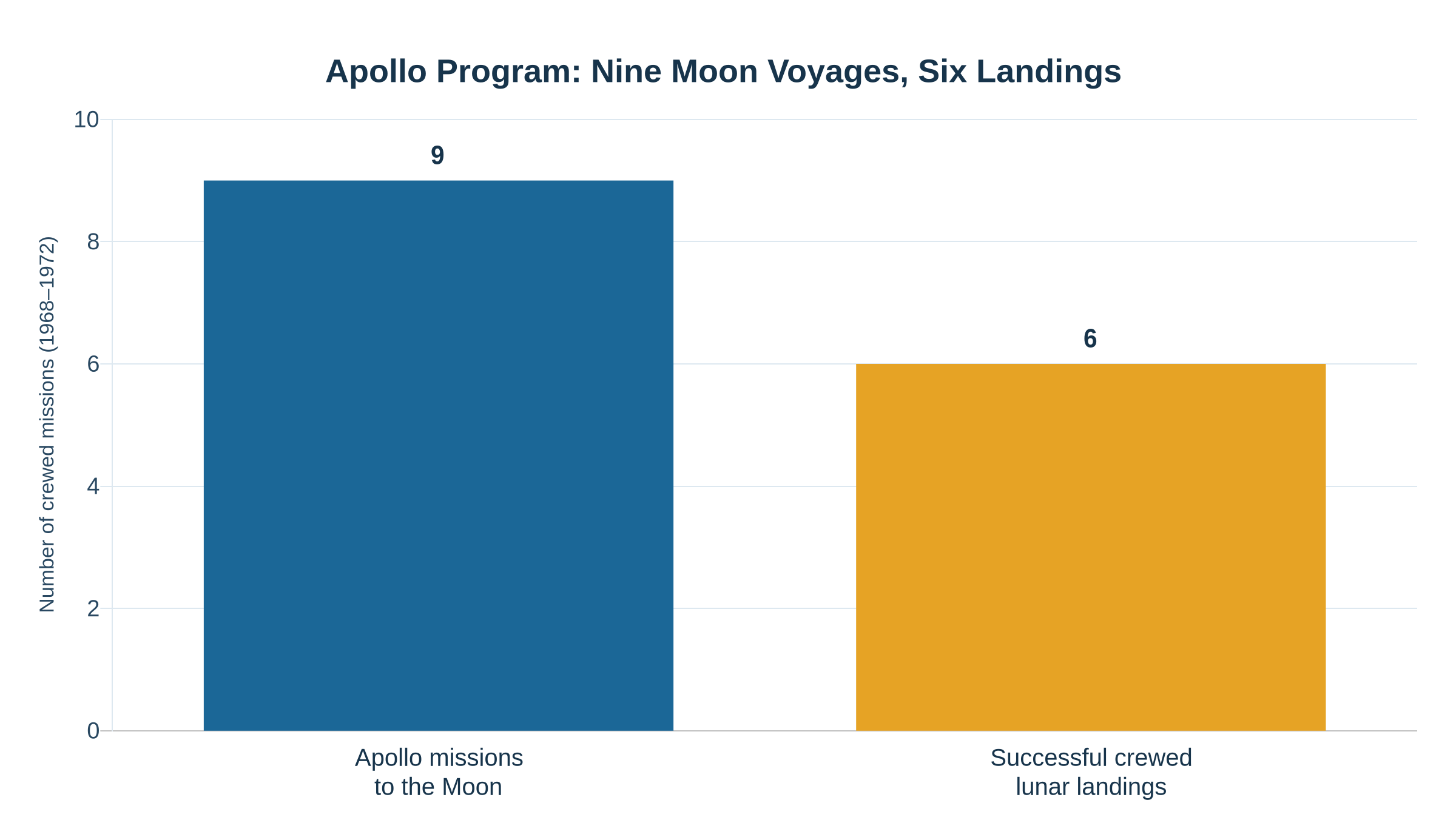
Nine Apollo Moon voyages, six crewed landings
Tyson refers to NASA making nine journeys to the Moon during Apollo. The distinction matters: NASA sent nine crewed missions toward the Moon between 1968 and 1972, but six successfully landed astronauts. Apollo 8 and 10 orbited without landing, while Apollo 13 returned after an in-flight emergency. Twelve astronauts walked on the lunar surface across the six successful landings, according to NASA’s Apollo mission records.
Apollo required more than pointing a rocket upward. Engineers had to accelerate a spacecraft out of Earth orbit, perform midcourse corrections, descend, ascend from the Moon and return. Rocket fuel demand grows rapidly with required velocity change, a constraint explained by the rocket equation and the multistage designs discussed in BitcoinVersus.Tech’s rocket-staging explainer. Landing hardware also needed guidance, propulsion and thermal protection, as covered in lunar-lander engineering.
Why Apollo photographs show no stars
One recurring claim focuses on the dark sky in Moon photographs. NASA explains that camera exposures selected for bright sunlit subjects were too short to record faint background stars. Longer exposures can capture stars but risk washing out the lunar terrain and astronauts. The absence of visible stars therefore follows ordinary photographic physics rather than indicating a studio backdrop.
Apollo imagery can be compared with additional evidence, including nearly 400 kilograms of returned lunar material and surface experiments. NASA’s photography history documents the crew’s camera training and images. The continuing engineering legacy appears in Artemis lunar-mission preparations, although future projects do not independently validate every historical photograph.
Football provides an everyday Earth-science example
Tyson also asks fans to compare winter football broadcasts: a New York viewer may be watching in darkness while a game in San Francisco still has sunlight. Earth’s rotation exposes different longitudes to sunlight at different times, with local time zones reflecting those geographic differences. The example is accessible but is not, by itself, a complete geometric proof of Earth’s shape.
The stronger scientific case combines the Sun’s changing position, lunar-eclipse shadows, satellite observations and precision geodesy. NASA explains that Earth is approximately spherical but slightly flattened at its poles. The knowledge also supports technologies ranging from navigation and weather satellites to future communications networks on the Moon.
Tyson’s appearance illustrates a broader science-communication challenge: a popular sports program can reach audiences who rarely encounter astronomy instruction. Simplified analogies attract attention, but precise mission counts, repeatable observations and technical caveats are essential for separating persuasive storytelling from reliable explanation.
Sources: New Heights Episode 209, released November 4, 2026; NASA Apollo program records; NASA Apollo photography history; NASA explanation of star visibility in space photographs; and NASA explanation of Earth’s shape and rotation.
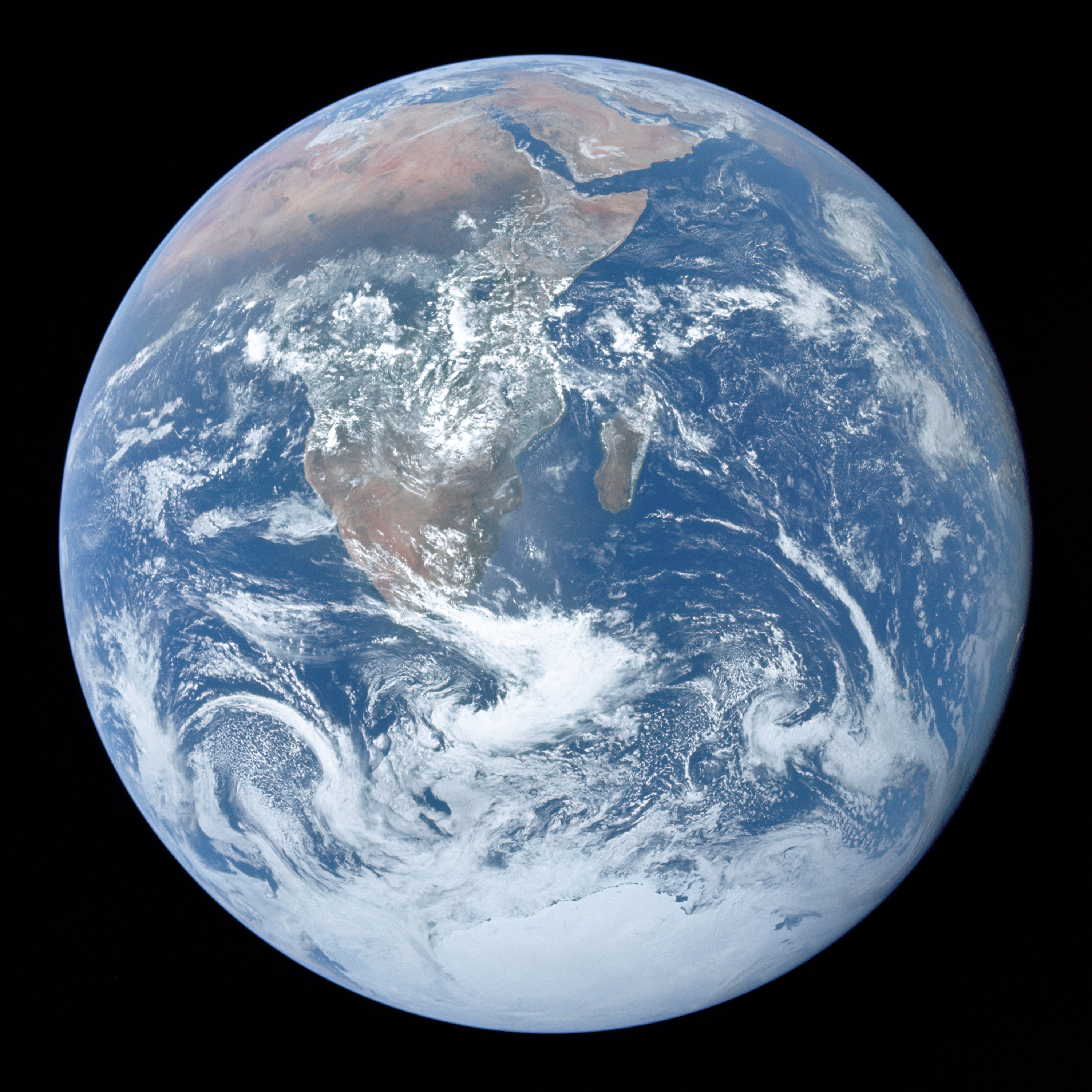
Editor’s Note: The New Heights discussion is reported from the provided video summary, an independently indexed account of the November 4 episode, and contemporaneous coverage; the complete standalone clip transcript was not independently retrievable. Apollo mission counts, photographic exposure and Earth-shape explanations were verified against NASA publications. The featured cover is conceptual artwork, while the Blue Marble is an authentic NASA photograph. Scientific explanations are reported as evidence rather than speculation.
Support BitcoinVersus.Tech
Support independent research by scanning the original approved QR code below to contribute 5,000 satoshis. On mobile, open the story on a second screen to scan with a compatible Bitcoin wallet, or use a wallet’s image-scanning function if available. Confirm the recipient and amount before payment.

We volunteer daily to ensure the information on this platform is Verifiably True. If you would like to support the research, please scan QR code.


Leave a Reply