
Rocket Lab reached 100 Electron-family launches on November 14, 2026, when its rocket deployed Japan’s YAMATSUMI-II synthetic-aperture-radar satellite from New Zealand. The spacecraft reached a reported 575-kilometer orbit, and operator iQPS subsequently confirmed both first contact and deployment of its parabolic antenna. Rocket Lab calls Electron the fastest commercially developed rocket family to reach the milestone, a company-reported comparison rather than an independently standardized ranking.
The 100th flight: one radar satellite, two milestones
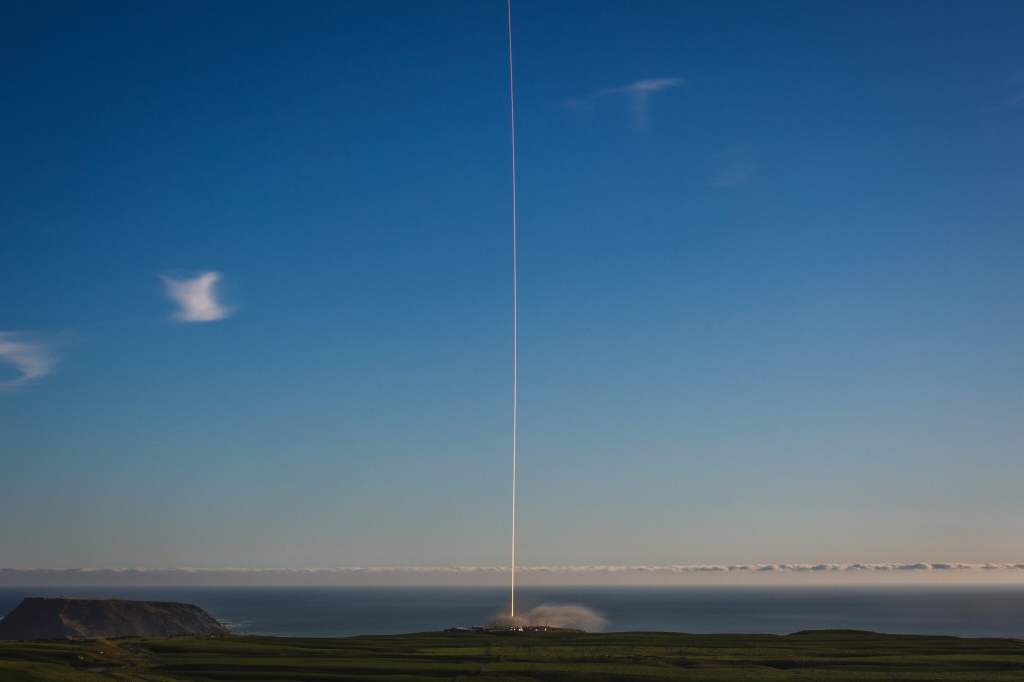
Named “The Mountain God Rises,” the flight lifted off from Rocket Lab Launch Complex 1 on the Māhia Peninsula at 6:30 p.m. New Zealand Daylight Time (2:30 p.m. Japan Standard Time). Electron’s upper kick stage placed QPS-SAR-19, nicknamed YAMATSUMI-II, into low Earth orbit around 50 minutes later, according to iQPS’s mission announcement. The Japanese company reported establishing a radio link about eight minutes after separation and finding the spacecraft healthy.
Later on November 14, iQPS confirmed successful deployment of the satellite’s parabolic antenna. Calibration and first Earth-observation images remain upcoming; reaching orbit and unfolding the reflector are separate achievements from providing validated commercial imagery.
Why radar satellites need reliable launch cadence
Synthetic aperture radar (SAR) transmits microwave pulses and processes their echoes as a spacecraft moves along its orbit. Unlike conventional optical imaging, radar can work at night and through many cloud conditions. A growing constellation reduces the time between observation opportunities, making the data useful for disaster assessment, maritime monitoring, infrastructure tracking and other applications.
On its satellite technology page, iQPS describes an antenna architecture that folds to roughly 80 centimeters across at launch and unfolds to a diameter of about 3.6 meters, with high-resolution spotlight imaging. Such design figures describe the wider QPS-SAR platform, not a newly verified measurement of YAMATSUMI-II’s in-orbit imaging performance.
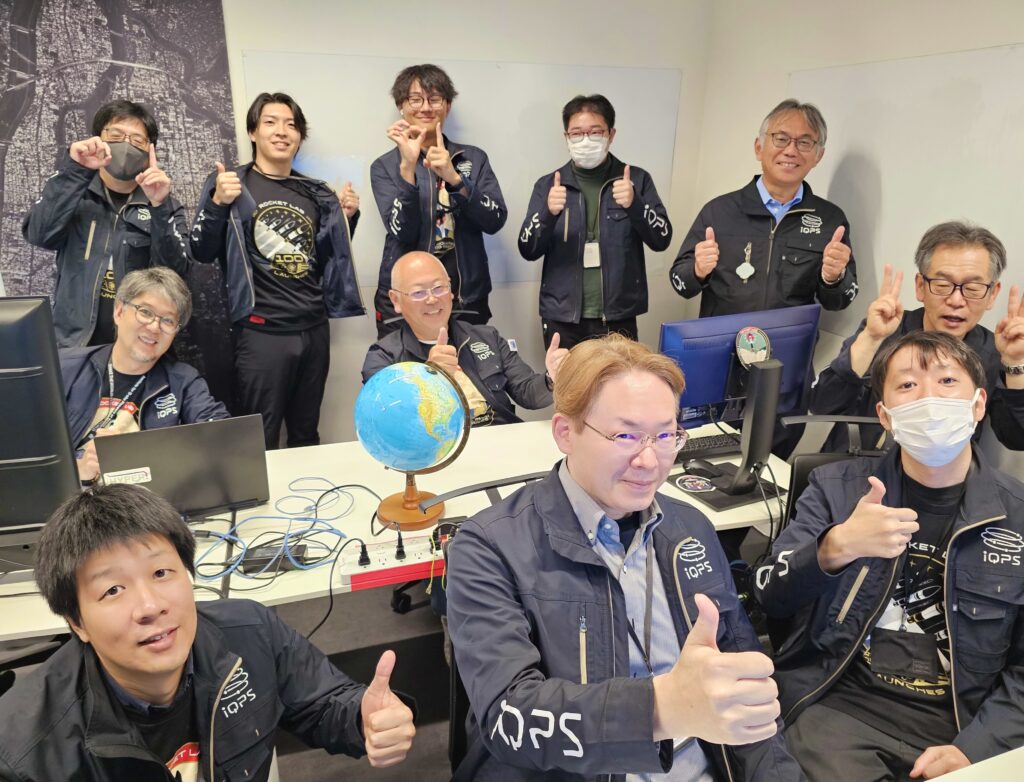
Rocket Lab says the flight was its 11th dedicated Electron mission for iQPS, with all 11 successfully completed since 2023. The customer has reserved another seven launches through 2030. For earlier coverage, BitcoinVersus.Tech reported on Electron’s 97th flight and explained why multistage rockets separate during ascent.
A record, with an important counting distinction
Electron’s first flight occurred in 2017, with its first orbital success following in 2018. The 100-launch tally includes flights by HASTE, a suborbital Electron-derived vehicle used for hypersonic tests. It therefore does not mean 100 successful satellite deployments or 100 purely orbital launches. Rocket Lab has also acknowledged past unsuccessful missions. The broader reliability record should be judged across individual mission outcomes, not from a round-number milestone alone.
Electron combines a carbon-composite airframe with Rutherford engines built around electric turbopump alternatives and extensive 3D printing. The design supports frequent dedicated launches of smaller payloads, although small launchers cannot match the maximum mass capacity of larger rockets. Rocket Lab’s Neutron program targets a different, medium-lift market and still faces development and schedule risk. Meanwhile, SpaceX’s recent Starship flight testing illustrates how launch systems at different scales have distinct technical objectives.
For satellite operators, the next relevant measures are repeatable launch execution, spacecraft checkout and data delivery. Rocket Lab’s milestone demonstrates accumulated flight activity. iQPS’s antenna deployment confirms an important post-launch step; commercial images and operational revisit performance require separate verification.
Sources and primary documentation
Rocket Lab: 100th Electron mission success, November 14, 2026; iQPS: first contact and planned orbit; iQPS: antenna deployment; iQPS: QPS-SAR engineering specifications.


Leave a Reply