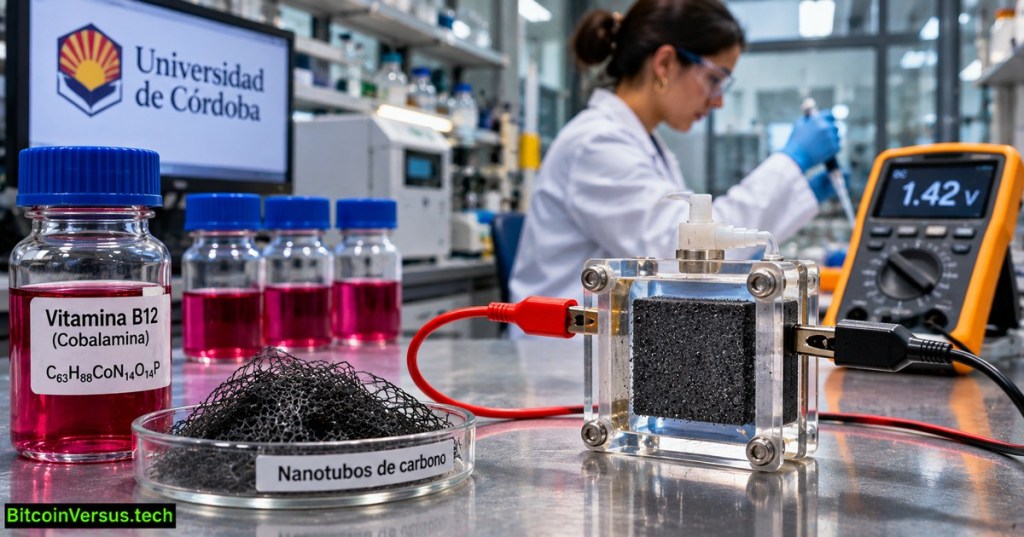
A common vitamin may have a second career in batteries. Researchers at Spain’s University of Córdoba have built a rechargeable zinc-air battery using vitamin B12 as a catalyst, reporting more than 250 charge–discharge cycles across their testing. The university announced the results on November 4, 2026, and a November 18 science-news report brought the work renewed attention. Crucially, the battery does not run on nutritional supplements: zinc and oxygen supply the electrochemical reaction, while vitamin B12 helps it proceed efficiently. The findings come from a peer-reviewed study in the Journal of Materials Chemistry A, first published online in July.
Zinc-air battery explainer by Owl WiS, published in 2025. Educational background on zinc, oxygen and alkaline electrolyte; not footage of the University of Córdoba prototype.
How does vitamin B12 help a battery?
A zinc-air cell consumes oxygen drawn from the surrounding atmosphere as part of its electrical reaction. The challenge in making such cells rechargeable is supporting both oxygen reduction during discharge and oxygen evolution during charging. Cobalamin, the chemical name for vitamin B12, contains a central cobalt atom that can participate in these processes.
The Córdoba researchers chemically bonded vitamin B12 to single-walled carbon nanotubes, forming a conductive air-electrode catalyst. Bonding matters because free vitamin B12 dissolves readily in water. Without a means of retaining it at the electrode, a water-based electrolyte could carry the catalyst away. The team’s official university release describes the attachment as inspired by the chemical links between amino acids in proteins.
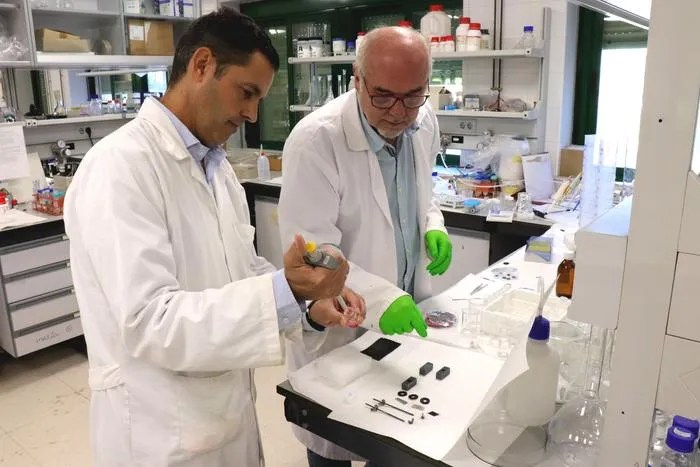
A measurable improvement, at milliwatt scale
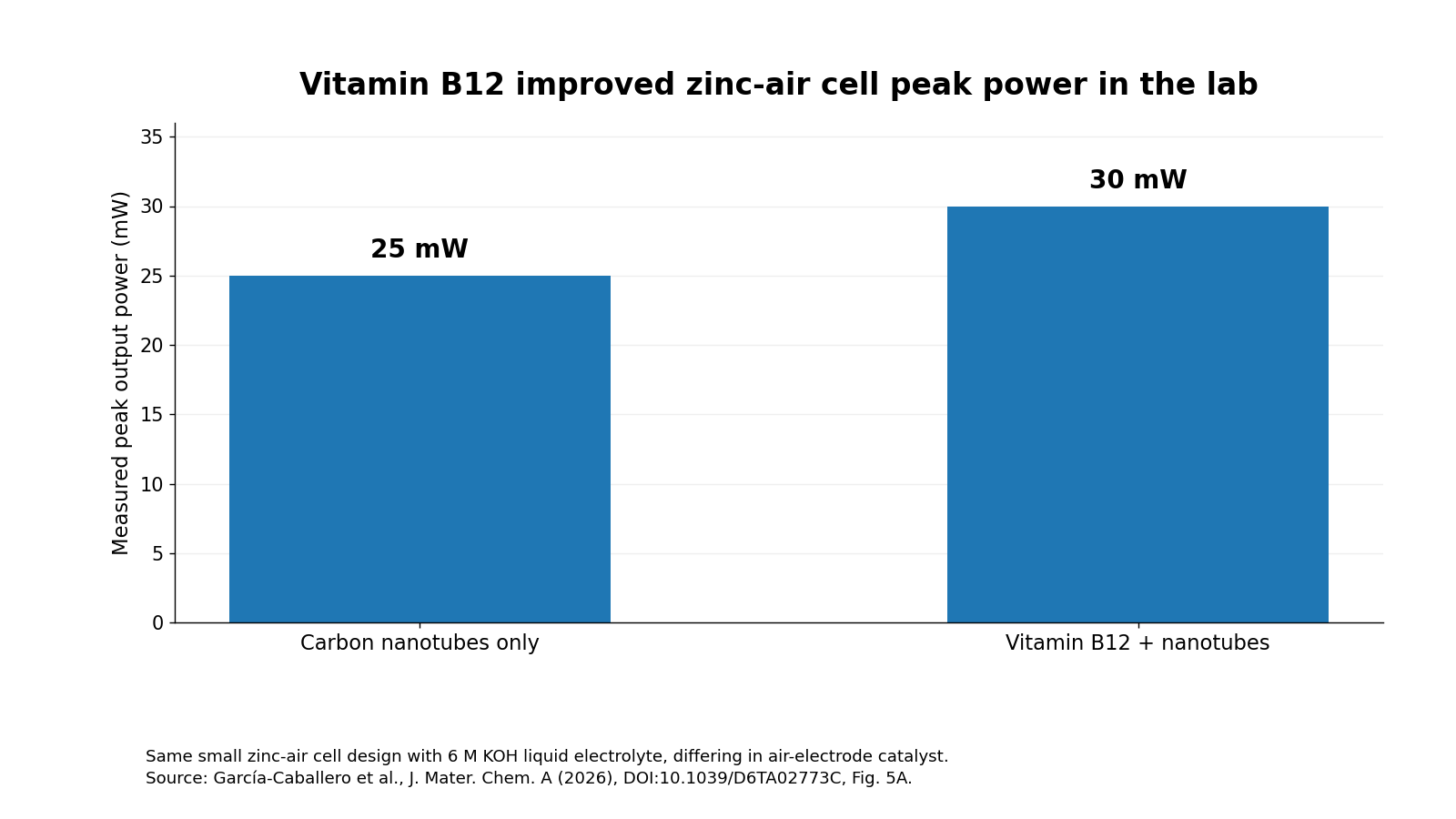
In the study’s comparable liquid-electrolyte tests, the battery using B12-functionalized nanotubes reached 30 milliwatts of peak power. A control cell using nanotubes without B12 reached 25 milliwatts. The difference is 5 mW, or 20% relative to the control. Both measurements used small laboratory cells with a 6 molar potassium-hydroxide electrolyte, not consumer battery packs.
The researchers also tested a gel-electrolyte design. A B12-equipped prototype remained stable for 225 cycles in one test, while the control reportedly failed in its second cycle. The reported cycle-count headline needs context: tests used very small charge and discharge steps, so reaching hundreds of cycles does not establish a phone- or electric-car-ready lifespan. Cell size, operating temperature, energy density and long-duration storage performance remain open engineering questions.
Why zinc-air technology matters
Zinc is widely available and recyclable, while oxygen arrives from ambient air rather than being stored entirely inside the cell. Water-based electrolytes can also reduce some flammability concerns associated with conventional organic electrolytes. Yet zinc-air designs face difficulties with recharging efficiency, zinc electrode degradation, air management and maintaining the catalyst over time.
Engineering chemistry lesson from Vturesource, published in 2016, explaining ordinary zinc-air cell reactions. Archival context only, not independent replication of the new vitamin B12 results.
Other emerging batteries are tackling different bottlenecks. BitcoinVersus.tech has examined an experimental water-based iodine battery and QuantumScape’s solid-state cycling results. Neither can be compared directly with the Córdoba zinc-air prototype without matching capacity, temperature, cycle depth and testing conditions.
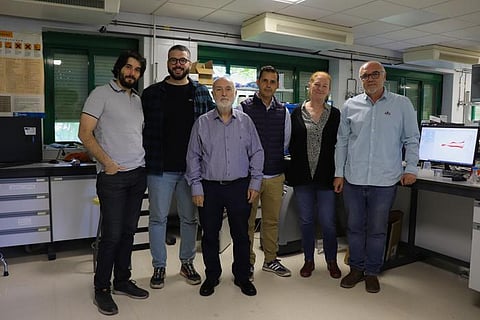
A research cell, not a commercial product
Vitamin B12 may improve catalyst chemistry, but commercial adoption would require larger electrode areas, reliable repeated charging and evidence that materials remain affordable when manufactured at scale. The presence of cobalt within B12 also means the catalyst is not literally cobalt-free. The university points to renewable-energy storage as a possible future application; no commercial product or large-scale field trial has been announced.
Battery alternatives become increasingly relevant as grids add variable wind and solar electricity. Prior BitcoinVersus.tech reporting tracks expanding U.S. battery storage and funding for longer-duration systems. Córdoba’s achievement is a laboratory demonstration of a promising catalyst, not proof that vitamin-based batteries can replace lithium-ion installations.
Original sources: University of Córdoba, November 4, 2026; García-Caballero and colleagues, Journal of Materials Chemistry A, 2026; ScienceDaily, November 18, 2026. Measurements are prototype results, not forecasts.
Editor’s Note: We volunteer daily to ensure the credibility of the information on this platform is Verifiably True. If you would like to support our work and help further secure the integrity of our research initiatives, please scan the QR code below to donate 5,000 sats.

Disclaimer: BitcoinVersus.tech provides independent educational journalism, not financial, scientific, product-safety, medical or engineering advice. Research prototypes may not translate to commercial products, and future performance requires independent verification.


Leave a Reply